


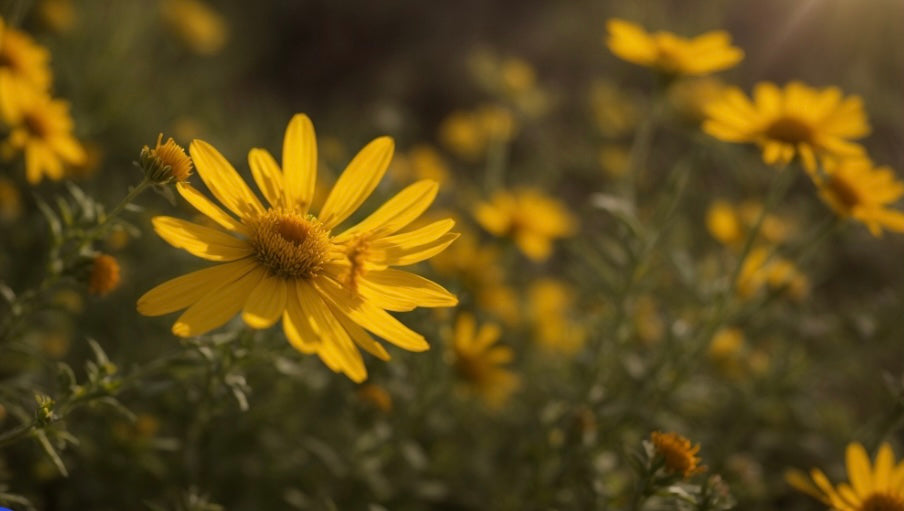
The Yellow Bush Daisy (Euryops pectinatus) is proof that low-maintenance doesn’t mean low-impact. With its bright yellow blooms and soft, silver-green foliage, it brings a cheerful glow to gardens year-round—without constant watering or fuss. Gardeners often choose this plant when they want a landscape that stays vibrant with minimal care, especially in regions where summers run dry and hot. For homeowners looking to design a drought-tolerant, easy-care landscape, this plant is both reliable and rewarding.
Is Yellow Bush Daisy a perennial or annual?
Yellow Bush Daisy behaves as a perennial in warm regions, particularly USDA zones 9–11, where winter temperatures stay mild. In these climates, it holds its shape for years and continues blooming season after season. In colder zones, frost can kill back the plant or damage its woody base, causing it to behave like an annual.
What Makes the Yellow Bush Daisy Drought-Tolerant?
Its drought strength comes from its South African origins, where plants had to adapt to hot, dry, windy conditions with minimal rainfall. The small, dissected, silvery leaves naturally reduce water loss by reflecting sunlight and limiting transpiration. Beneath the soil, an efficient root system searches deep for moisture, allowing the plant to remain vigorous even after extended dry spells. These traits make Yellow Bush Daisy a standout choice for xeriscaping, water-wise gardening, and regions that experience seasonal drought. Landscapers value it for staying bright and full even when other shrubs begin to wilt.
How do you grow Yellow Bush Daisy?
Plant Yellow Bush Daisy in a bright, sunny location with well-drained soil to help it settle quickly. During the first few weeks, water consistently so the young roots can establish. Once mature, it becomes one of the easiest shrubs to maintain, thriving through heat and uneven rainfall. A little shaping after each bloom cycle keeps the plant rounded and full, while a light spring feeding supports new growth. Because it tolerates a wide range of soils and doesn’t require constant watering, it’s popular in both home landscapes and commercial plantings where low upkeep is essential.
What soil is best for Yellow Bush Daisy?
Good drainage is the most important soil requirement for this species. Sandy, gravelly, or loamy mixes allow excess water to escape quickly, preventing root rot. Although the plant tolerates poor soils, it struggles in heavy clay or compacted areas where moisture lingers.
For gardeners in states like Florida or southern California, slight mounding or raised beds improve airflow and drainage around the roots. Adding small amounts of compost is fine, but avoid overly rich or wet soils. The plant naturally thrives in lean, fast-draining conditions.
Which USDA Zones and U.S. States Are Ideal for Planting Yellow Bush Daisy?
Yellow Bush Daisy grows best in USDA zones 9–11, where winters remain mild enough for the shrub to stay evergreen and productive. It performs especially well in states with warm, coastal or southern climates such as California, Florida, Texas, Arizona, Nevada, and parts of Louisiana.
In colder states, it is better suited to containers that can be moved indoors or into sheltered areas during frost. Knowing your zone ensures the plant lives long enough to display its full flowering potential.
How much sunlight does a Yellow Bush Daisy need?
Full sun is essential if you want abundant blooms and dense foliage. Aim for at least six hours of strong, direct light each day. This exposure fuels continuous flowering and prevents the plant from stretching or becoming sparse.
When grown in too much shade, Yellow Bush Daisy often produces fewer flowers, develops thin growth, and may lose its compact shape. Placing it in the sunniest spot you have—whether in a border, along a driveway, or on a patio—helps it maintain its signature bright, cheerful appearance.
How often should you water Yellow Bush Daisy?
Once established, the plant’s watering needs are minimal. During the first month, keep the soil lightly moist to help the roots anchor. After that, a deep watering once a week is usually enough, even through warm weather. In very hot climates, increase slightly if the soil dries too quickly. Overwatering is a common mistake and often leads to yellowing leaves or fungal issues. Allow the top layer of soil to dry out between waterings so the plant can rely on its natural drought adaptations.
When does Yellow Bush Daisy bloom?
This shrub earns its popularity through its long and generous flowering window. In warm climates, blooms may appear nearly all year, with a strong surge of flowers from late winter through spring. Each daisy-like bloom rises above the silver-green foliage, creating vivid color that shows beautifully from far away. Regular deadheading encourages even more flowering and keeps the plant neat. In cooler climates, the bloom period shortens but remains reliably bright throughout the warm months.
Why is my Yellow Bush Daisy not blooming?
Lack of sunlight is the most common reason. Other factors include too much water, exhausted soil, or old, unpruned stems. Giving the plant a sunnier location, improving drainage, feeding lightly in spring, and trimming back leggy growth often restores healthy flowering.
Pruning and Maintenance Tips for Long-Lasting Blooms
Regular trimming keeps the shrub compact, encourages repeat flowering, and prevents woody, leggy growth. Lightly shape the plant after each blooming cycle by removing faded flowers and tidying uneven stems. A deeper prune in early spring revitalizes older plants and stimulates fresh growth for the new season. Clean cuts made just above leaf nodes help the plant branch evenly and maintain its rounded form.
Pest and Disease Resistance of Yellow Bush Daisy
Yellow Bush Daisy is naturally resilient, thanks to the aromatic compounds in its foliage that deter many insects. It rarely faces serious pest problems, though occasional aphids or whiteflies may appear during stress periods. A gentle rinse or a light neem oil application resolves most issues. The more serious risks come from soggy soil, which can trigger root rot or fungal spots. Planting in well-drained soil and avoiding overwatering helps keep the shrub consistently healthy.
Best Uses in Landscaping: Borders, Containers, and Mass Plantings
Yellow Bush Daisy shines in nearly any garden style. Its bright flowers make a cheerful border along paths and driveways, while mass plantings create a sweeping display of yellow that stands out from a distance. In containers, it brightens patios and entryways and pairs well with other sun-loving drought-tolerant plants. Its dependable structure and year-round greenery make it a reliable anchor plant for low-maintenance landscapes.
Conclusion
Beyond beauty, it’s practical—resilient to heat, wind, and neglect. Whether you’re designing from scratch or refreshing a tired garden bed, Euryops pectinatus brings instant brightness and structure to your landscape.