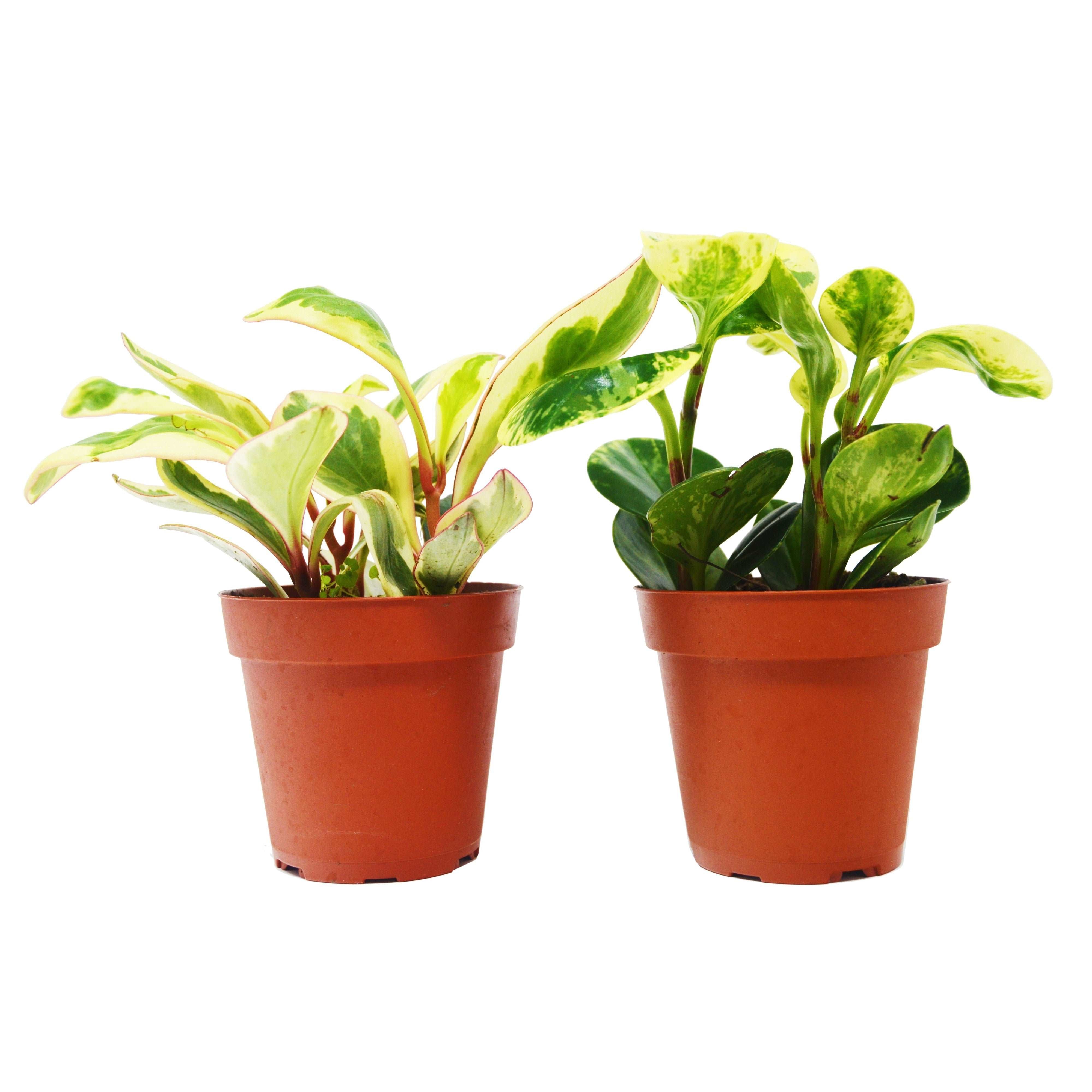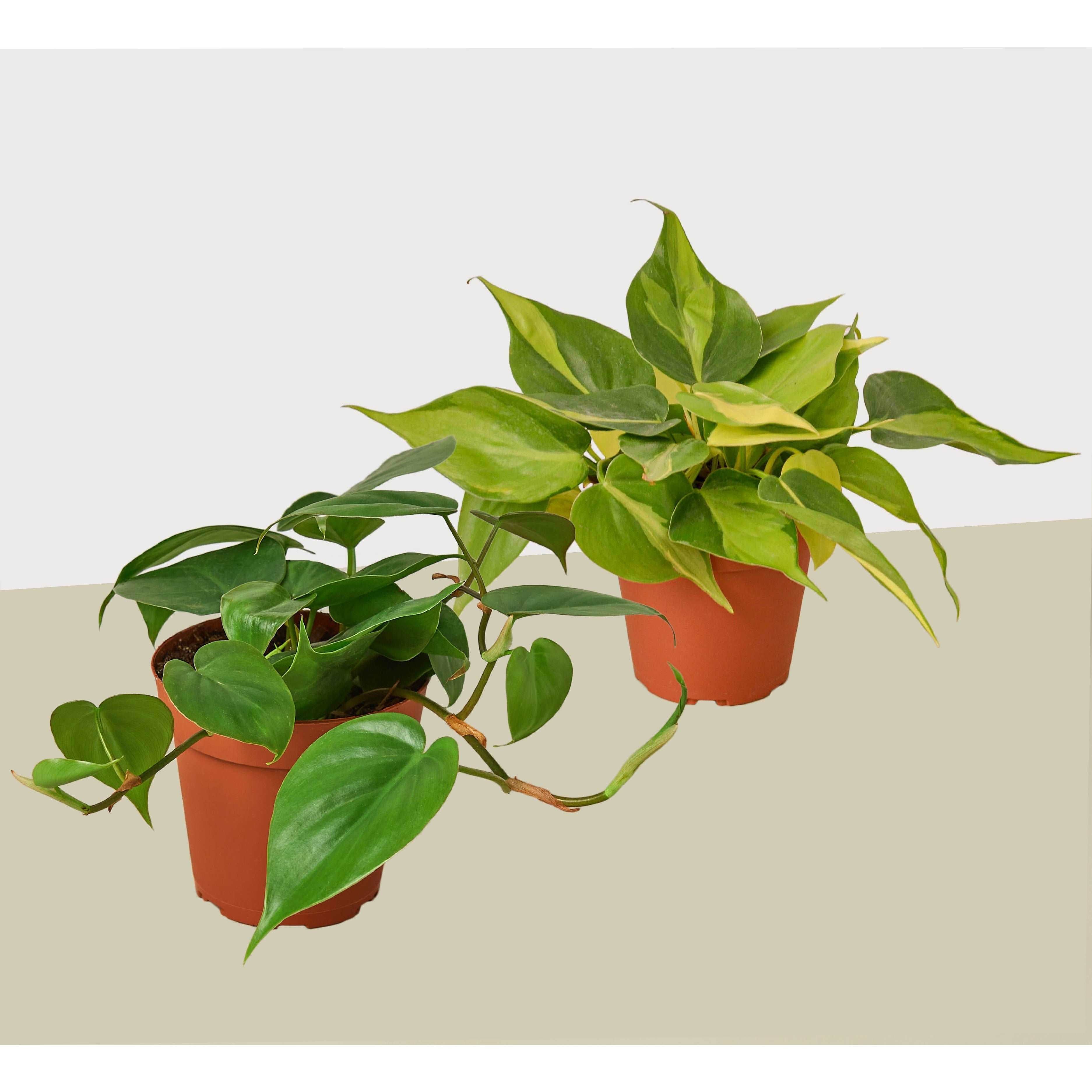



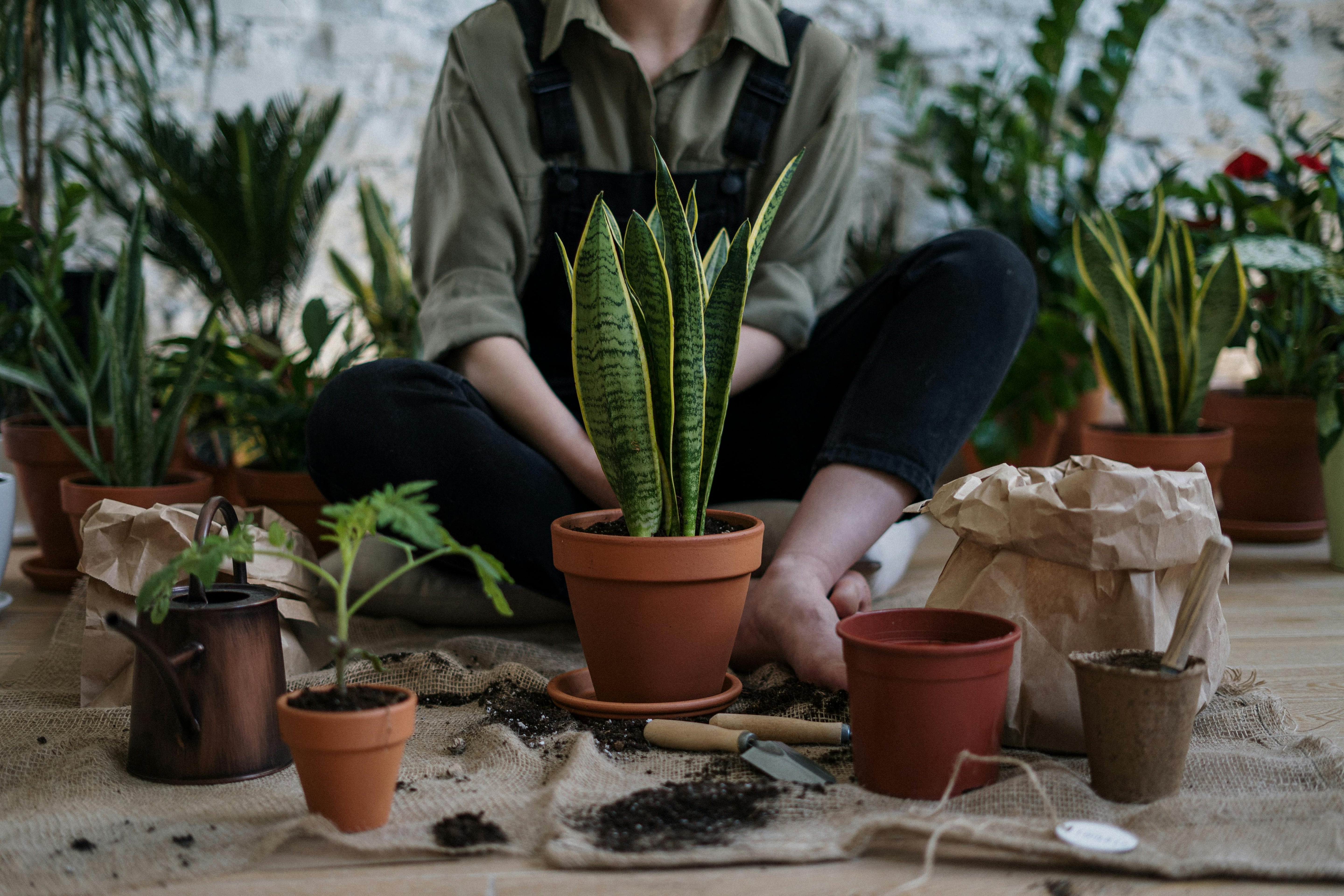
Proper plant care ensures your greenery thrives, whether indoors, in an office, or in a tropical garden. Success depends less on luck and more on the conditions you create during the first weeks. With the right site, soil preparation, and aftercare, plants grow stronger, resist stress, and thrive year after year.
This guide covers practical tips for watering, fertilizing, pruning, propagation, pest management, and special conditions like heat waves or aquatic environments.
How to Care for Indoor Plants for a Healthy Home
Indoor plants brighten spaces, improve air quality, and boost mood. Keeping them healthy requires attention to water, light, humidity, and nutrients.
How do you care for indoor plants?
Indoor plants thrive when you monitor soil moisture and water when the top inch feels dry. Pots should have drainage holes to prevent root rot, and leaves benefit from occasional cleaning to remove dust and improve photosynthesis. Rotating plants every few weeks ensures all sides receive even light.
How often should you water indoor plants?
Watering depends on the plant type, pot size, and season. Succulents need infrequent watering, while tropical foliage prefers consistent moisture. Stick your finger into the soil about an inch deep—if it feels dry, it’s time to water.
How do you fertilize houseplants?
Most indoor plants benefit from a balanced, water-soluble fertilizer once a month during the growing season. Reduce feeding in winter when growth slows. Slow-growing plants respond well to half-strength fertilizer, and organic options like compost tea or worm castings are gentle alternatives.
How much sunlight do indoor plants need?
Bright, indirect light is ideal for most houseplants. Low-light tolerant species, like snake plants, pothos, and ZZ plants, can grow in shaded corners. Succulents and cacti, however, need direct sunlight to thrive.
How do you maintain plant humidity?
Many tropical houseplants prefer 50–70% humidity. Grouping plants together, misting leaves, or using a humidity tray with water and pebbles helps maintain moisture. Small indoor humidifiers can also be useful during dry winter months.
How do you care for air plants indoors?
Air plants (Tillandsia) absorb nutrients through their leaves. Mist them 2–3 times per week or soak them in water for 20–30 minutes weekly. Provide bright, indirect light and good airflow, and allow them to dry completely after soaking to prevent rot.
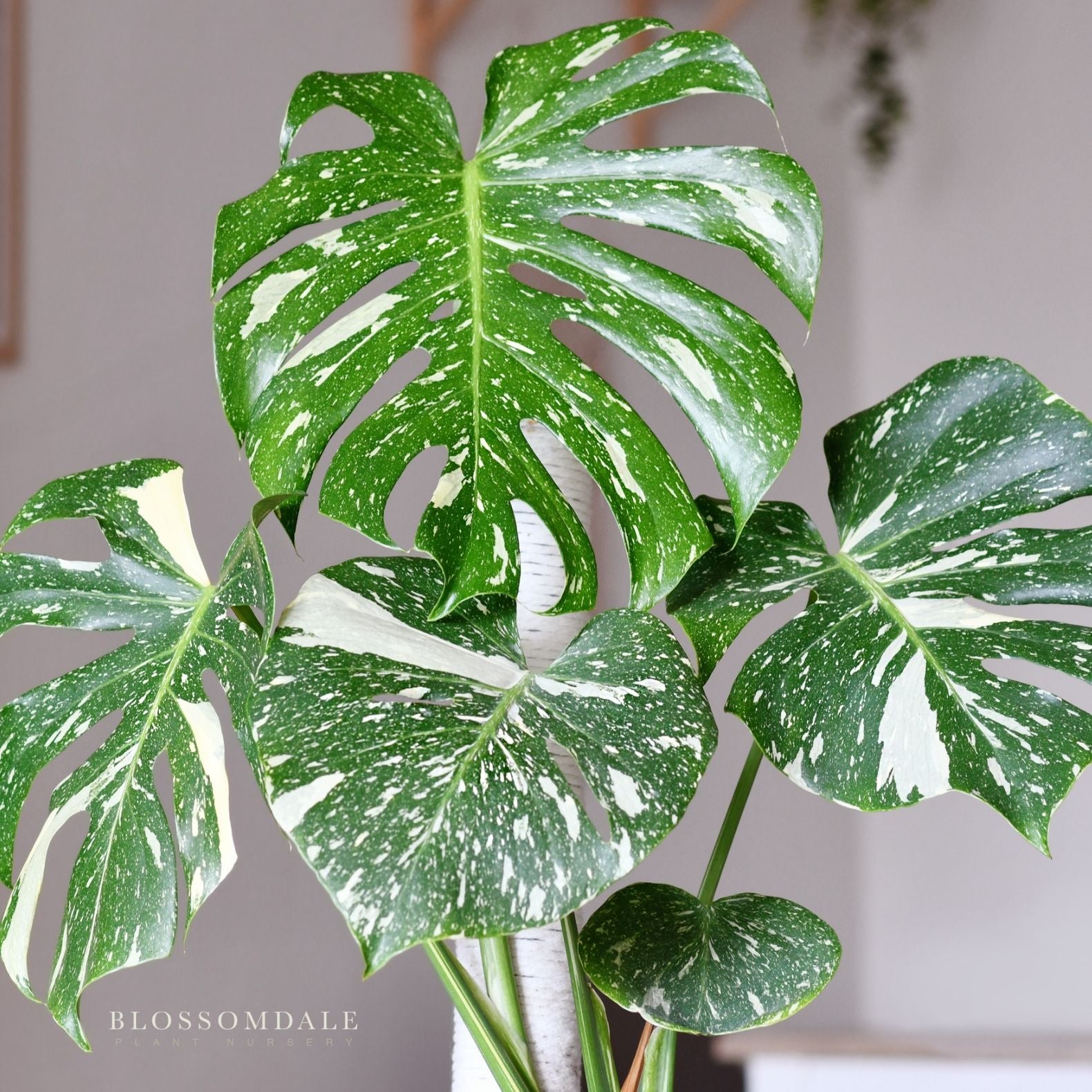
Essential Care Tips for Tropical Plants
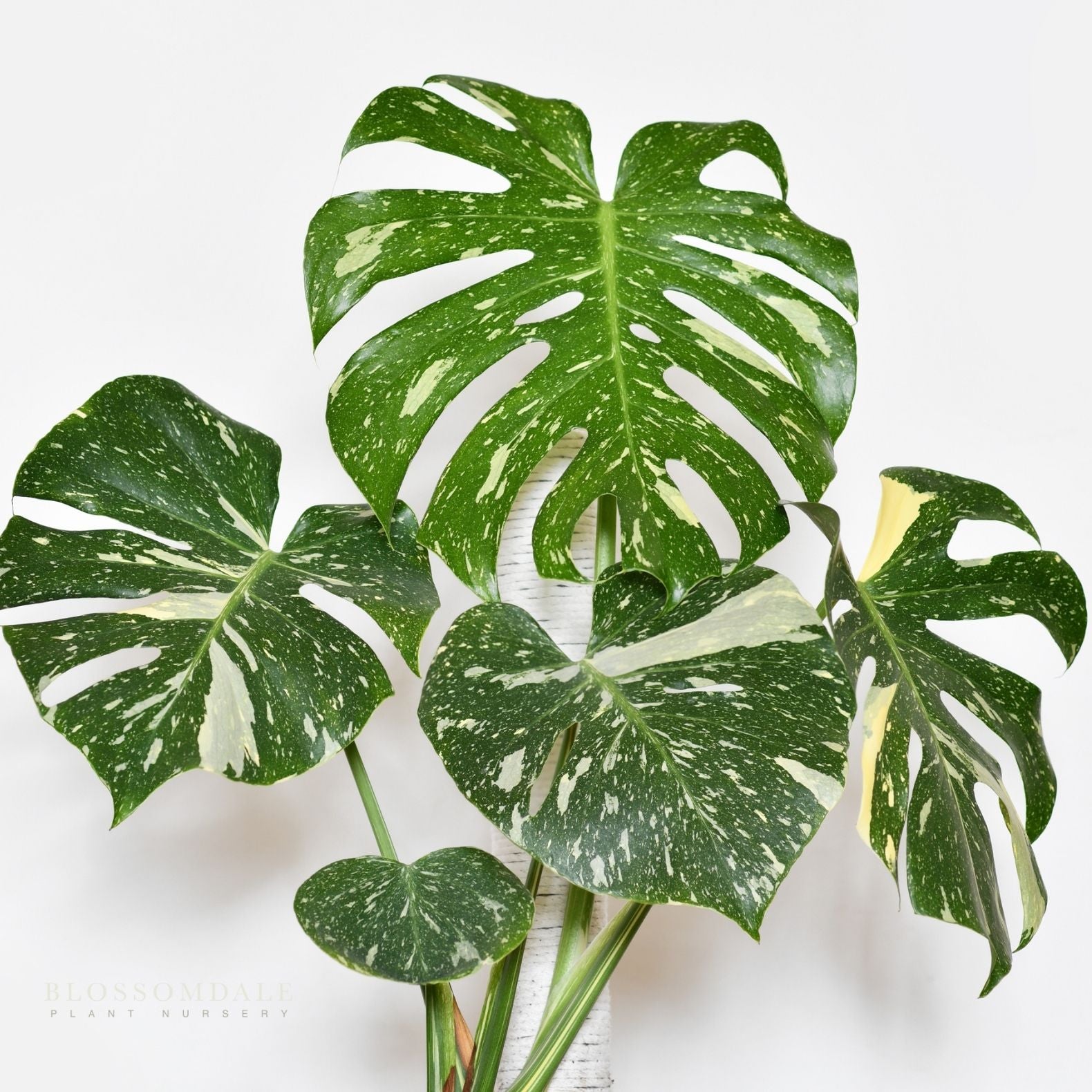
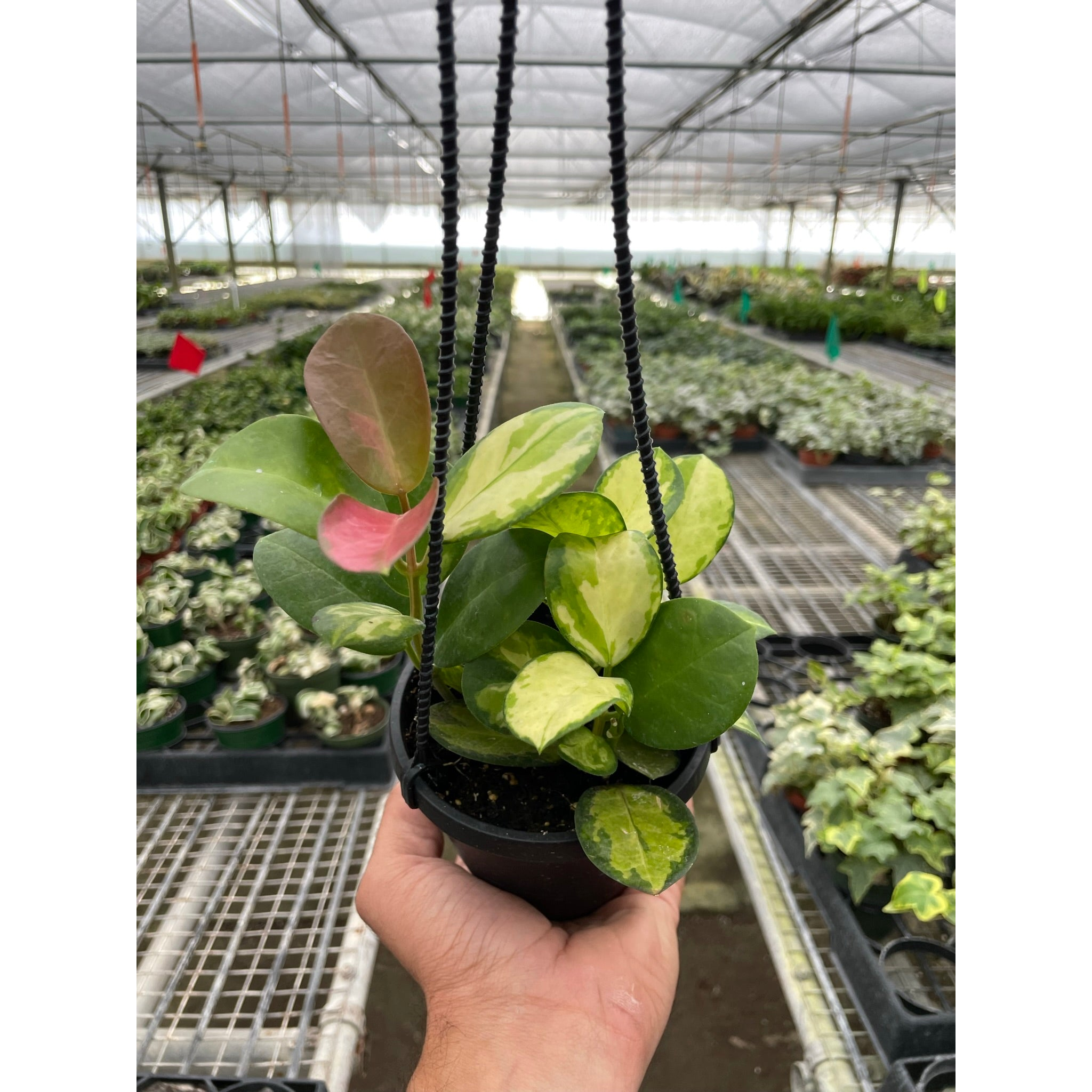
Tropical plants require warmth, high humidity, and consistent moisture. They thrive above 60°F (16°C) and should be kept away from cold drafts or sudden temperature changes. Feed with a liquid fertilizer every 2–4 weeks during the growing season and provide indirect sunlight to prevent leaf burn.
What is the best soil for tropical plants?
Tropical plants prefer well-draining, nutrient-rich soil. A mix of potting soil, peat, and perlite or orchid bark retains moisture without waterlogging roots.
How do you prevent pests on tropical plants?
Common pests include spider mites, aphids, and mealybugs. Regularly inspecting leaves, wiping them with a damp cloth, and using neem oil or insecticidal soap when necessary can prevent infestations.
How do you prune tropical plants?
Pruning removes dead or yellowing leaves and encourages fuller growth. Trim just above a node or branch junction to stimulate new shoots, and always use clean, sharp tools to avoid disease transmission.
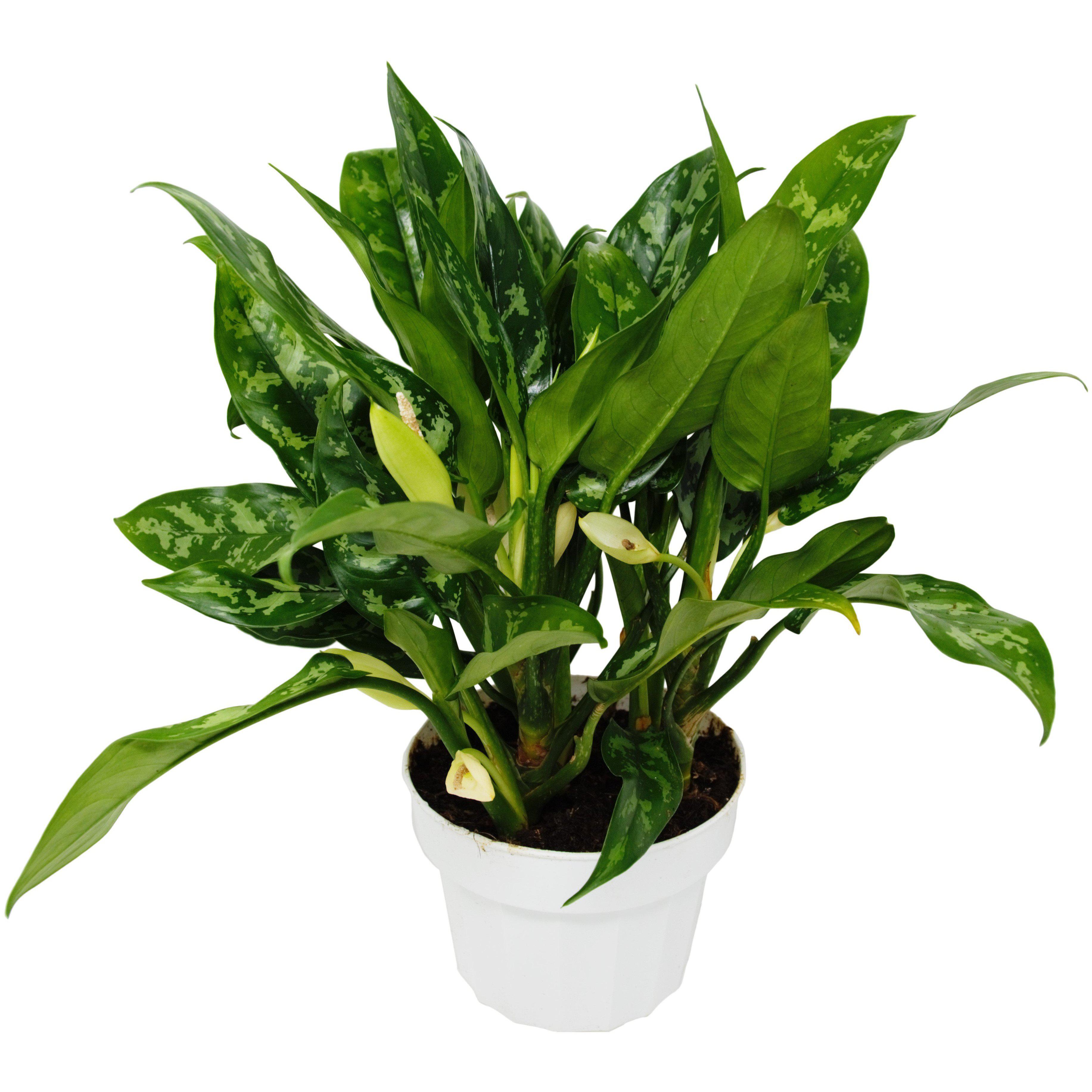
How to Maintain Healthy Water Gardens
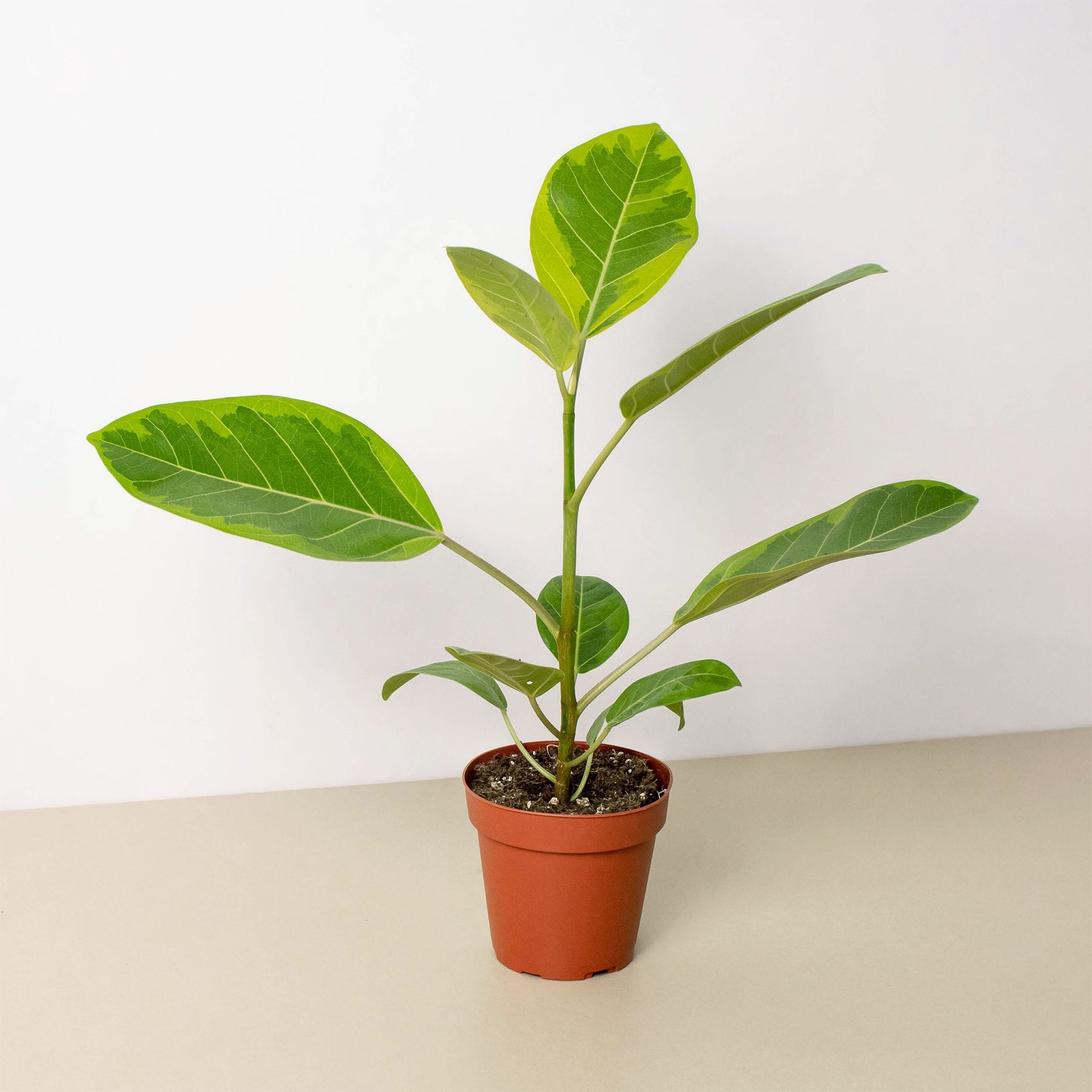
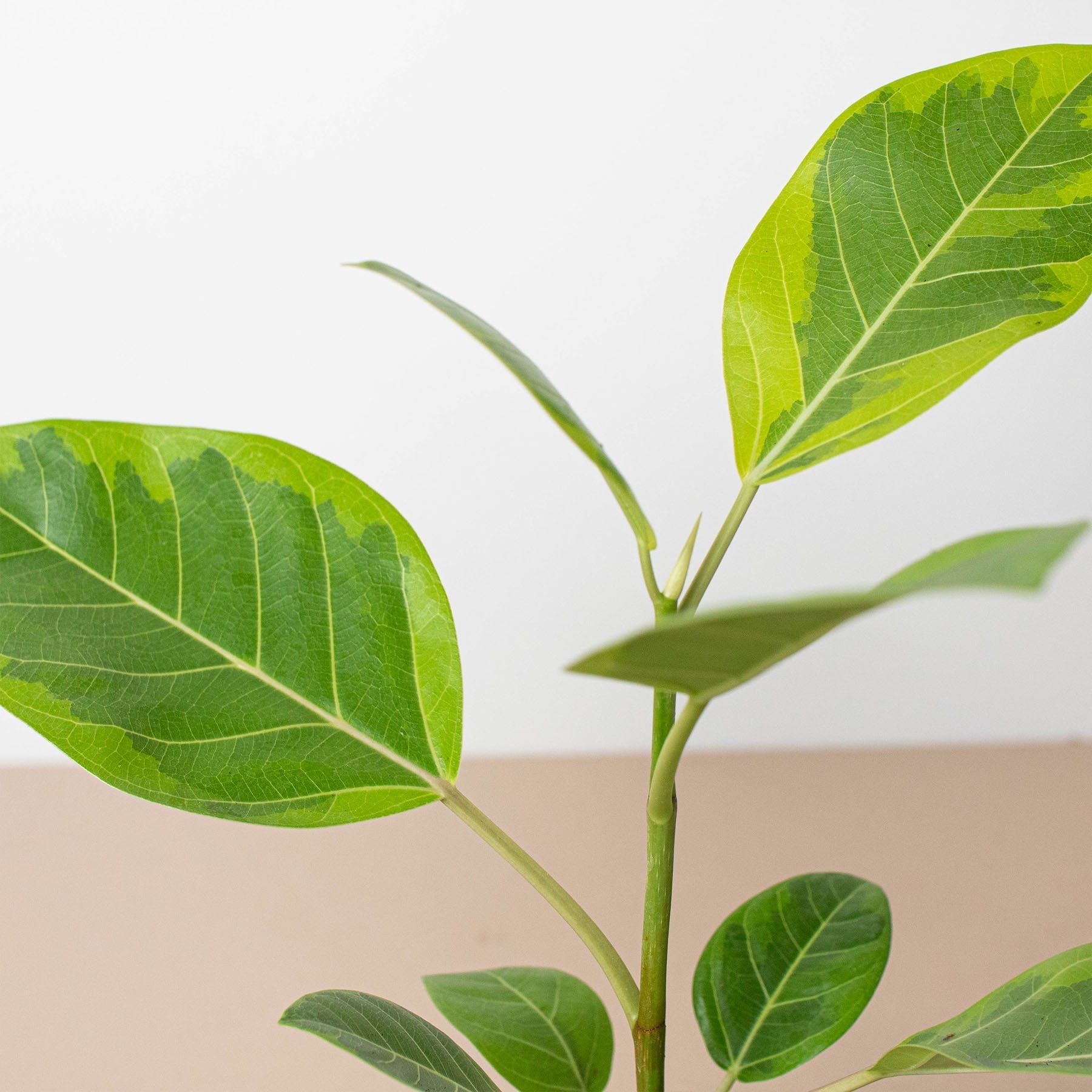
Aquatic plants thrive in ponds, aquariums, or water features with clean water, adequate nutrients, and proper light. Submerged plants require enough light for photosynthesis, while floating plants prefer partial shade to avoid sunburn.
How do you prevent algae in water gardens?
Overfeeding fish and leaving decaying plant matter in the water can promote algae growth. Removing debris regularly and introducing floating plants or algae-eating species helps balance nutrients naturally.
How do you fertilize aquatic plants?
Submerged plants absorb nutrients from water or substrate, while marginal plants can benefit from slow-release fertilizer tablets. Water-soluble fertilizers designed for aquatic plants are also effective.
How do you propagate aquatic plants?
Submerged plants can often be divided at the roots or propagated from cuttings. Floating plants generally produce offshoots naturally. Maintaining clean water and adequate light is crucial for successful propagation.


Beginner-Friendly Plant Propagation Techniques
Propagation is a great way to expand your collection and share plants with friends. Using clean tools, healthy parent plants, and suitable soil or water mediums increases success.
How do you propagate plants from cuttings?
Select a healthy stem or leaf, remove lower leaves, and place it in water or moist soil until roots develop. Keep the cutting in bright, indirect light and maintain consistent moisture.
How do you propagate by division?
Division works for clumping plants like peace lilies, snake plants, and ferns. Carefully separate the root ball into sections, making sure each has roots and shoots, then plant individually in fresh soil.
How do you propagate using layering?
Pin a low-growing stem to soil, cover lightly, and wait for roots to form while still attached to the parent plant. Once roots develop, cut it free and plant separately.
What common mistakes should beginners avoid in propagation?
Overwatering cuttings, using unhealthy parent plants, exposing propagating plants to direct sunlight, and neglecting tool hygiene can all reduce success rates.

Troubleshooting Common Houseplant Problems
Even experienced owners face challenges. Recognizing problems early allows you to act before permanent damage occurs.
How do you prevent pests on indoor plants?
Inspect plants regularly for aphids, spider mites, mealybugs, and scale. Wiping leaves with mild soap or using neem oil or insecticidal soap can prevent infestations. Avoid overwatering, which encourages pests like fungus gnats.
How do you revive a dying plant?
Check for root rot, trim damaged roots, and repot in fresh, well-draining soil. Adjust light and watering to match the plant’s needs, prune damaged leaves, and treat any pests promptly. Recovery can take weeks, so be patient.
How do you identify early signs of plant stress?
Yellowing leaves often indicate overwatering or nutrient deficiency. Brown tips suggest low humidity or salt buildup. Drooping leaves may be caused by inconsistent watering or sudden temperature changes, while leggy stems usually point to insufficient light.
Repotting and Soil Management Tips
How do you repot plants properly?
Choose a pot slightly larger than the root ball and use well-draining soil. Gently loosen roots before planting to encourage growth.
What soil type is best for houseplants?
Most houseplants prefer a loamy, well-draining mix with organic matter. Succulents and cacti require sandy, fast-draining soil to prevent root rot.
Pruning and Shaping Plants to Encourage Growth
Pruning keeps plants healthy and visually appealing while encouraging new growth.
How do you prune plants to encourage growth?
Remove dead or yellowing leaves, trim leggy stems, and pinch back new growth to stimulate bushiness. Use clean, sharp tools to prevent disease.
How does pruning affect flowering and fruiting plants?
Proper pruning redirects energy to healthy growth and reproductive structures. Remove spent blooms and thin overcrowded branches to improve air circulation and light penetration.