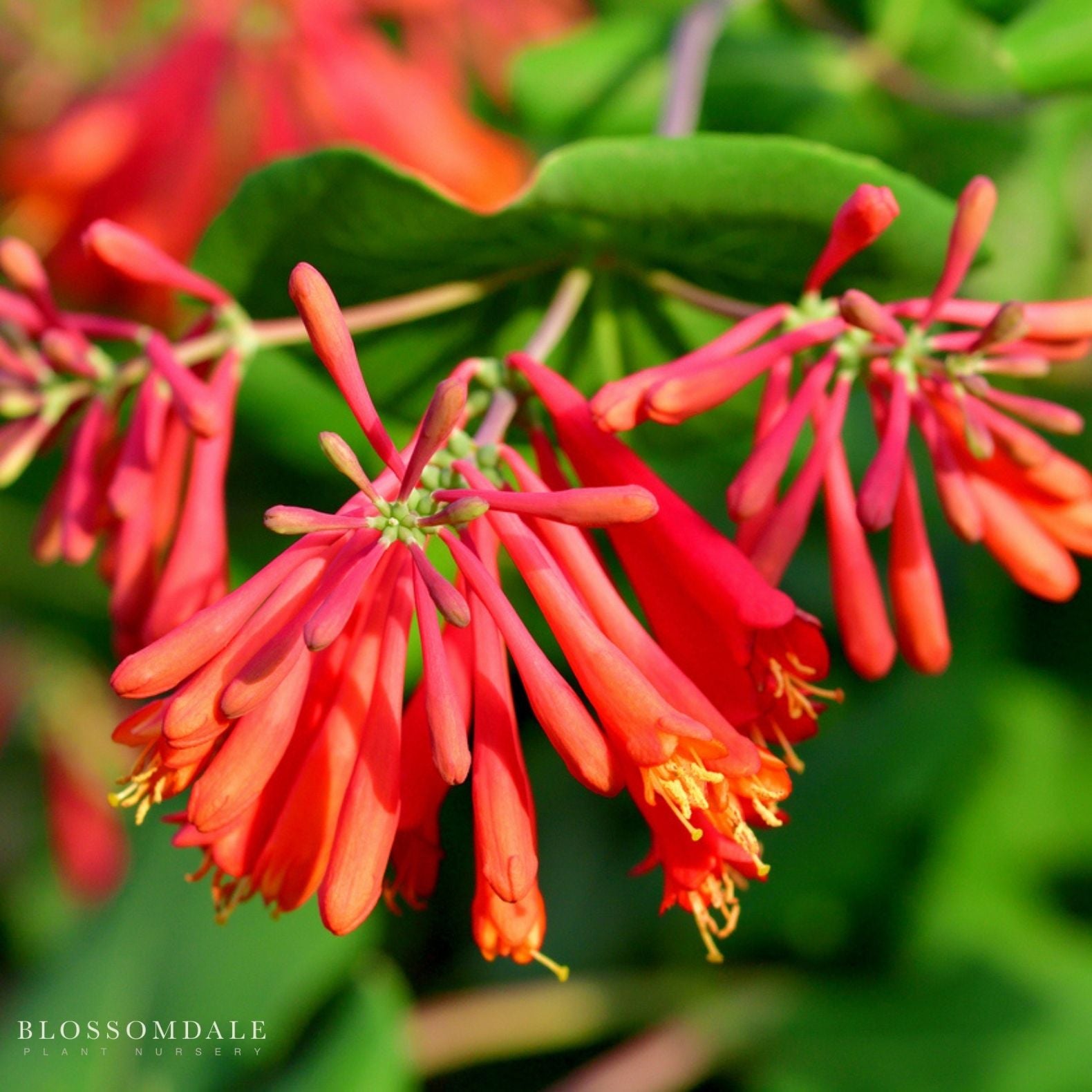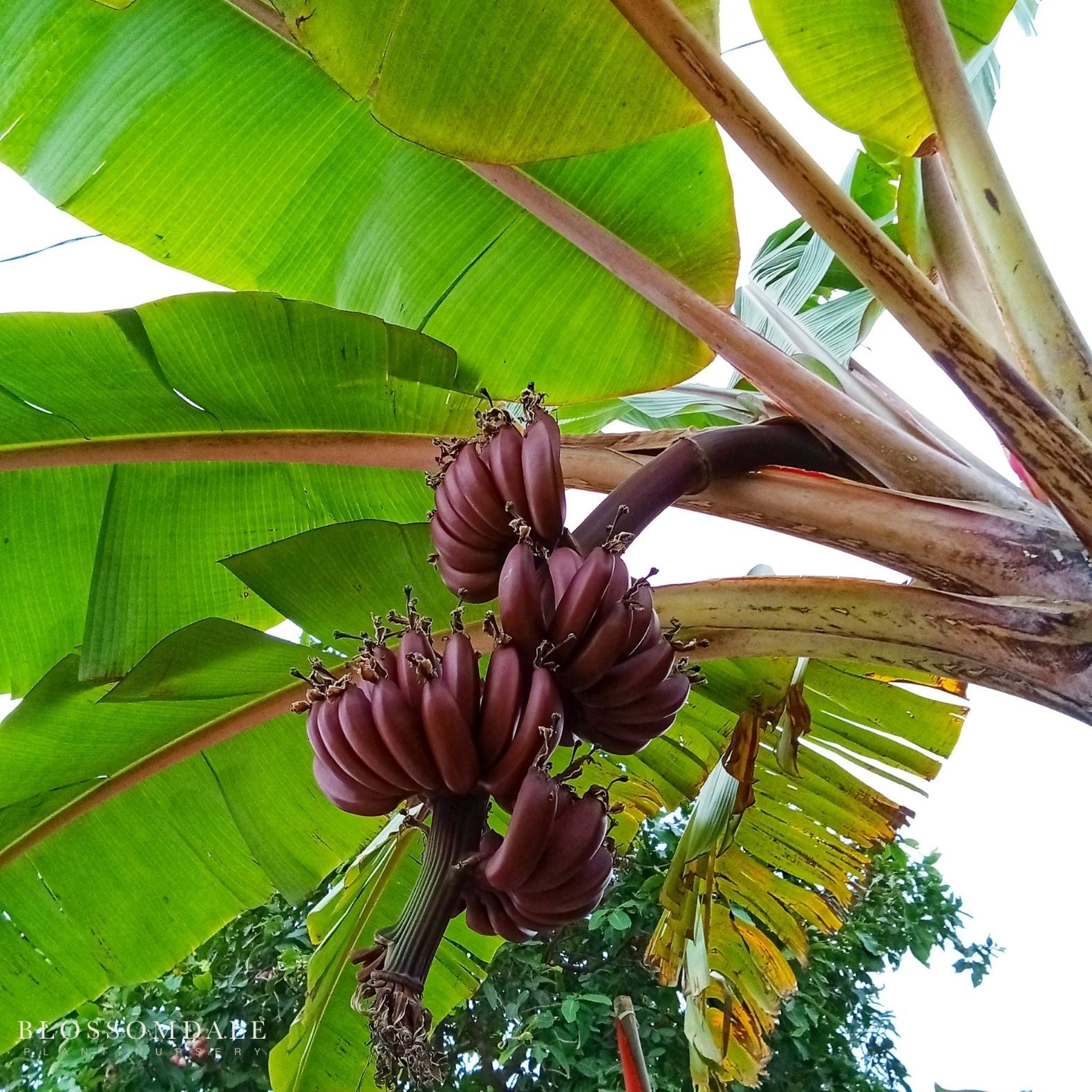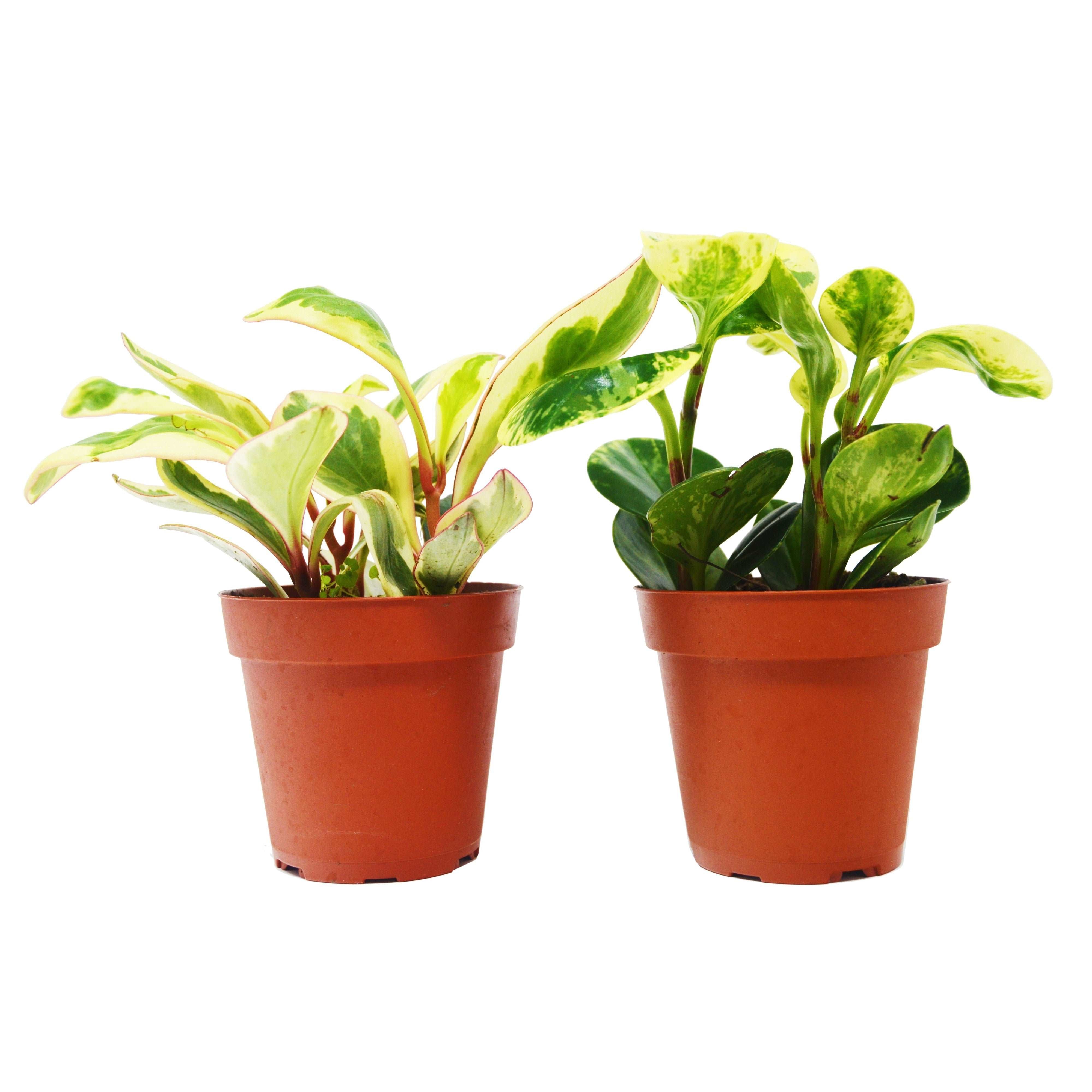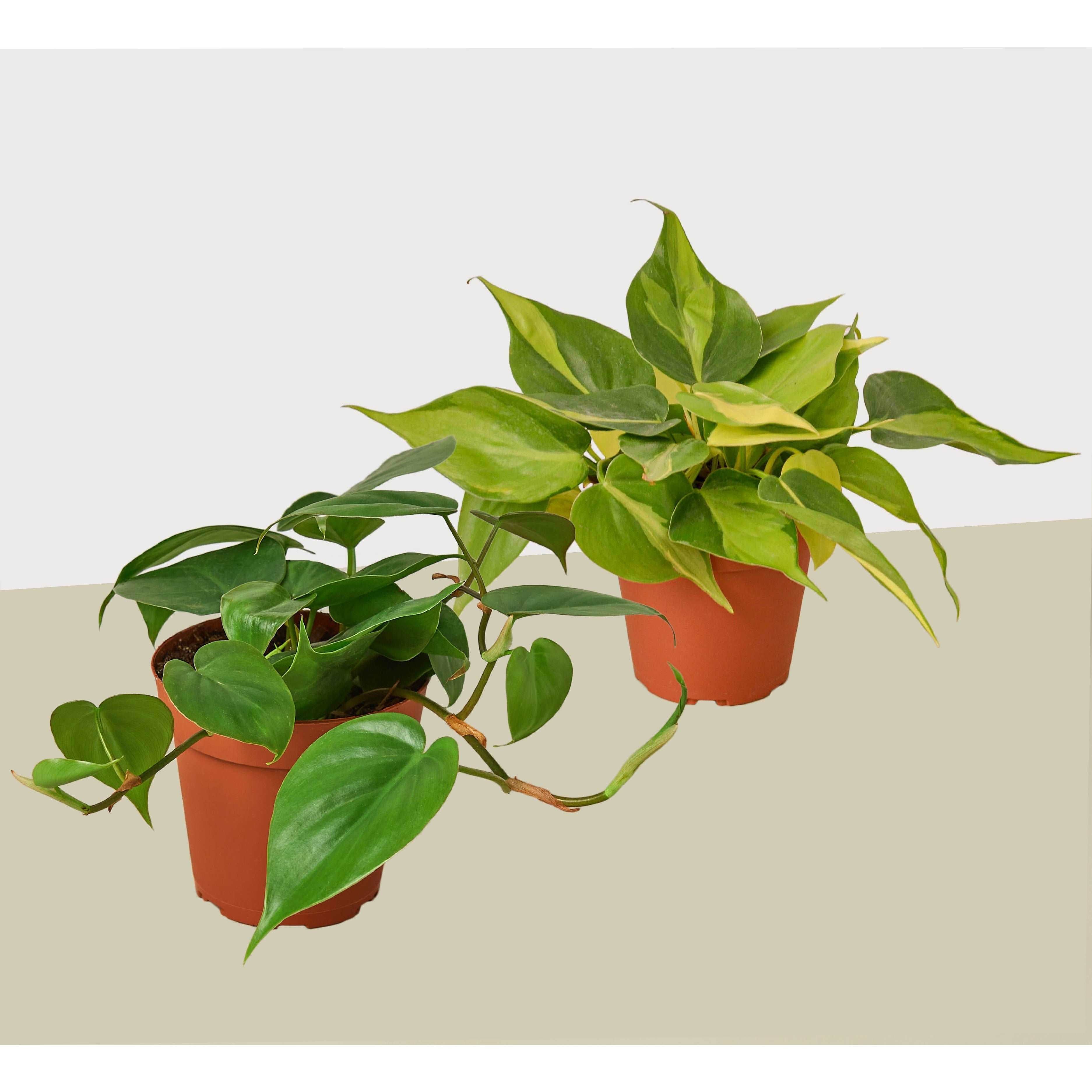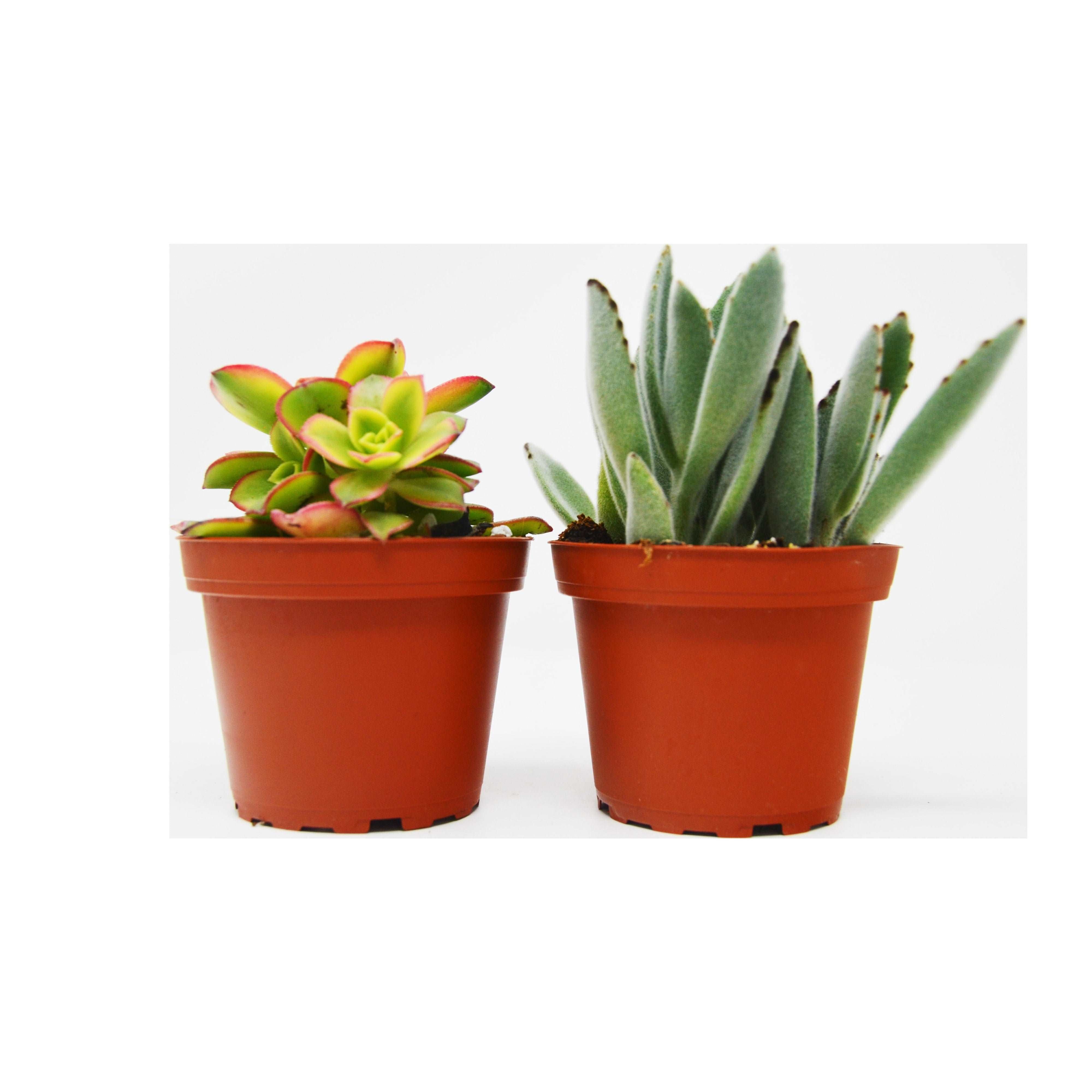



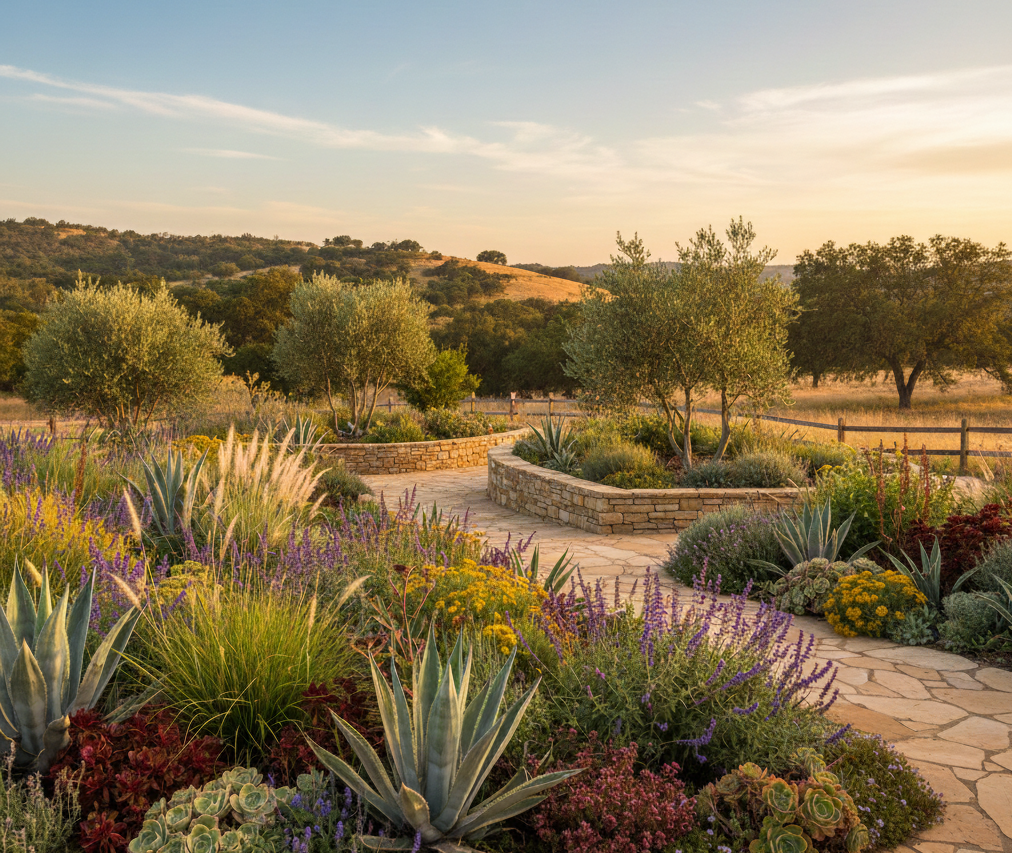
Designing a drought-tolerant garden doesn’t mean sacrificing beauty. By selecting the right plants, improving soil structure, and using smart irrigation, your garden can remain colorful, healthy, and sustainable year-round. Drought-wise landscaping also supports local ecosystems and reduces water bills.
Native Plants that Thrive in Low-Water Settings
Choosing native plants ensures resilience, low maintenance, and ecological support.
Which plants are best for water-wise gardens?
Native perennials like Echinacea, Black-eyed Susan, Coreopsis, Penstemon, and Butterfly Weed thrive with minimal irrigation, attract pollinators, and provide vibrant seasonal color. These species adapt to local soil and climate, making them ideal for both ornamental and habitat-focused gardens.
How do I choose native plants for a drought-resistant garden?
Select species suited to your USDA hardiness zone and soil type. Consulting local native plant societies helps identify varieties that establish quickly and require minimal supplemental watering.
Soil Improvement for Water Retention
Well-prepared soil retains moisture and nourishes plants, reducing watering needs.
What landscaping materials help conserve water?
Incorporate organic compost, aged mulch, and biochar to improve soil texture, increase water-holding capacity, and enrich nutrients. Mulching also suppresses weeds and stabilizes soil temperature.
How do I design a garden that uses minimal water?
Amend soil with compost, create raised beds or gentle slopes for better drainage, and cover bare soil with mulch or ground covers to reduce evaporation. Well-structured soil allows deeper root growth, improving drought resilience.
Efficient Irrigation Methods: Drip, Soaker Hoses & Rainwater Harvesting
Smart watering delivers moisture where plants need it most while preventing waste.
What are the best irrigation methods for dry climates?
Drip irrigation and soaker hoses target roots, reducing water loss from evaporation. Rainwater harvesting and rain barrels supplement municipal water while lowering costs and environmental impact.
How much water do drought-tolerant plants actually need?
Once established, most low-water plants thrive with deep, infrequent watering. Frequent shallow watering encourages weak root systems and can increase susceptibility to disease.
Xeriscaping Design Principles for Lush Gardens
Xeriscaping combines aesthetics with functionality to create colorful, low-water landscapes.
Can drought-tolerant gardens look lush and attractive?
Yes; through layering textures, using contrasting foliage, and staggering bloom times, you can achieve visual interest without high water demand.
How do I create a drought-tolerant garden?
Group plants by water needs, incorporate low-maintenance ground covers, and include pathways or gravel beds to reduce exposed soil. This reduces water waste and enhances overall design.
How to Choose Drought-Tolerant Shrubs, Grasses, and Perennials
Selecting the right species is crucial for long-term drought resilience.
Drought-resistant shrubs and perennials: which should I plant?
Lavender, Salvia, Artemisia, Ornamental Grasses, Echinacea, and Sedum are low-maintenance choices that offer texture, seasonal blooms, and ecological benefits.
Best water-wise plants for landscaping?
Opt for native or adapted plants that are hardy, pest-resistant, and suited to your soil. Mixing shrubs, perennials, and grasses improves structural interest and conserves water.
Seasonal Maintenance in Water-Wise Gardens
Proper care ensures a thriving landscape through heat, drought, and winter.
How do I maintain a low-water garden year-round?
Mulch before summer heat, prune spent blooms, winterize sensitive plants, and check soil moisture periodically. Deep watering during extended dry periods helps plants establish strong roots without encouraging disease.
Dealing with Pests, Diseases, and Weeds in Dry Landscapes
Even drought-tolerant gardens can face pests, fungal issues, and invasive weeds.
Can succulents and cacti be combined with other plants in a landscape?
Yes, but monitor for scale, spider mites, and fungal infections. Companion planting, organic treatments, and regular observation reduce risk without excess water.
How can I prevent weed competition in a drought garden?
Mulching, ground covers, and targeted weeding keep water for desired plants and reduce maintenance.
A drought-tolerant garden balances smart plant choices, soil health, and efficient watering. By following these principles, you can create a vibrant, low-maintenance landscape that conserves water, attracts wildlife, and flourishes in dry climates.