


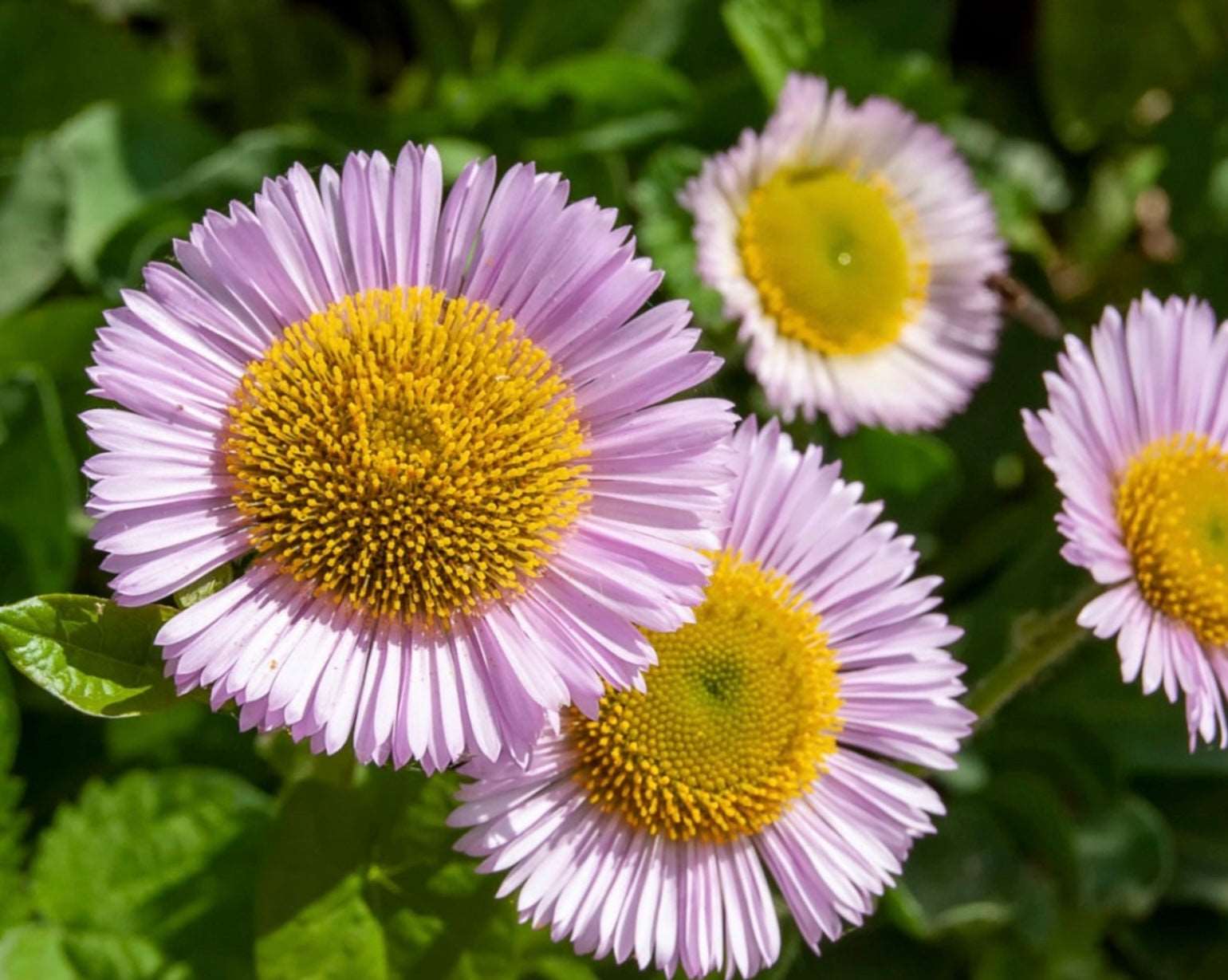
Erigeron karvinskianus, also called Mexican Daisy or Mexican Fleabane, is a hardy perennial valued for its long bloom period, cascading trailing habit, and versatility across borders, containers, and rockeries. Its small daisy-like flowers and ease of cultivation make it ideal for both beginner and experienced gardeners.
Color Transformations: Why Mexican Daisy Flowers Fade from White to Pink
The flowers of Erigeron karvinskianus transition from white to soft pink, creating dynamic seasonal interest in gardens.
Why do Mexican Daisy flowers change color?
Flower color shifts primarily with age; newly opened blooms are white and gradually develop pink or mauve tones as pigments mature. Environmental triggers such as sunlight exposure, temperature, and nutrient levels can subtly influence the pace and intensity of the change.
Does the color change affect pollinators?
No. The nectar remains accessible and attractive to pollinators throughout the bloom cycle, supporting insects even as petals shift in color. This makes it a reliable nectar source for bees, butterflies, and other pollinators.
Using Erigeron karvinskianus as Living Walls and Cracks: How It Softens Hardscapes
Its trailing, mat-forming habit allows Mexican Daisy to drape over walls, fill cracks between paving stones, and cascade from containers.
Can Mexican Daisy grow in wall cracks or between paving stones?
Yes. Thin stems can root in soil pockets or crevices, creating natural draping that softens hard surfaces while maintaining structural resilience. Its low height prevents obstruction, while stems spread horizontally, filling gaps without overwhelming surrounding plants.
How do I design it along walls or rocks?
Plant in sunny, well-draining locations and provide enough space for stems to cascade. For long-term health, prune lightly to remove dead or woody stems, and monitor for crowding to allow air circulation and reduce disease risk.
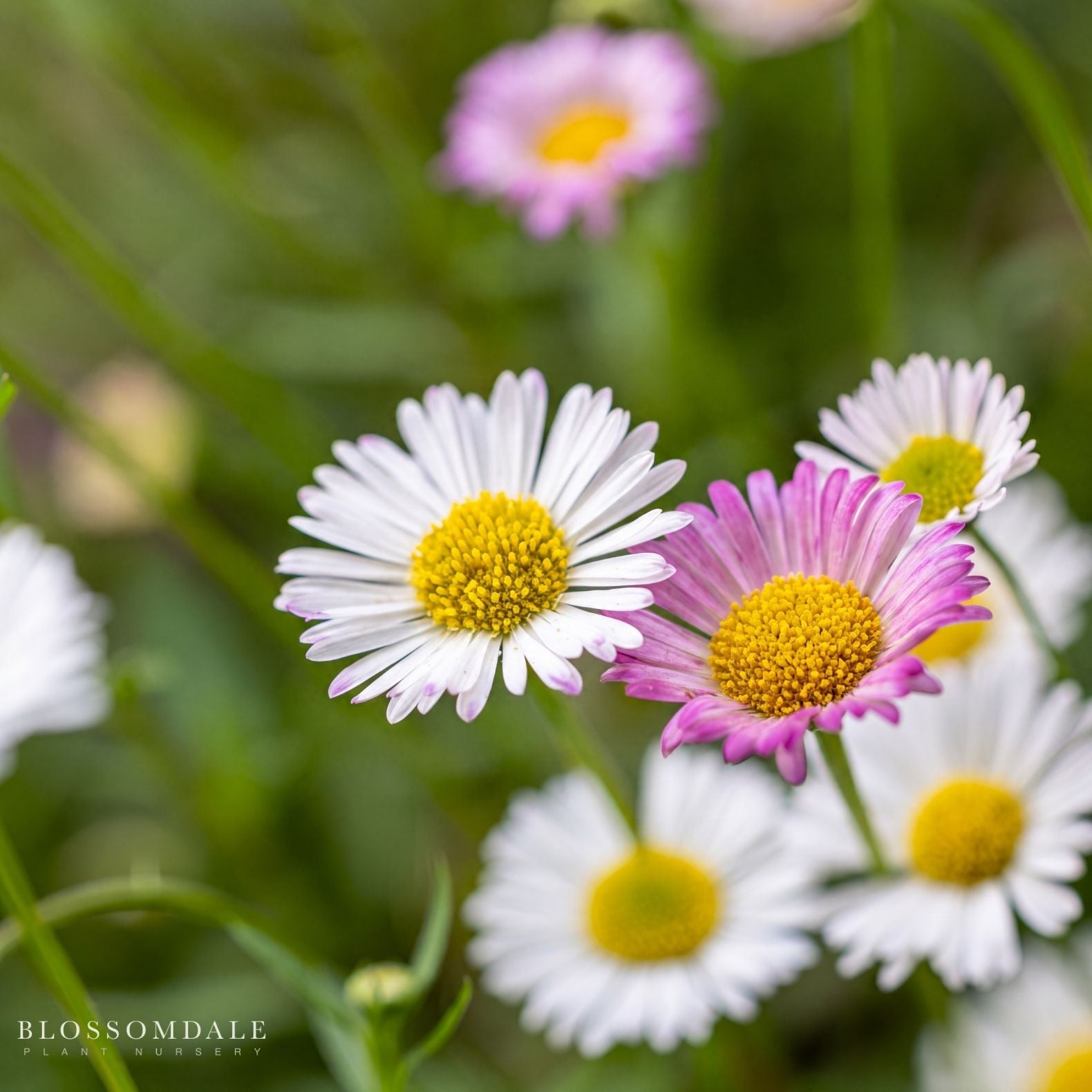

Erigeron Karvinskianus Fleabane ‘Santa Barbara/Mexican Daisy'
Self-Seeding Behavior: Benefits & When It Becomes Invasive
Mexican Daisy self-seeds freely, which can help fill garden areas naturally but may require management in contained spaces.
Is Mexican Daisy invasive?
Self-seeding is generally beneficial in garden beds or naturalized areas, ensuring continuous bloom coverage and groundcover. In mild climates or unmanaged areas, seedlings may sprout beyond intended boundaries, potentially outcompeting slower-growing plants.
How do I control unwanted spread?
Remove excess seedlings early, deadhead flowers before seed formation, or use physical barriers to contain spread. Dividing mature clumps can also prevent overcrowding and rejuvenate plants.
Container & Hanging Basket Uses: How to Make Santa Barbara Daisy Shine in Pots
Its trailing habit and continuous bloom make it ideal for container displays.
What potting mix is best?
A well-draining mix of garden loam, sand, and organic matter supports healthy root growth while preventing waterlogging.
How should I water in containers?
Keep the soil moist but avoid saturation; container plants dry more quickly than in-ground ones. Water when the top inch of soil feels dry and use a saucer or drip tray to avoid standing water.
How do I maintain blooms in pots?
Regular deadheading encourages prolonged flowering, while light pruning of trailing stems maintains shape. Fertilize sparingly in spring with a balanced slow-release fertilizer to support consistent bloom production.
Cold & Coastal Tolerance: Can Mexican Daisy Survive in Your Zone?
Erigeron karvinskianus is versatile across climates but thrives best in specific conditions.
What zones are suitable for Erigeron karvinskianus?
It is hardy in USDA zones 8–11. Frost may damage above-ground stems in colder areas, but roots often survive and produce new shoots in spring. Mulching can provide additional winter protection in borderline zones.
Is it salt and wind tolerant?
Yes. It tolerates coastal wind, moderate salt spray, and exposed sites, making it suitable for seaside gardens. Well-draining soil and partial protection from extreme wind improve performance.
Wildlife Contribution: Butterflies, Bees & Mexican Daisy’s Role in Supporting Insects
Mexican Daisy is valuable in pollinator gardens and wildlife-friendly landscaping.
Does it attract pollinators?
Yes. Its small, nectar-rich flowers support bees, butterflies, and other insects. Blooming from spring through late fall in many climates ensures a continuous food source.
How can I maximize wildlife benefits?
Plant in full sun for optimal nectar production, cluster multiple plants for extended bloom coverage, and avoid pesticide use. Mixed plantings with complementary nectar sources encourage more diverse pollinator activity.
Maintaining Health: Pruning, Deadheading, and Rejuvenation
Regular care keeps the plant vigorous and blooming over multiple seasons.
When should I prune or deadhead?
Deadhead spent flowers throughout the growing season to maintain bloom quantity and quality. Prune lightly after flowering to remove woody or leggy stems and encourage a denser habit.
Can I rejuvenate older plants?
Yes. Divide crowded clumps in early spring or late fall to rejuvenate growth, stimulate flowering, and manage spread. Replant divisions in well-draining soil for optimal establishment.
Cost & Value: Why Mexican Daisy Is High Impact for Low Maintenance Gardens
Erigeron karvinskianus provides aesthetic and ecological benefits with minimal effort.
Is it low-maintenance?
Yes. Once established, it requires little water, tolerates poor soils, and naturally fills gaps through self-seeding.
Why is it considered high impact?
Its long flowering season, dynamic color shifts, trailing habit for softening hardscapes, and pollinator support deliver both visual and ecological benefits without intensive maintenance. Gardeners gain high aesthetic and functional value relative to its cost and care requirements.