


Blogs

Best Shrubs for Edible Landscaping: Fruit Bushes, Herbs, and Low-Maintenance Picks
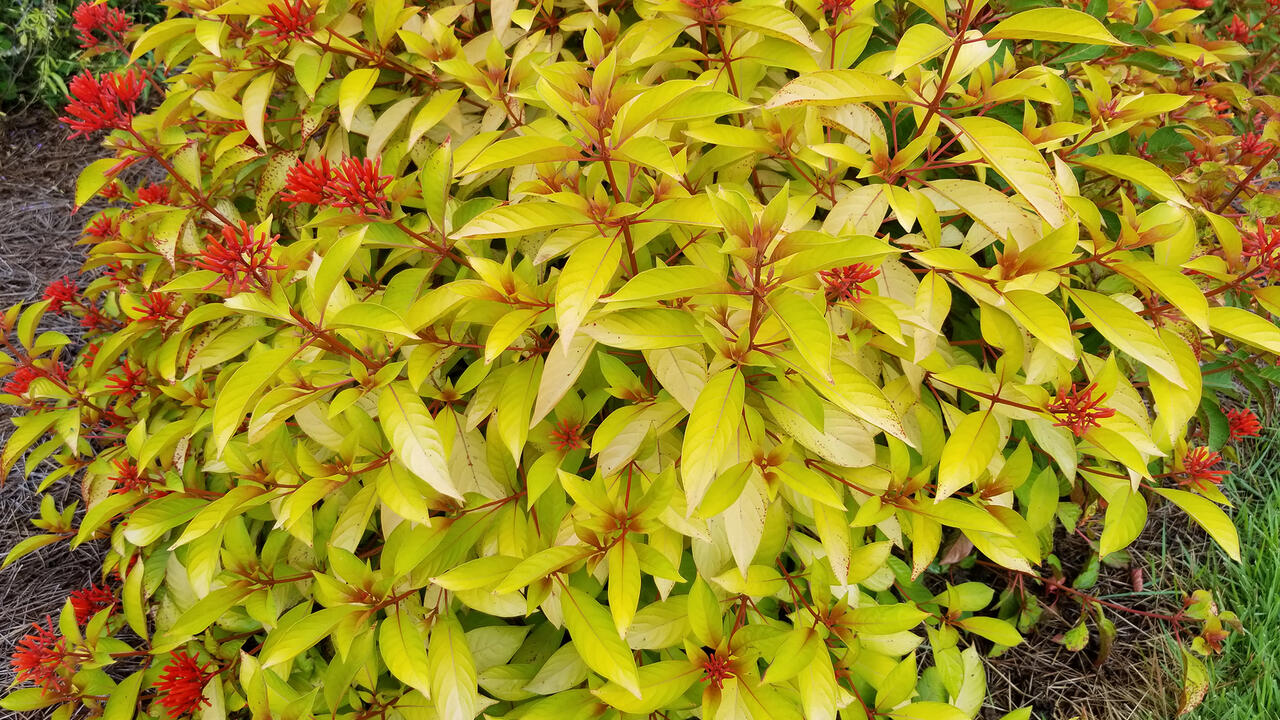
Edible landscaping becomes easier to manage when edible shrubs take on a central role. These plants create structure, fill space, and produce food without the constant upkeep of seasonal crops. Typical size: 2–6 ft Fruit in: 1–3 seasons Maintenance: Low once established FRUITING SHRUBS WOODY HERBS CANE BERRIES LOW ROSETTES The middle layer of a garden: structure, food, and form in one planting Instead of separating ornamental and edible plants, shrubs allow both to exist in the same space. From fruit-bearing bushes to woody herbs and tropical edibles, these plants form the middle layer of a garden. When used intentionally, they help create a layout that looks complete while staying productive throughout the year. Edible Shrubs to Consider for Landscaping These plants work well in edible landscaping because they stay at a manageable size, produce usable harvests, and help define the structure of a garden. Some are naturally shrubby, while others can be maintained in shrub form with pruning. 01Blueberry Bushes Blueberries are compact, woody shrubs that naturally grow in a rounded form, typically reaching 3 to 6 feet tall and wide depending on the variety. They have shallow root systems and dense branching, which allows them to function well as borders or low hedges. Beyond fruit production, they offer strong seasonal interest, with spring flowers and foliage that can turn red or orange in cooler conditions. Care tip: They require acidic soil (around pH 4.5–5.5) to grow well. Keep the soil consistently moist but not waterlogged, and use mulch to protect their shallow roots. [productList] 02Blackberry Bushes Blackberries grow through arching or trailing canes that can be managed into a shrub-like form. When pruned and supported, they can be kept contained while still producing heavily. Their dense growth makes them useful for informal barriers or filling larger spaces. Care tip: Train canes along a trellis or keep them pruned to maintain shape. Remove canes that have already fruited to make room for new growth. [productList] 03Raspberry Plants Raspberries produce upright canes that emerge from the base each season, giving them a more controlled and vertical form than blackberries. Most varieties grow around 3 to 5 feet tall and spread gradually through underground runners, making them reliable for repeated harvests. Care tip: Cut back old canes after fruiting and thin new growth to prevent crowding. Good airflow helps reduce disease issues. [productList] 04Rosemary Rosemary is a woody evergreen shrub that can grow anywhere from 2 to 5 feet tall depending on how it is maintained. It has needle-like leaves and a dense branching habit, which allows it to be shaped into hedges or left more natural. Its structure stays consistent throughout the year. Care tip: It prefers dry conditions and well-draining soil. Avoid overwatering, and trim regularly to keep it compact and prevent it from becoming too woody. 05Sage Varieties Sage forms a softer, semi-woody shrub that usually grows between 1 to 3 feet tall. Its leaves are broad, slightly fuzzy, and aromatic. Compared to rosemary, it has a looser growth habit, which makes it useful for filling in spaces without creating a rigid structure. Care tip: Plant in well-draining soil and avoid excess moisture. Prune lightly to maintain shape and encourage new growth. [productList] 06Guava Guava is naturally a small tree but can be pruned into a dense shrub that stays within 6 to 10 feet or smaller depending on maintenance. Its fuller canopy gives it more visual weight, making it useful as a focal plant while still producing fruit. Care tip: Regular pruning helps control size and encourages branching. It prefers warm conditions and consistent sunlight for best fruit production. 07Pineapple Pineapple is a low-growing, herbaceous plant that forms a tight rosette of stiff, pointed leaves, usually staying under 3 feet tall and wide. While not a true shrub, it is often used like one in garden design due to its compact form and strong structure. It produces a single fruit from the center of the plant. Care tip: Use well-draining soil and avoid excess water. It thrives in warm temperatures and benefits from occasional feeding during active growth. Quick Reference Typical mature size2–6 ft tall and wide Fastest to fruitRaspberries, blackberries Slowest to fruitBlueberries, 2–3 years Best for warm climatesGuava, pineapple, rosemary Common Questions About Edible Landscaping Shrubs Here's a refined version of those sections. It keeps the answers broad and authoritative, while lightly anchoring to the specific plant types you're featuring without sounding promotional. What are the best shrubs for edible landscaping? The best edible shrubs are those that combine structure, manageable growth, and consistent harvests. Berry-producing shrubs are among the most widely used because they naturally form dense plants while yielding fruit seasonally. Woody herbs also work well, especially those that hold their shape and provide year-round presence in a garden. In warmer regions, certain fruiting plants can be maintained in shrub form, adding both height and productivity. A mix of these plant types helps create a balanced and layered edible landscape. Which fruit bushes are easiest to grow for beginners? Fruit bushes that establish quickly and adapt to a range of conditions tend to be the easiest for beginners. Cane-growing berries are often the most forgiving, as they regenerate regularly and produce reliably with basic care. Bush-form berries are also popular, though some may require more specific soil conditions to perform well. Starting with a few well-spaced plants and focusing on simple pruning and watering routines usually leads to steady results. What edible shrubs grow well in warm climates? Warm climates support a wider range of edible shrubs, including both drought-tolerant herbs and fruiting plants that thrive in heat. Shrubs that can handle longer growing seasons tend to produce more consistently and require less intervention once established. In these conditions, it is common to combine hardy, low-water shrubs with more tropical fruiting varieties to create contrast in both form and function. Proper drainage and sun exposure remain key factors for long-term success. What edible shrubs grow well in small gardens? In smaller spaces, edible shrubs that respond well to pruning and stay naturally compact are the most practical. Plants with controlled growth habits can be shaped to fit borders, containers, or narrow planting beds without overwhelming the layout. Layering different shrub types, from low-growing herbs to slightly taller fruiting plants, helps maximize space while maintaining a clean and intentional design. Are edible shrubs low maintenance? Most edible shrubs become low maintenance once established. During their first growing season, they require regular watering and care, but over time they need only occasional pruning and basic upkeep. How often should you water edible shrubs? Watering depends on the plant type and climate. Most edible shrubs benefit from deep watering, while fruiting shrubs like berries prefer consistent moisture during active growth. Once established, many can tolerate less frequent watering. How big do edible shrubs get? Most edible shrubs grow between 2 to 6 feet tall and wide, depending on the variety and pruning. Some plants can grow larger if left unmaintained, but they are typically kept within this range in landscape settings. How long do edible shrubs take to produce fruit? Many edible shrubs begin producing within one to two growing seasons. Raspberries and blackberries often fruit quickly, while blueberries may take two to three years to reach full production. Do edible shrubs produce every year? Most perennial edible shrubs produce annually once established. Yields often increase as the plant matures and becomes more established in its environment. Want This in Your Own Garden? If patience isn't part of the plan, we've got plants ready to plant today — browse the full collection. Browse Our Edible Plant
Learn more