


Blogs

Katuk Sweet Leaf (Sauropus androgynus): Complete Guide to Growing, Uses, and Benefits
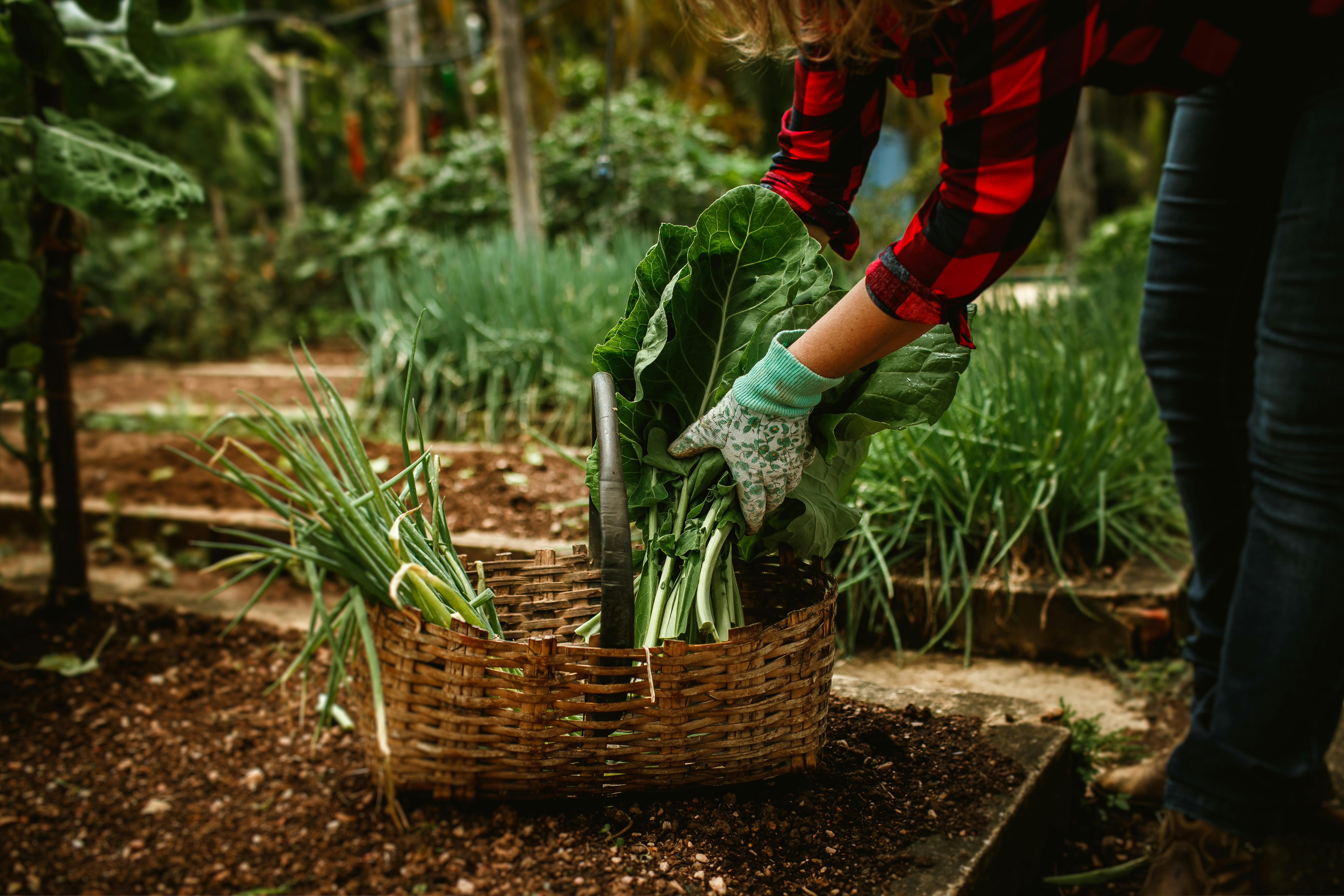
Katuk, also known as sweet leaf or Sauropus androgynus, is a fast-growing perennial leafy vegetable native to Southeast Asia. Valued for its tender leaves, subtle sweetness, and high nutritional content, Katuk has earned a spot in tropical gardens and kitchens across the region. This guide explores how Katuk compares to other perennial greens, how to grow it at home, its health benefits, culinary uses, and safety considerations. [productList] 1. Katuk vs Other Perennial Leafy Greens Katuk stands out in the tropical leafy green family for its rapid growth, tender leaves, and subtle sweet flavor. Compared to Moringa (drumstick tree), Katuk grows best in shaded, humid environments rather than dry, sunny conditions. Moringa leaves, while highly nutritious, have a slightly fibrous texture, whereas Katuk’s leaves remain soft even on mature plants, making them ideal for salads and quick stir-fries. Chaya, another perennial green, shares Katuk’s resilience but comes with a catch: its raw leaves contain toxic compounds and must always be cooked. Katuk, on the other hand, can be safely eaten raw in moderation, which makes it more versatile for fresh culinary applications. Okinawa spinach (Gynura crepioides) offers a similar leafy texture and mild taste, but its slower growth and lower leaf yield make it less practical for home gardeners seeking continuous harvests. Positioning Katuk alongside these greens highlights its strengths: a fast-growing, nutrient-dense perennial suitable for both cooking and raw preparations, while providing gardeners and food enthusiasts clear guidance for selection based on climate, culinary use, and harvest goals. 2. How to Grow Katuk Sweet Leaf in Home Gardens Growing Katuk at home is surprisingly simple if its basic needs are met. The plant prefers rich, well-draining soil and a location with partial shade. Full sun can stress the leaves and reduce flavor, while deep shade may slow growth. Katuk responds well to pruning, which encourages bushier growth and more harvestable leaves. Propagation is most successful through cuttings, planted in moist soil. Regular watering, occasional fertilization, and monitoring for pests like aphids or caterpillars will keep your Katuk thriving year-round. With proper care, a single plant can provide a steady supply of leaves for months. 3. Nutritional Value & Medicinal Uses of Katuk With its rich nutritional profile, Katuk is often celebrated as a tropical superfood. One cup of fresh leaves provides high levels of protein, iron, calcium, and vitamins A, C, and E. These nutrients support immune function, eye health, and bone strength. The leaves are also a source of antioxidants, which combat free radicals and promote overall wellness. Beyond nutrition, Katuk has traditional medicinal uses. In Southeast Asia, it is used to support lactation, boost energy, and soothe mild digestive issues. Some herbalists also employ Katuk for its anti-inflammatory and blood-sugar-regulating properties. Appreciating Katuk’s health perks requires a measure of caution. While it can be safely incorporated into daily meals, excessive raw consumption has been associated with rare respiratory issues. Cooking the leaves not only enhances digestibility but also preserves most of the key nutrients, making stir-fries, soups, and sautés the safest and most beneficial ways to enjoy Katuk. 4. Katuk Recipes & Culinary Uses Across Asia Culinary traditions across Southeast Asia showcase Katuk’s versatility. In Indonesia, it’s often stir-fried with garlic and chilies for a fragrant side dish. Malaysian soups and broths feature Katuk leaves for added nutrition and texture, while in the Philippines, they are incorporated into fresh salads, omelets, or simply sautéed as a healthy accompaniment. Experimenting with Katuk in different recipes not only highlights its delicate flavor but also strengthens appreciation for its cultural significance across Asian cuisines. 5. Katuk Safety: Health Benefits vs Potential Risks Katuk’s nutritional profile is impressive, but history reminds us that moderation matters. In the early 1990s, Taiwan experienced cases of bronchiolitis linked to excessive raw consumption of Katuk leaves. The underlying cause is believed to be compounds in the raw leaves that can become harmful in large amounts. Fortunately, proper preparation dramatically reduces risk. Cooking Katuk neutralizes these compounds, making it safe for daily consumption. Experts also recommend rotating it with other leafy greens in the diet and avoiding large amounts of raw leaves, particularly for vulnerable groups such as infants or those with pre-existing respiratory conditions. By addressing both benefits and risks, home gardeners and culinary enthusiasts can enjoy Katuk with confidence. This balanced perspective strengthens credibility, ensuring readers see the plant not just as a “superfood,” but as a practical, culturally rich, and safely consumable ingredient. Conclusion Katuk Sweet Leaf is more than a nutritious perennial green—it’s a culinary and cultural treasure with practical gardening appeal. Understanding how it compares to other tropical greens, growing it properly, appreciating its health benefits, and respecting its safety guidelines creates a well-rounded foundation for enjoying this remarkable plant.
Learn more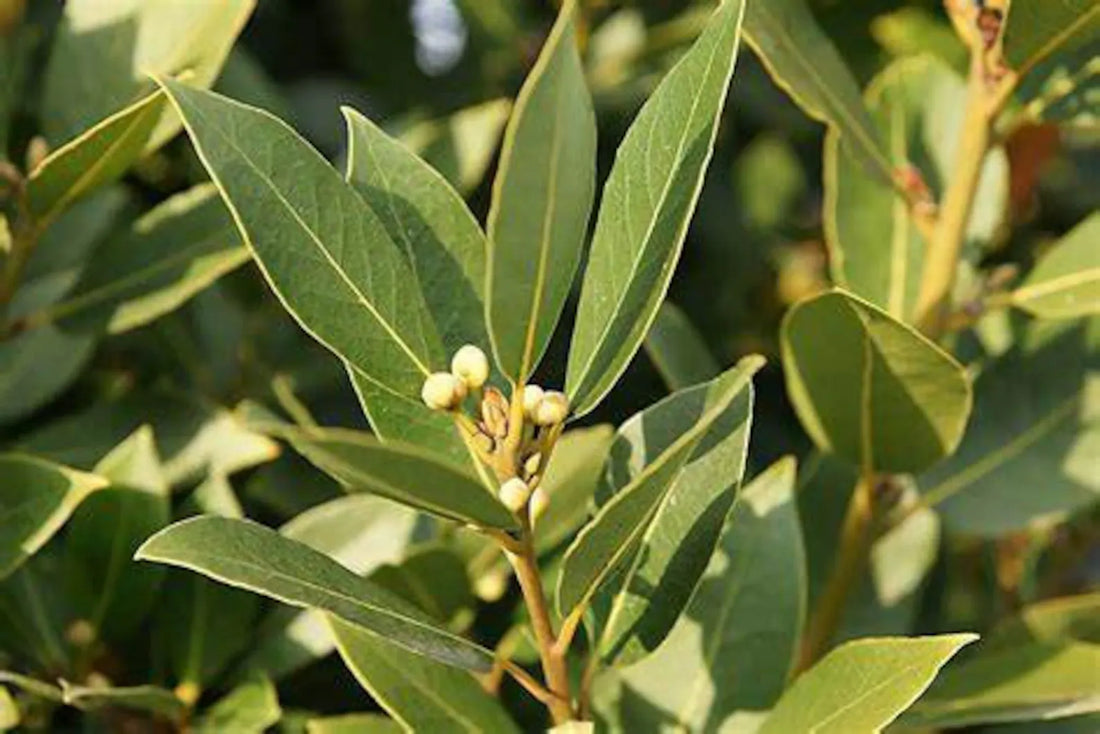
Bay Leaf Laurus nobilis Bay Laurel Sweet Bay Tree
Bay Leaf Laurus nobilis Bay Laurel Sweet Bay TreeSweet Laurel Bay Leaf is a useful addition in a herb garden and makes a great privacy hedge plant. It is an evergreen shrub that is native to the Mediterranean. The leaves are aromatic and are frequently used in soups and pasta. Sweet Bay is fairly easy to grow and does best in full sun to partial shade. Well draining soil is best for this plant, and it needs to be protected form freezing weather. Sweet Bay makes a great landscape plant, because it can pruned into a topiary and also used as a decorative hedge.
Learn more