


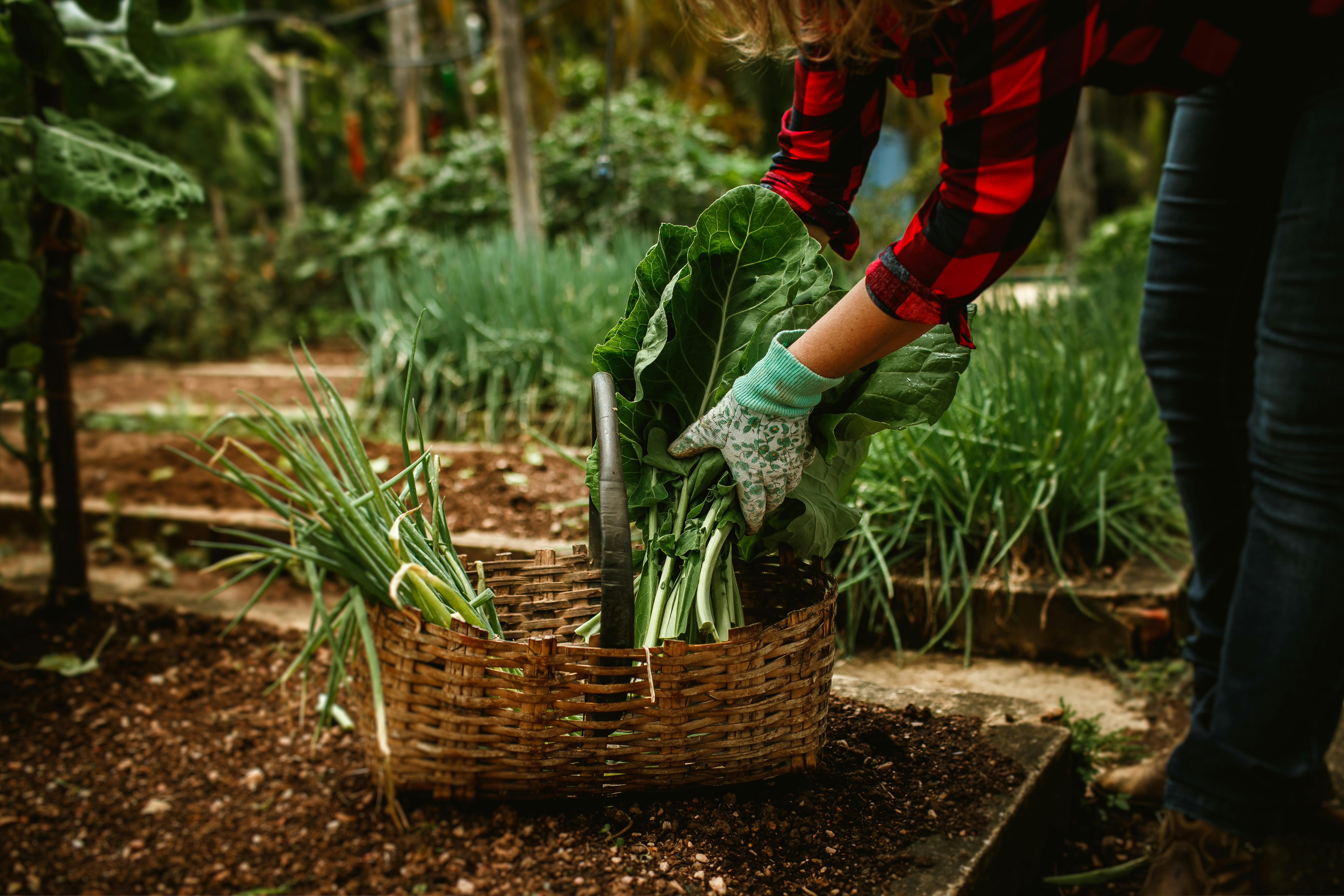
Edible landscaping is the art of combining beauty and productivity in your garden. By incorporating fruits, vegetables, and herbs into visually appealing designs, you can create a sustainable, low-maintenance, and nutritious outdoor space. From small patios to larger yards, edible landscaping provides food, supports pollinators, and reduces grocery costs while enhancing your property’s charm.
Best Edible Plants for Small Spaces
Maximizing limited space requires choosing compact, high-yield plants that thrive in containers or tight garden beds.
What are some edible landscaping ideas for small yards?
Small spaces can still be productive. Herbs like basil, rosemary, and thyme are ideal for containers or window boxes, while dwarf fruit trees, strawberries, and compact leafy greens can flourish in raised beds or vertical planters.
What are the easiest plants to grow for edible landscaping?
Fast-growing herbs (basil, mint), salad greens (lettuce, arugula), and small berries (strawberries, blueberries in containers) are beginner-friendly and rewarding.
Can edible landscaping work in small spaces?
Yes. Strategic vertical gardening, container planting, and dwarf varieties make it possible to enjoy fresh produce even in urban yards or balconies.


Soil Health & Composting Tips for Edible Gardens
Healthy soil is the foundation of a thriving edible landscape. Nutrient-rich, well-draining soil encourages strong growth and higher yields.
What Are Sustainable Gardening Tips for Growing Edible Plants?
Improve soil health by incorporating compost, aged manure, and organic mulch to boost fertility and soil structure. Rotate crops regularly and include nitrogen-fixing plants like peas to support long-term soil health and reduce nutrient depletion.
How Does Companion Planting Benefit Edible Landscapes?
Companion planting pairs compatible crops to reduce pests, encourage healthy growth, and improve yields. For example, planting basil near tomatoes can enhance flavor while naturally deterring common insects.
How do I maintain an edible landscape with minimal effort?
Regular mulching, strategic crop rotation, and using perennial edibles reduce maintenance while sustaining soil nutrients.
How do I use companion planting in an edible garden?
Interplant herbs, flowers, and vegetables with natural pest-repelling qualities to boost productivity and garden health.


Planning Your Edible Landscape for Year-Round Harvest
Designing with seasonal crops ensures you have fresh produce throughout the year.
How Do You Create an Edible Landscape at Home?
An edible landscape combines design and productivity by planning planting schedules for cool- and warm-season crops. Staggered sowing extends harvest periods, while perennials such as asparagus, rhubarb, and berry bushes provide reliable, long-term food sources.
How Can You Integrate Herbs Into Garden Design?
Herbs like oregano, thyme, and lavender can be woven into flower beds and borders to add fragrance, visual interest, and practical value. This approach supports pollinators while keeping culinary herbs easily accessible.
Which fruits, vegetables, and herbs are best for sustainable gardening?
Choose regionally adapted varieties, low-water crops, and perennials. Strawberries, kale, Swiss chard, dwarf citrus, and culinary herbs thrive in most climates and support a continuous harvest.
How do I combine aesthetics and productivity in an edible garden?
Layer plants by height, color, and texture. Use trellises for climbing crops, borders for low-growing herbs, and intersperse ornamentals to create visual appeal while maintaining functionality.


Cost vs. Yield: Calculating the Economics of Growing Your Own Food
Edible landscaping is not only environmentally smart but financially rewarding.
Is Edible Landscaping Budget-Friendly?
Edible landscaping can be started affordably using seeds, small plants, or containers. Over time, growing your own vegetables and herbs helps lower grocery costs, making it a cost-effective long-term garden approach.
How much does it cost to start an edible landscape?
A basic garden with raised beds, soil amendments, and starter plants may cost a few hundred dollars, but the return on investment comes through reduced food expenses and year-round harvests.
Sustainability Practices in Edible Landscaping
Integrating eco-friendly practices amplifies the benefits of edible landscaping for both your garden and the environment.
What Are the Health and Environmental Benefits of Edible Landscaping?
Edible landscapes support personal health by providing fresh, nutrient-rich produce and benefit the environment by reducing food transportation emissions. They also encourage organic growing practices and support pollinators such as bees and butterflies.
What is edible landscaping and why is it beneficial?
It blends aesthetics with sustainability, providing food, enhancing biodiversity, and creating a resilient ecosystem in your own backyard.


Design Tips: Blending Ornamentals with Edibles for Beauty and Function
A thoughtfully designed edible garden combines flowers and edibles for year-round visual interest and productivity.
How Do You Design an Aesthetically Pleasing Edible Garden?
An attractive edible garden blends flowering plants like marigolds, nasturtiums, or lavender with vegetables and herbs. Using color, height variation, and layered planting creates visual balance while attracting beneficial insects and pollinators.
How do I combine aesthetics and productivity in an edible garden?
Prioritize plant placement for sun, bloom timing, and complementary colors. Consider vertical structures, borders, and container arrangements to maximize both visual appeal and yield.