


Prickly pear cactus (Opuntia spp.) is a versatile and hardy cactus known for its flat pads and sweet fruit. From its health benefits to culinary uses, this cactus is a favorite for gardeners, chefs, and wellness enthusiasts alike.
What is a prickly pear cactus?
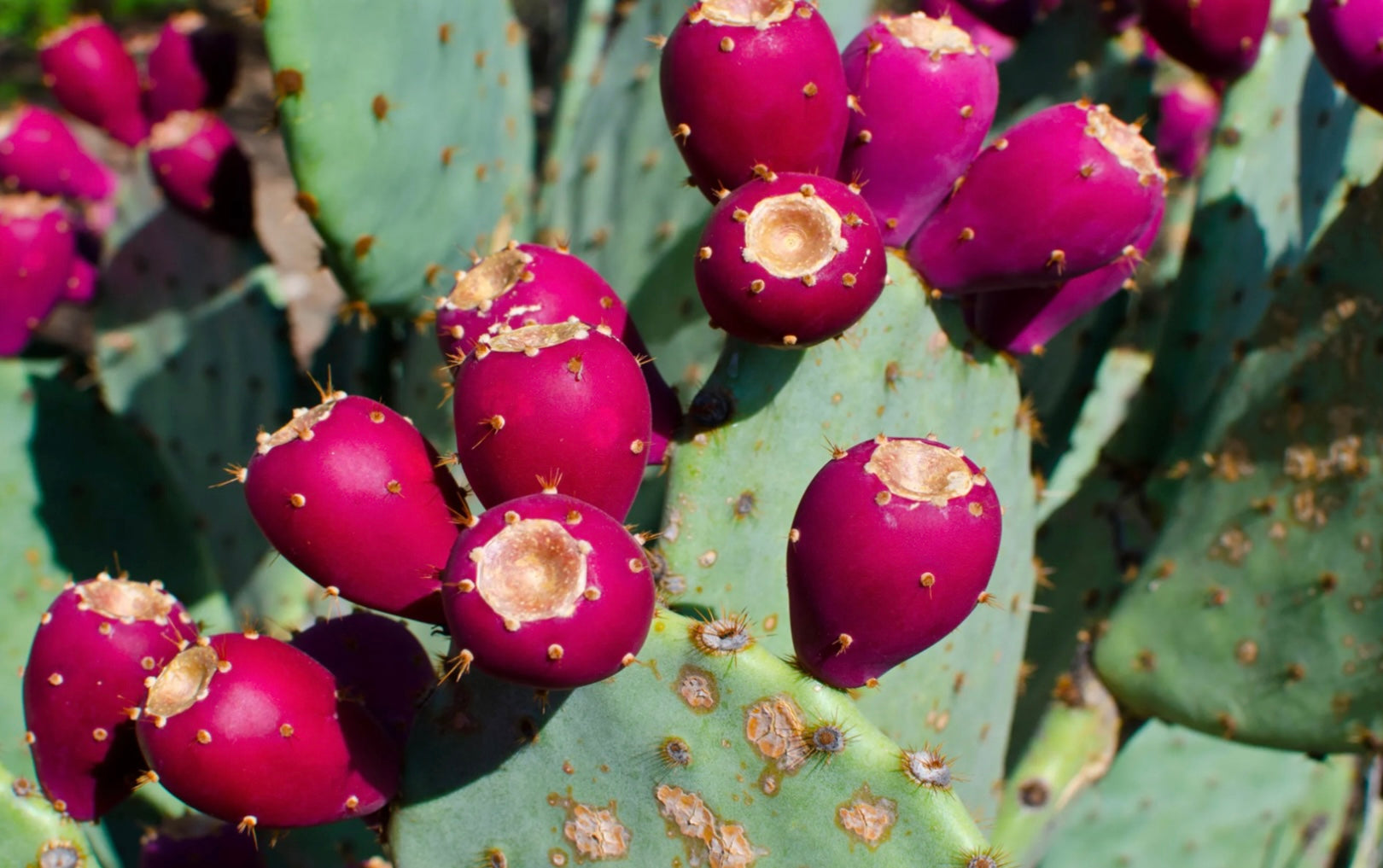
A prickly pear cactus is a succulent plant with flat, paddle-like pads and bright, edible fruits called “tunas.” It belongs to the genus Opuntia and thrives in arid and semi-arid regions.
How do you identify a prickly pear cactus?
Look for flat, green pads covered in small clusters of spines called glochids, bright yellow or red flowers, and oval fruits. Proper identification ensures safe harvesting and prevents confusion with other spiny plants.
What are the types of prickly pear cactus?
There are dozens of Opuntia species, including Opuntia ficus-indica (Indian fig), Opuntia engelmannii (Engelmann’s), and dwarf varieties suitable for containers. Each type differs in size, pad shape, and fruit color.
How big do prickly pear cactus plants get?
Depending on the species, prickly pear cactus can reach 3–16 feet in height, with pads spreading several feet wide in mature plants.
Growing Prickly Pear Cactus from Seeds and Cuttings
How do you grow prickly pear cactus?
Prickly pear cactus grows best in full sun with well-draining soil. Plant pads directly in sandy soil or use a raised bed to prevent root rot.
How do you grow prickly pear cactus from seeds?
Collect seeds from ripe fruits, clean, dry, and sow them in sandy soil. Germination can take 2–8 weeks depending on temperature and moisture.
How do you propagate prickly pear cactus?
Prickly pear cactus propagates easily from pads. Cut a healthy pad, let it dry for several days to form a callus, then plant in well-draining soil.
Cold Climate and Environmental Tolerance
Can prickly pear cactus survive cold climates?
Some species tolerate light frost, but most prefer USDA zones 8–11.
How do you protect prickly pear cactus from frost?
Cover plants with frost cloths, mulch heavily, or move container plants indoors during freezing temperatures.
What is the minimum temperature prickly pear cactus can tolerate?
Most tolerate down to 20–25°F (-6 to -4°C) briefly, but prolonged exposure will damage pads and reduce fruiting.
Prickly Pear Cactus Care and Maintenance
How do you care for a prickly pear cactus?
Water sparingly, provide full sun, and avoid over-fertilizing. Remove dead pads and protect from frost in colder climates.
How do you protect prickly pear cactus from pests and diseases?
Watch for scale insects and fungal infections. Prune affected pads and use organic insecticidal sprays when necessary.
Prickly Pear Cactus Fruiting and Harvesting
Are prickly pear cactus pads edible?
Yes, pads (called nopales) are edible once spines are carefully removed. They can be grilled, boiled, or used in salads.
Are prickly pear cactus fruits safe to eat?
Yes, the fruit is sweet and nutritious. Peel carefully to remove spines before consumption.
How do you harvest prickly pear cactus fruit?
Use tongs or gloves to pick ripe fruits, which are firm and slightly soft at the tip. Handle with care to avoid glochids.
How long does it take for prickly pear cactus to bear fruit?
Most species produce fruit 1–2 years after planting mature pads, with full yields in 3–5 years.
Do prickly pear cactus flowers bloom every year?
Yes, with proper care, they produce vibrant blooms annually, usually in late spring or early summer.
Culinary Uses and Recipes for Prickly Pear Cactus
How do you prepare prickly pear cactus for recipes?
Remove spines from pads and peel fruits carefully. Pads can be sautéed, grilled, or added to stews, while fruits can be juiced, made into jams, or eaten fresh.
What are some easy prickly pear cactus recipes?
Try nopales salad, prickly pear smoothies, jams, or cactus tacos for simple, healthy dishes.
Can you eat prickly pear cactus raw?
Yes, both pads and fruits can be eaten raw after proper cleaning, though pads are often blanched to reduce sliminess.
Health Benefits and Nutritional Value of Prickly Pear Cactus
What are the health benefits of prickly pear cactus?
Prickly pear cactus benefits include blood sugar regulation, antioxidant support, anti-inflammatory properties, and high fiber content.
Is prickly pear cactus good for diabetes?
Yes, studies show it may help lower blood sugar levels in type 2 diabetes when consumed regularly.
Does prickly pear cactus help with inflammation?
Yes, antioxidants in both pads and fruit help reduce inflammation and oxidative stress.
Container and Indoor Growth of Prickly Pear Cactus
Can prickly pear cactus grow in containers?
Yes, select a large pot with excellent drainage and provide plenty of sunlight. Container plants may require more frequent watering.
How do you care for prickly pear cactus in a pot?
Use cactus soil mix, water sparingly, and protect from frost. Rotate pots for even sunlight exposure.
What size pot is best for a prickly pear cactus?
A pot at least 12–18 inches wide and deep is ideal for one mature pad or small cluster.