


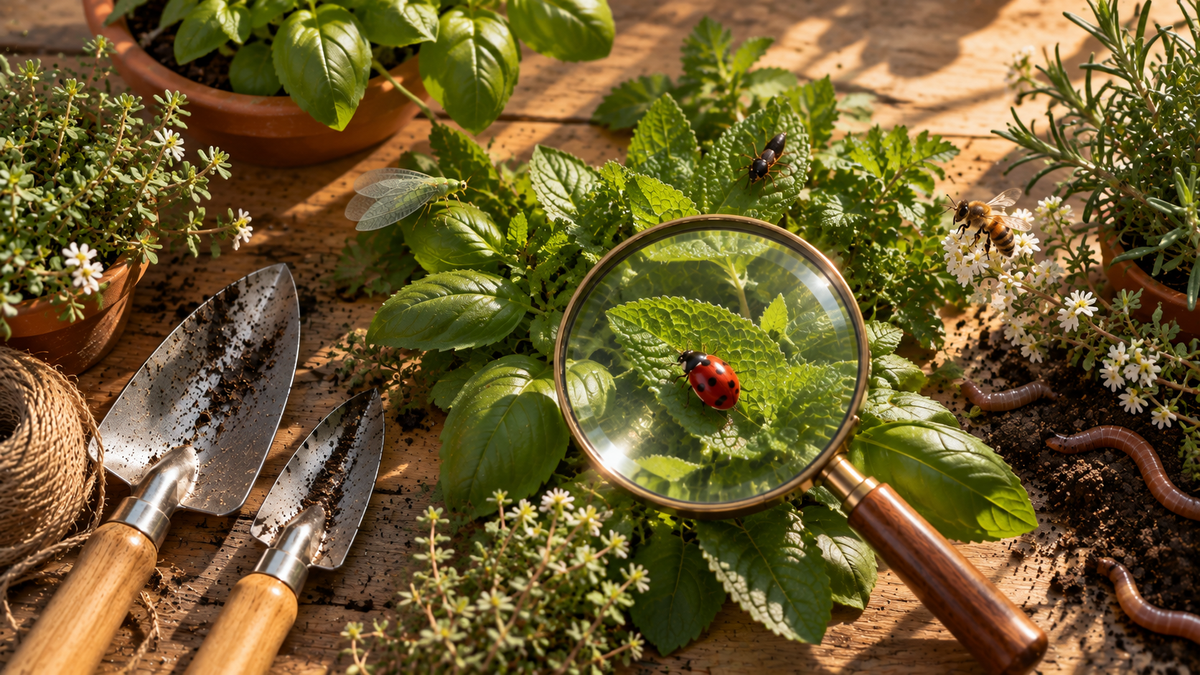
Finding aphids, thrips, fungus gnats, or spider mites on your plants can make you want to reach for a spray bottle right away. Before you do, take a closer look at what is already living in your garden.
Ladybugs, lacewings, predatory mites, and other beneficial organisms feed on common garden pests. They can be a useful part of Integrated Pest Management (IPM), especially when you want to manage pests without relying heavily on broad-spectrum sprays.
At Blossomdale, we use ladybugs, Neoseiulus cucumeris mites, minute pirate bugs, Steinernema feltiae (SF nematodes), and lacewings as part of our safe growing practices.
What Are Beneficial Insects?
Beneficial insects are simply insects that do something useful in the garden. Some hunt plant pests, others act as parasitoids, and many help pollinate flowers.
There are also beneficial organisms that aren't insects at all. Nematodes, for example, are microscopic roundworms that can help control certain soil pests.
Together, these organisms form an important part of natural beneficial bugs for pest control.
Why Use Beneficial Bugs?
Beneficial bugs give gardeners another way to deal with pests. Depending on the species, they can:
- Eat common plant pests: Ladybugs love aphids, while predatory mites target tiny pests such as thrips.
- Reduce the need for sprays: Targeted biological controls can help you avoid reaching for broad-spectrum insecticides every time you spot a pest.
- Reach pests in hard-to-treat places: Beneficial nematodes work in the soil, while predatory mites hunt on plants.
- Support pollination and biodiversity: Some beneficial insects control pests, while others help pollinate flowers.
The trick is knowing which beneficial organism works against the pest you're dealing with.
The 4 Main Types of Beneficial Organisms
1. Predators: The Garden Hunters
Predators do exactly what their name suggests: they hunt and eat other insects.
Ladybugs and ladybug larvae
Ladybugs are famous for eating aphids, and their larvae can be just as useful. Ladybug larvae look nothing like the familiar round adults, so don't be too quick to remove them from your plants. Lady beetles and their larvae are important natural predators of aphids and other common garden pests.

Green and brown lacewing larvae
Often called "aphid lions," lacewing larvae go after aphids, thrips, whiteflies, mites, and insect eggs. Adult lacewings mainly feed on nectar, pollen, and honeydew. Lacewing larvae are particularly effective predators of soft-bodied pests.
Minute pirate bugs (Orius)
These tiny insects pack a punch. They feed on thrips, spider mites, aphids, and insect eggs and are especially useful when thrips are causing trouble.
Predatory mites (Neoseiulus cucumeris)
These microscopic mites are commonly used against thrips larvae. They're useful when you're dealing with pests that are small enough to escape notice during a quick plant inspection.

Hoverfly larvae
Many hoverfly larvae feed on aphids and other soft-bodied insects. The adults are useful pollinators, too.
2. Parasitoids: Small Insects With a Specific Job
Parasitoids work differently from predators. They use another insect as a host while developing.
Parasitic wasps
Many parasitic wasps are tiny and harmless to people. Different species target different pests, including aphids, caterpillars, and whiteflies.

If you've ever seen a swollen, brown aphid stuck to a leaf, you may have spotted an "aphid mummy." It can be a sign that a parasitic wasp is already doing its job.
Tachinid flies
Tachinid flies target various insects, including caterpillars and beetles. Their larvae develop on or inside the host.
3. Soil Allies
Some useful organisms spend their time below the surface.
Beneficial nematodes
Steinernema feltiae, or SF nematodes, are microscopic roundworms that can help control fungus gnat larvae and other susceptible soil pests.
Earthworms and springtails
Earthworms help improve soil structure and move organic matter through the soil. Springtails help break down decaying material and contribute to the soil food web.
4. Pollinators
Some beneficial insects aren't interested in eating pests at all.
Native bees, bumblebees, and hoverflies help pollinate flowers, which is essential for many plants that produce fruit and seeds.
Beneficial Insects for Pest Control: Which Ones Eat Which Pests?
Not every beneficial bug works on every pest. Here's a quick way to match them up:
| Common Pest | Beneficial Organisms |
|---|---|
| Aphids | Ladybugs, lacewing larvae, hoverfly larvae, parasitic wasps |
| Thrips | Minute pirate bugs, Neoseiulus cucumeris |
| Fungus gnats | Steinernema feltiae nematodes |
| Spider mites | Predatory mites, minute pirate bugs, lacewing larvae |
| Whiteflies | Lacewing larvae, ladybugs, parasitic wasps |
| Caterpillars | Lacewing larvae, parasitic wasps, tachinid flies |
The best beneficial bugs for pest control depend on the pest. Identifying what's actually eating your plant before releasing anything will save you time and money.
Friend or Foe? Common Beneficial Insect Look-Alikes
Not every creepy-looking insect is a garden pest. A few common look-alikes are worth knowing.
Ladybug Larva vs. Colorado Potato Beetle Larva
Ladybug larvae have long, spiny-looking bodies and may look intimidating. Colorado potato beetle larvae are plumper and commonly feed on plants such as potatoes, tomatoes, and eggplants.
If you spot an unfamiliar insect, identify it before removing it.
Hoverfly vs. Wasp
Hoverflies often mimic the coloring of bees and wasps. One easy way to tell them apart is by their wings: hoverflies have one pair, while wasps have two.
Hoverflies don't sting, and their larvae can help control aphids.
Cucumeris Mites vs. Spider Mites
These mites are tiny, so you'll probably need magnification to tell them apart.
Predatory cucumeris mites move quickly and don't create the fine webbing associated with spider mites.
How to Attract Beneficial Bugs to Your Garden
You can encourage beneficial insects by making your garden a place where they can find food, water, and shelter.
1. Plant an Insectary Strip
Plant groups of nectar- and pollen-rich flowers rather than relying on a single flowering plant.
Sweet alyssum, yarrow, dill, cosmos, and native wildflowers can provide food for adult beneficial insects and pollinators.
Planting flowers that bloom at different times also gives them a more consistent food source. Providing pollen and nectar throughout the growing season is one way to encourage beneficial insects to stay in the garden.
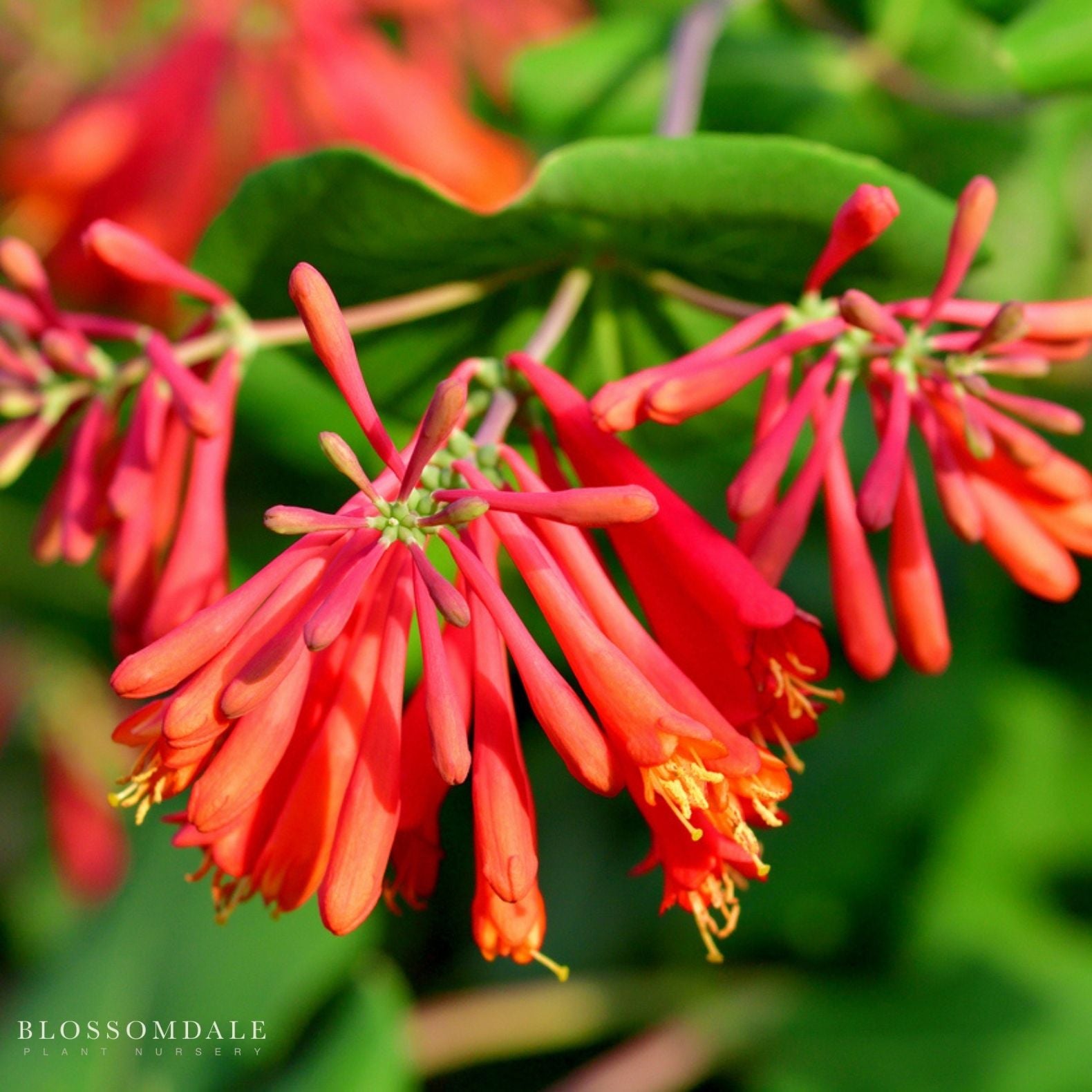


Pink Swamp Milkweed 'Asclepias incarnata'
2. Provide Shelter and Water
Beneficial insects need places to hide, reproduce, and overwinter.
Leave some leaf litter and natural plant debris where appropriate, and consider adding shallow water sources such as a simple bug puddler.
3. Be Careful With Sprays
Broad-spectrum insecticides can affect beneficial insects along with the pests you're trying to control.
When treatment is necessary, identify the pest first and choose the most targeted option available. Follow the product label carefully, and avoid spraying when pollinators and other beneficial insects are actively visiting flowers.
Can You Use Beneficial Insects on Indoor Plants?
Yes. Some beneficial organisms can be used indoors, depending on the pest you're dealing with.
For beneficial insects for indoor plants, options such as Neoseiulus cucumeris and beneficial nematodes may help with certain pests.

Start by identifying the pest. Then check that the organism you're using is appropriate for that particular pest and growing environment.
How to Release Beneficial Insects
Releasing beneficial insects is pretty straightforward, but timing and conditions matter.
- Identify the pest first. This tells you which organism to use.
- Release at a suitable time. Early morning or evening can help protect insects from intense heat and sunlight.
- Prepare your plants. Make sure they have suitable moisture and growing conditions.
- Keep soil moist when using SF nematodes. Follow the product instructions and maintain the recommended moisture afterward.
- Give predators something to eat. If there are no suitable pests around, predators may have difficulty establishing.
And don't expect overnight results. Biological pest control works over time.
Building a Healthier Garden With Beneficial Bugs
A garden doesn't have to be completely free of insects to be healthy. Some of those insects may be doing valuable work right on your plants.
The best beneficial bugs for plants depend on what you're growing and which pests you're dealing with. Once you learn to recognize the helpful ones, you may find yourself reaching for your magnifying glass before your spray bottle.
At Blossomdale, we use ladybugs, cucumeris mites, minute pirate bugs, SF nematodes, and lacewings as part of our growing practices.
Explore Blossomdale's plant collection and find plants for your garden.