


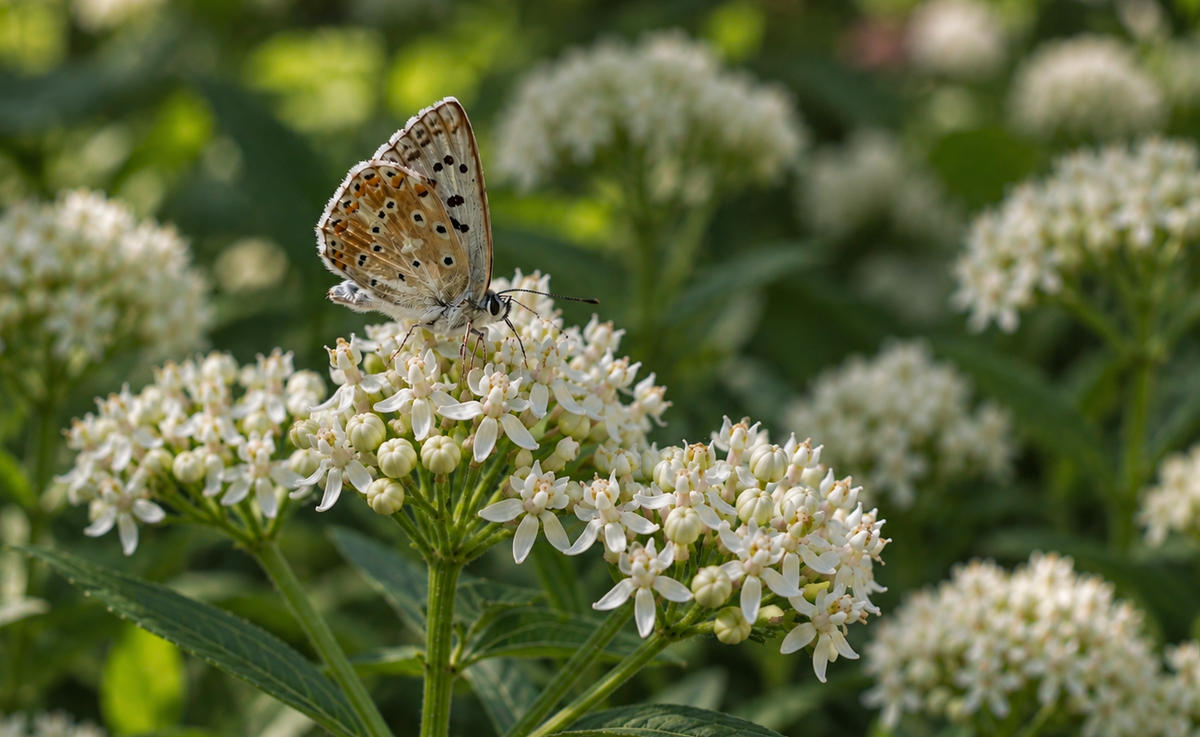
Looking for a native milkweed that thrives in moist garden conditions? Aquatic milkweed (Asclepias perennis), also known as white swamp milkweed, is a beautiful perennial suited to rain gardens, pond edges, and consistently moist planting areas. Its delicate white to pale pink flowers attract pollinators, while its foliage provides food for monarch butterfly caterpillars.
Growing approximately 1–2 feet tall, aquatic milkweed is a compact choice for gardeners who want to support local wildlife while adding native plants to their landscapes.
If you're considering adding this species to your garden, here's what you need to know about aquatic milkweed, including its growing requirements, planting techniques, propagation, and care.
What Is Aquatic Milkweed (Asclepias perennis)?
Aquatic milkweed is a herbaceous perennial native to parts of the southeastern and central United States. It naturally grows in wetlands, marshes, floodplains, pond margins, and other areas where the soil remains consistently moist.
Also called white swamp milkweed, Asclepias perennis belongs to the milkweed family and is recognized for its slender stems, narrow green leaves, and clusters of small white flowers that may have a pink tint.
Unlike some larger milkweed species, aquatic milkweed has a relatively compact growth habit, making it suitable for smaller pollinator gardens and moist landscape borders.
Quick Care Overview
- Botanical name: Asclepias perennis
- Common names: Aquatic milkweed, white swamp milkweed, shore milkweed
- Plant type: Herbaceous perennial
- Mature height: Approximately 1–2 feet
- Flower color: White to pale pink
- Bloom time: Late spring through fall, depending on location
- Sun exposure: Full sun to partial shade
- Soil preference: Consistently moist to wet soil
- USDA hardiness zones: 6–9
- Wildlife value: Monarch host plant and pollinator nectar source
Why Grow Aquatic Milkweed in Your Garden?
Aquatic milkweed offers several benefits, particularly for gardeners interested in native plants and pollinator-friendly landscapes.
1. Supports Monarch Butterflies
Milkweed plants are essential to the monarch butterfly life cycle. Female monarchs lay their eggs on milkweed leaves, which provide food for developing caterpillars.
Aquatic milkweed serves as a host plant for monarch caterpillars, making it a valuable addition to suitable pollinator gardens.
2. Attracts Bees and Other Pollinators
Its small, fragrant flower clusters provide nectar for visiting butterflies, native bees, and other beneficial insects.
Adding aquatic milkweed to a native planting can help increase the variety of flowering resources available to pollinators.
3. Thrives in Moist Garden Areas
Many ornamental plants struggle in consistently damp soil. Aquatic milkweed naturally grows in wetland habitats, making it particularly useful for rain gardens, pond margins, and low-lying garden beds.
4. Fits Smaller Garden Spaces
Aquatic milkweed generally grows about 1–2 feet tall and forms a relatively compact clump. Its size makes it suitable for smaller gardens, mixed borders, and naturalized planting areas.
How to Grow Aquatic Milkweed
Aquatic milkweed grows best when its natural habitat requirements are reflected in the garden. Consistent moisture, suitable sunlight, and appropriate soil conditions help the plant establish and produce healthy growth.
Sunlight Requirements
Aquatic milkweed tolerates full sun to partial shade. In sunnier locations, make sure the soil stays consistently moist to prevent the plant from drying out.
In warmer climates, partial afternoon shade can help protect plants from excessive heat.
Soil Requirements
This species prefers moist to wet soil and naturally occurs in wetlands, marshes, and floodplains.
It can grow in several soil types as long as adequate moisture is available. Gardeners can plant it along pond edges, in rain gardens, or in low areas that naturally retain water.
Watering Requirements
Consistent moisture is essential when growing aquatic milkweed.
Water newly planted specimens regularly while their roots establish. During hot or dry weather, check the soil frequently and provide additional water when needed.
Avoid allowing the growing medium to dry out completely, particularly during the establishment period.
Temperature and Hardiness
Aquatic milkweed is a perennial suited to warmer regions, commonly listed for USDA hardiness zones 6–9.
Its aboveground growth may decline during colder weather, with new growth emerging when conditions become favorable again.
Spacing and Mature Size
Aquatic milkweed generally reaches 1–2 feet tall at maturity. Give individual plants enough room for their stems and foliage to develop without excessive crowding.
Its compact growth makes it suitable for smaller pollinator gardens, rain garden borders, and mixed native plantings.
How to Plant Aquatic Milkweed Starter Plants
Nursery-grown starter plants offer a convenient way to establish aquatic milkweed in your garden.
Follow these steps:
- Choose the right location. Find a garden area with consistently moist soil and full sun to partial shade.
- Prepare the planting area. Remove weeds and loosen the surrounding soil.
- Dig a planting hole. Make the hole slightly wider than the plant's root ball and approximately the same depth.
- Position the plant. Carefully remove the starter plant from its container and place it in the hole.
- Backfill the soil. Fill the surrounding space with soil, keeping the plant at its original growing depth.
- Water thoroughly. Water the plant after planting to settle the soil around its roots.
- Maintain moisture. Continue watering regularly while the plant establishes.
Avoid planting aquatic milkweed in areas that become completely dry between watering sessions.
How to Grow Aquatic Milkweed From Seeds
Aquatic milkweed can also be propagated from seeds. Its seeds have an interesting characteristic that distinguishes them from many other milkweed species.
What Makes Aquatic Milkweed Seeds Different?
Unlike milkweed seeds with the familiar silky tufts that help them travel through the wind, Asclepias perennis produces seeds without the characteristic coma. Its seeds can float on water, an adaptation that helps them disperse through wetland habitats. This distinctive seed structure and water-dispersal adaptation reflects the plant's natural growing environment.
How to Sow Aquatic Milkweed Seeds
Follow the seed supplier's instructions for any required pretreatment.
- Prepare your containers. Fill seed trays or small pots with a suitable seed-starting mix.
- Sow the seeds. Place seeds according to the recommended sowing depth.
- Maintain moisture. Keep the growing medium consistently moist without washing the seeds away.
- Provide suitable conditions. Follow the recommended temperature and lighting requirements.
- Monitor germination. Check regularly for emerging seedlings and maintain appropriate moisture.
- Transplant carefully. Move established seedlings into their permanent growing locations when outdoor conditions are suitable.
Seeds can be started indoors for greater control over moisture and temperature, or sown outdoors when conditions are appropriate for your region. If starting indoors, transplant seedlings after they have developed sufficiently and outdoor conditions are suitable.
Germination time can vary depending on seed quality, pretreatment, and growing conditions, so allow for some variation rather than expecting every seed to sprout at once.
Best Companion Plants for Aquatic Milkweed
Pair aquatic milkweed with other plants that enjoy similar moisture and sunlight conditions.
Consider these options:
- Blue Vervain: A native perennial with purple flower spikes that grows well in moist areas.
- Swamp Milkweed: Another moisture-loving milkweed species with pink flower clusters.
- Boneset: Produces clusters of small white flowers and thrives in damp garden conditions.
- Cardinal Flower: Adds vivid red blooms to moist planting areas and attracts hummingbirds.
- Great Blue Lobelia: Produces blue flowers and grows naturally in moist environments.
Combining plants with different flowering periods can provide a more varied landscape and a longer season of pollinator activity.
How to Care for Aquatic Milkweed
Once established in a suitable location, aquatic milkweed generally requires relatively little maintenance.
Pruning
Remove damaged or dead stems as needed. Cut back dormant growth during late winter or early spring before new shoots emerge.
Watering
Maintain consistent soil moisture throughout the growing season. Pay particular attention to newly planted specimens and plants growing in areas that experience extended dry periods.
Fertilizing
Aquatic milkweed generally does not require heavy fertilization. A light application of compost can help improve soil quality when necessary.
Pest Management
Monitor plants for common garden pests, including aphids. Small populations can often be managed by gently rinsing affected stems and leaves with water.
Avoid broad-spectrum pesticides that may harm monarch caterpillars and other beneficial insects.
Winter Care
As a perennial, aquatic milkweed can return in subsequent growing seasons when grown in suitable conditions. Its aboveground growth may decline during colder months.
Allow the plant to follow its natural seasonal cycle and remove dead stems before spring growth resumes.
Is Aquatic Milkweed Safe for Pets?
Milkweed plants contain naturally occurring compounds that can be harmful when ingested. Their milky sap may also irritate the skin and eyes.
Wear gloves when handling damaged stems, wash your hands afterward, and keep pets and children from eating the plant.
Where to Buy Aquatic Milkweed Plants
If you're looking for aquatic milkweed for sale, choosing healthy nursery-grown starter plants can make establishing this native perennial easier.
Blossomdale offers White Swamp Milkweed (Asclepias perennis) in a 4-inch starter pot.
Its compact growth, white to pale pink flowers, and preference for moist soil make it a useful choice for rain gardens, pond edges, and pollinator-friendly landscapes.
When shopping for aquatic milkweed plants, consider:
- Correct plant identification: Confirm that the plant is Asclepias perennis.
- Plant condition: Look for healthy foliage and an established root system.
- Growing requirements: Make sure your garden can provide adequate moisture and sunlight.
- Plant size: Consider its mature height and spacing requirements before selecting a planting location.
Explore Blossomdale's White Swamp Milkweed (Asclepias perennis) starter plants and check current availability.
Whether you're creating a dedicated monarch garden or adding native plants to a rain garden, aquatic milkweed is a rewarding addition to landscapes with suitable growing conditions.
Frequently Asked Questions About Aquatic Milkweed
What is aquatic milkweed?
Aquatic milkweed (Asclepias perennis) is a native herbaceous perennial commonly found in wetlands, marshes, and other consistently moist habitats. It produces clusters of white to pale pink flowers and serves as a host plant for monarch caterpillars.
Where can I buy aquatic milkweed plants?
You can find aquatic milkweed through native plant nurseries and online plant retailers. Blossomdale offers White Swamp Milkweed (Asclepias perennis) starter plants when available.
Is aquatic milkweed good for monarch butterflies?
Yes. Aquatic milkweed provides food for monarch caterpillars and nectar for adult butterflies. It can be a useful addition to pollinator gardens within its suitable growing region.
Does aquatic milkweed need full sun?
Aquatic milkweed grows in full sun to partial shade. It can tolerate some shade, provided its soil remains consistently moist.
How tall does aquatic milkweed grow?
Aquatic milkweed typically grows approximately 1–2 feet tall, making it a compact option for native gardens and smaller landscape spaces.
Can aquatic milkweed grow in standing water?
Aquatic milkweed tolerates wet soil and naturally grows in wetland habitats. It is suitable for moist areas and pond margins, although planting conditions should allow the plant's roots to establish properly.
Is aquatic milkweed a perennial?
Yes. Aquatic milkweed is a herbaceous perennial that can return year after year in suitable growing conditions and hardiness zones.
Does aquatic milkweed spread?
Aquatic milkweed generally grows in compact clumps. It can also produce seeds that establish new plants under suitable conditions.
What is the difference between aquatic milkweed and swamp milkweed?
Aquatic milkweed (Asclepias perennis) and swamp milkweed (Asclepias incarnata) are different species. Aquatic milkweed generally grows 1–2 feet tall and produces white to pale pink flowers. Swamp milkweed typically grows 3–5 feet tall and produces more prominent pink flower clusters.
Both species prefer moist growing conditions and support monarch butterflies.
Seeds vs. Starter Plants: Which Should You Choose?
Both seeds and live starter plants can help you establish aquatic milkweed. Your choice depends on your planting goals, budget, and preferred growing method.
| Seeds | Live Starter Plants |
|---|---|
| Suitable for larger planting projects | Convenient for smaller gardens |
| Requires germination and seedling care | Already established in a growing container |
| Takes additional time to develop | Can be transplanted when conditions are suitable |
| More hands-on during early growth | Easier for gardeners who prefer a direct planting approach |
Seeds are useful when establishing several plants over time. Starter plants are a convenient option when you want to add aquatic milkweed to an existing garden without managing the germination process.