


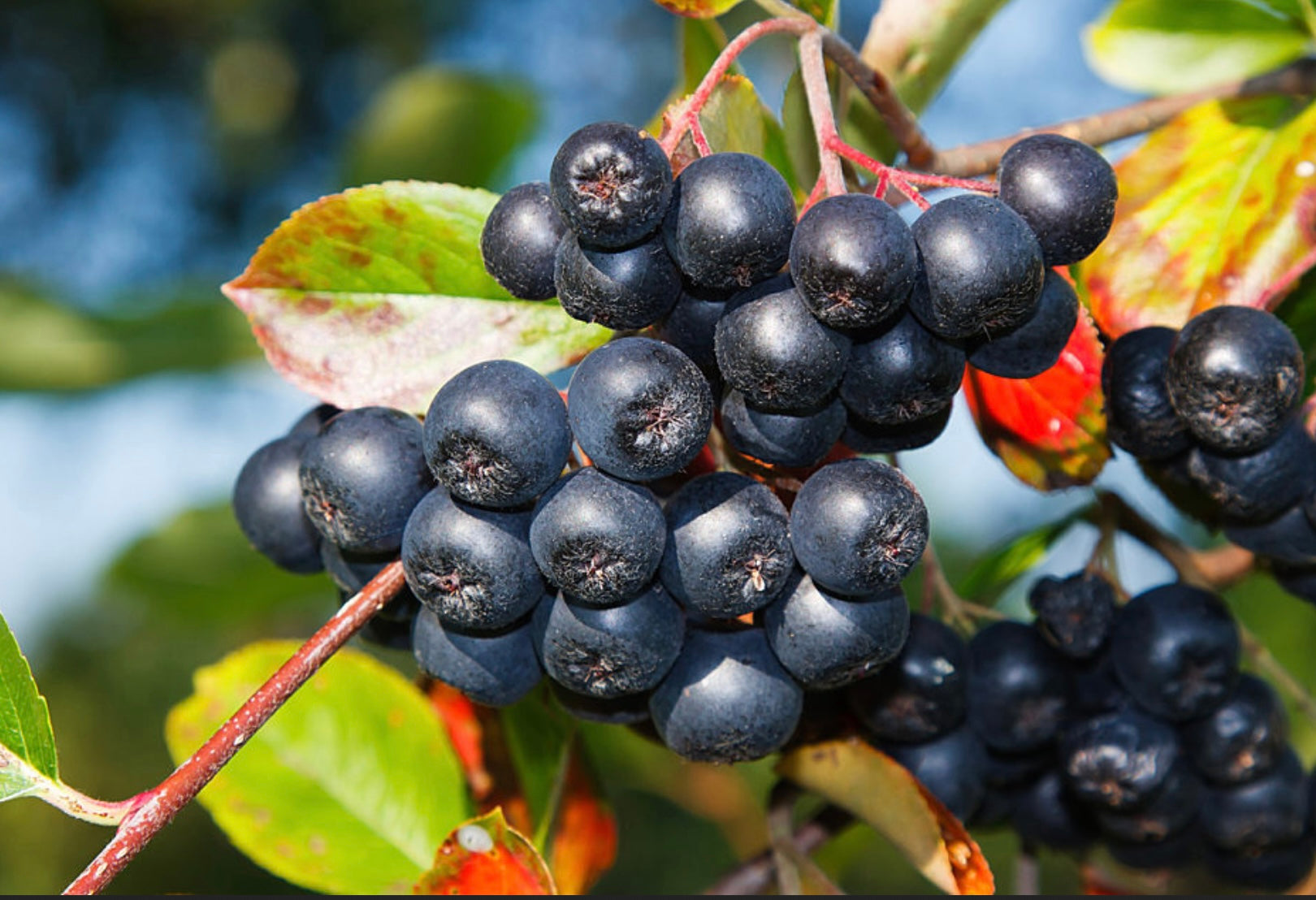
Aronia berries, or chokeberries, are native North American shrubs prized for their dark, antioxidant-packed fruit. Beyond their health benefits, they offer beautiful seasonal foliage, attract pollinators, and thrive in home gardens with minimal care. Whether you’re growing for nutrition, wildlife support, or landscaping, understanding their growth, care, and culinary uses ensures success.
What Are Aronia Berry Plants and Why Are They Considered a Superfruit?
Aronia berries are small, dark fruits rich in anthocyanins, polyphenols, and vitamins that support immunity, cardiovascular health, and digestive wellness. Considered a superfruit, they’re gaining popularity among gardeners and health enthusiasts alike.
What is an Aronia berry (chokeberry) and why is it popular?
Chokeberries are native shrubs with small, round fruits. Their high antioxidant content and adaptability for home gardens make them both a superfood and a versatile ornamental plant.
What Are the Health Benefits of Aronia Berries?
Aronia berries are rich in antioxidants, particularly anthocyanins, which may help reduce oxidative stress, support heart health, and strengthen immune function when consumed regularly.
How to Grow Aronia Berry Plants: Soil, Watering, and Sun Requirements
Successful cultivation starts with soil, light, and water management. With the right conditions, Aronia shrubs are hardy, low-maintenance, and rewarding.
How do you grow Aronia berry bushes at home?
Plant in well-draining soil with full sun exposure. Space bushes 3–5 feet apart to allow airflow and healthy growth. Mulching helps retain soil moisture and reduces weeds.
How much sun does Aronia berry need to thrive?
Full sun encourages stronger stems, larger fruits, and deeper berry pigmentation. Partial shade is tolerated but may reduce fruit yield.
How often should you water Aronia berry plants?
Young plants need consistent moisture. Once established, they tolerate occasional dry periods but benefit from deep watering during flowering and fruiting.
Which soil types are best for growing Aronia berries successfully?
Sandy-loam or loamy soils with slightly acidic to neutral pH (5.5–7.0) work best. Avoid heavy clay or poorly drained soils to prevent root rot.
Best Aronia Berry Varieties to Plant at Home (Black, Red, Purple)
Aronia comes in black, red, and purple varieties, each with unique flavor profiles, growth habits, and antioxidant levels.
How Do Aronia Berries Compare to Other Superberries?
Black chokeberries contain especially high anthocyanin levels, red varieties offer lighter flavor and color, and purple cultivars provide a balance of taste and antioxidant content. The best choice depends on climate conditions, available garden space, and intended use.
When and How to Harvest Aronia Berries for Maximum Flavor
Harvesting at the right time ensures sweet, flavorful fruit.
When is the best time to harvest Aronia berries?
Berries are ripe when deep-colored, slightly soft, and easily pluckable. Peak season usually occurs from late August to September, depending on the local climate.
When Is Aronia Berry Harvest Season and How Should You Pick Them?
Aronia berries are typically ready for harvest in late summer to early fall, once the berries turn deep purple or black and develop full flavor. Gently hand-pick the berries to prevent bruising, then use them fresh or store them in the refrigerator for up to one week. For long-term storage, freezing the berries helps preserve their antioxidant content.
Nutritional Benefits of Aronia Berries: Antioxidants, Vitamins, and Health Uses
Aronia berries are a nutritional powerhouse, supporting heart, immune, and digestive health.
What are the main health benefits of Aronia berries?
High in fiber, vitamin C, and polyphenols, Aronia berries may reduce inflammation, promote heart health, support digestion, and combat oxidative stress (Journal of Food Science & Nutrition, 2022).
How to Use Aronia Berries in Recipes (Juices, Jams, Teas, and Baking)
These tart berries are versatile in the kitchen and pair well with sweet and savory dishes.
What Are Popular Aronia Berry Recipes and How Are They Used?
Aronia berries are commonly used in juices, smoothies, jams, muffins, pies, and desserts. They also work well in sauces for meats. Pairing Aronia with sweeter fruits like apples or other berries helps balance their natural tartness, while their deep color adds visual appeal to both foods and beverages.
Why Aronia Berries Are Popular in Native Landscaping and Wildlife Gardens
Beyond nutrition, Aronia shrubs support local ecosystems and enhance landscapes.
Why Are Aronia Berries Popular in Native Landscaping?
Aronia berries are valued in native landscaping for their low maintenance, adaptability to a variety of soils, and seasonal interest. Their white spring flowers, dark berries, and vibrant fall foliage create multi-season appeal while supporting sustainable garden design.
How Do Aronia Berries Support Wildlife Gardens?
Aronia berries attract birds, pollinators, and beneficial insects. Birds feed on the fruit, while bees and butterflies visit the flowers, making them an excellent choice for gardens focused on wildlife and ecological balance.
Aronia Berries in Traditional Medicine and Modern Research
Aronia berries have a long history of medicinal use and are increasingly studied in modern research.
How Do You Propagate Aronia Berry Shrubs from Seeds or Cuttings?
You can propagate Aronia berries from seeds, which require stratification, or from semi-hardwood cuttings. Spring or early summer is ideal for cuttings to establish roots before winter.
What Do Traditional and Modern Studies Say About Aronia Berries?
Indigenous peoples historically used Aronia berries for digestive and inflammatory conditions. Modern research confirms their antioxidant, anti-inflammatory, and cardioprotective properties, supporting these traditional uses.