


The bay laurel tree (Laurus nobilis) offers more than aromatic leaves for your kitchen — it carries a legacy of culinary delight and natural wellness. Native to the Mediterranean, this evergreen has graced both outdoor gardens and sunlit windowsills as a reliable ornamental and a flavorful herb.
What Is a Bay Laurel Plant?
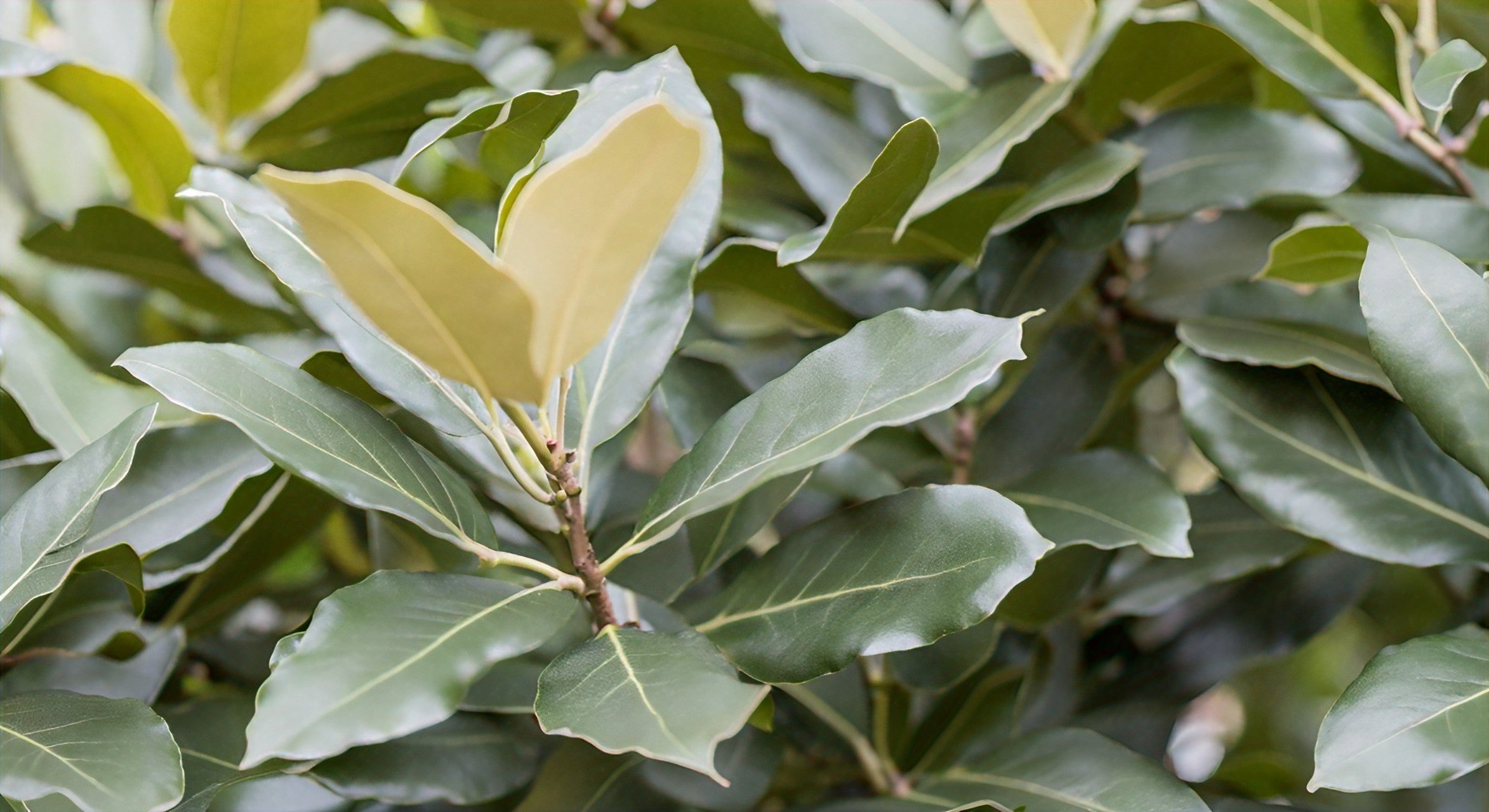
Bay laurel is an evergreen shrub or small tree native to the Mediterranean region. Its leaves are glossy, leathery, and aromatic, famous worldwide as the “bay leaf” used in cooking. As it matures, it can form a bushy specimen or a structured tree. The same leaves that flavor slow‑cooked dishes also give the plant ornamental value, making bay laurel both useful and attractive in gardens.
Is Bay Laurel the Same as the Bay Leaf Used in Cooking?
Yes. Bay leaves sold for culinary use typically come from bay laurel (Laurus nobilis). When dried, the leaves add a subtle, herbal‑pine flavor to soups, stews, sauces and many traditional dishes across Mediterranean, European, and global cuisines.
What USDA Zones Are Suitable for Bay Laurel?
Bay laurel grows best outdoors in climates within USDA Hardiness Zones 8 through 10 (some sources extend to Zone 11 under favorable conditions). In colder climates, container planting is a viable option: you can overwinter the plant indoors or in a protected space to avoid frost damage.
How Much Sunlight Does Bay Laurel Need?
Bay laurel thrives when it receives at least six hours of bright light per day. Full sun encourages strong growth and dense foliage. In hot climates, a bit of afternoon shade helps prevent leaf scorch. It tolerates partial shade, but insufficient light may result in sparser growth or legginess.
What Type of Soil Is Best for Bay Laurel?
Well‑draining soil is essential. Bay laurel adapts to sandy, loamy, or even rocky soil with moderate fertility. Slightly acidic to neutral pH (approximately 6.0–7.5) is ideal. Clay or constantly wet soil raises risk for root rot. Amending heavy soil with compost or grit improves drainage and root health.
How Often Should You Water a Bay Laurel Plant?
After planting, water regularly during the first year to help roots establish. Once established, bay laurel becomes moderately drought-tolerant. In ground plantings, deep watering every 2–3 weeks during dry periods is usually sufficient. Containers dry out faster and need more frequent watering. Always let the top inch (or two) of soil dry before watering again to avoid soggy roots.
Is Bay Laurel Frost Hardy or Cold Tolerant?
Bay laurel is hardy to light frost and can survive brief dips to around 20 °F (about –6 °C) when mature and established. Extended freezing or severe frost can damage or kill the plant — in colder zones, container growing with indoor winter care is recommended.
How Do You Grow a Bay Laurel Tree?
To plant bay laurel: choose a sunny, sheltered spot with good drainage. Dig a hole slightly larger than the root ball, set the tree at the same depth as in its container, and backfill with amended soil if necessary. Water thoroughly after planting. Young plants benefit from regular watering until roots establish; after that, less frequent deep watering is sufficient. Prune lightly in spring to shape or control growth.
Can Bay Laurel Be Grown in Pots or Containers?
Yes. Bay laurel is well suited to container growing, indoors or out. Use a deep pot with drainage holes, fill it with well-draining soil (loam or potting mix amended with perlite or sand), and ensure the plant gets plenty of light. Indoor container plants must be moved inside before frost and placed near a sunny window. Outdoor containers can be relocated as needed for seasonal protection.
How Fast Does Bay Laurel Grow?
Bay laurel grows at a slow to moderate pace. Annual growth varies by conditions, but expect modest height increase each year under good care. In ideal climates with proper pruning, growth remains manageable and allows for topiary or hedging forms.
How Big Does a Bay Laurel Tree Get?
If left to grow freely, bay laurel can reach 20–40 feet (6–12 meters) tall and spread over many years. In container or pruned form, size stays smaller and more manageable, making it suitable for patios, herb gardens, or even indoor cultivation.
How Do You Prune Bay Laurel to Keep It Small or Shaped?
Light pruning in late spring or early summer helps maintain shape and airflow. Remove dead or crowded branches, trim lightly rather than heavy cutting, and sanitize tools to prevent disease. Bay laurel responds well to shaping and can be trained into hedges, standards, or topiary forms over several seasons.
How Do You Propagate Bay Laurel (Cuttings vs. Seeds)?
Propagation from seed is possible, but germination is slow and unreliable. Semi‑hardwood cuttings from healthy shoots taken in summer root more reliably, though they may take several months. Layering is another option for duplicating established plants.
What Pests or Diseases Commonly Affect Bay Laurel?
Common pests include scale insects, aphids, and leaf miners. Overwatering or poor drainage increases risk of root rot. Fungal diseases and leaf spots may also occur in damp, poorly ventilated conditions. Good airflow, proper watering practices, and occasionally using horticultural oil or natural sprays help keep problems in check.
Are All Bay Leaves Safe to Eat, or Only True Bay Laurel?
The culinary bay leaf comes from true bay laurel (Laurus nobilis). Other plants are sometimes sold as “bay leaf” but belong to completely different species. Using true bay laurel ensures the authentic flavor and avoids potential toxicity or off‑flavors.
How Do You Harvest and Dry Bay Leaves from Bay Laurel?
Harvest mature leaves any time once the plant is well established. Many cooks harvest year-round, though older, fully dark green leaves often hold the best aroma. To dry leaves, spread them in a single layer in a warm, shaded, well-ventilated space for 7–10 days. Once brittle, store in airtight containers away from light and heat; properly dried leaves can retain their flavour for up to a year.
What Are the Culinary and Medicinal Uses of Bay Laurel Leaves?
Bay leaves are widely used to flavor soups, stews, sauces, and braises. Their aromatic oils release subtle herbal, piney, and slightly clove-like notes that deepen slowly. Beyond cooking, bay laurel has a history in herbal and folk medicine. Its leaves have been used to support digestion, reduce inflammation, and as mild antiseptic or respiratory remedies when prepared as teas or infusions. Some of these traditional properties align with modern findings on the plant’s antioxidant and antimicrobial potential.
How Do You Design Herb Gardens with Bay Laurel as a Focal Point?
Bay laurel works beautifully as the backbone of a herb garden or Mediterranean‑style landscape. Its glossy evergreen foliage adds structure and height — perfect behind lower herbs like rosemary, thyme, oregano, or sage. In container gardens, it provides vertical interest and evergreen scent. With proper pruning and placement, bay laurel creates a timeless, functional, and aromatic garden feature that offers both culinary and aesthetic appeal.