


Medicinal plants have been used for centuries to support wellness, treat ailments, and promote balance in the body. Understanding how to grow, use, and handle these plants safely is essential for integrating them into modern life.
What are medicinal plants and how do they work?
Medicinal plants are effective because they produce biologically active chemicals, known as secondary metabolites, which evolved to protect the plant but also interact with human physiology. These compounds include flavonoids, alkaloids, terpenoids, glycosides, saponins, and polyphenols.
When consumed or applied, these compounds can bind to cellular receptors, modulate enzymes involved in inflammation, act as antioxidants, and influence immune cell activity. These actions help reduce inflammation, neutralize free radicals, balance immune responses, and support overall wellness.
Some plant compounds have been developed into conventional medicines, including anti-cancer drugs derived from alkaloids and cardiac medications sourced from foxglove.
Medicinal plants work through chemical complexity. Their compounds influence inflammation, immunity, oxidative stress, and cellular signaling, forming the foundation of both traditional wellness practices and modern pharmaceutical development.
What are the most common types of medicinal plants?
Medicinal plants are commonly grouped by their primary wellness effects.
- Adaptogens: Support the body’s stress response (e.g., ashwagandha, holy basil).
- Calming or herbal sedatives: Aid sleep and relaxation (e.g., chamomile, valerian).
- Immune support: Boost immunity or help fight infections (e.g., elderberry, echinacea).
- Digestive aids: Improve gut comfort and digestion (e.g., peppermint, ginger).
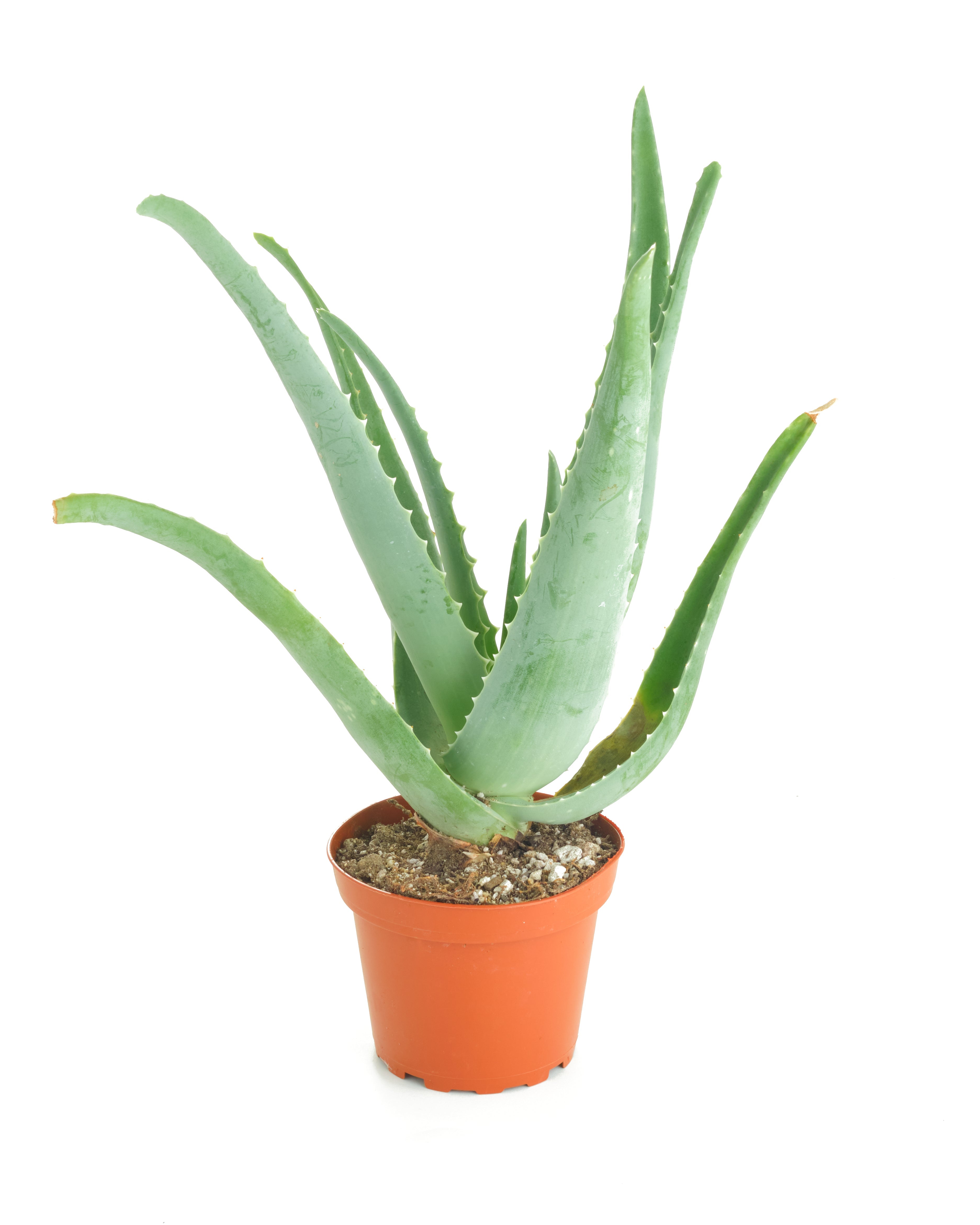
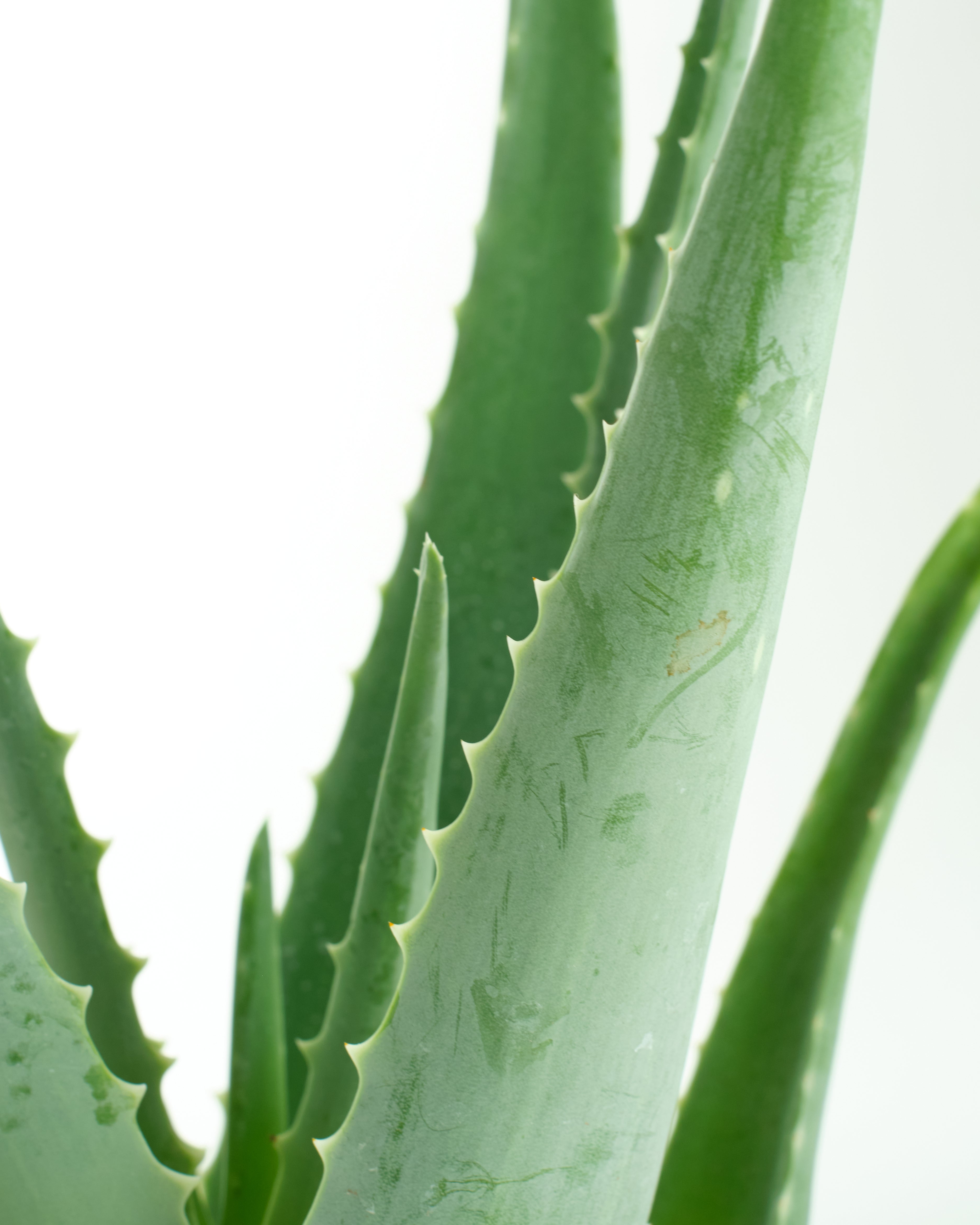
- Topical or healing plants: Applied externally for skin or wound care (e.g., aloe vera, calendula).
How do medicinal plants benefit health?
Medicinal plants support health through natural compounds that interact with the body in targeted ways. Basil contains antioxidants that help reduce inflammation and stress. Chamomile calms the nervous system while easing digestion and supporting sleep. Mint soothes the digestive tract and reduces nausea. Lemon balm promotes relaxation by influencing neurotransmitter activity. Lavender supports sleep, nervous system balance, and skin health when used topically.
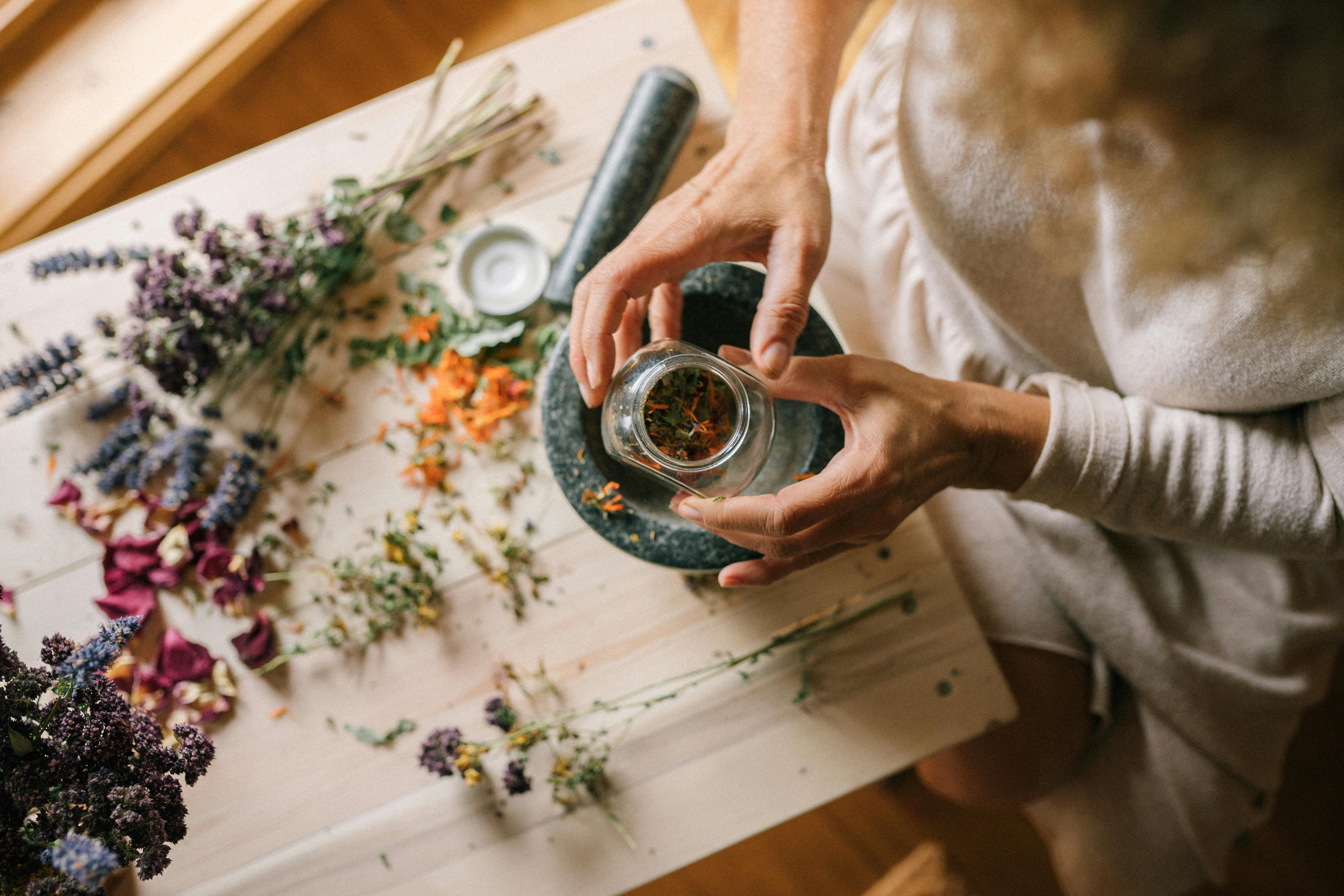
When used as teas, infusions, aromatherapy, or topical preparations, these plants help regulate digestion, support immunity, and promote calm. Growing them at home provides reliable access to fresh, potent plant material.
Can medicinal plants treat specific illnesses?
Certain medicinal plants are commonly used for targeted wellness support.
- Elderberry: Cold and flu support.
- Chamomile: Sleep support and mild digestive discomfort.
- Ashwagandha: Stress reduction and adrenal balance.
- Ginger: Nausea relief and inflammation support.
These plants support health but do not replace professional medical care. Proper dosage, preparation, and safety guidance are essential.
What are the active compounds in medicinal plants?
Medicinal plants contain a range of active compounds.
- Alkaloids: Affect the nervous system (e.g., caffeine, quinine).
- Flavonoids: Provide antioxidant protection.
- Terpenes and essential oils: Offer antimicrobial and calming effects.
- Glycosides: Influence heart function when used carefully.
The concentration of these compounds varies based on plant species, growing conditions, harvest timing, and preparation methods.
How are medicinal plants used in modern medicine?
Roughly 25 percent of prescription medicines originate directly or indirectly from plant compounds. Examples include aspirin from willow bark, morphine from opium poppy, and digoxin from foxglove.
Today, medicinal plants are used in teas, tinctures, capsules, standardized extracts, and topical formulations. Integrative medicine combines traditional plant knowledge with evidence-based clinical practice.
What are the safe ways to use medicinal plants?
Safe use depends on proper dosage, preparation, and awareness of interactions.
- Start with teas or infusions.
- Use standardized extracts when available.
- Monitor for adverse reactions.
- Consult healthcare professionals when taking medications.
Are there side effects from medicinal plants?
Some plants may cause allergic reactions, digestive upset, or interactions with prescription drugs. Understanding contraindications supports safe and effective use.
How do I grow medicinal plants at home?
Medicinal plants thrive in well-draining soil, adequate sunlight, moderate watering, and natural pest control methods. Containers and raised beds offer better control and reduce disease risk.
Which medicinal plants are best for beginners?
Basil, chamomile, mint, lemon balm, and lavender are low-maintenance, resilient plants that adapt well to home gardens and provide multiple wellness benefits.