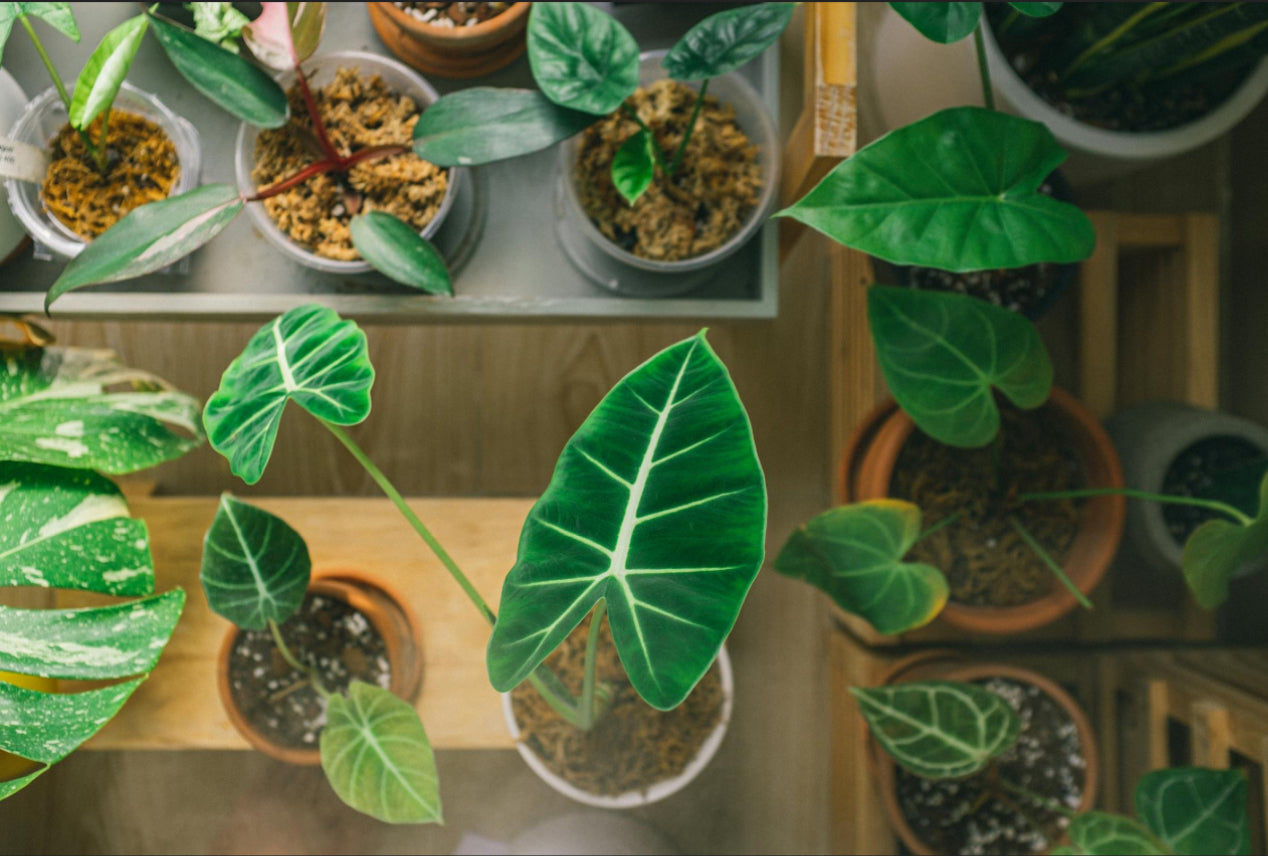



Longevity spinach, botanically known as Gynura procumbens, is a perennial leafy green widely grown in Southeast Asia and tropical regions. It is valued for its ease of growth, continuous harvest, and role in edible, regenerative landscapes.
What is longevity spinach and what is it used for?
Longevity spinach is an edible perennial plant used as both a leafy vegetable and a traditional medicinal herb. The leaves are consumed fresh or cooked and are commonly used in home gardens as a living food source. In traditional systems, it is grown for daily consumption due to its productivity and nutritional density.
How is longevity spinach different from regular spinach?
Unlike regular spinach (Spinacia oleracea), longevity spinach is a perennial plant that thrives in warm climates and does not bolt quickly in heat. It grows as a spreading groundcover rather than an upright annual crop and can be harvested continuously without replanting.
How to Grow Longevity Spinach as a Perennial Edible Groundcover
Longevity spinach performs well as a low-growing, edible groundcover that fills space quickly and suppresses weeds in warm-climate gardens.
How do you grow longevity spinach at home?
Longevity spinach grows best in well-draining soil with moderate organic matter. It prefers warm temperatures, partial to full sun, and regular watering during establishment. Once rooted, it requires minimal care and recovers quickly after harvesting.
How fast does longevity spinach grow and spread?
Longevity spinach grows rapidly under warm conditions, often producing harvestable leaves within weeks. Its trailing stems root easily where they touch the soil, allowing it to spread naturally and form dense coverage over time.
How much sunlight does longevity spinach need to grow well?
Longevity spinach grows well in full sun to partial shade. In hot climates, partial shade helps prevent leaf stress, while full sun encourages compact growth and thicker foliage.
How often should longevity spinach be watered?
Water regularly during the first few weeks after planting. Once established, longevity spinach tolerates short dry periods but performs best with consistent moisture. Overwatering should be avoided to prevent root issues.
Container Gardening with Longevity Spinach: Easy Tips for Small Spaces
This plant adapts well to container gardening, making it suitable for balconies, patios, and small urban spaces.
Can longevity spinach be grown in pots or containers?
Longevity spinach grows successfully in containers as long as the pot has good drainage and adequate space for spreading stems. Shallow, wide containers are ideal. Regular pruning keeps container plants compact and productive.
How to Propagate Longevity Spinach for a Self-Sustaining Garden
Propagation is one of the reasons longevity spinach is popular in permaculture systems.
How do you propagate longevity spinach from cuttings?
Longevity spinach is easily propagated from stem cuttings. Cut a healthy stem, remove lower leaves, and place it in moist soil or water. Roots typically develop within days, allowing rapid multiplication without seeds.
Common Problems with Longevity Spinach and How to Fix Them
Longevity spinach is generally resilient, though questions often arise once people begin harvesting regularly.
Are there any side effects of eating longevity spinach?
Longevity spinach is widely consumed as a food plant. Reported side effects are rare when eaten in normal culinary amounts. As with any edible plant, moderation is recommended, especially for individuals with existing medical conditions.
Is longevity spinach safe to eat every day?
Longevity spinach is traditionally eaten daily in many regions. Studies examining Gynura procumbens indicate it is safe as a dietary vegetable when consumed as part of a balanced diet.
The Role of Longevity Spinach in Sustainable and Edible Landscaping
Beyond home gardens, longevity spinach supports broader sustainability goals.
How fast does longevity spinach grow and spread?
Its fast growth and self-rooting stems make longevity spinach effective for soil coverage, erosion reduction, and weed suppression in edible landscapes.
How do you grow longevity spinach at home?
Its ability to thrive with minimal inputs, no frequent replanting, and simple propagation makes longevity spinach well suited to regenerative and low-maintenance garden designs.
Medicinal Benefits of Longevity Spinach Backed by Research
Longevity spinach has been studied for its bioactive compounds and traditional medicinal uses.
What are the proven health benefits of longevity spinach?
Research on Gynura procumbens suggests antioxidant, anti-inflammatory, and blood sugar–supporting properties. Scientific studies have examined its potential role in managing glucose levels and supporting cardiovascular health.
Is longevity spinach considered a medicinal plant?
Yes. Longevity spinach is classified as a medicinal plant in traditional Southeast Asian medicine and has been the subject of pharmacological studies investigating its therapeutic potential.
How does longevity spinach compare to moringa in terms of benefits?
Both longevity spinach and moringa contain antioxidants and micronutrients. Moringa is higher in protein and certain vitamins, while longevity spinach is valued for its ease of daily consumption and mild flavor, making it more practical for frequent use in meals.
How to Harvest and Use Longevity Spinach in Everyday Cooking
Regular harvesting encourages new growth and keeps the plant productive.
Can longevity spinach be eaten raw, or should it be cooked?
Longevity spinach can be eaten raw in salads or blended into drinks. Cooking softens the leaves and reduces bitterness, making it suitable for stir-fries, soups, and sautés.
What are the best ways to prepare or cook longevity spinach?
Common preparation methods include light sautéing, steaming, adding to omelets, soups, and rice dishes, or blending into smoothies for daily consumption.
Creative Recipes with Longevity Spinach: From Smoothies to Stir-Fries
Longevity spinach integrates easily into everyday meals due to its mild taste.
What are the best ways to prepare or cook longevity spinach?
It works well in green smoothies with fruit, simple garlic sautés, vegetable stir-fries, noodle dishes, and as a spinach substitute in cooked recipes. Its versatility supports consistent use as a functional leafy green.