


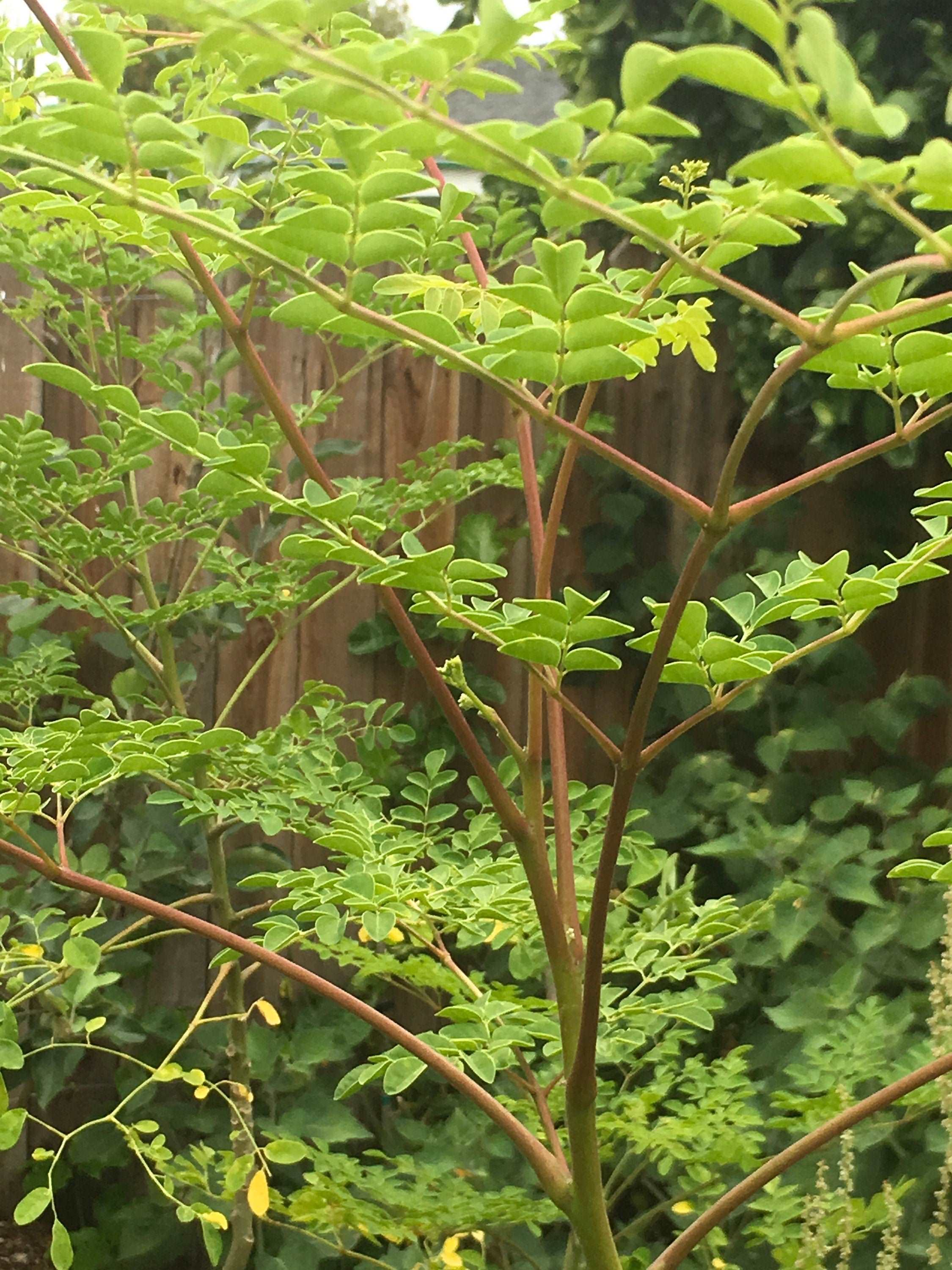
Moringa oleifera is often referred to as the miracle tree because almost all parts of the plant offer significant nutritional and medicinal advantages. Its leaves are especially valued globally for their dense nutrient profile and traditional health uses.
What are the health benefits of moringa leaves?
Moringa leaves are rich in vitamins A, B, C, E, calcium, iron, potassium, and high‑quality protein, making them beneficial for general nutrition and wellness. They have been used in traditional medicine systems to support digestion, immune function, and overall bodily health.
Is moringa safe to eat every day?
Daily consumption of moringa leaves in typical culinary amounts is generally considered safe in many parts of the world where it is part of traditional diets. Like any potent botanical, moderation and diversity in diet are recommended.
What are the nutritional facts of moringa tree parts?
In addition to leaves, seeds, pods, flowers, and bark contain useful nutrients or oils. The leaves, eaten fresh or dried into powder, provide micronutrients and protein, while seeds contain oil useful for nutrition and other applications.
Moringa Tree Parts That Are Edible
Every part of the moringa tree serves a purpose, either as food or in traditional remedies. Because of this versatility, many cultures incorporate different parts into meals and health practices.
What parts of the moringa tree are edible?
Leaves, young seed pods (often called “drumsticks”), seeds, flowers, and even bark are edible. Leaves are commonly powdered or cooked like greens, pods are prepared as vegetables, and seeds can be roasted or eaten fresh.
What are the traditional uses of the moringa tree?
Traditionally, moringa has been used to address malnutrition and as a multi‑purpose herbal plant. Leaves and pods are cooked as vegetables, seeds are roasted or pressed for oil, and various parts are used in remedies to support wellness.
How to Grow a Moringa Tree from Seed or Cutting
Moringa is prized not only for its benefits but for its ease of cultivation. Knowing how to grow moringa tree helps growers from home gardeners to farmers establish healthy trees.
How do you grow a moringa tree from seed?
Moringa grows well from direct sowing seeds or transplanting seedlings. Sow seeds in well‑drained soil in full sun; germination typically occurs quickly in warm conditions. Once established, the tree grows rapidly with minimal care.
How do you propagate moringa trees from seeds or cuttings?
Moringa can also be grown from cuttings. Hardwood cuttings of about 1–1.5 meters planted in prepared soil will produce roots and shoots. Both methods are effective; seeds are easy for large plantings, while cuttings establish quickly.
How fast does a moringa tree grow?
Moringa can grow rapidly, often reaching several meters within the first year under ideal conditions. In cultivated settings with warm temperatures and consistent care, it can reach significant height quickly.
Soil, Sunlight, and Climate Requirements for Moringa Trees
Understanding where and how moringa grows best ensures productive growth. This determines whether a garden, backyard, or small farm can support a thriving moringa tree.
Where does the moringa tree naturally grow?
Moringa originates from northern India but now grows across tropical and subtropical regions worldwide. It thrives in semiarid to tropical climates and does best in USDA zones 9–10.
Can moringa trees grow in cold climates?
Moringa does not tolerate freezing or frost and struggles in cooler climates unless grown as annual plants or raised in containers that can be brought indoors in winter.
What are the best soil and sunlight conditions for moringa trees?
The tree prefers well‑drained soils with neutral to slightly acidic pH, sandy or loamy textures, and full sun exposure. Waterlogged soils can cause root rot, while drought tolerance is notable due to its deep roots.
When is the best time to plant moringa trees?
Plant moringa after the threat of frost has passed, in warm months for optimal germination and growth, particularly in tropical or subtropical regions.
Moringa Tree Care and Maintenance
While hardy, moringa benefits from regular care to remain productive. Care practices like pruning influence both shape and yield.
How do you care for a moringa tree throughout the season?
Moringa requires regular watering early in growth, abundant sunlight, and well‑drained soil. Once established, it tolerates drought but benefits from occasional feeding with compost or balanced fertilizer.
How to prune a moringa tree?
Pruning encourages branching, higher leaf production, and easier harvesting. Trim the apical shoot when the tree is about 1–2 meters tall and cut back branches periodically to maintain a bushier form rather than a tall, sparse tree.
When and How to Harvest Moringa Leaves, Pods, and Seeds
Harvesting moringa correctly ensures both nutrition and ongoing growth. Leaves and pods can often be harvested multiple times.
How do you harvest moringa leaves, pods, and seeds?
Leaves are typically harvested by cutting branches; pods are picked when young and tender. Seeds can be collected from mature pods after they have dried on the tree and then stored for food, oil extraction, or planting.
Incorporating Moringa Into Daily Diets
Moringa’s versatility makes it suitable in many daily dishes and products, from teas and powders to cooked vegetables.
People incorporate moringa leaves and pods into soups, curries, salads, and teas, benefiting from its profile of vitamins, minerals, and antioxidants. Leaf powder can be added to smoothies and cereals for an easy nutritional boost.