


Okinawa spinach is a versatile green that can transform a tropical garden, your kitchen, and even your daily nutrition. Known scientifically as Gynura crepioides, this plant combines striking green and purple foliage and a range of health benefits, making it a favorite for home gardeners, culinary enthusiasts, and wellness-focused cooks alike.
Plant Botany & Identification
Botanical Description of Gynura crepioides
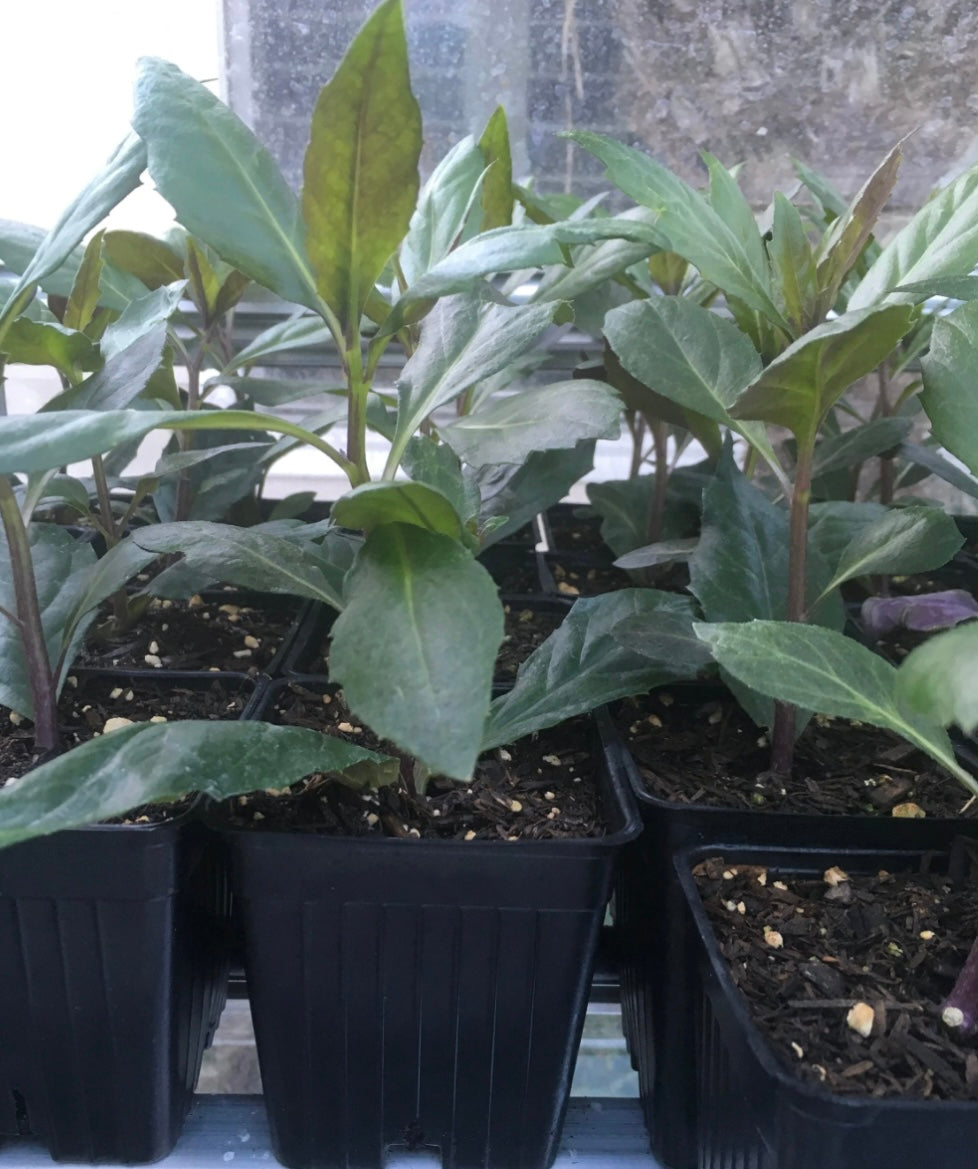
Okinawa spinach is a low-growing, creeping perennial with stems that root wherever they touch the soil. Its leaves are oval-shaped, vibrant green on top, and deep purple underneath, creating a dramatic, eye-catching effect. Leaves are soft and tender when young, but slightly fibrous as they mature, making the timing of harvest important. The plant produces small, clustered orange or yellow flowers, though gardeners often grow it primarily for foliage.
Its growth habit—trailing, spreading, and sometimes climbing slightly—makes it excellent for ground cover, hanging baskets, or container gardens, while also providing edible leaves in a compact space.
Native Distribution in Southeast Asia
Gynura crepioides is native to Southeast Asia, thriving in humid, warm climates with consistent rainfall. It has naturalized across the Philippines, Indonesia, Malaysia, and parts of Okinawa, Japan, where it became closely associated with healthful diets. The plant adapts well to other tropical and subtropical regions, making it a versatile choice for gardeners worldwide.
Leaf Color, Texture, and Morphology
The plant’s distinctive bicolor leaves are both functional and decorative. The green upper surface captures sunlight for growth, while the purple underside is thought to offer some protection from intense sun and pests. Leaves are smooth with soft hairs, and the midrib is slightly prominent. Harvesting younger leaves ensures the best taste and texture, while older leaves can be cooked longer for soups or stir-fries.
Taxonomy in the Asteraceae Family
Okinawa spinach belongs to the Asteraceae family, which includes daisies, sunflowers, and other composite-flowered plants. Its genus, Gynura, encompasses multiple edible and medicinal species, many of which share health-promoting properties. Understanding its family ties helps gardeners and cooks distinguish Okinawa spinach from similar plants and use it effectively in gardens and meals.
Okinawa Spinach vs. Longevity Spinach: Key Differences Explained
Okinawa spinach is often confused with longevity spinach (Gynura procumbens). While both are edible and beneficial, key differences exist:
- Okinawa spinach (Gynura crepioides): Green leaves with purple undersides, slightly ornamental, tender flavor, ideal for kitchen use and edible landscaping.
- Longevity spinach (Gynura procumbens): Entirely green leaves, slightly more medicinal in use, often consumed as a herbal tonic.
Both plants are nutritious, but Okinawa spinach is preferred for culinary versatility and visual appeal, while longevity spinach is more focused on traditional health uses.
How to Grow Okinawa Spinach in Tropical & Subtropical Gardens
Okinawa spinach thrives in warm climates and is surprisingly easy to grow. Here’s how to get the best results:
- Soil: Light, well-draining soil rich in organic matter. It tolerates poor soils but grows faster in fertile ground.
- Light: Partial shade is ideal, though it can handle full sun if watered adequately.
- Water: Keep soil evenly moist but avoid waterlogging. It’s fairly drought-tolerant once established.
- Propagation: Stem cuttings root quickly—simply snip a healthy stem and plant it in moist soil.
- Maintenance: Regular trimming encourages bushy growth and prevents it from overtaking other plants. It can also act as living mulch, suppressing weeds while producing edible leaves.
This plant works well in container gardens, raised beds, or along garden borders, making it versatile for both small and large spaces.
Nutritional & Medicinal Benefits of Okinawa Spinach
Okinawa spinach is a nutrient powerhouse. Its leaves are rich in vitamins A and C, iron, calcium, and antioxidants.
Traditional medicine in Southeast Asia and Japan suggests it may help lower cholesterol, support heart health, and improve general wellness. Including it in daily meals is an easy way to combine flavor and function, and its mild taste makes it easy to use in salads, soups, and stir-fries.
Traditional & Modern Recipes Using Okinawa Spinach
Okinawa spinach can be incorporated into both traditional and modern dishes:
- Stir-fries: Quick sauté with garlic, ginger, or soy sauce.
- Soups and stews: Added near the end to retain color and nutrients.
- Salads: Young leaves can be eaten raw with a light dressing.
- Smoothies and bowls: Blended with fruits or grains for a nutrient boost.
Its purple-backed leaves make it visually striking on the plate, while the tender green tops offer a mild flavor that blends well with other ingredients.
Edible Landscaping with Okinawa Spinach
Beyond the kitchen, Okinawa spinach is an excellent edible ornamental:
- Groundcover: Fills spaces between other plants.
- Container planting: Works in pots, hanging baskets, and raised beds.
- Borders and pathways: Adds color and texture while remaining edible.
- Low-maintenance: Resistant to pests and diseases, drought-tolerant once established.
Its combination of beauty, practicality, and edibility makes it a standout choice for tropical gardens where every plant ideally serves multiple purposes.
Final Thoughts
Okinawa spinach is a plant that delivers style, nutrition, and versatility. It’s easy to grow, visually appealing, and packed with health benefits, making it perfect for gardeners and cooks alike. From tropical gardens to small balcony pots, it’s a plant that nourishes the body and the space it grows in.