


The Sapodilla tree (Manilkara zapota) is a subtropical evergreen celebrated for its sweet, caramel-flavored fruit and glossy green leaves. Native to Central America and the Caribbean, it thrives in warm, sunny gardens and adds both beauty and productivity to edible landscapes. This guide answers the most common questions gardeners have about growing, caring for, and using Sapodilla in the home garden.
What Is a Sapodilla Tree (Manilkara zapota) and What Does Its Fruit Taste Like?
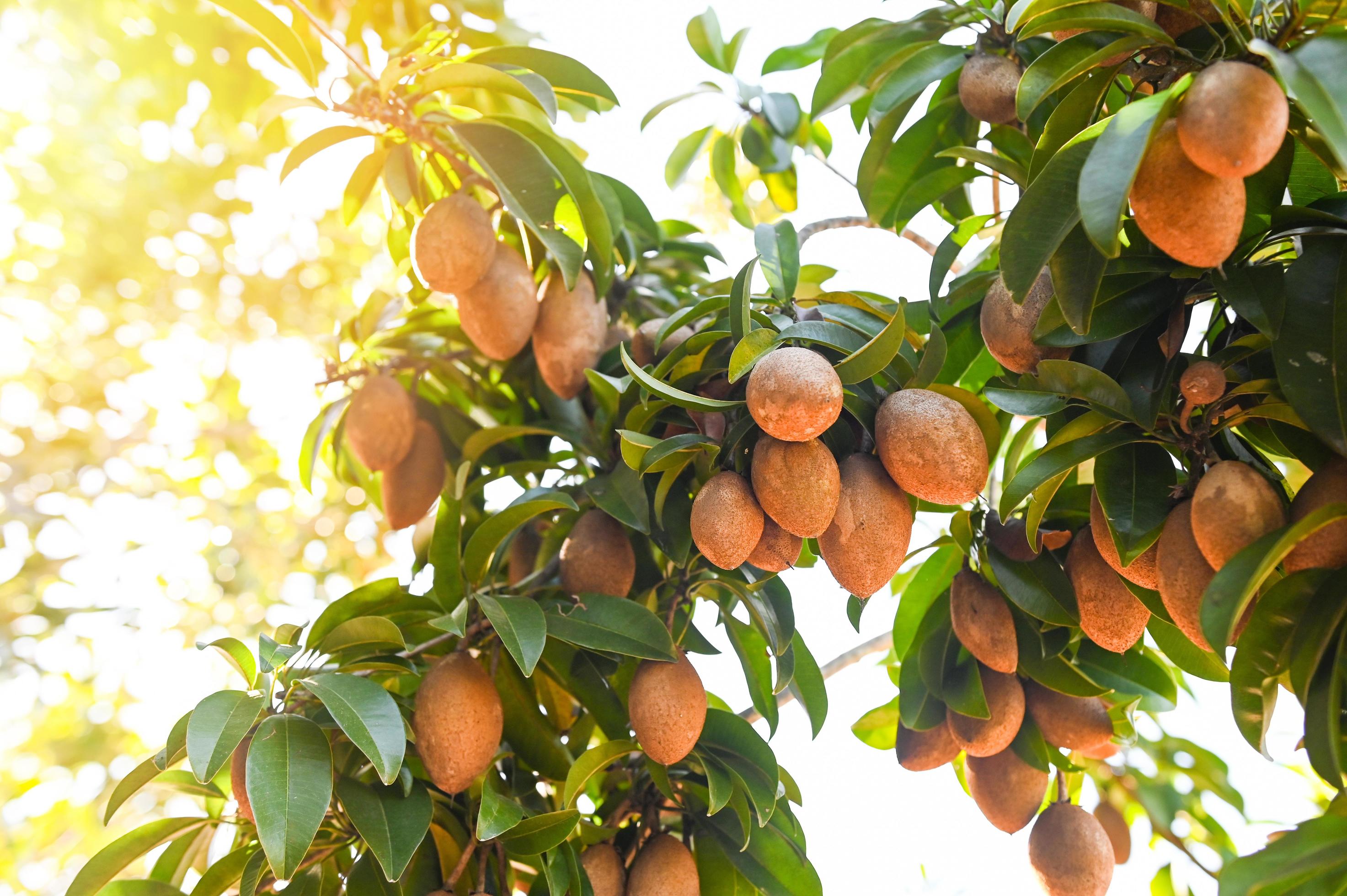
Sapodilla is a slow-growing subtropical tree valued for its sweet, brown-sugar–like fruit and attractive, dense canopy. The fruit has soft, grainy flesh with a naturally caramel-like sweetness, perfect for eating fresh or using in desserts, smoothies, jams, and baked treats. Its combination of ornamental foliage and edible yield makes it a popular choice for home gardens.
Where Does Sapodilla Originally Come From?
Native to southern Mexico, Central America, and parts of the Caribbean, Sapodilla has been cultivated for centuries for both its fruit and latex. Its natural habitat includes warm, humid forests with well-draining soil, which explains why it thrives in subtropical gardens today.
Which Growing Conditions, USDA Zone, and Climate Are Best for Sapodilla?
Sapodilla grows best in full sun and warm, humid climates. Ideal soil is sandy loam or slightly alkaline, enriched with organic matter. Good drainage is essential, as waterlogged roots can cause rot. Mature trees tolerate short dry spells, but consistent moisture during fruiting ensures better sweetness. Sapodilla thrives in USDA Zones 10–12, while in cooler subtropical zones, planting near walls or windbreaks protects trees from cold.
Can You Grow Sapodilla in Pots or Containers?
Yes, Sapodilla trees can be grown in large pots or containers, making them suitable for patios or small gardens. Use a deep container with drainage holes and a well-draining potting mix. Container-grown trees may require more frequent watering and fertilization and can be moved to shelter them from frost or strong winds. While fruiting may be reduced compared with in-ground trees, container cultivation is a practical option in cooler climates.
How Do You Plant, Propagate, and Care for a Sapodilla Tree?
Sapodilla trees can be grown from seeds, grafted saplings, or nursery transplants. Seed-grown trees take 5–8 years to fruit and may vary in quality, while grafted or nursery trees usually produce fruit in 3–4 years with consistent quality.
Plant in a sunny spot with well-draining soil, such as sandy loam enriched with organic matter. Dig a hole slightly larger than the root ball, plant at the same depth as in the container, and mulch around the base to retain moisture and reduce weeds.
Young trees need regular watering to establish roots, but mature trees are drought-tolerant and only require irrigation during extended dry spells. Fertilize lightly during the growing season to support healthy growth and fruiting, avoiding excess nitrogen that can reduce flowers and delay fruit.
How Big Does a Sapodilla Tree Get?
Sapodilla trees can grow between 30–100 feet tall in tropical climates, though home garden varieties are often smaller, reaching 15–30 feet. Growth depends on variety, soil fertility, and climate conditions.
How Should You Prune a Sapodilla Tree for Long-Term Health?
Sapodilla trees require minimal pruning once established. In the early years, shaping the young tree encourages balanced branching and airflow. Annually, remove dead, crossing, or crowded limbs to prevent disease and improve sunlight penetration. Light pruning maintains a tidy, ornamental form without reducing fruiting potential.
How Do You Know When Sapodilla Is Ripe and How Do You Harvest It?
Sapodilla fruits ripen gradually, turning soft and fragrant when ready. Avoid picking unripe fruits, as they contain tannins that make them astringent. Ripe fruits can be eaten fresh, added to smoothies, or used in jams and desserts. Sapodilla trees typically produce fruit once a year, though in optimal tropical climates, some varieties may yield two crops per year.
How Can You Preserve or Use Sapodilla in the Kitchen?
Sapodilla’s natural sweetness reduces the need for added sugar. It can be dehydrated for snacks, blended into milkshakes, or cooked into jams, syrups, and chutneys. Its flavor pairs well with tropical fruits, berries, and creamy desserts, making it a versatile ingredient in both fresh and cooked dishes.
What Are the Nutritional and Health Benefits of Sapodilla Fruit?
Sapodilla is rich in dietary fiber, vitamin C, and antioxidants. It supports healthy digestion, boosts immunity, and provides slow-releasing energy. For diabetics, moderate consumption is generally safe due to its low-to-moderate glycemic index, though consultation with a healthcare provider is recommended. Its natural sweetness makes it a healthier alternative to processed sugars in recipes.
What Pests or Diseases Affect Sapodilla Trees and How Can You Manage Them?
Sapodilla is hardy but may occasionally face scale insects, aphids, or fruit flies. Keeping foliage clean, pruning for airflow, and maintaining healthy soil reduces pest issues. Natural treatments like neem oil or diluted soap water are effective without harming beneficial pollinators. Planting aromatic companion plants can attract helpful insects that maintain a healthy balance in the garden.
What Is the Difference Between Sapodilla and Mamey Sapote?
Sapodilla (Manilkara zapota) and mamey sapote (Pouteria sapota) are tropical fruits with similar caramel-like flavors but differ in texture, size, and growth habits. Sapodilla is smaller with grainy, soft flesh, while mamey sapote is larger with creamy, smooth flesh and a flavor reminiscent of pumpkin, almond, or sweet potato. Sapodilla trees grow slower and are more drought-tolerant, while mamey sapote prefers humid, tropical conditions and grows taller.
Why Sapodilla Is a Valuable Addition to Subtropical Gardens
Sapodilla bridges flavor, culture, and ecology. It provides food, shade, ornamental value, and supports pollinators. Slow-growing yet rewarding, it’s ideal for gardeners seeking a sustainable, edible landscape with year-round benefits. Its glossy foliage, edible fruit, and adaptability make it a standout tree for both ornamental and productive gardens.