


Sugar Dragon fruit, a strikingly sweet pitaya variety with vibrant pink skin, is a favorite for home gardeners and tropical fruit enthusiasts. Its sweetness, decorative appearance, and adaptability for containers or trellises make it perfect for edible landscapes and creative recipes.
How to Grow Sugar Dragon Fruit at Home (Containers & Trellises)
Starting Sugar Dragon fruit at home is simple with the right setup. Providing support for climbing stems and planting in sunny locations ensures vigorous growth.
How do you grow Sugar Dragon dragon fruit at home?
Sugar Dragon fruit grows best in full sun and well-drained soil. Trellises or strong supports help stems climb and produce more fruit. Beginners can start from cuttings or seedlings, maintaining slight soil moisture while establishing roots.
Does Sugar Dragon dragon fruit need full sun or partial shade?
Full sun encourages maximum flowering and fruiting. Container-grown plants should receive at least 6–8 hours of direct sunlight daily.
Best Soil, Watering, and Light Conditions for Sugar Dragon Fruit
Optimal soil and light conditions are crucial for healthy growth and bountiful fruit. Understanding its natural preferences helps prevent common problems.
What soil and climate conditions suit Sugar Dragon dragon fruit best?
Sugar Dragon fruit prefers sandy-loam, well-draining soil with slightly acidic to neutral pH. Ideal growing zones are USDA 9–11. Heavy clay or waterlogged soils can cause root rot.
How often should you water Sugar Dragon dragon fruit?
Young plants need consistent moisture, while mature plants tolerate drought but benefit from deep watering during flowering and fruiting. Overwatering may reduce fruit quality.
Hand Pollination and Fruit Production in Sugar Dragon Fruit
Proper pollination ensures your plants produce consistent, high-quality fruit. Many gardeners hand-pollinate to maximize yields.
Is Sugar Dragon dragon fruit self-fertile or does it need pollination partners?
Most flowers require hand pollination. Use a small brush or cotton swab to transfer pollen in the morning when flowers open fully. Outdoor plants may attract natural pollinators, but indoor cultivation often requires manual assistance.
Harvesting Sugar Dragon Fruit: Signs of Ripeness & Best Practices
Knowing when and how to harvest ensures the sweetest fruit and avoids damage. Timing is key for flavor and storage.
When is the best time to harvest Sugar Dragon dragon fruit?
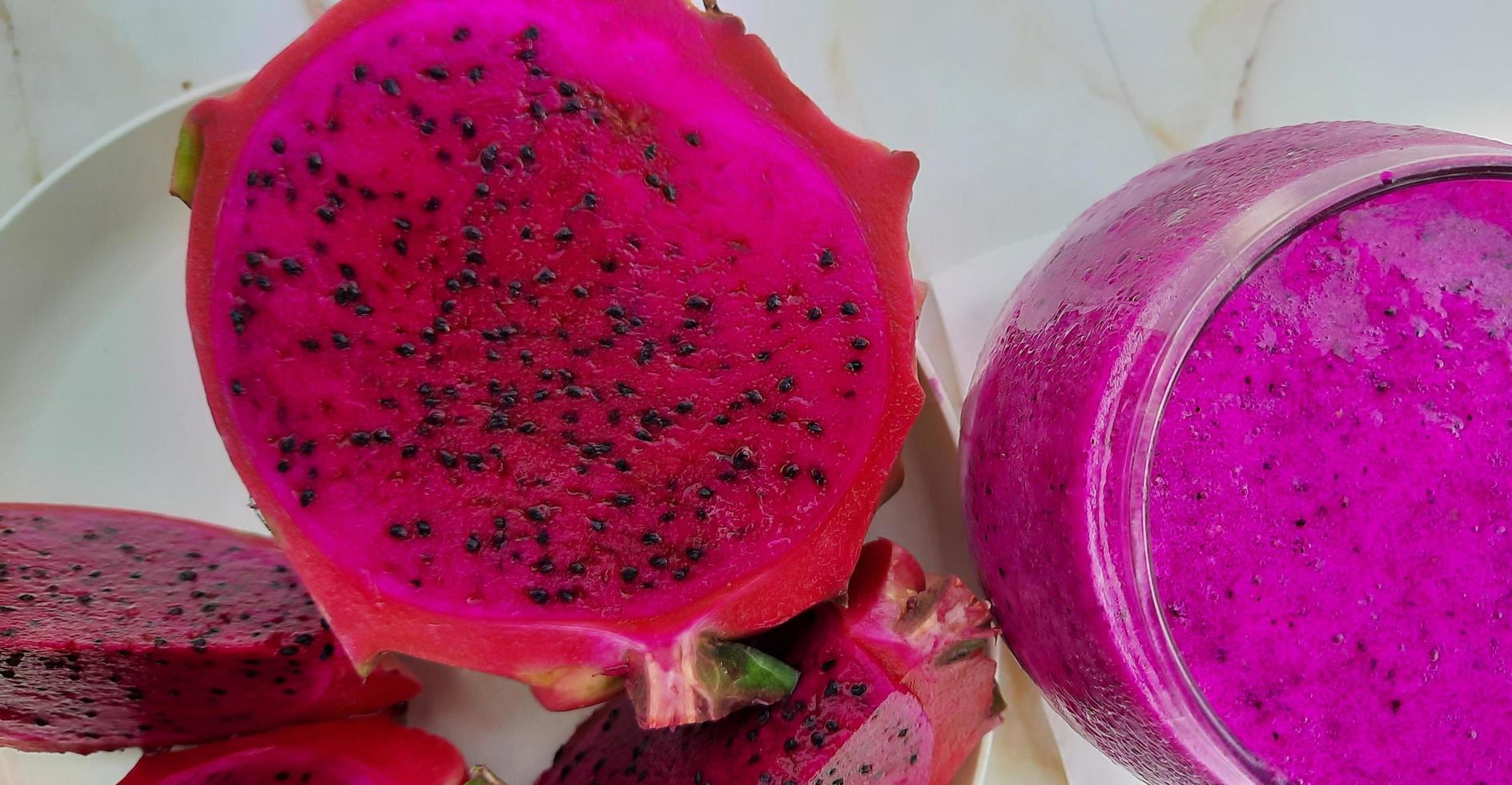
Ripe fruits have vibrant pink skin and slightly separated scales. Pick gently to avoid bruising and avoid harvesting under-ripe fruits, which taste bland.
Nutritional Benefits of Sugar Dragon Fruit: Antioxidants, Fiber & Vitamins
Sugar Dragon fruit is a superfood, offering sweetness and nutritional value in one colorful package.
What is Sugar Dragon dragon fruit and why is it popular?
It’s a naturally sweet pitaya variety with high Brix levels and visually appealing fruit.
How sweet is Sugar Dragon dragon fruit compared with other dragon fruit varieties?
With Brix levels often exceeding 18–20%, it provides natural sweetness. Rich in fiber, antioxidants, vitamin C, and betalains, it supports digestion, immunity, and overall wellness.
Creative Ways to Use Sugar Dragon Fruit in Recipes
This versatile fruit can be enjoyed in many culinary applications, from drinks to desserts.
How can I use Sugar Dragon dragon fruit in sweet and savory recipes?
Blend into smoothies, add to fruit salads, or use as a topping for yogurt and desserts. It pairs well with citrus, coconut, and tropical flavors.
What are easy recipes to try with Sugar Dragon dragon fruit at home?
Try pitaya bowls with granola and berries, avocado-shrimp salads, popsicles, or purees for cocktails and mocktails.
Pests and Diseases That Affect Sugar Dragon Fruit (and How to Manage Them)
Awareness of common pests and diseases keeps plants healthy and productive.
What are common problems or pests when growing Sugar Dragon dragon fruit and how to avoid them?
Scale insects, mealybugs, and fungal infections are common. Maintain good air circulation, avoid wetting stems, and inspect regularly. Organic insecticidal soap or neem oil can control pests, while removing infected tissue prevents spread.