


Miracle berries offer a natural way to make sour foods taste sweet, and their unique compound, miraculin, has created strong interest among home gardeners, food enthusiasts, and people exploring sugar-reduced lifestyles. This guide covers how miracle berries work, how to grow them successfully, and how they fit into culinary and wellness routines.
How Miracle Berries Trick Your Taste Buds: The Science Explained
Miracle berries contain a glycoprotein called miraculin, which temporarily changes the way taste receptors respond to sour foods.
What is a Miracle Berry and how does it change sour foods to sweet?
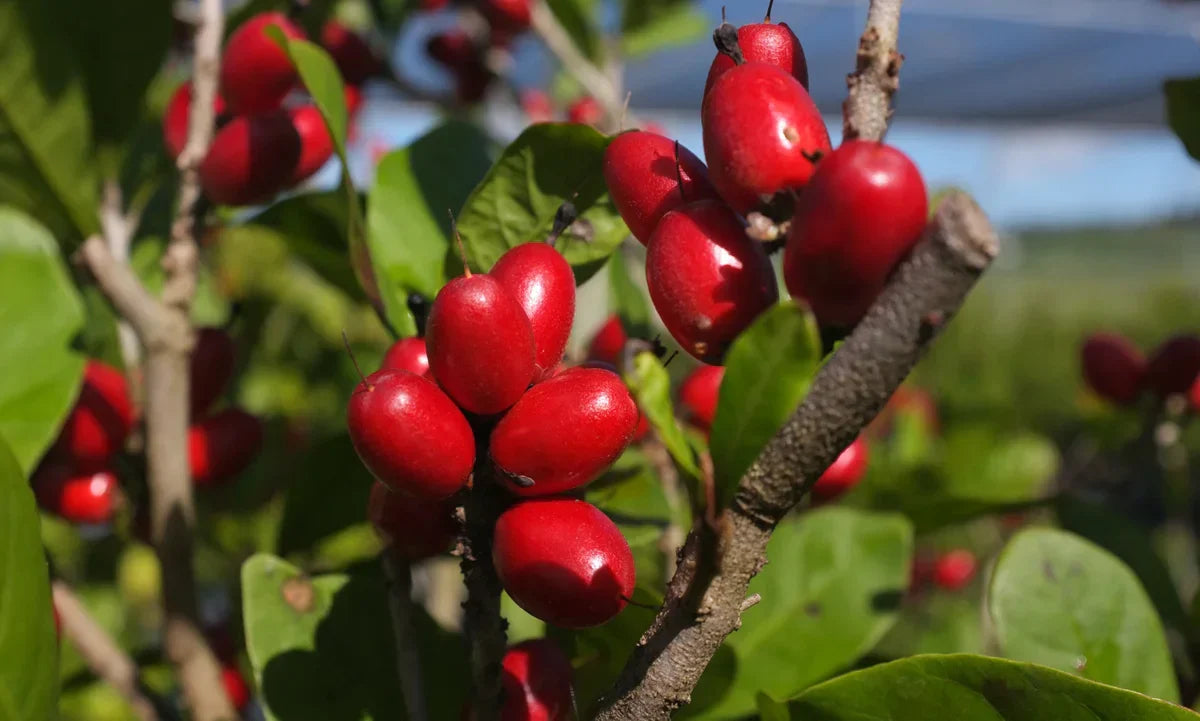
Miracle berries (Synsepalum dulcificum) bind to sweet receptors on your tongue. When you eat something acidic afterward, the acid activates these receptors, creating a sweet sensation without adding sugar.
How does miraculin work and how long does the effect last?
Miraculin attaches to taste receptor cells and stays active for about 20 to 40 minutes. Foods like lemon, lime, grapefruit, and vinegar-based items taste sweeter during this period.
Do fresh, freeze-dried, or tablet Miracle Berries work differently?
Fresh berries generally provide the strongest reaction because the miraculin is fully intact. Freeze-dried berries and tablets remain effective when processed correctly, making them more accessible for long-term use.
Does processing or freezing affect the potency of miraculin?
Exposure to heat or improper storage can reduce activity. Freeze drying maintains potency better than conventional drying.
Is Miracle Berry safe to eat and are there any side effects?
Studies indicate the fruit is safe when eaten in typical amounts. Individuals with acid reflux or stomach sensitivities may feel discomfort if they consume very acidic foods during the effect window.
Growing Miracle Berry Plants: Conditions, Care, and Harvesting
Miracle berry plants grow well in controlled conditions with acidic soil, stable humidity, and consistent warmth.
How do you grow a Miracle Berry plant at home?
Provide a warm, humid environment with bright light and acidic soil. The plant grows slowly and often thrives indoors.
What soil pH and soil mix does Miracle Berry need?
A pH between 4.5 and 5.8 suits miracle berries. Use a peat-based mix with perlite for drainage.
How much light does Miracle Berry require?
Bright, indirect light promotes fruiting. Full sun is acceptable in mild climates. Indoor growers often use grow lights for consistent intensity.
How often should you water a Miracle Berry plant?
Keep the soil evenly moist but not waterlogged. The plant prefers humidity and can decline if the root zone dries out.
What temperature and climate conditions does Miracle Berry need?
Ideal temperatures range from 70 to 85 degrees Fahrenheit. The plant struggles in cold weather and grows best in tropical or subtropical climates.
Is Miracle Berry frost sensitive and which USDA zones does it grow in?
It grows well in USDA Zones 10 and 11. Frost damages foliage and roots.
Can Miracle Berry grow in containers or indoors with grow lights?
Yes. Containers allow control over soil acidity and moisture. Indoor growers often achieve excellent results with full-spectrum LED lights.
How long does it take for Miracle Berry plants to fruit?
Healthy plants usually fruit within two to three years when grown in favorable conditions.
How do you fertilize Miracle Berry and what nutrients does it need?
Use an acid-loving plant fertilizer. Miracle berries respond well to balanced feedings with added micronutrients like iron and magnesium.
What pests or common growing issues affect Miracle Berry plants?
Scale insects, spider mites, and fungal root issues appear occasionally. Maintaining airflow and proper watering reduces most problems.
Freeze-Dried vs Fresh Miracle Berries: Pros, Cons, and Uses
Fresh berries give the strongest flavor-changing effect, while freeze-dried and tablet forms provide long shelf life.
Do fresh, freeze-dried, or tablet Miracle Berries work better?
Fresh berries deliver the quickest and most consistent response. Freeze-dried berries preserve miraculin well and offer convenience.
How do you store Miracle Berries to maintain the taste-altering effect?
Freeze-dried products store well in airtight packaging. Fresh berries keep best when refrigerated and used within a few days.
Where can you buy fresh Miracle Berries or Miracle Berry tablets?
Specialty fruit growers, online suppliers, and stores dedicated to rare fruits often carry fresh berries or tablets.
Does freezing or drying reduce miraculin’s effectiveness?
Proper freeze drying preserves potency, while heat-based drying methods tend to reduce activity.
Culinary Uses: Recipes Using Miracle Berries
Miracle berries enhance tasting events, desserts, and experimental recipes.
How do you use Miracle Berries for a flavor-tripping tasting experience?
Chew the berry pulp and let it coat your tongue for a minute. Afterward, try tart fruits, citrus, yogurt, or vinegar-based dishes for a sweet profile.
What foods taste best with Miracle Berries?
Lemons, limes, strawberries, tomatoes, goat cheese, and apple cider vinegar create standout transformations.
Do Miracle Berries work in recipes or only for direct tasting?
They are best for direct tasting but can be integrated into curated menu experiences.
Health Benefits and Risks: What Research Says
Miracle berries support sugar reduction and may help individuals exploring healthier diets.
What are the health benefits of Miracle Berries?
They provide a natural way to satisfy sweet cravings without added sugars. Some studies explore potential antioxidant properties.
Are there any risks or contraindications?
People with acid sensitivities should be cautious about consuming acidic foods during the miraculin effect window.
Can Miracle Berry help reduce sugar intake or support diabetic diets?
Miracle berries can help reduce reliance on added sugars, though they are not a substitute for medical dietary guidance.
Miracle Berries in Local and Traditional Uses
Communities in West Africa have used miracle berries long before they gained global attention.
How have Miracle Berries traditionally been used in West Africa?
Local communities often used the berries to make sour foods more enjoyable.
Are there cultural food practices associated with Miracle Berries?
In some regions, the fruit appeared in social meals where acidic foods were common.
Using Miracle Berries in a Sugar-Reduced Lifestyle
Miracle berries offer a pathway to manage sugar cravings with more intention.
Can Miracle Berry help people transition away from high-sugar foods?
They make low-sugar diets easier by enhancing flavor naturally.
How do Miracle Berries fit into low-sugar or diabetic-friendly diets?
They support efforts to reduce sugar intake, especially during lifestyle adjustments.
Are Miracle Berries a sustainable alternative to sweeteners?
They serve as an occasional helper rather than a daily alternative, since the effect is temporary.