


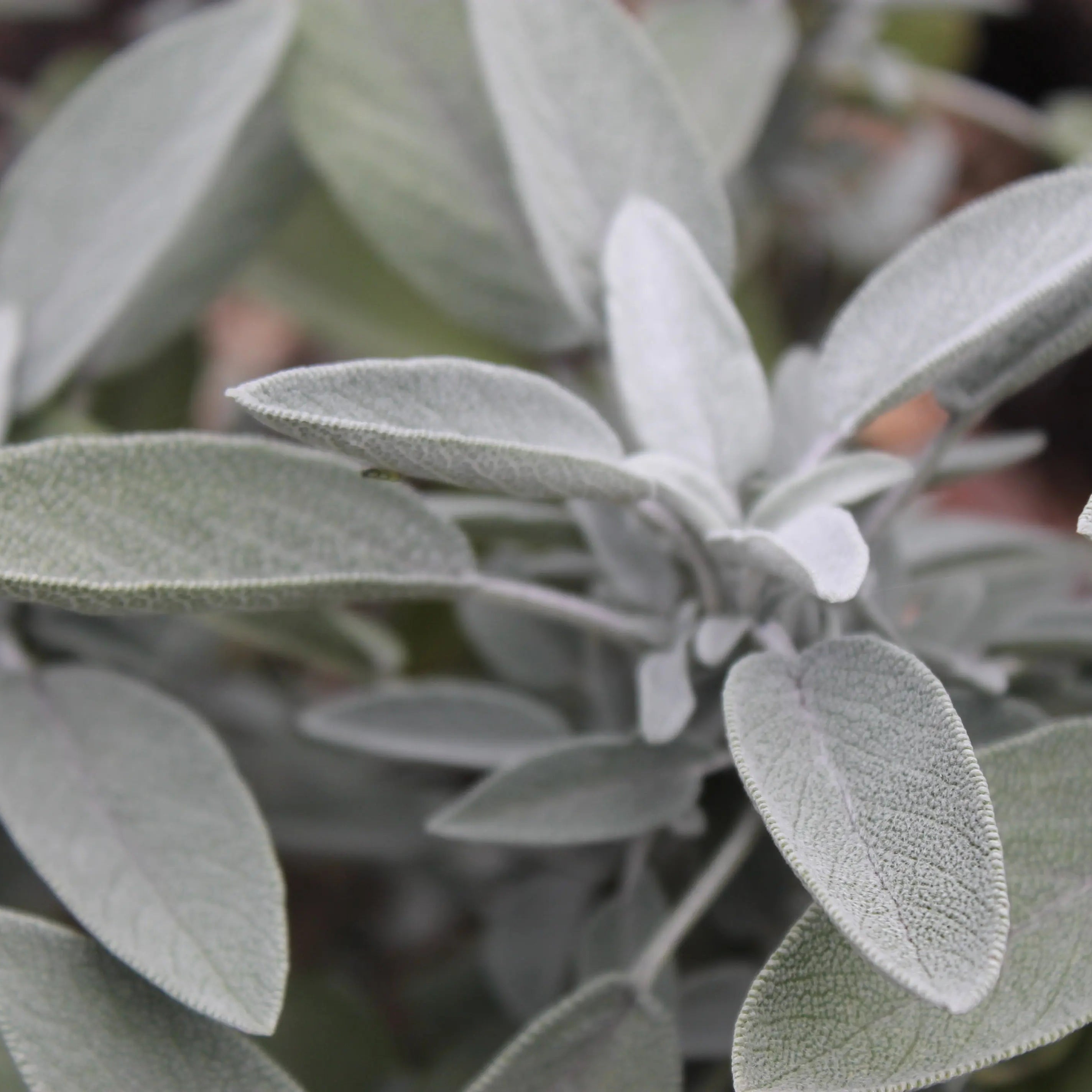
The White Sage (Salvia apiana) is more than a beautiful, aromatic plant—it embodies heritage, traditional medicine, and ecological resilience. Revered for generations by Indigenous communities of the southwestern United States and northern Baja California, this sacred plant has been used in rituals, healing practices, and as a natural remedy supported by its rich bioactive compounds
Growing White Sage at home isn’t just about cultivating a plant. It’s an act of respect, care, and connection—to the land, to tradition, and to the rhythms of nature. Here’s how to do it thoughtfully and responsibly.
1. The Cultural and Ecological Significance of White Sage
Before planting, it helps to understand why White Sage (Salvia apiana) holds such profound meaning. This aromatic perennial shrub is native to the coastal sage scrub and chaparral regions of Southern California and northern Baja California, where it has been used for centuries by Indigenous peoples such as the Chumash, Tongva, Cahuilla, and Kumeyaay. Traditionally, its silvery leaves were gathered for ceremonial burning, or “smudging,” to purify spaces, invite spiritual protection, and restore harmony. These practices date back long before European contact and continue to hold cultural and spiritual significance today.

Ecologically, white sage is a resilient plant well-suited to dry, sun-soaked landscapes. Its leaf surfaces reflect sunlight, its water-conducting tissues maintain favorable potentials late into the dry season, and it frequently appears on slopes and benches in chaparral and coastal scrub habitats.
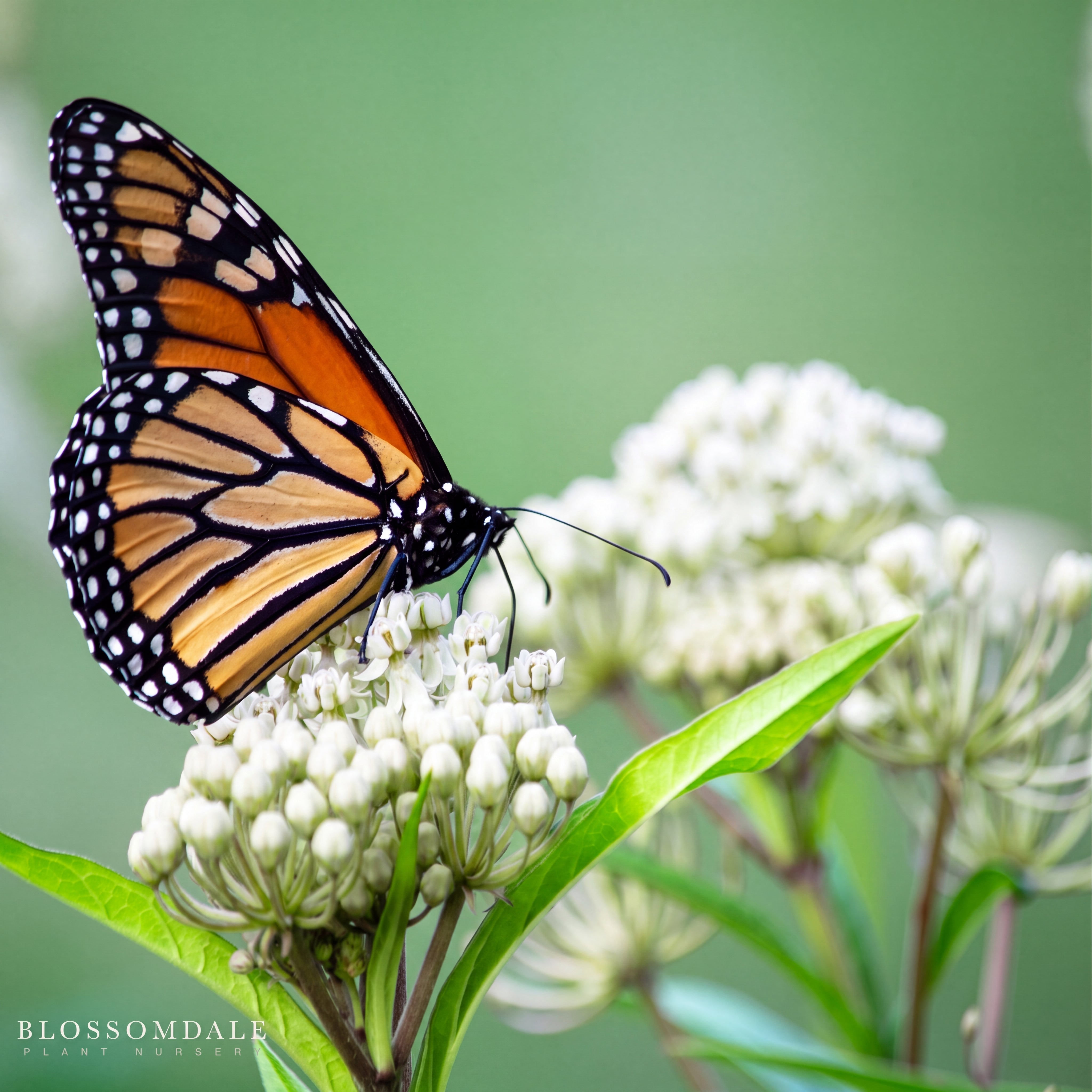
Its ecological value extends to pollinators and wildlife. The flower structure of white sage is specialized: only larger bees (such as species from the genera Xylocopa and Bombus) are able to trigger its reproductive mechanism and effectively transfer pollen. Its blossoms also attract a variety of native bees, butterflies, and hummingbirds, contributing to biodiversity and pollinator support when planted in a garden setting.
By cultivating white sage in your own landscape, you can play a positive role in sustaining its presence. Rather than relying solely on wild populations—which may face pressure from overharvesting, habitat conversion, and fragmentation—you are creating a refuge, a cultivated patch where the plant can flourish and continue to support pollinators.
2. Ideal Growing Zones and Climate Conditions for White Sage
White Sage loves warmth and sunshine. It grows best in USDA Zones 7–10, where winters are mild and summers are dry. If you’re unsure which zone you fall under, check Blossomdale’s Growing Zone Tool to plan your setup.
This herb thrives in Mediterranean-style climates—hot days, cool nights, and very little humidity. If you live in a cooler area, it can still be grown in pots and moved indoors during the coldest months.
3. Soil Requirements: White Sage Thrives in Sandy, Well-Drained Soil
The secret to healthy White Sage starts in the soil. It prefers sandy, rocky, or well-draining soil that mimics its native Southern California desert environment.
Heavy or compact soil holds too much water and can cause root rot. If that’s what you have, mix in coarse sand, pumice, or perlite to loosen it up. A slightly alkaline pH (around 6.5 to 7.5) works best.
4. Seed Starting vs. Propagation: Which Method Works Best?
You can grow White Sage from seeds or cuttings. Seeds require patience—they can take two to three weeks to germinate and do best in warm conditions. Scatter them lightly over the soil, press gently, and mist regularly until they sprout.
If you want faster results, propagation from semi-woody cuttings is a reliable method. Take a healthy stem, let the cut end dry for a few hours, then plant it in a sandy mix. Within weeks, roots will begin to form.
Both methods can thrive with a little attention and the right care setup.
5. Watering Techniques: Preventing Overwatering in White Sage
Overwatering is the biggest mistake most gardeners make with White Sage. Remember—it’s a drought-tolerant plant. In the wild, it survives long stretches without rain.
Water only when the soil is completely dry. During the first few months, keep moisture light but consistent to help the roots establish. Once mature, White Sage prefers deep, infrequent watering. Always err on the side of less water rather than more.
6. Sunlight Needs: White Sage Requires Full Sun Exposure
This plant loves light. White Sage needs full sun—at least six to eight hours per day—to stay compact and produce those silvery, aromatic leaves. Without enough sunlight, it can grow leggy and lose its color.
If you’re growing indoors or on a shaded patio, place it near a bright window or under a grow light.
7. Pests and Diseases to Watch for When Growing White Sage
White Sage is naturally resistant to most pests, but it’s still good to stay alert. Aphids, spider mites, or mealybugs might appear occasionally, especially in warm, dry climates.
Rinse them off with a light spray of water or wipe leaves with a mild neem oil solution. Avoid overwatering, since excess moisture invites fungus and root rot.
8. Pruning and Harvesting White Sage for Healthy Growth
Pruning keeps White Sage bushy and productive. Once it reaches about a foot tall, pinch back the tips to encourage branching. Remove any dead or woody stems at the end of the growing season.
When it’s time to harvest, wait until the plant is mature—usually in its second year. Cut stems gently, leaving enough growth behind so it can recover. Avoid stripping the plant bare.
9. Overwintering and Seasonal Care for White Sage
If your winters are mild, White Sage can stay outdoors year-round. In cooler areas, move container plants indoors before frost. Place them in a bright, sunny spot and water sparingly during dormancy.
In early spring, trim back old growth and refresh the top layer of soil. This seasonal rhythm keeps the plant healthy and ready to flourish again as the days warm up.
10. Sustainable Harvesting Practices: Respecting the Plant and Its Heritage
Perhaps the most important step is this one: harvest with care and intention. White Sage holds deep cultural roots for many Indigenous communities, and its overharvesting in the wild has caused real harm.
If you choose to grow and use it, do so respectfully. Take only what you need, give the plant time to regrow, and never gather from wild populations. Consider sharing your harvest with friends or using it for home aromatherapy instead of commercial sale.
By growing White Sage responsibly, you’re helping protect a sacred plant and the ecosystems it supports.
Growing with Gratitude
Cultivating White Sage is a rewarding journey—it teaches patience, respect, and balance. When you grow it with intention, you’re not just adding a beautiful plant to your garden. You’re carrying forward a legacy of care that connects people, land, and tradition.
Start with one seed or cutting, nurture it gently, and let it remind you that growth takes time—and that’s exactly what makes it meaningful.