


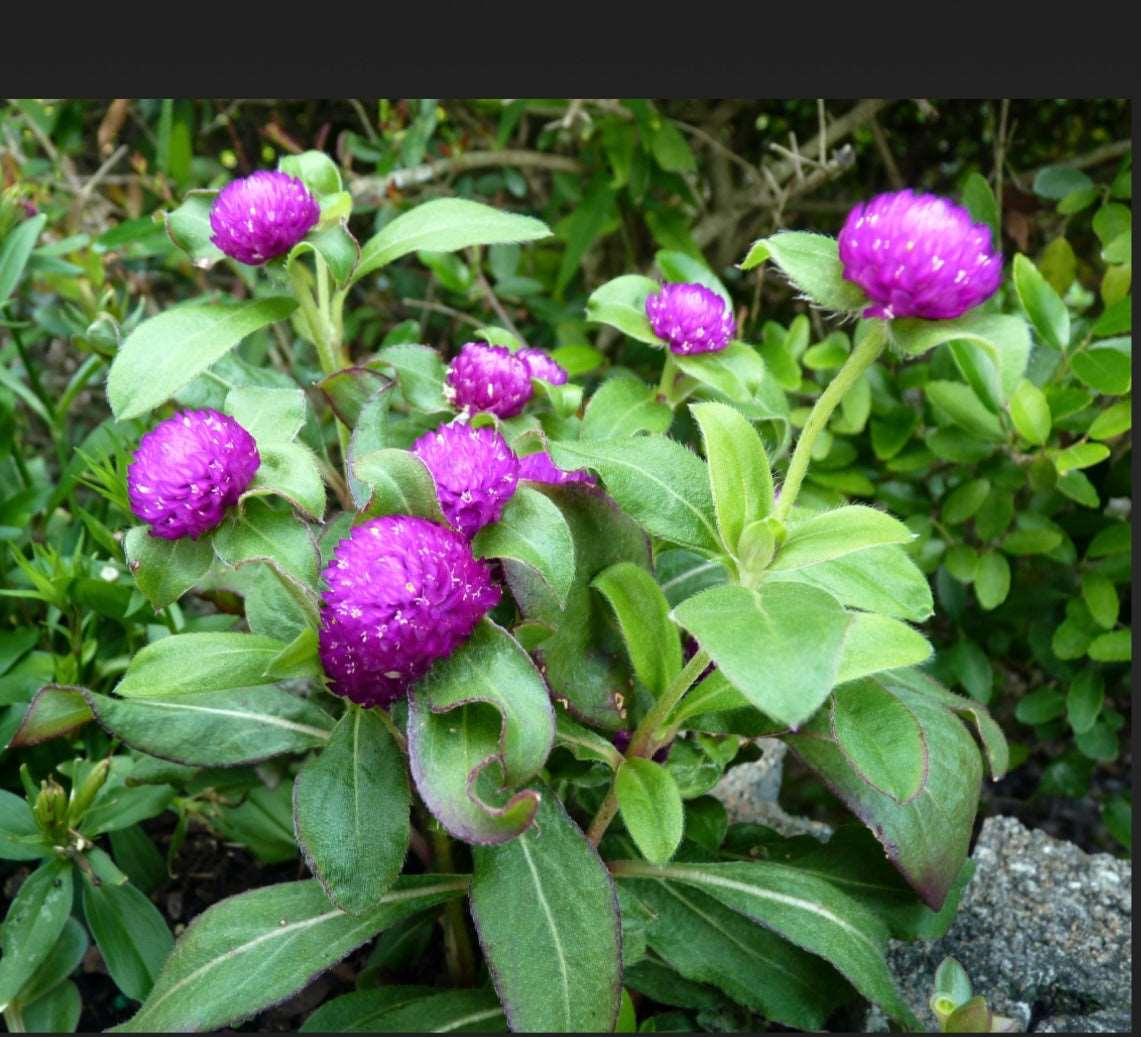
Globe Amaranth refers to Gomphrena globosa, a flowering plant in the Amaranthaceae family known for its bright, globe‑shaped blooms and long season of color. It’s widely grown in gardens, landscapes, and containers because it’s easy to care for and attracts pollinators like bees and butterflies. In most climates it’s treated as an annual, though in warm zones it can grow as a perennial.
What is globe amaranth and where does it come from?
Globe amaranth is a flowering plant native to Central America, now cultivated globally for ornamental use. It produces vibrantly colored flower heads that resemble tiny round “clovers.”
What are the different varieties and colors of globe amaranth?
There are many varieties, with blooms ranging from purple and pink to red, white, and lilac. Cultivar groups like ‘Gnome Series’ and ‘QIS Series’ offer varied heights and colors.
How tall does globe amaranth grow?
Most globe amaranth plants grow between about 12 and 24 inches tall (30–60 cm), though dwarf varieties may be shorter.
Growing and Cultivation of Globe Amaranth
Globe amaranth is both popular and straightforward to grow from seed. It prefers warm soil, consistent sun exposure, and well‑drained soil. Starting seeds indoors or planting outdoors after frost gives the best results.
How do you grow globe amaranth from seed?
To grow globe amaranth, sow seeds indoors about 6–8 weeks before the last frost or directly in the garden once the danger of frost has passed. Seeds need light and warm soil to sprout, and germination typically occurs within a couple of weeks.
When is the best time to plant globe amaranth seeds?
Seeds are best sown after the last spring frost. Indoors, start them 6–8 weeks early; outdoors, wait until soil temperatures are warm and nights are consistently above frost danger.
Can globe amaranth be grown in containers?
Yes. Globe amaranth does well in containers with good drainage and full sun, making it a versatile plant for patios, balconies, and small gardens.
What soil conditions does globe amaranth prefer?
It prefers average, well‑drained soil and is tolerant of poorer soil as long as it doesn’t stay soggy.
Can globe amaranth tolerate shade or does it need full sun?
Globe amaranth performs best in full sun for vibrant blooms and dense growth, though it can tolerate light shade. Too much shade can lead to tall, leggy growth.
Care and Maintenance for Globe Amaranth
Once established, globe amaranth is low‑maintenance and heat tolerant, thriving with regular but not excessive watering and minimal fertilizer.
How do I care for globe amaranth throughout the season?
Care involves watering when the top inch of soil is dry, ensuring full sun exposure, and optionally pinching young growth for bushiness. Minimal fertilization and well‑drained soil help maintain healthy plants.
How often should I water globe amaranth?
Water regularly until established. Once established, it tolerates dry conditions reasonably well, but consistent moisture improves flowering.
What common problems or pests affect globe amaranth?
Globe amaranth generally has few serious pest or disease issues. Occasional problems include aphids or fungal spots, but healthy plants in full sun are less prone to issues.
Edible and Herbal Uses of Globe Amaranth
Globe amaranth’s flowers are prized not just for decoration but also for use in herbal infusions and dried arrangements.
Are globe amaranth flowers edible or safe for tea?
Yes. Globe amaranth flowers are edible and often used to make herbal tea or as colorful edible decorations in salads and desserts.
What are the health benefits of globe amaranth tea?
Floral tea made from globe amaranth is rich in antioxidants and has been used traditionally for its mild soothing properties.
Ornamental and Landscaping Uses
Globe amaranth fits well in landscapes, garden borders, and dried floral art because of its long‑lasting blooms and ease of drying.
How do I dry globe amaranth flowers for arrangements?
To dry globe amaranth, cut flowers when fully open, strip off leaves, and hang them upside down in a cool, dark place with good ventilation. Once dried, the flowers retain color and shape for use in arrangements.
Does globe amaranth attract pollinators?
Yes. The flowers attract bees, butterflies, and beneficial insects, making them valuable for pollinator‑friendly gardens.
Harvesting and Seed Saving of Globe Amaranth
Collecting and saving seeds ensures you can grow globe amaranth year after year, even where it’s grown as an annual.
How to harvest globe amaranth seeds?
To harvest globe amaranth seeds, allow flowers to mature and dry on the plant. The seeds develop within the dried flower heads, which can be collected for planting the next season.
How to get seeds from globe amaranth?
Once flowers have dried completely, gently shake or rub the seed heads to release seeds. Store them in a cool, dry place until planting.
How to harvest globe amaranth seeds?
Selecting fully mature, dry flower heads and allowing them to finish drying off the plant ensures viable seeds. Once dry, seeds can be removed and stored.