


Peruvian Apple Cactus (Cereus repandus), also referred to as Apple Cactus or Night‑Blooming Cereus, is a tall, columnar cactus native to South American arid habitats. It is prized in xeriscaping and water‑wise gardens for its dramatic upright stems, drought tolerance, and edible fruit known as Peruvian apples or pitaya. Beyond ornamentation, this cactus bridges edible landscaping with desert architectural appeal in USDA zones 9–11.
What is a Peruvian Apple Cactus and how do you identify it?
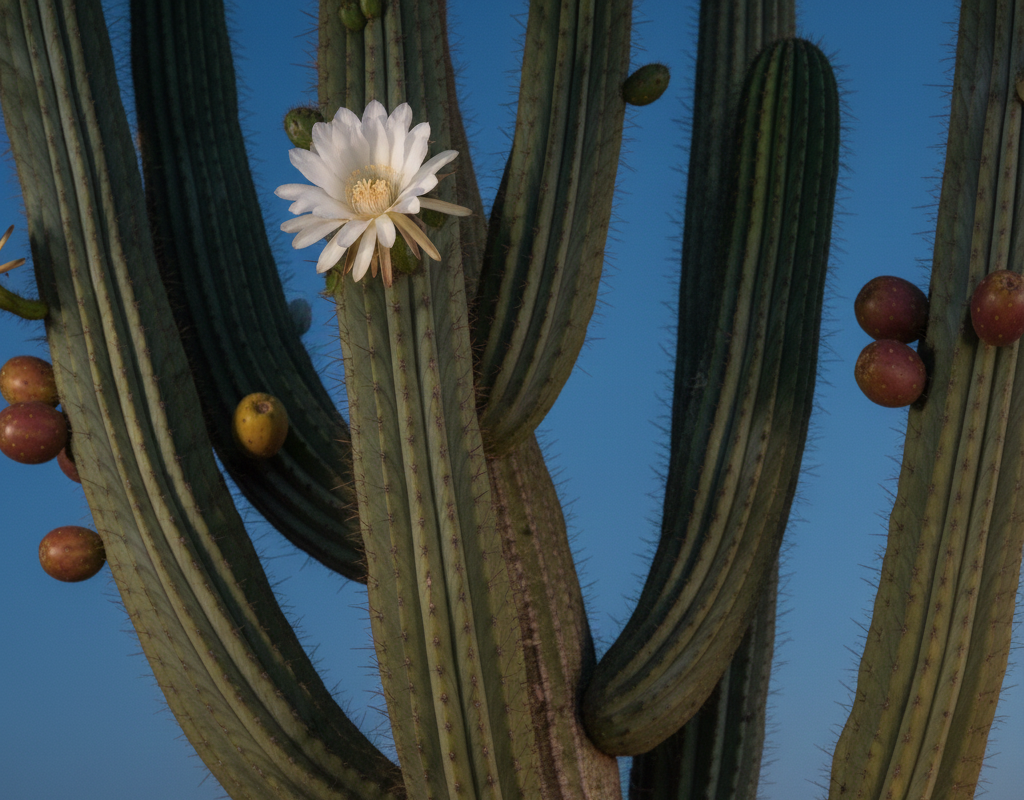
The Peruvian Apple Cactus is identified by its tall, ribbed, gray‑green or bluish columnar stems that can reach 15–30 feet tall outdoors. It often branches with age and produces large white night‑blooming flowers followed by spherical edible fruits that range in color from yellow to red or violet.
How do you care for a Peruvian Apple Cactus?
Care focuses on mimicking its native desert environment. Provide full sun or bright light, a well‑draining cactus soil mix, and minimal but deep watering. During active growth seasons (spring and summer), water deeply when the soil is completely dry. In fall and winter, reduce watering significantly to prevent root rot.
How tall and wide does a Peruvian Apple Cactus grow?
In ideal outdoor conditions, this cactus commonly grows between 15 and 30 feet tall with an 8‑foot or wider spread. In containers, heights are typically lower but stems remain upright and striking.
Peruvian Apple Cactus as a Natural Fence and Privacy Screen
Peruvian Apple Cactus can serve as a living screen or natural fence in xeriscaped landscapes. Its towering form and branching habit provide vertical structure and privacy when planted in hedgerows or along property lines.
How do you prune or shape a Peruvian Apple Cactus?
Pruning is typically minimal. Remove excess arms or thin crowded stems during the growing season using clean, sharp tools. This allows airflow and prevents weak growth. Always wear protective gloves to avoid spine injury.
Can Peruvian Apple Cactus be grown in containers or pots?
Yes. While it prefers ground planting in warm climates, this cactus adapts to large containers with excellent drainage. Container cultivation is ideal for patios or balconies and for gardeners in cooler climates who plan to move the plant indoors during winter.
Why the Peruvian Apple Cactus Is Called the “Queen of the Night”
Peruvian Apple Cactus is part of a group of cacti known for nocturnal blooms. Its large white flowers open in the evening, attracting night pollinators and adding drama to desert and succulent gardens.
Can Peruvian Apple Cactus produce edible fruit?
Yes. After blooming, Cereus repandus produces thornless, round fruits called Peruvian apples or pitaya. These fruits have white, mildly sweet flesh dotted with small seeds and are often eaten fresh or added to fruit salads and desserts.
How do you harvest and prepare the fruit of Peruvian Apple Cactus?
Harvest ripe fruit when the skin turns color (often red or yellow) and the flesh inside is tender and aromatic. Cut open and scoop out the flesh. It can be eaten raw, added to smoothies, or used in culinary dishes.
Container Gardening with Peruvian Apple Cactus
Growing Peruvian Apple Cactus in containers allows enthusiasts in urban areas or cooler zones to enjoy its striking form without ground planting.
How fast does Peruvian Apple Cactus grow?
Growth rate varies by conditions but in optimal warmth and sunlight the cactus can extend 1–2 feet or more per year, making it a notably fast‑growing columnar cactus.
How much sunlight does a Peruvian Apple Cactus need?
It thrives in full sun with at least six hours of direct light per day. In containers, place the cactus near a sunny window or patio exposure to ensure robust growth and flowering.
From Garden to Table: Recipes Using Peruvian Apple Cactus Fruit
Peruvian Apple Cactus fruit is not only ornamental but also edible and nutritious, adding garden‑to‑table value.
What are the best ways to prepare or cook Peruvian Apple Cactus fruit?
The fruit is versatile. Eat it fresh off the cactus, toss chunks into fruit salads, blend into smoothies, or use the flesh in desserts and chilled beverages. Its sweet, crisp texture pairs well with citrus, berries, or creamy bases.
Attracting Nocturnal Pollinators with the Peruvian Apple Cactus
Night‑blooming cacti such as Cereus repandus play a role in supporting nocturnal pollinators.
How does the Peruvian Apple Cactus support nocturnal pollinators?
The large, fragrant night flowers attract moths, nocturnal insects, and in natural habitats bats, facilitating pollination. This ecological role enhances biodiversity in desert and xeric gardens.
Cold Tolerance and Climate Limits of the Peruvian Apple Cactus
Understanding temperature ranges is critical for successful cultivation, especially outside desert climates.
What temperature range does Peruvian Apple Cactus tolerate?
Peruvian Apple Cactus thrives in warm temperatures between 60°F and 85°F (16°C–29°C). It can tolerate brief dips to 25–30°F (‑4°C to ‑1°C), but prolonged frost can damage stems. In cooler regions, protection or indoor overwintering is recommended. This cactus grows best in USDA hardiness zones 9 through 11.
How often should you water a Peruvian Apple Cactus?
Water only when the soil is completely dry. In spring and summer, deep watering every 2–4 weeks encourages healthy growth. In winter, reduce watering to a minimum to mimic dry seasonal conditions.
Architectural Landscaping with Peruvian Apple Cactus
Peruvian Apple Cactus is often used as a sculptural focal point in modern desert landscapes and xeriscapes.
What type of soil is best for a Peruvian Apple Cactus?
Well‑draining soil is essential. Use a cactus or succulent mix, or amend typical potting soil with coarse sand and perlite to improve drainage and airflow, preventing rot and encouraging strong root development.
Peruvian Apple Cactus Health Benefits: Beyond the Fruit
In addition to its ornamental value, the fruit of the Peruvian Apple Cactus offers nutritional benefits.
What are the health benefits of Peruvian Apple Cactus?
The fruit contains antioxidants, vitamins (including vitamin C), and fiber, supporting digestion and overall nutrition. Its mild sweetness and hydrating flesh make it a healthy addition to fruit‑forward meals.
Are there any side effects of consuming Peruvian Apple Cactus fruit?
There are no widely reported adverse effects when eaten as food. As with any new food, individuals should start with small amounts if they have sensitivities.