


Carmel Sur Manzanita is a low-growing California native shrub valued for drought-tolerant landscaping, coastal gardens, and natural groundcover planting.
The plant belongs to the species Arctostaphylos edmundsii, commonly known as Little Sur manzanita. Native to the coastal bluffs of Monterey County, it thrives in sunny, well-drained environments and spreads into dense evergreen mats that help stabilize soil and support wildlife.
01What Is Carmel Sur Manzanita?
Carmel Sur Manzanita is a cultivar of Arctostaphylos edmundsii, a low-growing evergreen shrub native to California's central coast. The plant forms spreading mats of small rounded leaves and produces clusters of small urn-shaped flowers typical of manzanitas.
The species naturally grows on coastal bluffs and chaparral ecosystems in Monterey County, where it has adapted to sandy soils, salt exposure, and dry summers.
What does Carmel Sur Manzanita look like?
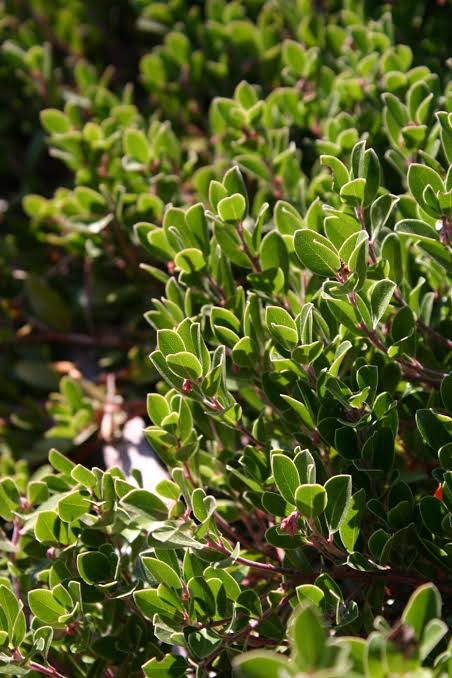
Carmel Sur Manzanita forms a dense groundcover with gray-green to medium-green foliage and thin spreading stems. The leaves are small, oval, and leathery, a common trait among manzanita species that helps conserve moisture in dry climates.
During the blooming season the shrub produces small pink to white bell-shaped flowers followed by red-brown berry-like fruits.
Is Carmel Sur Manzanita evergreen?
Yes. Carmel Sur Manzanita is an evergreen shrub that keeps its foliage year-round. The persistent leaves provide consistent groundcover and structure in landscapes, which is one reason the plant is frequently used in California native gardens and drought-tolerant landscapes.
Where is Carmel Sur Manzanita native to?
Carmel Sur Manzanita originates from coastal regions of Monterey County in California. The species Arctostaphylos edmundsii naturally grows along coastal bluffs and chaparral habitats where soils are well drained and rainfall is seasonal.
02Growth Habit, Size, and Spread
Understanding how large a plant grows is a major search intent for gardeners planning landscape layouts. Carmel Sur Manzanita is known for its distinctive low-spreading form.
How big does Carmel Sur Manzanita grow?
Carmel Sur Manzanita typically grows under 1 foot tall but spreads 6 to 10 feet wide, forming a broad, low mound or groundcover. The plant's prostrate growth habit allows it to cover large areas without becoming tall or woody.
How fast does Carmel Sur Manzanita grow?
The plant grows slowly to moderately compared to other landscape shrubs. Some cultivars are considered among the faster growing forms within the Arctostaphylos edmundsii species, gradually spreading outward to form dense mats.
Is Carmel Sur Manzanita a groundcover?
Yes. Carmel Sur Manzanita is commonly used as a native evergreen groundcover because of its spreading, low-growing habit. It forms dense mats that suppress weeds and protect soil from erosion, especially on slopes or coastal landscapes.
03Planting Requirements and Growing Conditions
Gardeners frequently search for ideal growing conditions before planting native shrubs. Carmel Sur Manzanita performs best in environments that mimic its coastal California origins.
What growing conditions does Carmel Sur Manzanita need?
Carmel Sur Manzanita thrives in full sun to partial shade and prefers well-drained soils. In coastal climates the plant tolerates full sun, while inland locations often benefit from some afternoon shade during hot summers.
What type of soil is best for Carmel Sur Manzanita?
The shrub prefers well-draining soil, including sandy, rocky, or loamy soil types. Good drainage is essential because standing water around the roots can lead to plant decline.
Manzanitas generally adapt to many soil types as long as water does not remain around the roots for long periods.
How much water does Carmel Sur Manzanita need?
Once established, Carmel Sur Manzanita requires very little supplemental watering. Many guidelines recommend deep watering every few weeks during dry periods.
The plant evolved in Mediterranean climates with wet winters and dry summers, which makes it well suited for drought-tolerant landscaping.
04Care, Maintenance, and Pruning
Native plants are often valued for their low maintenance needs. Carmel Sur Manzanita requires minimal intervention when planted in appropriate conditions.
How do you care for Carmel Sur Manzanita?
Carmel Sur Manzanita thrives with minimal care. Key practices include planting in well-drained soil, avoiding overwatering, and allowing space for the plant to spread naturally.
The shrub benefits from occasional deep watering during establishment but typically becomes drought tolerant as it matures.
When should Carmel Sur Manzanita be pruned?
Pruning is best done after flowering through early summer. This timing reduces the risk of fungal diseases that can develop if pruning occurs during cool, wet winter conditions.
Light shaping or edging is usually sufficient because the plant naturally forms a dense mat.
05Landscaping Uses and Garden Design
Carmel Sur Manzanita is widely used in sustainable landscaping, especially in California native plant gardens.
How is Carmel Sur Manzanita used in landscaping?
Carmel Sur Manzanita is commonly used as:
- Native groundcover for large planting areas
- Slope stabilization and erosion control
- Edging along pathways or sidewalks
- Coastal gardens and drought-tolerant landscapes
The plant's dense spreading growth makes it effective at covering soil and reducing weed growth.
Does Carmel Sur Manzanita attract wildlife?
Yes. The plant supports pollinators and wildlife through its flowers and berries. Bees, butterflies, and hummingbirds visit the nectar-rich blossoms, while birds feed on the small fruit that develops later in the season.
06Propagation and Plant Longevity
Gardeners often want to expand their native plantings. This cluster addresses propagation and long-term growth.
How do you propagate Carmel Sur Manzanita?
Propagation typically occurs through cuttings or seed, though many gardeners purchase nursery plants due to the slow germination of manzanita seeds.
Cuttings taken from healthy stems during the growing season can root under controlled conditions, which is a common propagation method used by native plant nurseries.
How long does Carmel Sur Manzanita live?
In suitable environments, Carmel Sur Manzanita can live for many years. Some plants have been reported to survive for decades in coastal landscapes when planted in well-drained soil and given minimal irrigation.
Want This in Your Own Garden?
If patience isn't part of the plan, we've got plants ready to plant today — browse the full collection.
Browse Our Collection