


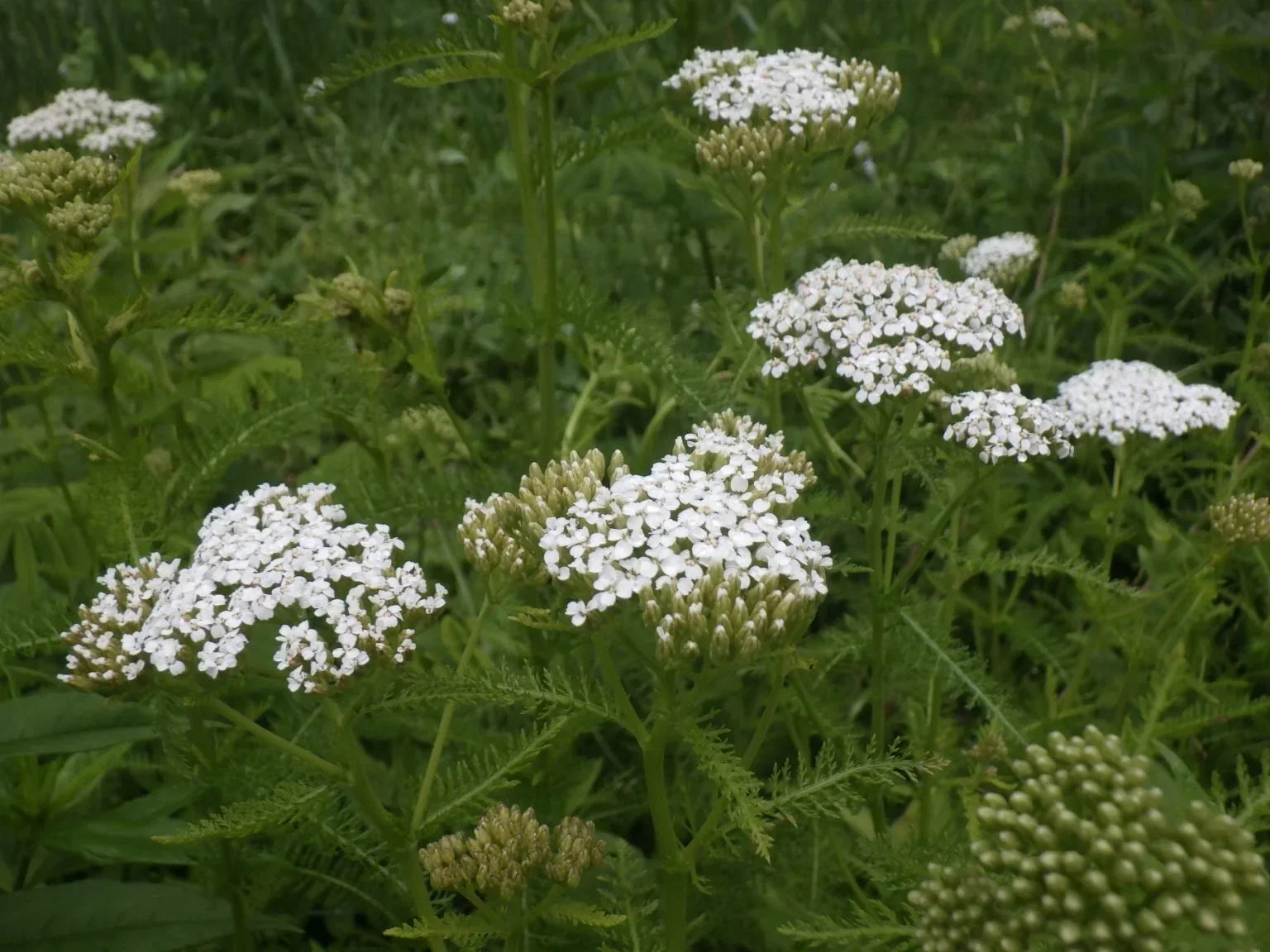
Common yarrow (Achillea millefolium) is a hardy perennial herb known for its soft, feathery leaves and clusters of long-lasting blooms.
It grows easily in a wide range of conditions and has been used for centuries in both gardens and traditional herbal practices. Today, it remains a popular choice for those searching for low-maintenance plants, drought-tolerant landscaping, and natural herbal remedies.
01What Is Common Yarrow? Plant Basics and Identification
Before planting or using yarrow, it helps to understand how to recognize it and where it naturally thrives. This gives you a clear starting point for proper care and identification.
What is common yarrow and what does it look like?
Common yarrow (Achillea millefolium) is a flowering perennial herb in the daisy family. It is easily recognized by its finely divided, fern-like leaves and its flat-topped clusters of small flowers, most often white but sometimes pink or pale yellow. The plant typically grows between one and three feet tall and has a slightly aromatic scent when crushed.
Is yarrow a perennial or annual plant?
Yarrow is a perennial plant, which means it returns year after year once established. It spreads gradually through underground rhizomes and can also reseed itself under the right conditions.
Where does yarrow grow naturally?
Yarrow is native to Europe and Asia and has become widely naturalized across North America and other temperate regions. It commonly appears in open, sunny areas such as meadows, grasslands, and roadsides. Its ability to thrive in poor soil makes it a common feature in wildflower landscapes.
02How to Grow Yarrow: Soil, Sun, Water, and Care Tips
Yarrow is often recommended for beginners because it requires very little maintenance. Giving it the right environment from the start leads to stronger growth and more consistent blooms.
How do you grow yarrow successfully?
To grow yarrow successfully, plant it in a location that receives full sun and has well-draining soil. It performs best in soil that is not overly rich, as excessive nutrients can lead to weak stems and fewer flowers. Once established, it needs minimal attention.
What are the best growing conditions for yarrow?
Yarrow grows best in full sun with at least six hours of direct light each day. It prefers well-drained soil, including sandy or slightly rocky conditions, and does well in areas with moderate to low soil fertility. Dry to moderately moist conditions are ideal, as consistently wet soil can lead to root issues.
Can yarrow grow in pots or containers?
Yarrow can grow well in containers when provided with proper drainage and enough sunlight. A light potting mix works best, and placing the container in a bright outdoor space helps maintain healthy growth. Container plants may need slightly more frequent watering than those planted in the ground.
How often should you water yarrow plants?
Yarrow should be watered regularly during its early growth stage to help roots establish. After that, it becomes drought-tolerant and typically only needs watering during extended dry periods. Overwatering is one of the most common problems and should be avoided.
03How to Plant and Propagate Yarrow
Yarrow is easy to expand in the garden, which makes it a practical choice for filling spaces or sharing with others.
How do you plant yarrow from seeds?
To plant yarrow from seeds, scatter them on the surface of the soil in early spring or fall. The seeds require light to germinate, so they should not be buried deeply. Keeping the soil slightly moist will encourage germination, which usually occurs within one to three weeks.
How do you propagate yarrow plants?
Yarrow can be propagated through seeds, stem cuttings, or by dividing mature plants. Division every two to three years is the most effective way to maintain healthy growth and prevent overcrowding.
How far apart should yarrow be planted?
Yarrow should be spaced about twelve to twenty-four inches apart. This spacing allows for proper airflow and gives each plant enough room to spread naturally without becoming crowded.
04Medicinal Uses of Yarrow: Benefits, Tea, and Traditional Remedies
Yarrow has a long-standing place in herbal medicine. Many of its traditional uses are still widely recognized today and continue to be referenced in modern herbal guides.
What is yarrow used for medicinally?
Yarrow is commonly used in herbal practices to support minor wound care, help reduce inflammation, aid digestion, and encourage mild sweating during colds. These uses are associated with naturally occurring compounds such as flavonoids, tannins, and essential oils.
Is yarrow safe to use for herbal remedies?
Yarrow is generally considered safe when used in moderate amounts. Individuals who are sensitive to plants in the daisy family may experience allergic reactions. It is also commonly advised to avoid medicinal use during pregnancy unless guided by a qualified professional.
Can yarrow help with wound healing?
Yarrow has been traditionally used as a topical herb for minor cuts and abrasions. Its natural astringent properties help tighten tissues and support the body's healing process, which is why it has been valued in herbal medicine for generations.
How do you make yarrow tea?
To make yarrow tea, dried leaves or flowers are steeped in hot water for about ten to fifteen minutes before straining. The tea has a naturally bitter taste, which is typical of herbs used to support digestion.
05Benefits of Yarrow in the Garden and Landscape
Yarrow is valued not only for its appearance but also for the role it plays in supporting a healthy garden ecosystem.
What are the benefits of growing yarrow in your garden?
Yarrow is known for its drought tolerance, long blooming season, and low maintenance requirements. It can also contribute to improved soil structure over time, making it a practical choice for sustainable gardening.
Does yarrow attract pollinators?
Yarrow attracts bees, butterflies, and other beneficial insects. Its flower structure allows easy access to nectar, making it especially useful in pollinator-friendly gardens.
Is yarrow good for companion planting?
Yarrow is often included in companion planting because it attracts beneficial insects that help manage pests. It is commonly grown alongside vegetables and herbs to support overall garden health.
06Is Yarrow Invasive? How to Control Its Spread
Yarrow spreads easily, which can be helpful in some gardens but requires attention in others.
Is yarrow invasive in home gardens?
Yarrow can spread through underground rhizomes and self-seeding, which may cause it to become aggressive if left unmanaged. In some regions, it is considered invasive in open or unmanaged landscapes.
How do you control yarrow spreading?
Controlling yarrow involves regular maintenance such as removing spent flowers before seeds form and dividing plants every few years. Physical barriers can also help limit root spread in more contained garden spaces.
07Yarrow Toxicity: Is It Safe for Pets and Skin?
Safety is an important consideration when growing or using any medicinal plant.
Is yarrow toxic to dogs or cats?
Yarrow can be toxic to dogs and cats if ingested. It may lead to symptoms such as digestive upset or skin irritation, so it is best to keep it out of reach of pets.
Can yarrow cause skin irritation?
Some individuals may experience mild skin irritation when handling yarrow. Wearing gloves during harvesting or pruning is a simple way to prevent this.
08Harvesting, Drying, and Storing Yarrow
Harvesting yarrow at the right stage helps preserve its quality, especially when used for herbal purposes.
When should you harvest yarrow?
Yarrow is best harvested when its flowers are fully open, typically in mid to late summer. This is when its beneficial compounds are most concentrated.
How do you dry and store yarrow?
Yarrow can be dried by hanging small bundles upside down in a dry, well-ventilated space. Once fully dried, it should be stored in airtight containers away from light and moisture to maintain its quality.
Want This in Your Own Garden?
If patience isn't part of the plan, we've got plants ready to plant today — browse the full collection.
Browse Landscape Plants