


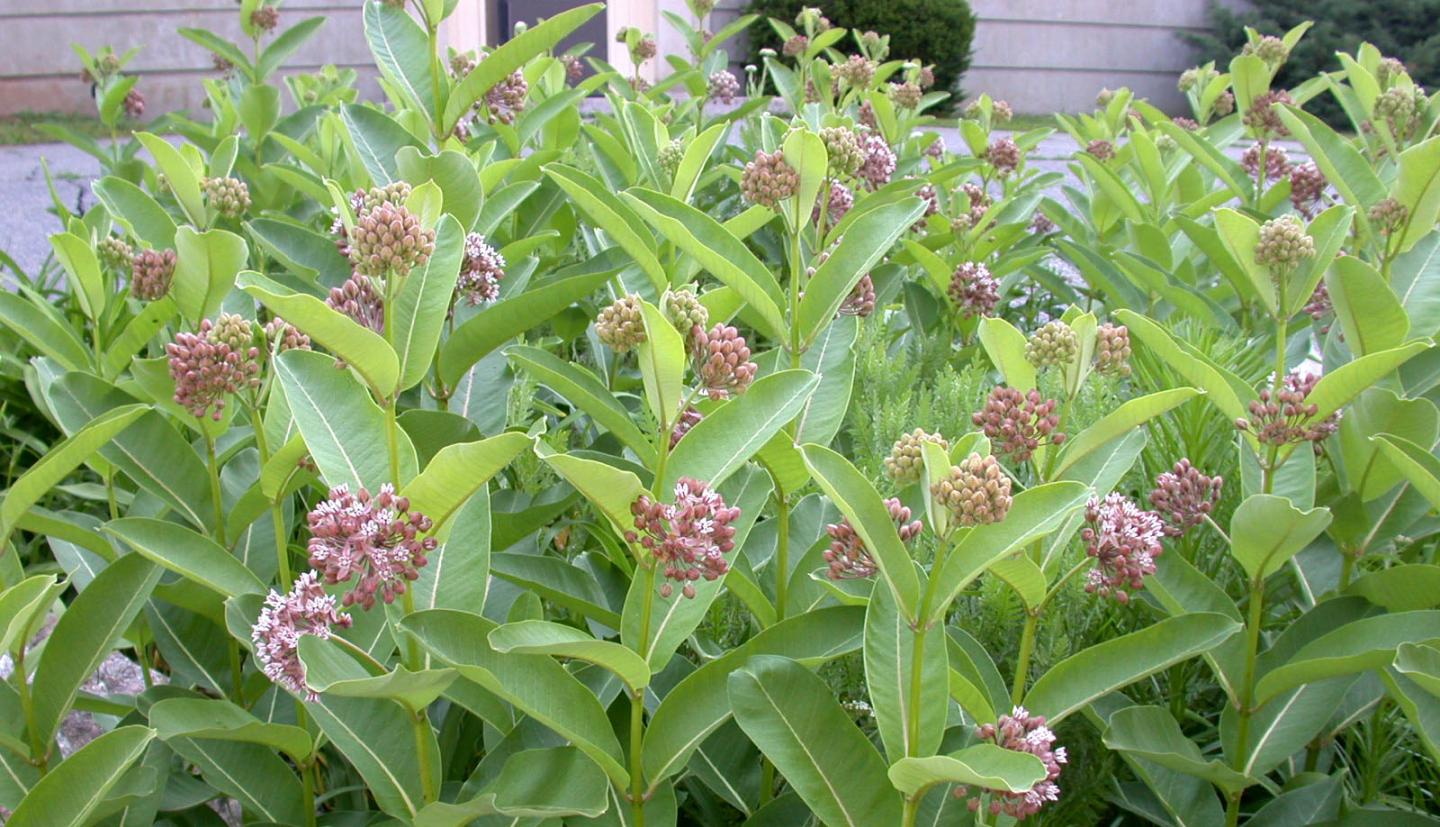
Common milkweed (Asclepias syriaca) is more than just a pretty garden perennial. Its soft pink flowers and tall green stems bring height, texture, and color to a garden, while providing essential habitat for monarch butterflies and other pollinators. Whether you’re starting from seed or expanding an existing patch, understanding its growth, care, and ecological role ensures your garden thrives and helps support wildlife.
Life Cycle of Common Milkweed: From Seed to Butterfly Magnet
What is common milkweed and what makes it unique?
Common milkweed is a native North American perennial. Unlike most garden plants, it plays a vital ecological role: monarch butterflies lay eggs on its leaves, and the caterpillars feed exclusively on them. Its clusters of pink to purplish flowers provide nectar for a variety of pollinators, making it both a visually striking and ecologically important plant.
Where does common milkweed naturally grow?
It is commonly found in meadows, prairies, roadsides, and sunny, well-drained open areas. Its adaptability to different soil types—from sandy to clay—is part of what makes it easy to include in both wildflower gardens and structured landscapes.
How long does common milkweed take to mature?
From seed, it usually takes 1–3 years to reach full maturity. Early growth may look modest, but once established, milkweed develops strong stems, dense foliage, and multiple flower clusters. Mature plants can live for many years, providing consistent food and shelter for pollinators.
When does common milkweed bloom and what do the flowers look like?
Blooming begins in mid-summer and can last several weeks. Each flower cluster is rounded and fragrant, ranging from soft pink to purplish hues. The blooms attract bees, butterflies, and hummingbirds, and their rich nectar supports a healthy pollinator population throughout the season.
What role does common milkweed play in the monarch butterfly lifecycle?
Monarchs rely on milkweed to lay eggs. Caterpillars feed exclusively on the leaves, accumulating toxins that make them less appealing to predators. Adult monarchs sip nectar from the flowers, completing their life cycle and aiding in pollination. Planting milkweed directly contributes to their survival and migration.
How to Grow Common Milkweed Successfully
How do you grow common milkweed from seed?
Milkweed seeds benefit from cold stratification—store them in a moist, cool place for a few weeks to simulate winter. Sow seeds on the soil surface, lightly cover, and keep consistently moist until seedlings emerge.
How do you plant common milkweed in a home garden?
Plant seedlings or stratified seeds in full sun with well-draining soil. Space plants 18–24 inches apart to allow room for growth. Incorporating compost or aged organic matter can improve soil fertility and support vigorous development.
How much sun does common milkweed need?
It thrives in full sun—at least six hours per day. Sun encourages taller stems, larger flower clusters, and more blooms. In partial shade, plants may survive but will be smaller and bloom less abundantly.
How much water does common milkweed need?
Young plants need regular watering until established. Once mature, milkweed is drought-tolerant and can thrive with occasional watering during prolonged dry periods. Overwatering can cause root rot, so well-draining soil is key.
Can you grow common milkweed in containers?
Yes. Large containers work well, provided they have good drainage and consistent moisture. Container milkweed may need occasional fertilization with a balanced, slow-release fertilizer to support strong growth and flowering.
Managing Common Milkweed: Benefits vs Possible Challenges
How does common milkweed spread and how aggressive is it?
Milkweed spreads via seeds and underground rhizomes. While this allows it to naturalize in wildflower meadows, gardeners may need to remove seedlings or trim rhizomes to prevent unwanted spread.
Is common milkweed toxic to humans or pets?
The sap contains compounds that can cause mild irritation or digestive upset if ingested. Wear gloves when pruning, and keep small children and pets from eating leaves or stems.
When should you cut back or manage common milkweed?
Prune spent flowers in late summer to control self-seeding. Cutting back in early spring encourages fresh growth and helps maintain a tidy plant shape. For container plants, trimming dead stems also keeps plants healthy.
Companion Plants That Support a Butterfly Garden with Milkweed
What plants grow well alongside milkweed for a butterfly garden?
Native wildflowers such as coneflowers, black-eyed Susans, and goldenrod complement milkweed with staggered bloom times and rich nectar. Grasses can provide shelter for insects, and smaller flowering plants like coreopsis add low-level color.
Which wildflowers attract butterflies and complement milkweed?
Bee balm, wild bergamot, and lavender are excellent choices. They extend nectar availability and attract a variety of pollinators beyond monarchs, creating a more dynamic ecosystem in your garden.
How do you design a pollinator-friendly garden with milkweed and companion plants?
Layer plants for height and bloom timing. Place milkweed as the centerpiece, surround it with shorter nectar-rich flowers, and leave sunny patches and sheltered areas for resting butterflies. A diverse mix of native plants encourages longer visits and supports more pollinator species.
Milkweed and Monarch Conservation: Why It Matters
What role does common milkweed play in the monarch butterfly lifecycle?
Milkweed is essential for monarch survival. By planting it, you provide food for caterpillars and nectar for adults. Even a small garden patch contributes to conservation, supporting butterfly migrations and helping maintain biodiversity. Every leaf, flower, and seed pod in your garden becomes a vital part of this ecosystem.