


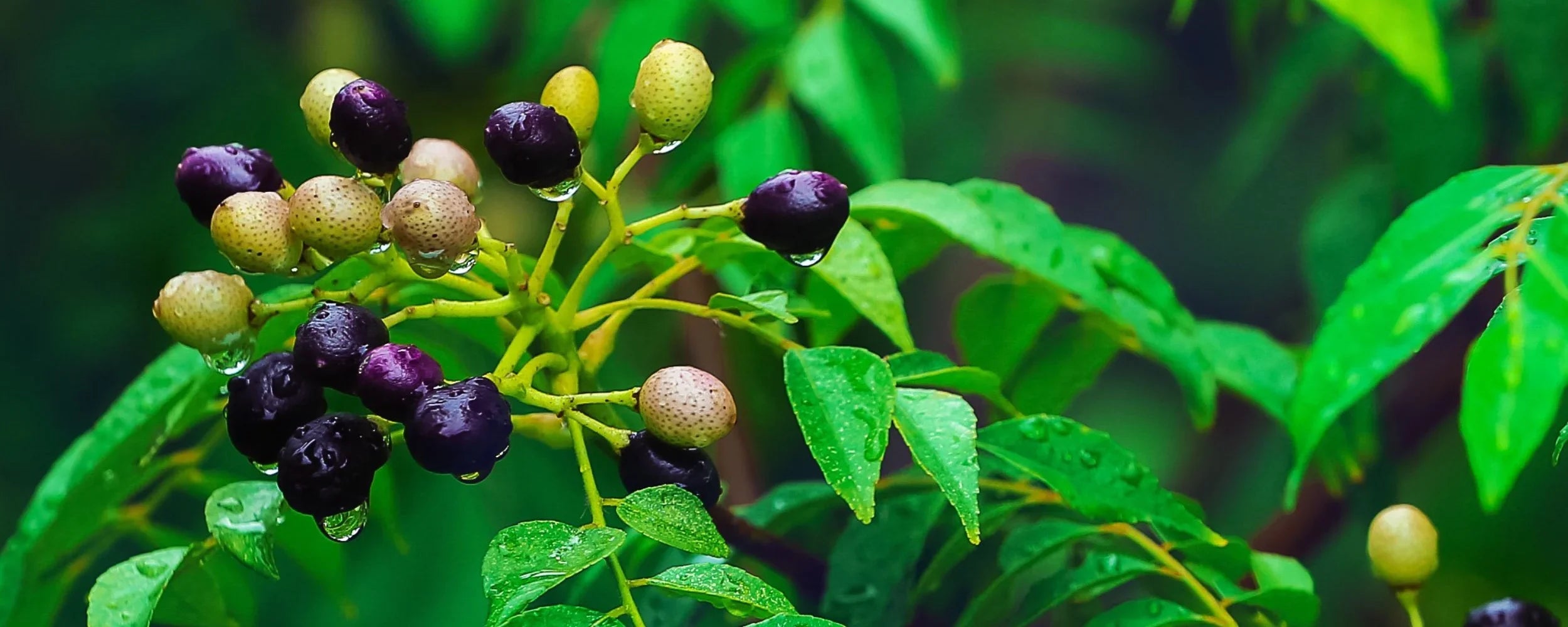
Curry leaf (Murraya koenigii) is a tropical evergreen shrub prized for its aromatic leaves, essential in Indian and Southeast Asian cooking. Beyond flavor, it is easy to grow at home with proper care.
How to Grow Curry Leaf Plant: Planting, Care, and Maintenance
Curry leaf plants thrive in warm climates with well-drained soil and regular sunlight. Proper care ensures lush growth and continuous leaf harvest for culinary use.
How do you grow a curry leaf plant successfully?
Plant in rich, well-draining soil in a sunny spot. Water moderately, allowing the soil to dry slightly between watering. Fertilize monthly during the growing season with balanced organic fertilizer. Prune lightly to encourage bushy growth.
How much sunlight does a curry leaf plant need?
Full sun is ideal—6–8 hours daily. In hot climates, partial shade during peak afternoon hours prevents leaf scorching.
What climate is best for growing curry leaf plant?
USDA zones 9–11. It thrives in tropical and subtropical climates with minimal frost. Protect young plants from temperatures below 50°F (10°C).
How often should you water a curry leaf plant?
Water moderately. Established plants tolerate some drought but prefer consistent moisture. Avoid waterlogging, which can lead to root rot.
How big does a curry leaf plant grow?
Indoors or in containers: 2–4 feet. Outdoors in optimal tropical conditions: 10–15 feet tall with a similar spread.
How long does it take for a curry leaf plant to mature?
From seed: 2–3 years for regular leaf harvest. From cuttings or grafted plants: 1–2 years.
Propagation Techniques for Curry Leaf Plant
Propagation allows you to multiply plants easily, either from seeds or stem cuttings.
How do you propagate a curry leaf plant from cuttings?
Use semi-hardwood cuttings of 4–6 inches. Dip in rooting hormone and plant in moist, well-draining soil. Keep in partial shade until roots establish, usually 4–6 weeks.
Can curry leaf plant be grown from seeds?
Yes. Remove seeds from ripe berries, wash, and sow in seed-starting mix. Seeds germinate in 2–3 weeks under warm, humid conditions.
Curry Leaf Plant in Containers and Indoor Gardening
Container growing is ideal for small spaces, apartments, or colder climates where outdoor planting is limited.
Can a curry leaf plant grow indoors?
Yes, in a bright, sunny window or under grow lights. Ensure humidity is moderate and airflow is good to prevent fungal problems.
Can curry leaf plant grow in pots or containers?
Use a large container (12–18 inches diameter) with drainage holes. Repot every 2–3 years to refresh soil and accommodate root growth.
Troubleshooting Curry Leaf Plant Problems
Understanding common issues ensures healthy leaves and prevents plant loss.
Why is my curry leaf plant not growing?
Causes include insufficient sunlight, poor drainage, or nutrient deficiency. Check soil fertility, water schedule, and sunlight exposure.
Why are curry leaf plant leaves turning yellow?
Overwatering, under-fertilization, or pest infestation (like aphids) are common causes. Adjust watering, apply balanced fertilizer, and check for pests.
Harvesting, Storing, and Using Curry Leaves
Harvesting at the right stage and storing correctly preserves flavor and aroma for cooking.
When can you start harvesting curry leaves?
Begin harvesting once the plant is at least 12–18 inches tall with several mature stems, usually 1–2 years after planting.
How do you prune a curry leaf plant?
Prune lightly to encourage branching. Remove dead or weak stems. Regular pruning keeps the plant bushy and productive.
How do you store fresh curry leaves?
Refrigerate leaves in airtight bags for 1–2 weeks. For long-term storage, freeze or dry them.
Uses and Benefits of Curry Leaves
Curry leaves are a staple in Indian and Southeast Asian cuisine, adding aroma and flavor to dishes.
Is curry leaf plant the same as bay leaf?
No. Curry leaves (Murraya koenigii) are distinct from bay leaves (Laurus nobilis). Curry leaves are smaller, aromatic, and used fresh in cooking, while bay leaves are larger and usually dried.
What does curry leaf taste like?
Aromatic, slightly citrusy with a bitter undertone when raw. Cooking enhances its flavor, releasing a nutty, savory aroma.
Where can I buy a curry leaf plant?
Specialty nurseries, online garden stores, and local plant markets often carry grafted or seed-grown plants. Look for healthy, pest-free plants with dark green leaves.
What are the health benefits of curry leaves?
Curry leaves are more than a flavoring—they provide vitamins, minerals, and antioxidants. Curry leaves are rich in vitamin A, B vitamins, calcium, iron, and antioxidants. They support digestion, help maintain blood sugar, and promote heart and eye health.