


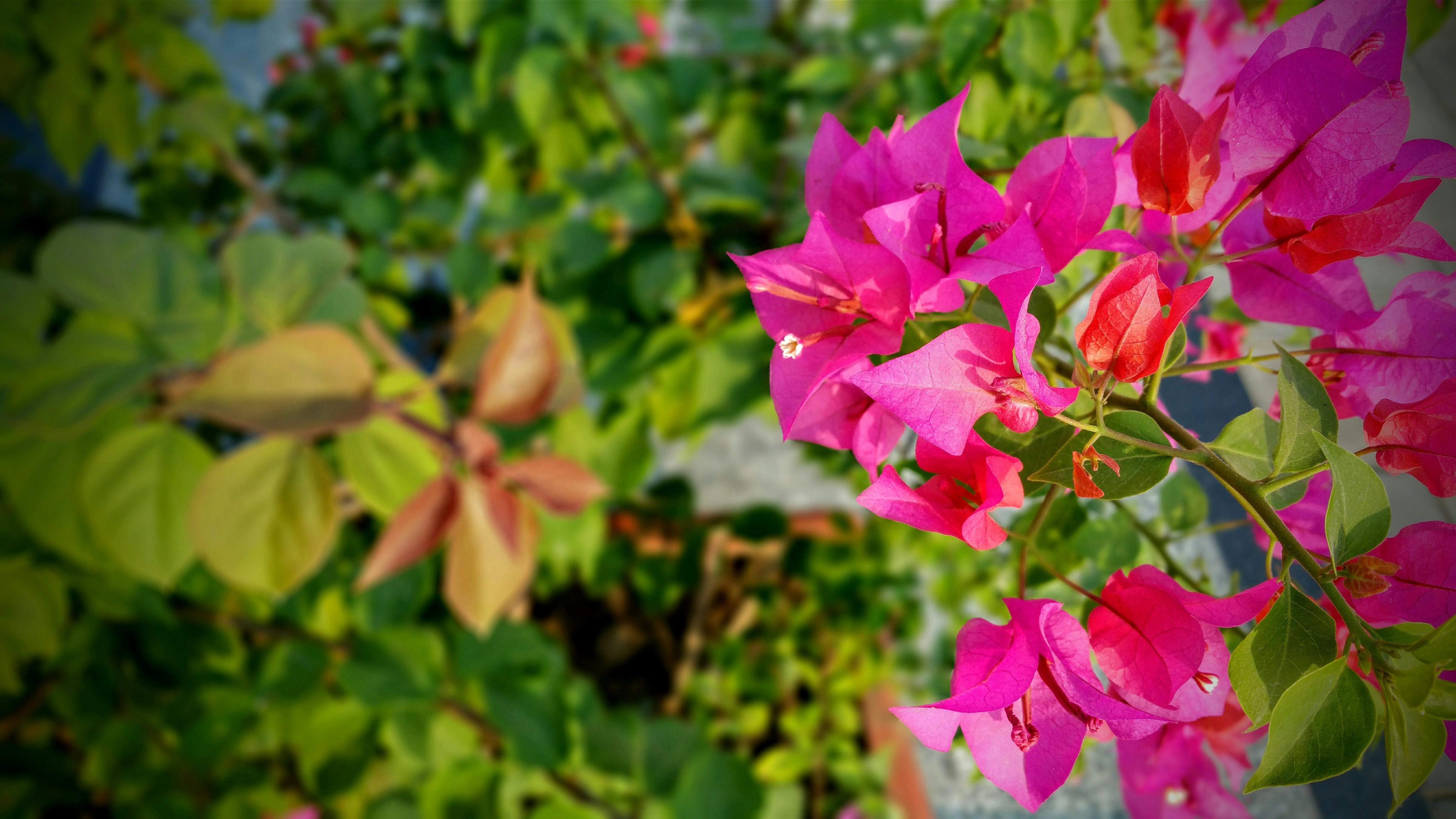
Barbara Karst Bougainvillea is a vibrant, heat‑loving climbing plant prized for its abundant magenta bracts and landscape versatility. Whether planted in containers on patios or trained up fences and arbors in gardens, this cultivar offers long‑lasting color with the right care. Below is a comprehensive guide organized around common questions gardeners ask when growing this spectacular bougainvillea.
Step‑by‑Step Care, Soil, Watering, Pruning
Healthy growth starts with understanding how to give Barbara Karst the right environment and maintenance schedule.
How do you grow Barbara Karst Bougainvillea in containers?
Barbara Karst performs well in containers with well‑draining soil and plenty of sunlight. Choose a pot with good drainage holes and use a mix of potting soil, perlite, and sand to prevent waterlogging, which can lead to root rot. Allow the soil to dry slightly between waterings; deep but infrequent watering encourages root strength without soggy conditions. Containers may need more frequent irrigation than in‑ground plantings, especially in hot weather.
Best soil mix for Barbara Karst Bougainvillea?
Well‑drained, slightly acidic to neutral soil is ideal. Sandy or loamy mixes prevent standing water around sensitive roots. In gardens with heavy clay, amend soil with sand or gravel to improve drainage. For containers, incorporate perlite or coarse sand into the potting mix to help aerate the soil.
How often should Barbara Karst Bougainvillea be watered?
Once established, Barbara Karst is drought tolerant and prefers the soil to dry out between waterings. Initially, water young plants deeply and regularly to establish roots. After that, deep watering once the top soil layer dries encourages blooming and reduces disease risk. Overwatering leads to fewer flowers and potential root issues.
Pruning tips for Barbara Karst Bougainvillea to maximize blooms?
Prune after each bloom cycle to shape the plant and encourage new flower production. Heavier pruning in late winter or early spring removes old growth and opens the plant for vigorous new shoots. Because bougainvillea blooms on new wood, timing pruning right ensures more frequent displays of color.
How do you prevent diseases like root rot in Barbara Karst Bougainvillea?
Avoid consistently wet soil. Ensure pots and planting sites have excellent drainage and allow soil surface to dry between waterings. Root rot commonly occurs from waterlogged conditions rather than drought, so water management is critical.
Barbara Karst vs. Other Bougainvillea Varieties: What Makes It Special?
Not all bougainvillea perform the same across climates or care routines. Barbara Karst stands out for particular traits.
Barbara Karst Bougainvillea vs. other Bougainvillea varieties?
Barbara Karst is noted for vibrant magenta bracts and vigorous growth. It tolerates heat and drought well once established and is often described as more floriferous in warm climates than some other cultivars. Its ability to bloom multiple times per year in frost‑free areas makes it a standout choice.
How do you encourage continuous flowering in Barbara Karst Bougainvillea?
Provide full sun, moderate water, and balanced fertilization to promote repeat blooming. Allowing mild drought stress (soil drying slightly) between waterings often stimulates flower production rather than lush foliage.
Does Barbara Karst Bougainvillea tolerate drought?
Yes. Once established, Barbara Karst shows good drought tolerance, preferring infrequent deep watering over constant moisture. This strategy encourages deep roots and supports a drought‑adapted plant habit.
Pruning and Training Barbara Karst Bougainvillea for Maximum Blooms
Training and pruning techniques help you shape this bougainvillea for both design impact and abundant blooms.
How to train Barbara Karst Bougainvillea on trellises and arches?
Because it is a climbing plant, Barbara Karst can be trained along trellises, arbors, and fences. Use soft ties to gently secure stems to support structures. Guide main canes horizontally to encourage lateral flowering branches. This approach increases the number of bloom sites and creates dynamic landscape features.
Should you prune Barbara Karst Bougainvillea after flowering?
Yes. Pruning after a bloom cycle removes spent blooms and opens the plant for new growth. This routine not only refreshes the plant’s shape but also sets it up for future flowering cycles. Heavier pruning in spring controls size while stimulating vigorous new shoots that will produce more blooms later.
Best Climates and Conditions for Barbara Karst Bougainvillea
Understanding climate preferences ensures your bougainvillea thrives where you plant it.
What climates are ideal for Barbara Karst Bougainvillea?
Barbara Karst thrives in warm, sunny climates, generally USDA hardiness zones 9–11. It performs best where frost is rare, and heat and sun are abundant. In cooler climates, container culture allows you to protect the plant indoors during cold months.
Can Barbara Karst Bougainvillea survive frost?
It can tolerate light frost but may drop leaves and suffer dieback in colder temperatures. When winter temperatures dip below freezing, protective measures or indoor sheltering help prevent severe damage.
What is the ideal sun exposure for Barbara Karst Bougainvillea?
Full sun—at least six hours of direct sunlight daily—is key to abundant flowering and vibrant color. Insufficient light often results in fewer blooms and weaker growth.
Design Ideas: Using Barbara Karst Bougainvillea in Landscapes
Barbara Karst’s adaptability makes it valuable in diverse landscape styles, from Mediterranean gardens to tropical patios.
Can Barbara Karst Bougainvillea be grown indoors or in small spaces?
Yes. In cooler regions or limited spaces, container planting on balconies or patios allows indoor relocation before cold weather. In small landscapes, training the vine vertically on trellises or pergolas creates a dramatic focal point without consuming ground space.
Fertilizing Barbara Karst Bougainvillea: What Works Best
Fertilization supports strong growth and prolific blooming when applied correctly.
What fertilizers increase bloom intensity in Barbara Karst Bougainvillea?
Use a balanced or bloom‑boosting fertilizer with higher phosphorus and lower nitrogen during the growing season. Products like a 2‑10‑10 ratio help stimulate flower production without excessive leafy growth. Apply fertilizer every 4–6 weeks while the plant is actively growing. Organic options like bone meal also supply phosphorus for bloom formation.
How Fast Does Barbara Karst Bougainvillea Grow? Growth Habits Explained
Growth rate and overall size depend on the environment and care.
How tall does Barbara Karst Bougainvillea grow in containers?
When grown in containers, Barbara Karst typically remains more compact than in the ground but still reaches a size suitable for dramatic displays on trellises or arbors. Vigorous growth in full sun and warm climates often results in rapid extension of stems during the growing season.
How fast does Barbara Karst Bougainvillea grow?
Barbara Karst can exhibit rapid growth in warm, sunny locations with consistent watering and nutritious soil during the growing season. Expect noticeable stem extension and leaf production in each season, especially when trained and pruned properly.