


The Evergreen Huckleberry (Vaccinium ovatum) is one of the Pacific Northwest’s most cherished native shrubs — admired for its glossy leaves, dusky berries, and year-round beauty. Whether you’re a native plant gardener, a forager, or simply someone who appreciates ecological landscaping, this guide brings together everything you need to know about identifying, growing, and understanding this remarkable species.
What is Evergreen Huckleberry and How Can You Identify It?
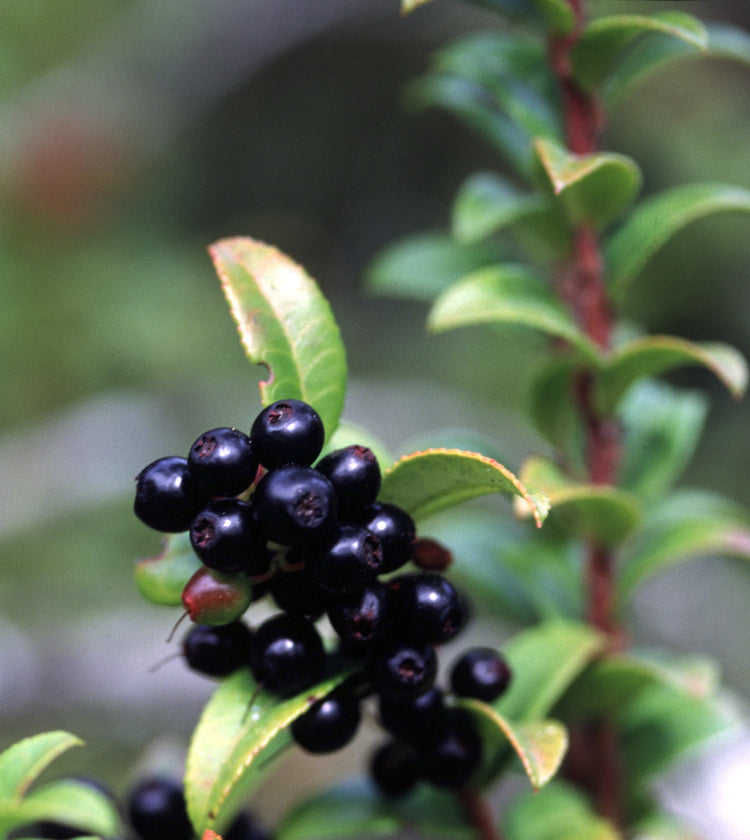
Evergreen Huckleberry is a broadleaf evergreen shrub in the Ericaceae family, related to blueberries and lingonberries. It typically grows 3–10 feet tall. In shaded forests, it stretches upright, while in full sun, it forms a compact, bushy shape. Its small, leathery leaves are glossy green, sometimes showing bronze or burgundy tones in cooler months. The plant produces bell-shaped pink-white flowers in spring, followed by clusters of dark purple berries in late summer and fall. It thrives in acidic, well-drained soils and forms beneficial mycorrhizal relationships, enhancing nutrient uptake.
How Do You Grow Evergreen Huckleberry Successfully?
To grow Evergreen Huckleberry, choose a location with well-drained, acidic soil. It tolerates partial to full sun, though light exposure affects berry production and foliage density. Water consistently during the first year to establish roots, then allow soil to dry slightly between waterings. Mulching helps retain moisture and suppress weeds, and fertilizing sparingly with an acid-loving fertilizer encourages healthy growth. The shrub is slow-growing at first but becomes low-maintenance and highly resilient once established, perfect for hedges, woodland gardens, or naturalized landscapes.
How Much Sunlight Does Evergreen Huckleberry Need to Thrive?
Evergreen Huckleberry thrives in partial shade to full sun. Full sun encourages dense foliage and higher berry yields, while partial shade protects the plant in hot regions. Understanding sunlight requirements ensures vibrant leaves and abundant fruit, which is crucial for both ornamental and edible gardening purposes.
What Type of Soil Does Evergreen Huckleberry Prefer?
This shrub prefers acidic soils with a pH of 4.5–6.0. Well-drained sandy loam enriched with organic matter is ideal. Heavy clay or poorly drained soils can lead to root rot, so consider raised beds or soil amendments if drainage is an issue. Healthy soil promotes vigorous growth, strong flowering, and consistent berry production.
How Often Should You Water Evergreen Huckleberry?
During the first year, Evergreen Huckleberry requires regular watering to establish strong roots. Once established, it is moderately drought-tolerant. Deep watering once or twice a week is sufficient depending on weather conditions. Avoid frequent shallow watering, which can weaken root development. Mulching also helps retain moisture and protect roots during hot summer months.
What USDA Zones and U.S. States Are Best for Evergreen Huckleberry?
Evergreen Huckleberry grows best in USDA zones 6–9, thriving along the Pacific Coast. In the U.S., it is commonly found in Washington, Oregon, and northern California. Knowing your USDA zone helps ensure the plant survives winter and blooms reliably. Gardeners outside these zones can grow it in containers or protected garden beds, with winter insulation to extend its growing range.
Can Evergreen Huckleberry Grow in Containers or Small Gardens?
Yes, it adapts well to large containers, making it suitable for patios, balconies, or urban gardens. Use acidic, well-draining potting soil, and ensure proper drainage. Container-grown plants need more frequent watering and occasional fertilization but can thrive for years. This flexibility allows gardeners in cooler climates to move plants indoors or protect them from frost.
How Do You Prune Evergreen Huckleberry for Best Growth and Berry Production?
Pruning encourages healthy growth, compact form, and improved berry yields. Late winter or early spring is ideal. Remove dead, damaged, or crossing branches. Light pruning maintains shape, while heavier pruning every few years can rejuvenate older plants. Avoid excessive pruning, as it may reduce fruiting for the season.
Is Evergreen Huckleberry Edible and How Can You Use Its Berries?
Yes, the berries are edible and have a mildly sweet-tart flavor. They can be eaten fresh or used in baking, jams, syrups, sauces, or preserves. Historically, Indigenous peoples dried the berries or preserved them with animal fat. Rich in antioxidants and vitamins, these berries are nutritious and versatile, making them a valuable addition to both traditional and modern recipes.
When Does Evergreen Huckleberry Produce Berries and How Can You Harvest Them?
Berries typically ripen from late summer through fall, later than many other native berries. Fully ripe berries are dark purple to nearly black. Timing depends on sunlight, soil, and climate. Harvest berries carefully to maintain plant health, leaving some for wildlife, which relies on them as a late-season food source.
What Are the Other Native Berries of the Pacific Northwest?
Evergreen huckleberry grows among some of the Pacific Northwest’s most iconic native berry plants, including salmonberry, red huckleberry, thimbleberry, and salal. Each one thrives in slightly different conditions, which helps create a long, continuous season of fruit for both wildlife and foragers.
Salmonberries ripen early in spring along moist forest edges and streams. Red huckleberries appear later on mossy, acidic forest floors. Thimbleberries thrive in sunny clearings, producing soft, raspberry-like fruit. Salal, another evergreen shrub, offers late-season berries and dense year-round shelter for birds.
How Can You Create a Native Plant Garden with Evergreen Shrubs?
Evergreen huckleberry provides year-round structure, glossy foliage, and edible berries, making it ideal for low-maintenance, wildlife-friendly gardens. Growing 3–10 feet tall, it adapts to sun or shade and prefers acidic, well-drained soil.
Pairing it with salal, Oregon grape, and red flowering currant creates layered, resilient plantings. Its dense growth is excellent for hedges or naturalized woodland gardens. Using evergreen huckleberry supports biodiversity, attracts birds and pollinators, and reduces garden maintenance.
How Do You Forage Wild Huckleberries Safely and Sustainably?
Evergreen huckleberry produces dark, sweet-tart berries from late summer into fall, offering one of the last foraging opportunities in the Pacific Northwest. The shrub can be identified by its small, leathery evergreen leaves, bell-shaped pink-white flowers, and clusters of dark purple berries. Foragers are advised to wait until the fruit is fully ripe, which enhances flavor and ensures plant health.
Historically, Indigenous communities dried the berries into cakes for winter or preserved them with animal fat. Beyond traditional preservation, these berries remain versatile in modern kitchens: they can be enjoyed fresh, baked into pies or muffins, simmered into jams or syrups, or even incorporated into sauces to accompany meats or cheeses.
What Wildlife Benefits Do Evergreen Huckleberries Provide?
Evergreen huckleberry and other Ericaceae family members play essential roles in Pacific Northwest ecosystems. Its flowers attract bees, butterflies, and other pollinators, while its berries provide food for birds and mammals through fall and winter. The shrub’s dense branches create shelter and nesting sites, supporting biodiversity and soil stabilization. Its adaptability to varying light and soil conditions allows it to thrive in gardens, restoration projects, and naturalized landscapes.
How Have Indigenous Peoples Used Huckleberries in the Pacific Northwest?
Indigenous communities have long valued Evergreen Huckleberry for food, preservation, and medicinal uses. Its edible berries have been harvested by Indigenous communities for food and preservation. Understanding these native berry species helps gardeners and ecologists design plantings that extend fruit availability, support wildlife, and maintain cultural heritage.
Berries were eaten fresh, dried into cakes, or preserved with animal fat. Leaves were sometimes used for digestive or urinary remedies. Planting this shrub today honors traditional knowledge, preserves cultural heritage, and supports ecological functions, connecting modern gardening to centuries of Indigenous stewardship.
Conclusion
Evergreen Huckleberry (Vaccinium ovatum) is a resilient, ecologically valuable, and versatile shrub. Its evergreen foliage, late-season berries, and adaptability make it perfect for gardens, woodland landscapes, and restoration projects.
By planting Evergreen Huckleberry, gardeners support pollinators, wildlife, and biodiversity, while enjoying edible berries and ornamental beauty. Whether in hedges, container gardens, or native plant landscapes, this shrub bridges ecological, culinary, and cultural value—making it a standout choice for sustainable gardening year-round.