
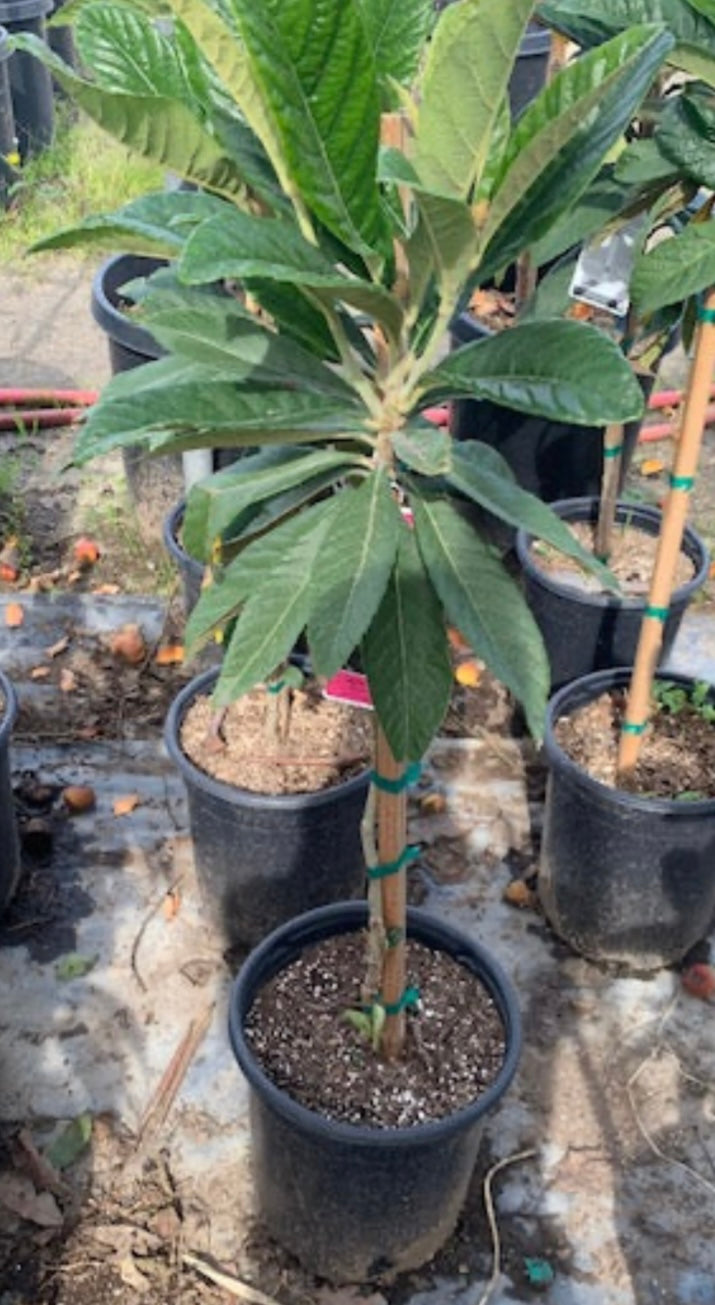
If you're looking for a fruit tree that's productive, attractive, and relatively easy to grow, the Big Jim loquat (Eriobotrya japonica ‘Big Jim’) tree deserves a spot on your list.
It's one of the most popular loquat varieties for home gardens thanks to its large, sweet fruit, evergreen foliage, and adaptability to a wide range of growing conditions.
01How Long Does It Take for a Big Jim Loquat Tree to Produce Fruit?
A grafted Big Jim loquat tree typically begins producing fruit within two to four years after planting. While it's exciting to look forward to your first harvest, young trees need time to establish a healthy root system before they consistently produce fruit.
In our experience, gardeners who prioritize proper watering, full sun, and healthy soil during the first few years are rewarded with stronger trees and better harvests down the road. It's also normal for a young tree to produce only a handful of fruits before becoming more productive with age.
Why Isn't My Loquat Tree Producing Fruit?
If your tree isn't producing fruit, the first thing to consider is its age. Young trees often aren't mature enough to flower consistently.
Other common causes include:
- Too little sunlight
- Excess nitrogen fertilizer
- Frost damage to flowers
- Drought during flowering
- Heavy pruning before bloom
We often see gardeners focus on fertilizing more when the real issue is sunlight or timing. Before making changes, look at the overall health of the tree and whether it's flowering at all.
02Watering & Fertilizing
How Often Should I Water My Big Jim Loquat Tree?
Water deeply rather than frequently.
Newly planted trees generally benefit from watering once or twice each week, while established trees usually need supplemental watering only during extended dry periods.
Instead of watering on a fixed schedule, check the soil a few inches below the surface. If it's still moist, wait another day or two. Consistently saturated soil can lead to root problems, yellow leaves, and slower growth.
One reason we like Big Jim is that, once established, it's relatively drought tolerant compared to many other fruit trees.
What Fertilizer Should I Use for My Loquat Tree?
A balanced, slow-release fertilizer formulated for fruit trees is usually the best option.
One mistake we commonly see is using lawn fertilizer around fruit trees. High nitrogen encourages lush foliage but often reduces flowering and fruit production.
Healthy soil, moderate fertilization, and consistent watering generally produce better long-term results than frequent feeding.
Why Are My Loquat Tree Leaves Turning Yellow?
Yellow leaves usually indicate a growing condition that needs attention rather than a serious disease.
Common causes include:
- Overwatering
- Poor drainage
- Nutrient deficiencies
- Transplant stress
- Natural aging of older leaves
Our recommendation is to check soil moisture first. If the roots stay wet for long periods, correcting drainage often solves the problem before additional fertilizer is needed.
03Pruning & Common Problems
What Are Common Problems with Loquat Trees?
Fortunately, loquats are relatively low-maintenance fruit trees.
The most common issues we encounter include:
- Aphids
- Scale insects
- Leaf spot diseases
- Frost damage to flowers
- Birds feeding on ripe fruit
Regular observation makes a big difference. Catching pests or disease early usually prevents small problems from becoming larger ones.
How Do I Trim and Prune My Loquat Tree?
The best time to prune is after harvesting.
Focus on removing:
- Dead branches
- Crossing limbs
- Weak growth
- Crowded interior branches
We've found that light annual pruning is much more effective than removing large portions of the tree every few years. An open canopy improves airflow, sunlight penetration, and harvesting.
04Growing Conditions
Can I Grow a Loquat Tree in a Container or Pot?
Yes. Big Jim loquats can grow successfully in large containers, particularly during their younger years.
Choose a container with excellent drainage and expect to water more frequently than an in-ground tree. Eventually, many gardeners transplant their trees into the landscape where roots have more room to develop.
Container growing is an excellent solution for patios, smaller yards, or gardeners in colder climates who want greater flexibility.
Do Loquat Trees Need Full Sun or Partial Shade?
Full sun consistently produces the healthiest trees and best fruit.
Although loquats tolerate partial shade, reduced sunlight often means fewer flowers and lower yields. We recommend planting where the tree receives at least six to eight hours of direct sunlight each day whenever possible.
What Kind of Soil Do Loquat Trees Prefer?
Loquats grow best in fertile, well-drained soil but adapt surprisingly well to many soil types.
In our experience, drainage is far more important than achieving the perfect soil composition. If water sits around the roots after rain, improving drainage before planting will give your tree a much better start.
Adding compost before planting can also improve soil structure and encourage healthy root development.
05Bloom, Harvest & Ripeness
When Do Loquat Trees Bloom and When Is Harvest Time?
Depending on your climate, loquats typically bloom during fall or winter, with fruit ripening from late winter into spring.
Rather than relying solely on the calendar, watch the fruit itself. Ripe loquats develop rich yellow-orange color, soften slightly, and detach easily from the stem.
How Do I Know If My Loquat Fruit Is Ripe?
Ripe fruit should:
- Develop full yellow to orange color
- Feel slightly soft
- Pull away easily from the branch
One mistake we frequently see is harvesting too early. Unlike some fruits, loquats don't improve significantly after picking, so allowing them to ripen on the tree produces the best flavor.
Is Big Jim Loquat Self-Pollinating or Do I Need Multiple Trees?
Big Jim is generally considered self-pollinating, so a single tree can produce fruit.
That said, planting another compatible loquat nearby may improve pollination and increase yields. If space allows, multiple varieties can be beneficial, but they're not required for home production.
06Choosing & Sizing Your Tree
What's the Best Tasting Loquat Variety for Home Gardens?
Every gardener has a favorite, but Big Jim consistently ranks among the best because it combines excellent flavor with impressive fruit size.
Some varieties may lean sweeter or more tart, but Big Jim offers a well-balanced eating experience that appeals to most home gardeners while producing consistently large fruit.
Is a Big Jim Loquat Better Than Other Loquat Varieties?
There's no single "best" loquat for every garden, but Big Jim is one of the easiest varieties to recommend.
Its combination of large fruit, attractive appearance, dependable production, and relatively easy care makes it an excellent choice for both first-time growers and experienced fruit tree enthusiasts.
How Tall Will My Big Jim Loquat Tree Grow?
If left unpruned, a mature Big Jim loquat tree can reach approximately 15 to 30 feet tall.
Most homeowners prefer maintaining a height closer to 10 to 15 feet through annual pruning. A smaller tree is easier to harvest, inspect, and maintain without reducing fruit production.
What's the Best Time to Plant a Big Jim Loquat Tree?
Fall and early spring are usually the best planting seasons because moderate temperatures allow roots to establish before periods of extreme heat.
We generally recommend avoiding planting during the hottest part of summer whenever possible.
07Final Thoughts
The Big Jim loquat tree has earned its reputation as one of the best fruit trees for home gardens because it offers an excellent balance of productivity, flavor, and ease of care. Most growing challenges come down to proper watering, sunlight, and patience while the tree becomes established.
Starting with a healthy nursery-grown tree, planting it in a well-drained location, and following consistent care practices will set you up for years of reliable harvests. Whether you're planting your first fruit tree or expanding an existing backyard orchard, Big Jim remains a dependable choice that rewards good gardening with delicious fruit season after season.
Want This in Your Own Garden?
If patience isn't part of the plan, we've got plants ready to plant today — browse the full collection.
Browse Landscape Plants