


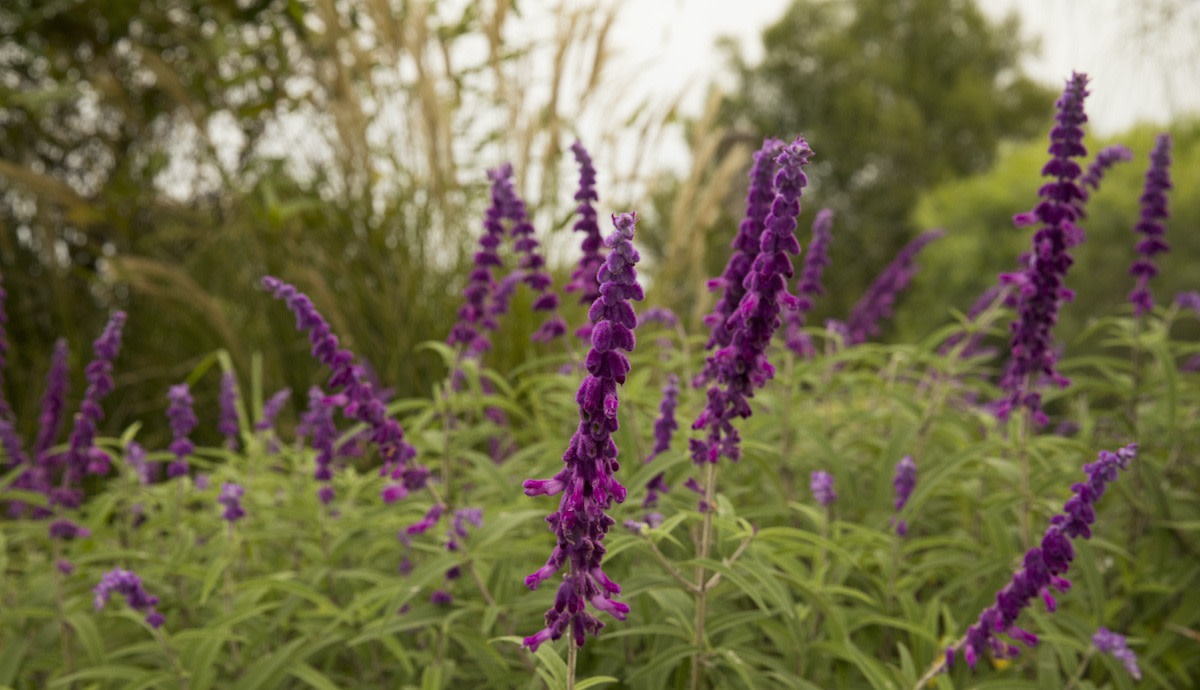
Mexican Sage (Salvia leucantha) is a striking ornamental plant known for its velvety purple spikes and soft silver-green foliage. Beyond its beauty, it attracts pollinators, tolerates drought, and adapts to a variety of garden conditions, making it a favorite for gardeners seeking vibrant color with minimal maintenance.
What Is Mexican Sage and Why Is It Popular?
Mexican Sage is a perennial shrub native to Mexico and Central America. Its long, arching stems produce clusters of purple and white tubular flowers from late summer to fall, creating visual drama in gardens. The plant’s silvery foliage and upright growth habit make it an excellent backdrop or filler in mixed borders. Its low-maintenance nature and ability to attract bees, butterflies, and hummingbirds add ecological value while enhancing garden aesthetics.
How Do You Grow Mexican Sage in Different Climates?
Mexican Sage thrives in warm, sunny climates but can adapt to milder or coastal regions. In full sun and well-draining soil, it tolerates heat and moderate drought. In cooler zones, treat it as a perennial, protecting roots with mulch or planting in containers that can be moved indoors during frost. Its versatility makes it suitable for USDA Zones 8–11, where winters are mild and summers are long enough for robust flowering.
What Soil and Sunlight Conditions Does Mexican Sage Prefer?
This plant prefers well-draining soil, ranging from sandy loam to moderately fertile garden soil. Full sun for at least six hours a day encourages the best flowering and foliage color. While Mexican Sage tolerates partial shade, too little sunlight can reduce blooms and overall plant vigor. Avoid poorly drained or heavy clay soils, which can lead to root rot.
How Often Should You Water Mexican Sage?
Young Mexican Sage plants require regular watering to establish roots, typically once or twice a week depending on rainfall. Once established, the plant is drought-tolerant and only needs supplemental watering during prolonged dry periods. Overwatering can harm the plant, so it’s best to let the soil dry slightly between waterings.
How Do You Prune and Care for Mexican Sage for Vibrant Blooms?
Pruning helps maintain shape and encourages fuller growth. After flowering, remove spent blooms to prevent legginess and encourage new stems. In late winter or early spring, cut the plant back by about one-third to promote healthy growth and a strong flowering display. Occasional feeding with compost or a balanced organic fertilizer supports lush foliage and abundant blooms.
When Does Mexican Sage Bloom?
Mexican Sage typically blooms from late summer through fall. Its vibrant purple spikes persist for several weeks, often extending into early winter in mild climates. Regular pruning after flowering helps maintain energy for the next bloom cycle.
Which Companion Plants Enhance Mexican Sage Gardens?
Mexican Sage pairs well with plants that complement its color, texture, and growth habit. Pineapple Guava, Goji Berry, and Fig Trees create a tropical-Mediterranean aesthetic. Drought-tolerant companions like Purple Prickly Pear Cactus or Yellow Bush Daisy provide contrast and reinforce water-wise landscaping principles. These combinations also support pollinators and improve garden biodiversity.
How Does Mexican Sage Support Pollinators?
The tubular flowers of Mexican Sage attract hummingbirds, bees, and butterflies, providing a rich nectar source from late summer into fall. Planting Mexican Sage near other native or flowering species extends foraging opportunities, creating a vibrant pollinator corridor that benefits the entire garden ecosystem.
Is Mexican Sage Frost-Hardy?
Mexican Sage is not fully frost-hardy. Temperatures below 25°F (-4°C) can damage or kill the plant. In cooler climates, protect roots with mulch or grow the plant in containers that can be moved indoors or to a sheltered location during winter.
Can Mexican Sage Grow in Containers?
Yes, Mexican Sage adapts well to large containers. Use a well-draining potting mix and ensure the container has adequate drainage holes. Containers allow mobility in cooler regions and provide an opportunity to control soil quality and moisture more precisely.
Is Mexican Sage Invasive?
Mexican Sage is generally non-invasive. It spreads slowly by seeds but does not aggressively take over landscapes, making it suitable for mixed borders and pollinator gardens without fear of unwanted proliferation.
Is Mexican Sage Deer-Resistant?
Yes, Mexican Sage is deer-resistant. Its aromatic foliage and slightly fuzzy texture make it unappealing to most deer, allowing it to thrive in regions where deer browsing is common.
What Are the Best Landscape Uses for Mexican Sage?
Mexican Sage works well in borders, pollinator gardens, xeriscaping, and mixed perennial beds. Its height and color create structure, while its drought tolerance allows it to remain vibrant even during dry periods. It’s also ideal for container gardening and creating wildlife-friendly corridors.
What Common Problems Affect Mexican Sage and How Can You Fix Them?
While hardy, Mexican Sage can face occasional issues. Powdery mildew may develop in humid conditions—ensure good airflow and avoid overhead watering. Aphids or whiteflies can appear early in the season; a spray of water or neem oil controls infestations. Overwatering may cause drooping stems or root rot, so maintain well-drained soil and adjust irrigation accordingly.
What Is the Cultural and Historical Significance of Mexican Sage?
Beyond its ornamental value, Mexican Sage has been used for centuries in traditional Mexican and Central American gardens. It symbolizes resilience and renewal, thriving under harsh sun and dry soil. Today, gardeners worldwide plant Mexican Sage to combine aesthetic beauty with ecological and cultural storytelling, bridging modern landscapes with historical heritage.
Why Mexican Sage Is Ideal for Drought-Tolerant Gardens
Mexican Sage is a cornerstone plant for low-water landscapes. Once established, it thrives with minimal irrigation while maintaining blooms and attracting pollinators. Pairing it with other drought-tolerant species enhances color, texture, and ecological resilience, supporting sustainable garden design.