


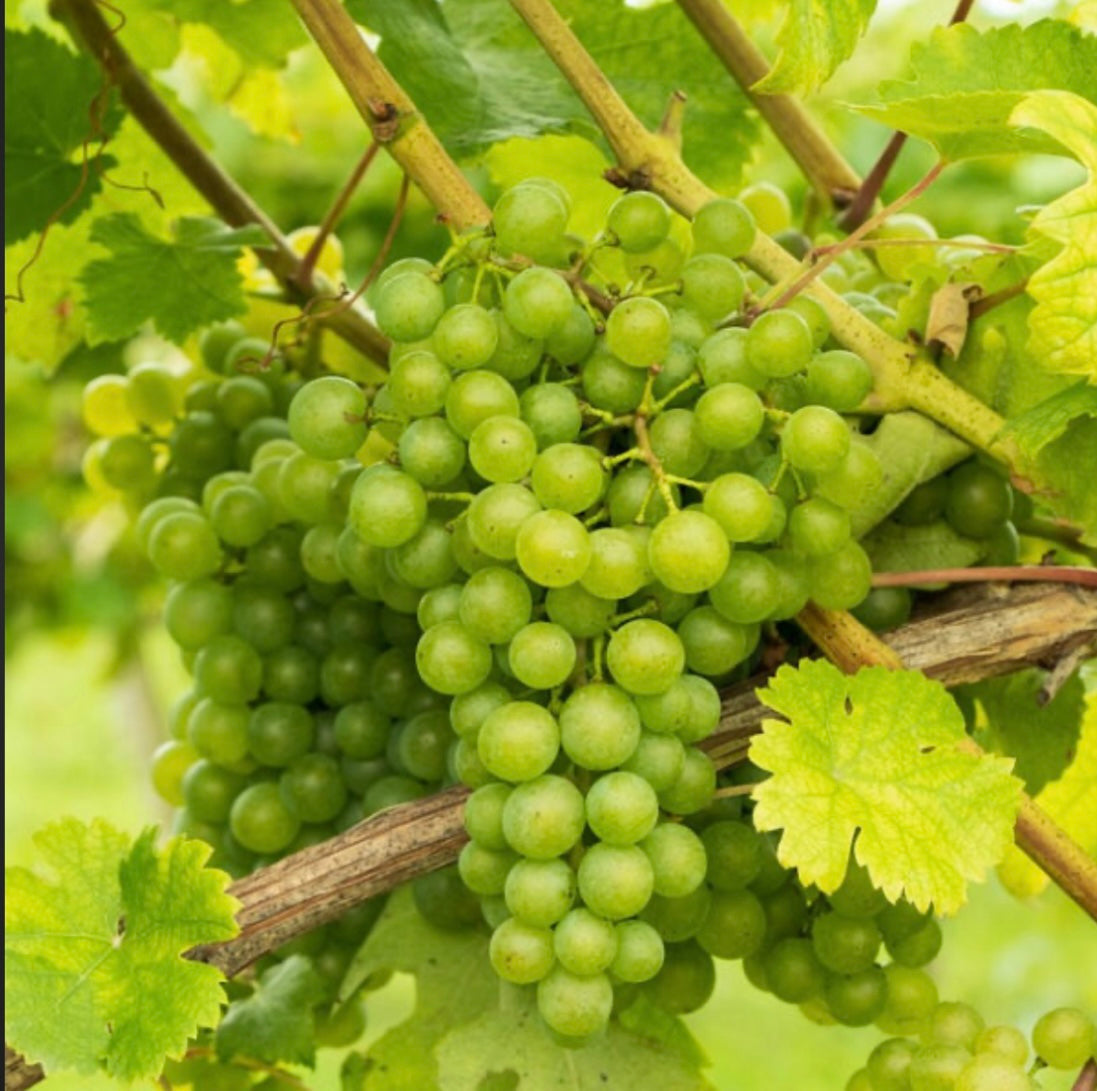
Seedless grape vines are ideal for edible landscaping because they blend functionality with aesthetics. They produce sweet, easy-to-eat fruit while adding vertical structure, seasonal interest, and habitat for pollinators. Whether trained along trellises, arbors, or fences, seedless grapes provide both culinary and visual value. Understanding varieties, planting methods, seasonal care, and companion planting will help you create a thriving and sustainable grape-friendly garden.
Best Seedless Grape Varieties for Home Gardens
Seedless grape varieties differ in flavor, growth habits, disease resistance, and climate tolerance. Choosing cultivars suited to your region ensures productivity and low-maintenance care.
What are the best seedless grape varieties for edible landscaping?
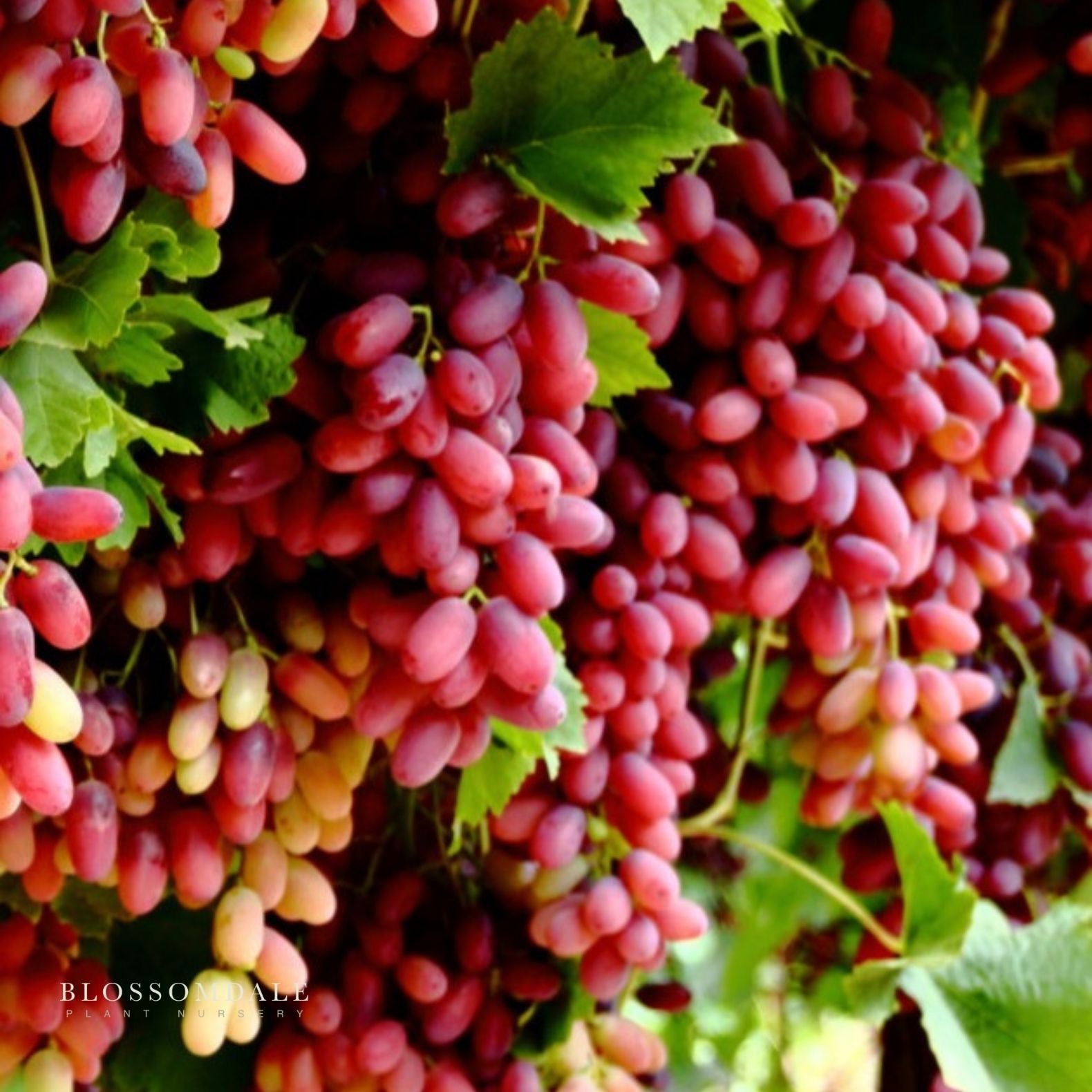
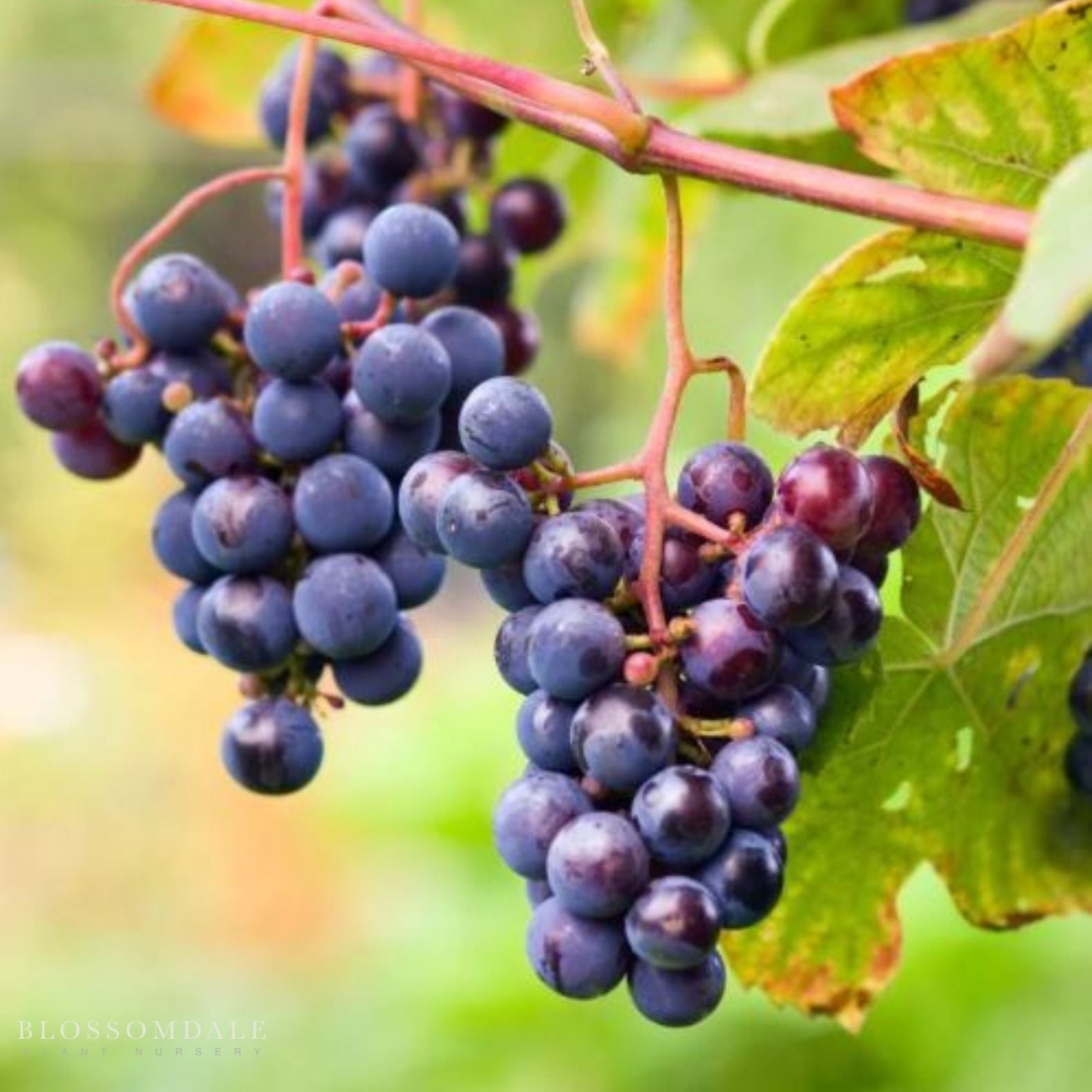
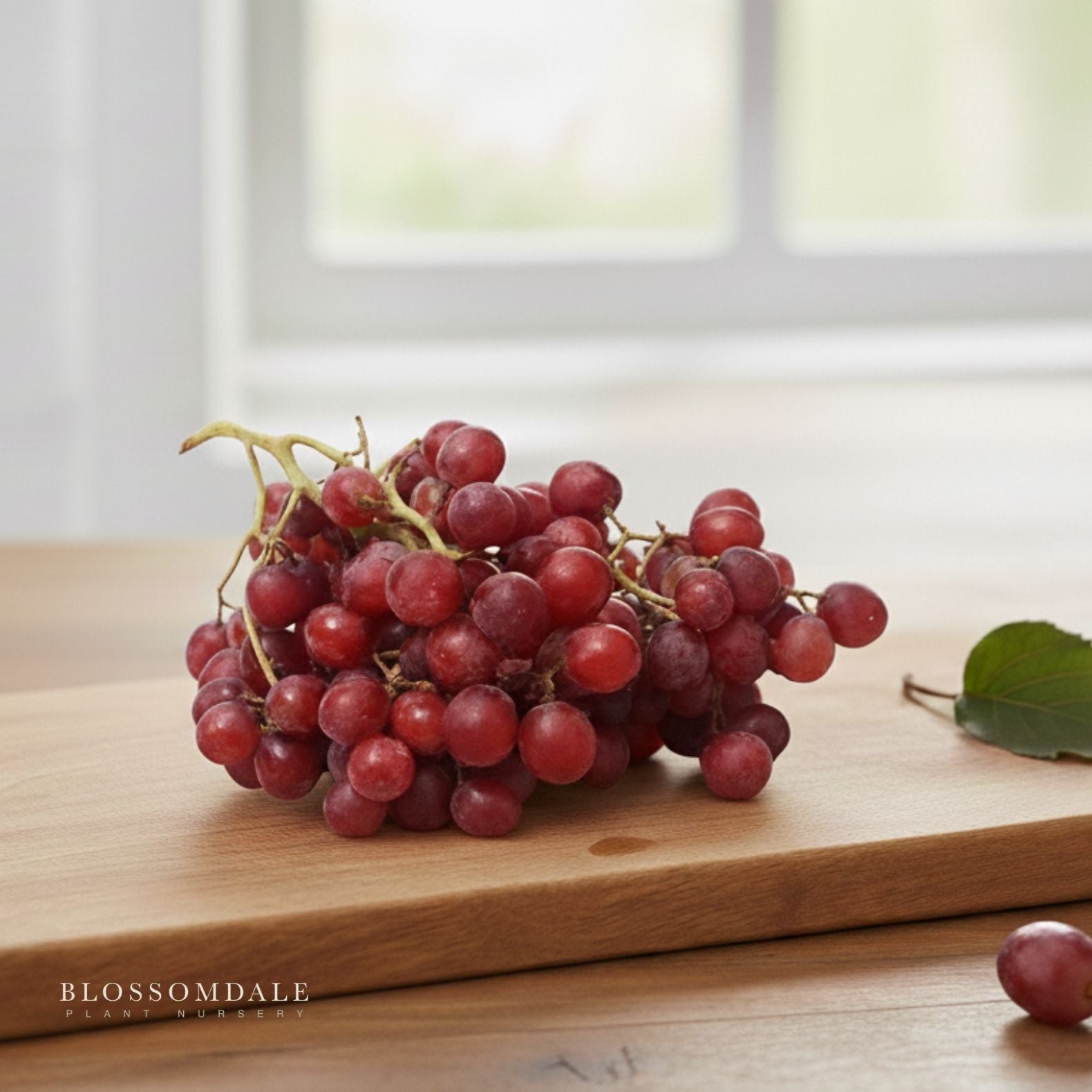
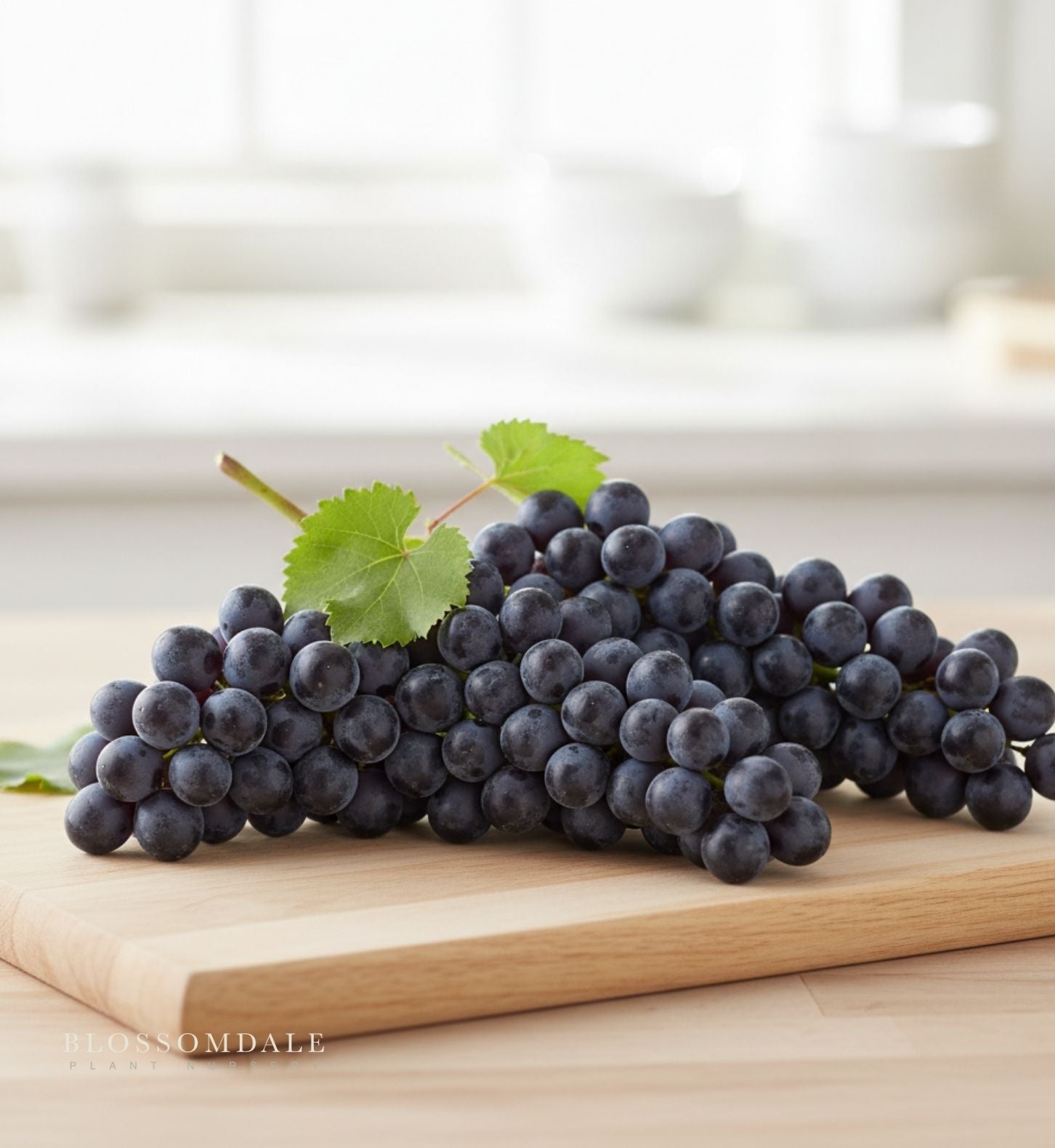
Popular options include Concord Seedless, Crimson Seedless, Flame Seedless, and Thompson Seedless. Concord Seedless produces deep purple fruit with rich flavor, ideal for fresh eating and preserves. Crimson Seedless has crisp, sweet red fruit, offering both edible and ornamental appeal. Flame Seedless and Thompson Seedless are widely cultivated for their reliable yields and adaptability to home gardens.
Seasonal Shipping
Seasonal Shipping
Ships on February 15, 2027
Crimson Seedless Table Grape Vine
Ships on February 15, 2027
Concord Seedless Table Grape Vine
What are common seedless grape varieties for gardens?
Other versatile cultivars include Himrod, Reliance, and Summer Royal. These varieties are known for early fruiting, manageable vine size, and sweet table-quality grapes. Understanding your local growing season and disease pressures can help refine your choice.
What rootstocks are best for seedless grape vines?
Rootstock selection is important for soil adaptation and pest resistance. Rootstocks that resist phylloxera and nematodes support vine vigor and longevity. Consulting regional extension recommendations ensures the best match for your soil and climate.
How to Grow Seedless Grapes in Small Spaces or Containers
Even urban gardens or patios can accommodate grape vines. Compact or container-adapted varieties make edible landscaping feasible in limited spaces.
How do you grow seedless grapes at home?
Seedless grapes need at least 6–8 hours of sunlight daily. Adequate sunlight ensures proper photosynthesis, sugar accumulation, and fruit ripening. Containers should have well-drained soil and enough depth for root growth. Fertilize lightly to encourage balanced growth without excessive leafy development.
Are seedless grapes easy to grow in home landscapes?
Yes. They are beginner-friendly when planted in suitable light, properly supported, and watered during establishment. Once established, many seedless grape varieties tolerate short dry periods and still produce high-quality fruit.
Can seedless grapes be grown without a trellis or arbor?
While possible, unsupported vines often sprawl, reducing airflow and increasing disease risk. Trellises, arbors, and fences allow for controlled growth, easier pruning, and more efficient harvesting.
Training and Trellising Seedless Grapes for Landscape Design
Grapevines are vigorous climbers. Proper trellising not only supports the plant but also enhances the garden’s vertical aesthetic.
What support structures are best for grape vines?
Options include arbors, pergolas, fences, and classic A-frame or wire trellises. Supporting the vine exposes leaves to sunlight, improves airflow to reduce disease, and creates attractive garden features that also serve as shade or privacy screens.
Seasonal Care Guide for Seedless Grapes (Pruning, Watering, Fertilizing)
Vine care changes with the season, focusing on root establishment, fruiting, and disease prevention.
How often should seedless grapes be watered when establishing?
Young vines need deep watering 1–2 times per week, depending on soil type and rainfall. Deep watering encourages roots to grow downward, improving drought tolerance later.
How do you prune seedless grape vines for best yields?
Prune dormant vines in late winter, removing old or crowded canes. Summer pruning or shoot thinning ensures sunlight penetrates the canopy, reducing fungal issues and focusing energy on fruit production.
What soil conditions do seedless grapes prefer?
Well-drained soil is critical to prevent root rot. Slightly acidic to neutral pH with moderate fertility and added organic matter supports healthy vine growth.
Companion Plants for Grapevines in Edible Landscaping
Companion plants enhance both productivity and ecosystem function.
Pollinator-friendly flowers like salvia, native asters, or lavender attract bees and beneficial insects. Low-growing herbs such as thyme, oregano, or chamomile suppress weeds and create a microclimate around the vine base, maintaining soil moisture and reducing pest pressure. These plantings help integrate grape vines into a multi-functional edible landscape.

Harvesting and Using Seedless Grapes in the Kitchen
How long does it take for seedless grapes to produce fruit?
Most seedless grape vines yield fruit within 2–3 years. Early-season varieties ripen in late summer, while later cultivars may continue producing into early fall.
Harvest grapes when they are fully colored, sweet, and easily separate from the cluster. Seedless grapes are ideal for fresh eating, salads, juices, and preserves, adding culinary versatility to your landscape.
Pest and Disease Management in Seedless Grapes
What pests and diseases affect seedless grapes?
Powdery mildew, downy mildew, and other fungal diseases can appear under poor airflow or excessive moisture. Birds and insects may feed on ripe fruit. Practices like proper trellising, pruning, spacing, and light netting can prevent many issues without chemical interventions.
Why Seedless Grapes Are a Smart Choice for Sustainable Landscaping
Seedless grape vines are both ecologically and aesthetically valuable.
Do seedless grape vines require full sun to produce fruit?
Yes. Full sun maximizes sugar accumulation, ensuring sweet and flavorful grapes.
Can seedless grapes be propagated from cuttings?
Yes, cuttings maintain varietal traits, avoiding seed germination and ensuring consistent fruit quality.
Where can I buy seedless grape vines online?
Seedless grape vines are available from various nurseries and online suppliers. Popular varieties include Concord, Flame Seedless, and Crimson Seedless, which are commonly recommended for home edible landscapes.