
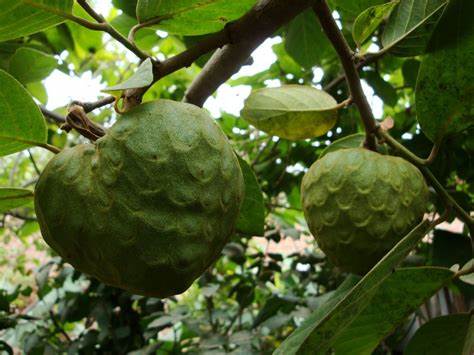
Native to the Andean regions of South America, cherimoya is prized for its creamy, custard-like texture and layered sweetness — now grown in subtropical climates worldwide.
Cherimoya, widely known as the custard apple, is one of the most prized tropical fruits for its creamy texture and layered sweetness. Native to the Andean regions of South America, Annona cherimola is now cultivated in subtropical climates around the world, including California, Spain, Australia, and parts of Asia.
01What Is Cherimoya and Why Is It So Popular?
Cherimoya continues to gain global attention for its unique flavor profile, smooth texture, and reputation as a premium fruit in specialty markets.
What is cherimoya and what does it taste like?
Cherimoya is a tropical fruit from the species Annona cherimola. Its flavor is often described as a blend of banana, pineapple, strawberry, and vanilla. The flesh is soft, creamy, and spoonable, which gives it a custard-like consistency when fully ripe.
Why is cherimoya called the custard apple?
The name "custard apple" refers to the fruit's smooth, creamy texture, which resembles a thick custard. This texture develops as the fruit softens during ripening, making it easy to scoop and eat fresh.
Is cherimoya the same as soursop or sugar apple?
Cherimoya belongs to the Annona genus, which also includes soursop (Annona muricata) and sugar apple (Annona squamosa). These are different species. Cherimoya is known for its smoother texture and milder, sweeter flavor compared to the more fibrous and tangy soursop.
02How to Grow Cherimoya Trees Successfully
Growing cherimoya requires attention to climate, soil, and planting methods. With the right setup, it can be a productive and rewarding fruit tree.
How do you grow a cherimoya tree?
Cherimoya trees grow best in subtropical climates with mild winters and minimal frost. They prefer well-draining soil with a slightly acidic to neutral pH between 6.5 and 7.6. Full sun exposure and consistent watering support healthy growth. Trees can be grown from seed or grafted stock, though grafted trees are preferred for reliable fruit quality and earlier production.
How long does it take for a cherimoya tree to bear fruit?
Seed-grown cherimoya trees typically take 5 to 8 years to produce fruit. Grafted trees can begin fruiting in 3 to 5 years under proper care and favorable conditions.
Can cherimoya grow in pots or indoors?
Cherimoya can be grown in large containers, especially in areas with limited space. However, fruit production in pots is less consistent. Indoor growing is possible for foliage, but reliable fruiting is uncommon due to limited light and the need for manual pollination.
03Climate, Pollination, and Yield
Fruit production in cherimoya trees depends heavily on environmental conditions and successful pollination.
What climate is best for cherimoya trees?
Cherimoya thrives in mild subtropical climates. Ideal temperatures range from 15°C to 25°C, with cool nights and moderate daytime warmth. Trees can tolerate brief exposure to near-freezing temperatures, but frost can damage flowers and fruit. Prolonged heat above 30°C can reduce fruit set and affect quality. In tropical regions, cherimoya performs best at elevations between 600 and 2,000 meters.
Do cherimoya trees need hand pollination?
Yes, in most growing regions, cherimoya requires hand pollination for consistent fruit production. The flowers are protogynous, meaning they open first in a female stage and later in a male stage. Natural pollinators such as beetles are often absent outside the plant's native range, so growers transfer pollen by hand to improve fruit set.
How many fruits does a cherimoya tree produce?
A mature cherimoya tree can produce around 30 to 100 fruits per season, depending on tree health, climate, and pollination success. Trees that are carefully hand-pollinated in orchard settings may produce higher yields.
04Nutrition, Benefits, and Safety
Cherimoya is valued not only for its flavor but also for its nutrient content and potential health benefits.
What are the health benefits of cherimoya?
Cherimoya is rich in vitamin C, which supports immune function, and contains dietary fiber that aids digestion. It also provides potassium, which supports heart health, along with antioxidants that help protect cells from oxidative stress.
Is cherimoya good for weight loss or digestion?
Cherimoya contains fiber that supports digestion and helps promote a feeling of fullness. While it can be part of a balanced diet, it also contains natural sugars, so portion control is important for those managing calorie intake.
Are cherimoya seeds or skin toxic?
Yes, cherimoya seeds contain toxic compounds, including annonacin-related substances, and should not be consumed. The skin is also not edible. Only the soft white flesh inside is safe to eat.
05How to Eat, Store, and Use Cherimoya
Handling cherimoya properly helps preserve its flavor and texture, whether eaten fresh or used in recipes.
How do you know when a cherimoya is ripe?
A ripe cherimoya yields slightly when pressed, similar to a ripe avocado. The skin may lighten in color, and the fruit often develops a sweet, fragrant aroma.
How do you eat cherimoya properly?
Cut the fruit in half or slice it open, then scoop out the flesh with a spoon. Remove and discard the seeds before eating. The flesh can be enjoyed fresh or added to smoothies, desserts, and chilled dishes.
Can cherimoya be stored or refrigerated?
Cherimoya should be left at room temperature to ripen. Once ripe, it can be stored in the refrigerator for a few days to slow further softening. The pulp can also be frozen for later use in recipes.
06Availability, Price, and Market Demand
Cherimoya is considered a premium fruit due to its growing requirements and limited shelf life.
Why is cherimoya so expensive or rare?
Cherimoya is labor-intensive to produce, especially because of the need for hand pollination in many regions. The fruit is delicate, bruises easily, and has a short shelf life, which limits transport and large-scale distribution.
Where can you buy cherimoya fruit or trees?
Cherimoya fruit is commonly found in farmers markets and specialty grocery stores in regions where it is grown, such as California, Spain, Chile, Peru, Australia, and New Zealand. Trees are available through nurseries that specialize in subtropical and rare fruit plants.