


Dwarf Myrtle (Myrtus communis ‘Compacta’) is a compact, evergreen shrub valued for its fragrant leaves, delicate flowers, and versatile use in gardens and containers. This guide provides expert advice on identification, propagation, growth, pruning, care, and environmental tolerance while answering common questions about this ornamental plant.
How to Identify Dwarf Myrtle and Choose the Right Variety
What is a dwarf myrtle?
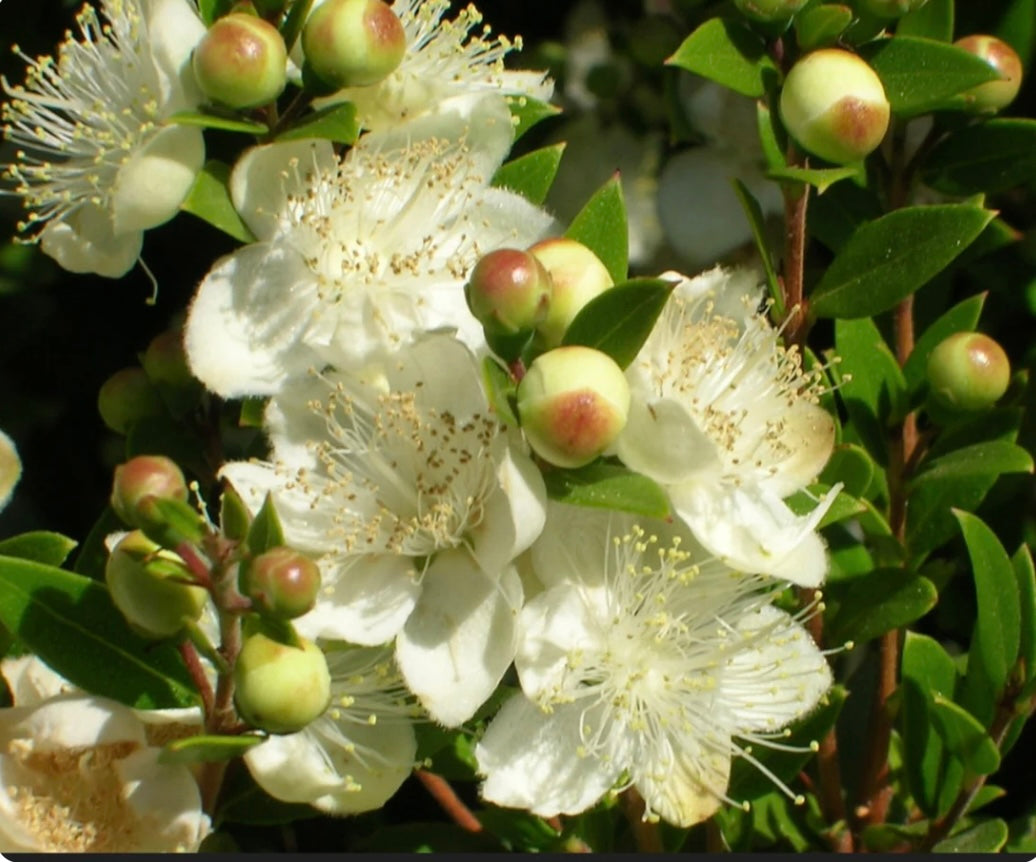
Dwarf Myrtle is a small, evergreen shrub with dense, glossy dark green leaves and aromatic foliage. In summer, it produces small white or pink flowers, followed by dark berries in some cultivars.
How tall does dwarf myrtle grow?
It typically reaches 2–4 feet in height, ideal for small gardens, borders, hedges, or container planting.
How fast does dwarf myrtle grow?
Growth is slow to moderate, adding roughly 6–12 inches per year under optimal conditions.
What are the most popular varieties?
‘Compacta’ – tight, dense growth.
‘Tarentina’ – larger leaves, slightly taller growth.
‘Variegata’ – ornamental variegated leaves for decorative appeal.
How to Grow Dwarf Myrtle Successfully
How do you grow dwarf myrtle?
Plant in well-draining soil with full sun to partial shade. Space plants 2–3 feet apart for airflow. Keep soil evenly moist during the first growing season but avoid waterlogging. Mulch around the base to retain moisture and suppress weeds. Regular pruning encourages compact, bushy growth and enhances flowering.
What soil type is best?
Dwarf myrtle prefers sandy loam or well-draining garden soil. Avoid heavy clay or poorly drained areas. Adding compost or organic matter improves fertility and supports strong root development.
How much sunlight does it need?
Full sun promotes dense foliage, compact growth, and abundant flowering. Partial shade is tolerated but may result in leggier plants with fewer blooms.
How should you water dwarf myrtle?
Young plants require regular watering until established. Mature plants are moderately drought-tolerant but perform best with occasional deep watering during dry periods. Avoid overwatering to prevent root rot.
How do you fertilize dwarf myrtle?
Use a slow-release, balanced fertilizer in early spring. Over-fertilizing can encourage leggy growth. Organic options like compost or well-rotted manure are also effective.
How do you prune dwarf myrtle?
Prune lightly after flowering to maintain a compact shape. Remove dead, weak, or crossing stems to improve airflow. Pinching back new growth prevents legginess and encourages dense foliage.
Quick Propagation Techniques for Dwarf Myrtle
How do you propagate dwarf myrtle from cuttings?
Semi-hardwood cuttings taken in late spring or early summer root best. Remove lower leaves, dip in rooting hormone, and plant in moist, sandy soil or a well-draining propagation mix. Keep cuttings in bright, indirect light until roots form (6–8 weeks).
Can dwarf myrtle be propagated by layering?
Yes. Pin a low-growing stem to the soil while still attached to the parent plant. Cover lightly and keep moist until roots form, then cut it free and plant separately.
How do you propagate by division?
For clumping varieties, gently separate the root ball into sections, ensuring each has roots and shoots. Plant divisions in fresh soil and water thoroughly. Early spring is the best time for this method.
What are common propagation mistakes to avoid?
Overwatering cuttings, using unhealthy parent plants, exposing young plants to direct sunlight, and neglecting sterilization of tools can reduce success rates.
Flowering Patterns and Seasonal Care Tips
When does dwarf myrtle bloom?
Dwarf Myrtle flowers in summer, producing small, fragrant white or pink blooms that attract bees and butterflies.
How do you encourage repeat flowering?
Deadhead spent flowers and lightly prune to stimulate new growth. Providing full sun and balanced fertilization also improves flower production.
How long do the flowers last?
Individual blooms typically last 1–2 weeks, but regular deadheading may allow multiple waves of flowering throughout the season.
What are common flowering problems and how do you fix them?
Leggy growth, insufficient sunlight, or nutrient deficiencies can reduce flowering. Prune regularly, provide at least 6 hours of sunlight daily, and fertilize with a balanced slow-release fertilizer in spring to promote blooms.
Container and Indoor Growing Tips for Dwarf Myrtle
Can dwarf myrtle be grown in pots?
Yes. Choose containers with good drainage, ideally large enough to support long-term growth.
Is it suitable for indoor growing?
It can thrive indoors with sufficient light. Place near south-facing windows or under grow lights for supplemental lighting.
How do you care for potted dwarf myrtle?
Use general-purpose or cactus potting soil. Water when the top 1–2 inches of soil are dry. Prune regularly to maintain shape and rotate the pot to ensure even light exposure.
Pests, Diseases, and Environmental Tolerance
What pests and diseases affect dwarf myrtle?
Common pests include scale insects and aphids. Powdery mildew can occur in humid conditions. Regular pruning, spacing, and occasional horticultural oils or organic insecticides prevent infestations.
How does it handle drought?
Moderately drought-tolerant once established. Occasional deep watering during dry periods promotes optimal growth.
How does it handle frost or cold climates?
Tolerates light frost but may require protection in USDA zones below 8. Cover outdoor plants or move containers indoors during freezing conditions.
Ornamental and Ecological Benefits of Dwarf Myrtle
Does dwarf myrtle attract pollinators?
Yes. Its blooms attract bees, butterflies, and other beneficial insects, supporting local biodiversity.
How does it enhance garden landscapes?
Compact, evergreen growth adds year-round structure, and aromatic leaves improve sensory appeal. Varieties with variegated foliage or berries add extra visual interest.
Why grow dwarf myrtle?
Its dense foliage, fragrant leaves, and seasonal flowers make it an excellent ornamental plant. Use it as a border plant, low hedge, or container specimen.