


Cleveland Sage (Salvia clevelandii) is a fragrant, drought-tolerant perennial shrub renowned for its silvery-green foliage and vibrant purple-blue blooms. A member of the Lamiaceae family, this California native combines ornamental beauty, ecological value, and practical landscaping benefits, making it a favorite in home gardens, sensory landscapes, and wildlife-friendly spaces.
Botanical Profile of Cleveland Sage
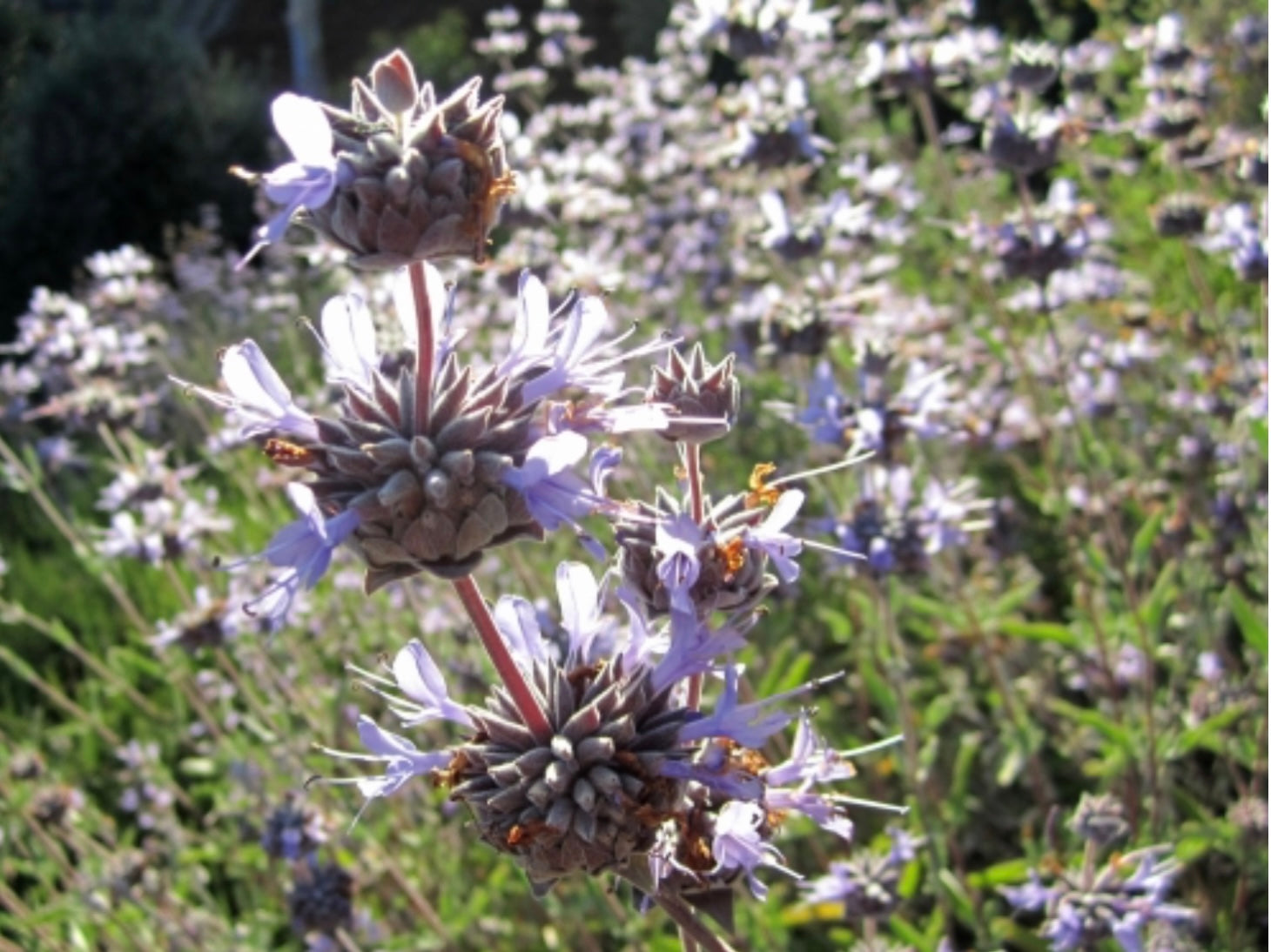
Cleveland Sage is a woody shrub that typically grows 3–5 feet tall and wide. Its aromatic, silver-gray leaves release a sweet, camphor-like scent when brushed, adding sensory appeal to gardens.
Blooming primarily from late spring to early summer, Cleveland Sage produces spiked clusters of tubular violet-blue flowers that attract hummingbirds, butterflies, and bees. Its bushy growth habit, woody stems, and fragrant foliage make it not only beautiful but functional for erosion control and companion planting. Understanding its morphology helps gardeners plan pruning schedules, planting density, and flower placement to maximize both aesthetics and ecological benefits.
Native Habitat of Cleveland Sage
Cleveland Sage is indigenous to the chaparral and coastal scrub ecosystems of Southern California and Baja California. These environments are characterized by dry, rocky soils, hot summers, and mild, wet winters—a Mediterranean climate that has shaped the plant’s drought tolerance and adaptive growth strategies.
In its native habitat, Cleveland Sage thrives in sunny, well-draining sites, often on slopes and hillsides where water runoff is minimal, and competition for resources is high. Its root system is particularly well-adapted for anchoring the plant in rocky soils, which also helps prevent erosion and stabilize slopes.
Growing Cleveland Sage in Home Gardens
Cleveland Sage is well-suited to USDA hardiness zones 8–11 and thrives in full sun with well-draining soil, such as sandy or rocky loam. Gardeners should prioritize soil drainage to prevent root rot, as overly moist conditions can compromise the plant’s health. When planting, spacing shrubs at least 3–5 feet apart ensures adequate air circulation and reduces disease risk while providing enough room for bushy growth.
Companion planting with other Mediterranean natives like California fuchsia, manzanita, or California lilac enhances biodiversity, creates harmonious aesthetics, and improves garden resilience. Pruning after flowering is essential to maintain shape, encourage bushier growth, and promote abundant blooms in the next season.
Watering and Drought Tolerance
One of Cleveland Sage’s most valued traits is its exceptional drought tolerance. Once established, the plant requires minimal supplemental irrigation, making it ideal for xeriscaping, dryland gardens, and sustainable landscapes. Deep, infrequent watering encourages strong root development, while shallow or overly frequent watering can lead to weak roots or fungal issues. The shrub’s natural adaptations allow it to thrive in arid, rocky soils, replicating the conditions of its native chaparral habitat.
Cleveland Sage as a Pollinator Magnet
Cleveland Sage is a magnet for pollinators due to its tubular, nectar-rich flowers that attract hummingbirds, native bees, butterflies, and even small beneficial insects. Anna’s hummingbirds, in particular, are drawn to the violet-blue blooms, while monarch butterflies and native bees rely on the flowers for energy during migration and foraging seasons.
By planting Cleveland Sage, gardeners can actively support pollinator populations, encourage biodiversity, and contribute to healthy ecosystems. Its extended bloom period—from late spring into summer—ensures a consistent food source for pollinators when other plants may have finished flowering.
Traditional and Medicinal Uses
Cleveland Sage has a long history of cultural and medicinal use among indigenous communities in its native range. Its aromatic leaves were traditionally harvested for teas, incense, and ceremonial applications, reflecting its cultural significance. Herbal teas made from the leaves were valued for mild digestive support, respiratory relief, and overall wellness. The fragrance of crushed leaves was often used in rituals and as a natural air freshener, highlighting the sensory importance of this native plant.
Today, Cleveland Sage continues to be incorporated into ethnobotanical gardens, preserving knowledge of its uses while promoting awareness of native plant heritage. Beyond its traditional applications, the plant’s aromatic and ornamental qualities make it ideal for modern herbal crafts, including sachets, infused oils, and decorative arrangements.
Cleveland Sage in Landscape Design
Cleveland Sage excels in both functional and aesthetic roles in landscape design. Its silvery-gray foliage provides visual contrast with green shrubs and colorful perennials, while its purple-blue blooms create seasonal highlights. Functionally, the shrub’s dense, woody structure stabilizes slopes, prevents erosion, and serves as a drought-tolerant hedge or screen. Its long lifespan and low-maintenance requirements make it a practical choice for sustainable designs, and its ecological benefits—supporting pollinators and wildlife—enhance the overall resilience of garden ecosystems.
Seasonal Care
Seasonal care ensures Cleveland Sage remains healthy, vibrant, and long-lived. Pruning after flowering encourages bushy growth, stimulates new blooms, and maintains an attractive shape. Deadheading spent flowers can prolong the flowering season, while occasional thinning prevents overcrowding and improves airflow to reduce disease risk. Mulching around the base conserves moisture, suppresses weeds, and protects roots during hot summers.
Monitoring for pests such as aphids or spider mites ensures early intervention without heavy chemical use. By combining careful pruning, seasonal maintenance, and strategic site management, gardeners can enjoy a thriving Cleveland Sage that continues to provide fragrance, pollinator support, visual appeal, and erosion control year after year.