


Western Sword Fern is an evergreen native fern widely associated with Pacific Northwest forests. This article focuses on how to recognize the plant and understand its growth form.
How is Western Sword Fern (Polystichum munitum) identified?
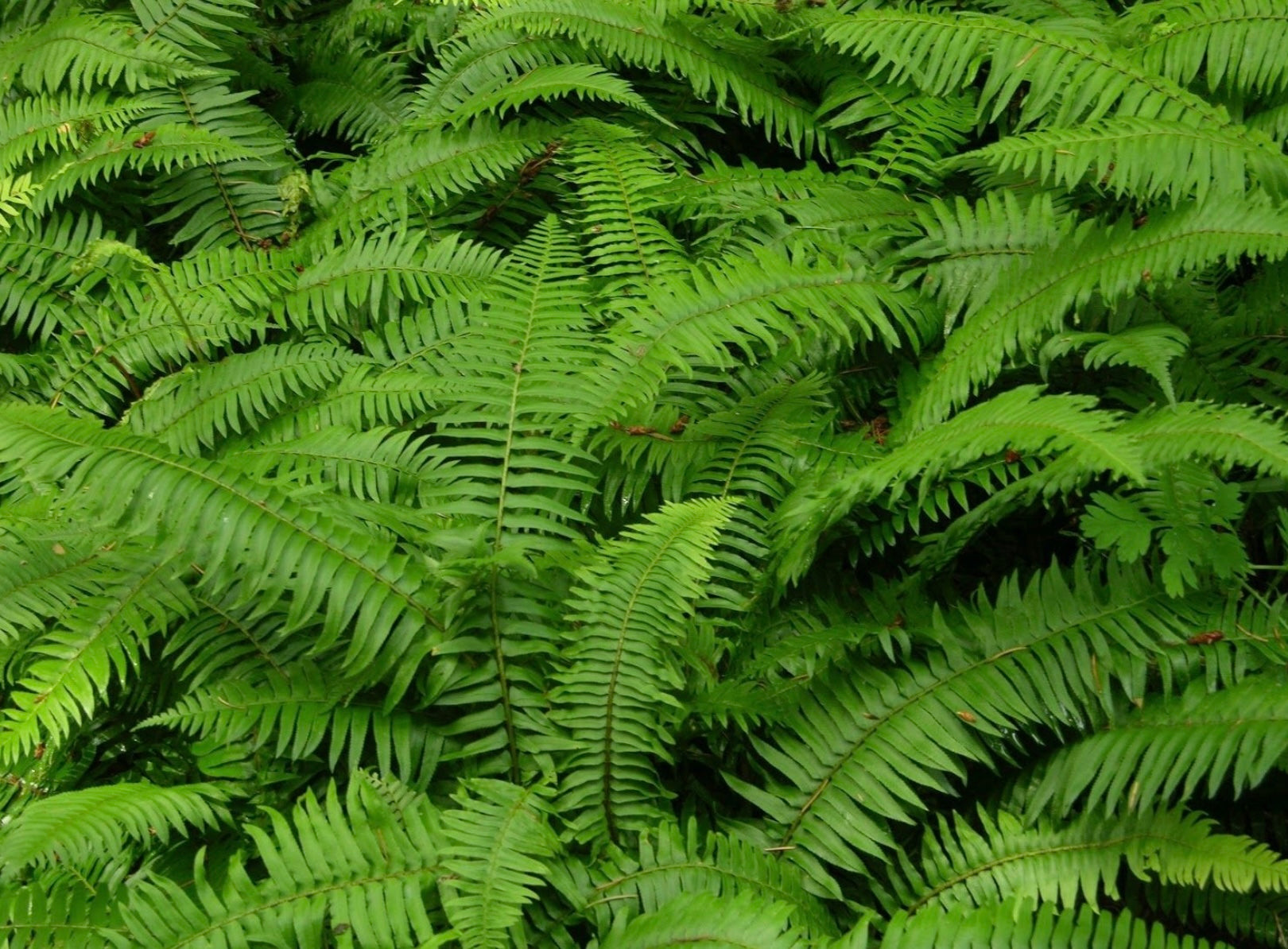
Western Sword Fern is identified by its long, stiff, sword-shaped fronds that emerge from a central crown. It is an evergreen fern in the Dryopteridaceae family and is commonly found in shaded forest environments across western North America.
What are the defining features of Western Sword Fern fronds?
The fronds are dark green, leathery, and upright to arching, with evenly spaced leaflets arranged along a central stem. New growth appears in spring as tightly coiled fiddleheads that gradually unfurl into mature fronds.
What is the typical size and form of a mature Western Sword Fern?
A mature Western Sword Fern forms a dense clump approximately 3 to 5 feet tall and wide. Individual fronds can grow between 2 and 6 feet long, depending on moisture, shade, and soil quality.
Western Sword Fern Native Habitat and Growing Conditions
The fern’s natural range explains its tolerance for shade, moisture, and cool climates.
What environments does Western Sword Fern naturally grow in?
Western Sword Fern naturally grows in coniferous forests, shaded ravines, and moist woodland understories. It is commonly found on forest floors where organic matter accumulates and sunlight is filtered.
Where is Western Sword Fern native to?
Western Sword Fern is native to the Pacific coast of North America, ranging from southeastern Alaska through British Columbia, Washington, Oregon, and into northern California.
What temperature and climate conditions suit Western Sword Fern best?
Western Sword Fern thrives in cool to temperate climates with mild winters and moderate summers. It performs reliably in USDA Zones 3–9 and tolerates cold temperatures when soil moisture is consistent.
Western Sword Fern Light, Water, and Establishment Needs
Matching forest-like conditions is key to long-term success in gardens and landscapes.
What type of light exposure supports healthy Western Sword Fern growth?
Partial to full shade supports the healthiest growth. Dappled light beneath trees closely mirrors natural conditions, while direct afternoon sun can cause frond scorch, particularly in warmer regions.
How should Western Sword Fern be watered during establishment?
Newly planted Western Sword Ferns require regular watering to keep soil evenly moist. Consistent moisture during the first growing season helps establish deep, resilient root systems.
How does Western Sword Fern respond to dry periods once established?
Once established, Western Sword Fern tolerates short dry spells but shows stress during prolonged drought. Frond browning and reduced vigor occur when soil remains dry for extended periods.
Western Sword Fern Maintenance, Pruning, and Longevity
This fern is valued for its durability and minimal care requirements.
When should old or damaged Western Sword Fern fronds be removed?
Old fronds are best removed in late winter or early spring before new fiddleheads emerge. Cutting fronds at the base improves appearance and prevents crowding around new growth.
Does Western Sword Fern spread aggressively in gardens?
Western Sword Fern grows as a slowly expanding clump and does not spread through runners or rhizomes. It remains well-behaved in managed landscapes and is not considered invasive.
How long can Western Sword Fern live in one location?
Western Sword Fern is a long-lived perennial capable of surviving for decades in suitable conditions. Mature clumps often persist in the same location with minimal intervention.
Western Sword Fern Wildlife Value and Landscape Uses
What role does Western Sword Fern play in local ecosystems?
Western Sword Fern provides shelter and ground cover for insects, amphibians, and small mammals. Its dense foliage contributes to forest floor structure, though it is not a significant food source.
Why is Western Sword Fern commonly used in native and woodland gardens?
Its evergreen foliage, shade tolerance, and low maintenance needs make Western Sword Fern a reliable foundation plant in native and woodland-style gardens.
Where is Western Sword Fern most effective in landscape design?
Western Sword Fern is commonly used in shaded borders, understory plantings, erosion control on forested slopes, and north-facing foundation areas. Its upright form adds structure year-round.