


Mail-order plants make it easy to expand your garden or indoor plant collection, but they arrive stressed and need careful attention. From unboxing to acclimation, repotting, watering, lighting, and managing shipping shock, proper care ensures your plants establish quickly and thrive in their new home.
The Dos and Don’ts of Unboxing Mail Order Plants
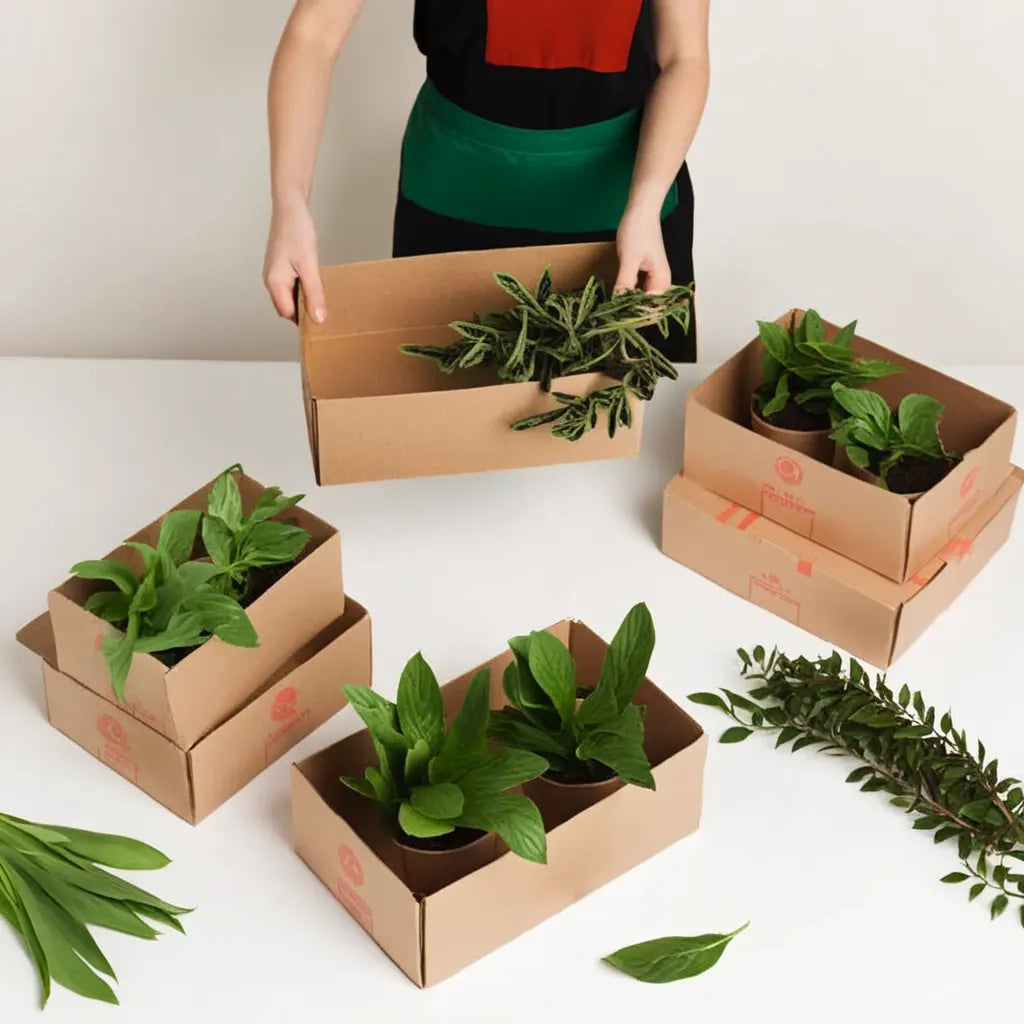
Unboxing is the first and most critical step in ensuring a healthy plant. Handling your plant gently and checking for damage helps it start acclimating successfully.
How do you care for plants when they arrive in the mail?
Immediately inspect plants for damage, broken stems, or pests. Remove packing materials carefully and lightly water potted plants if the soil is dry. Keep the plant in a protected, shaded area until you’re ready to acclimate or repot.
What should you do immediately after your plants arrive?
Check soil moisture, remove wilted or damaged leaves, and place the plant in a temporary protective location. Allow the plant to rest for a few hours to a day before moving it to its permanent spot.
How long should you keep plants in their shipping containers?
Keep plants in shipping containers no longer than 24–48 hours. Extended confinement can suffocate roots. Bare-root plants should be planted or potted promptly, while potted plants can remain temporarily if adequately hydrated.
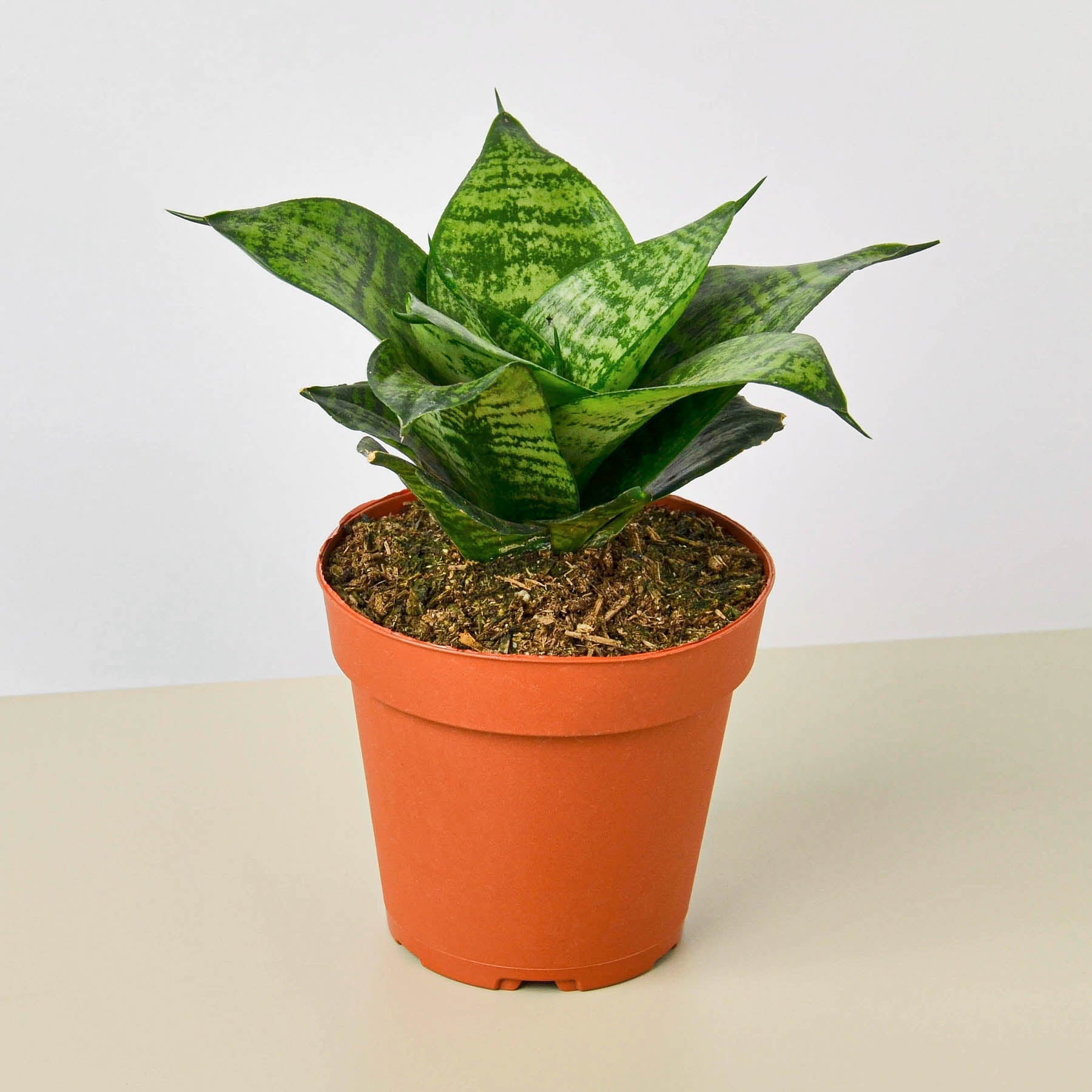
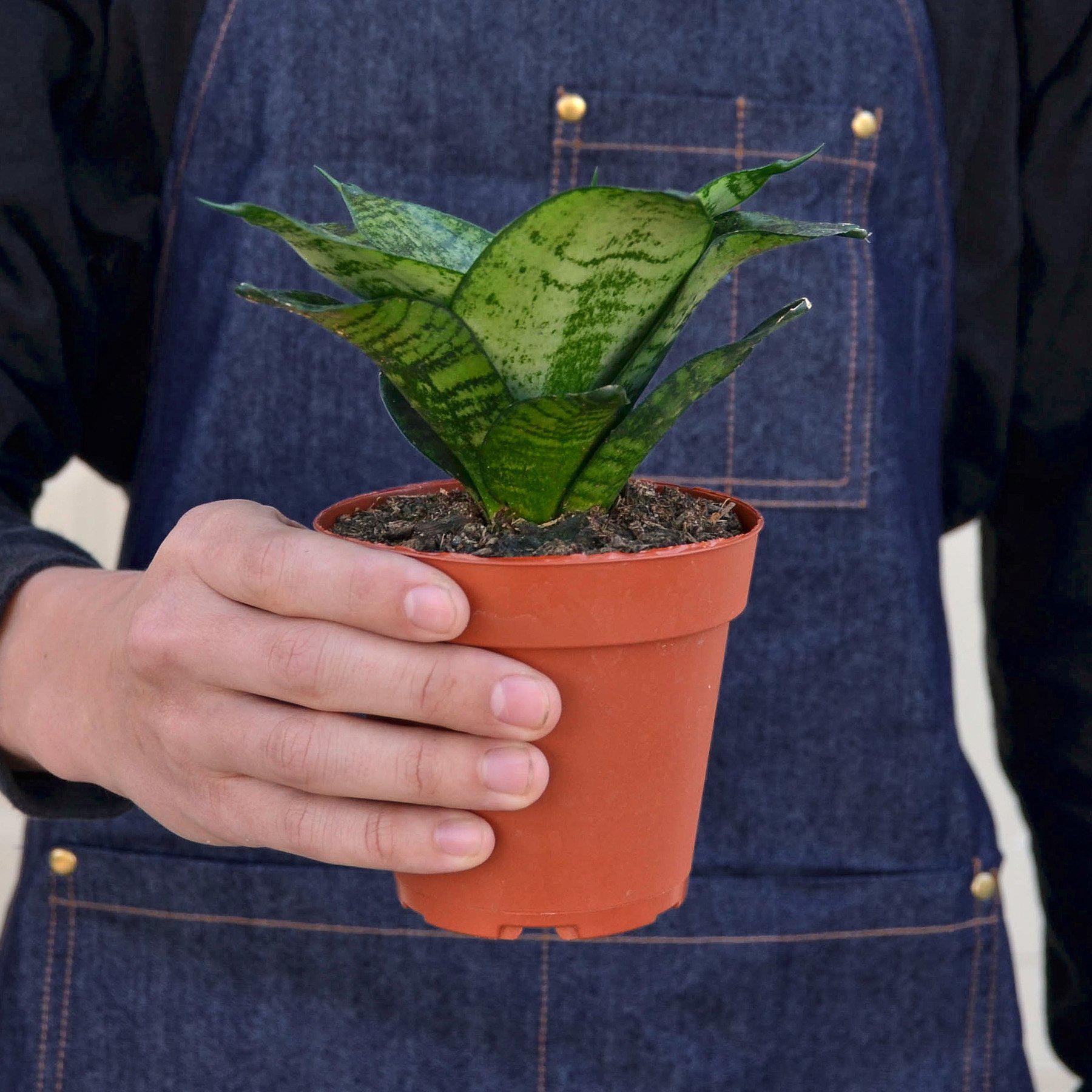
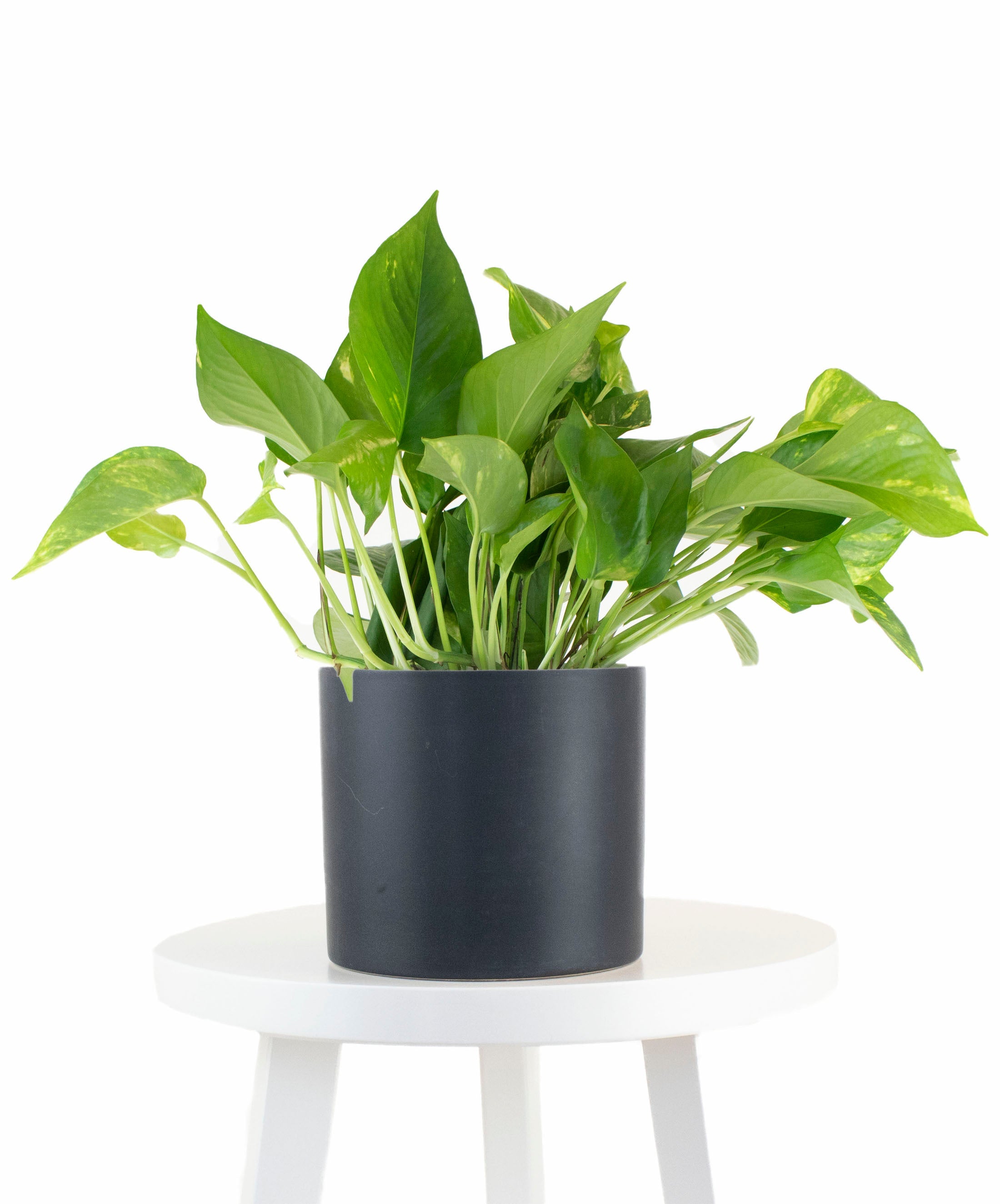
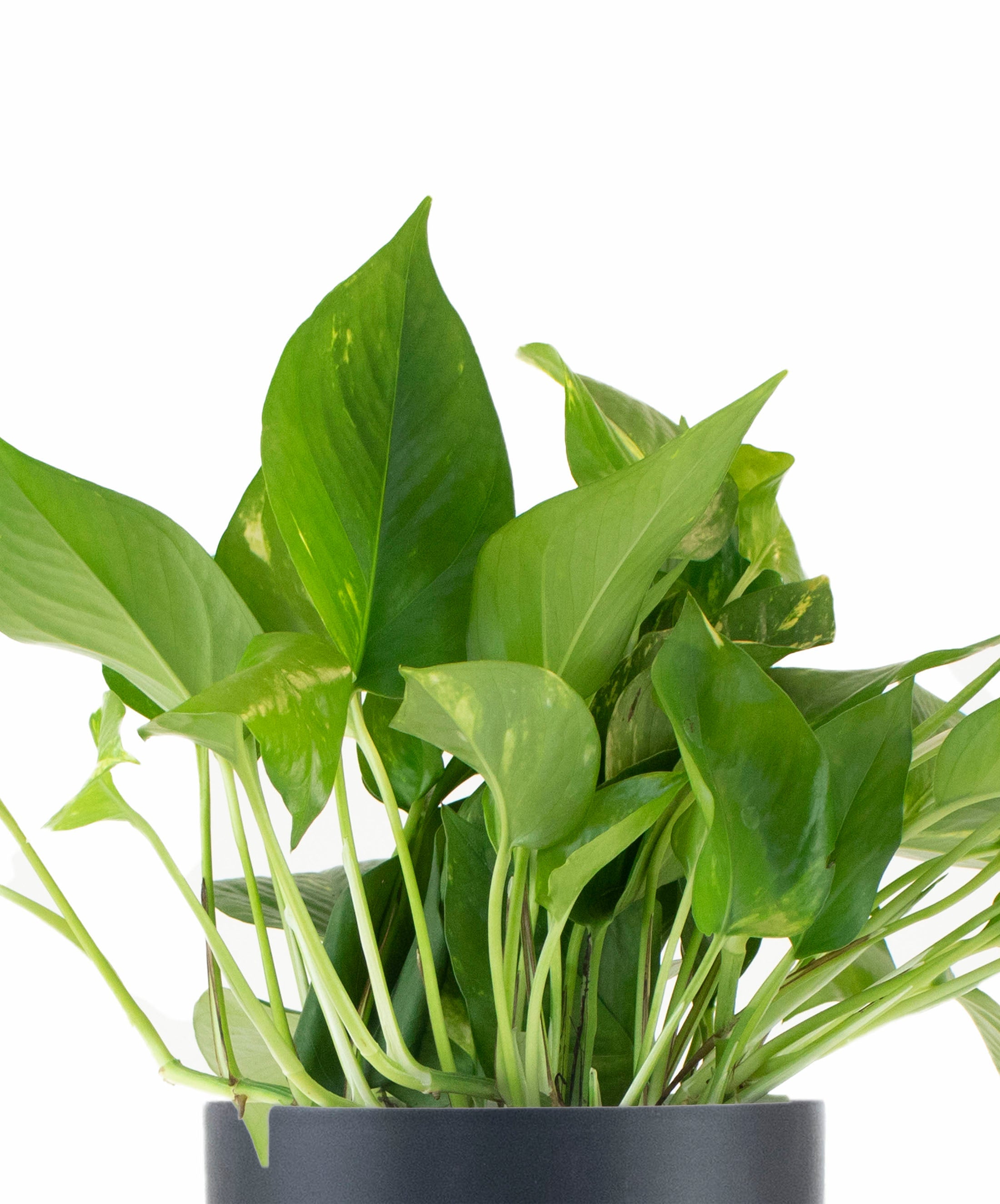
Epipremnum aureum 'Pothos' in Black Ceramic Cylinder Planter
How to Acclimate Shipped Plants Without Killing Them
Acclimating shipped plants gradually helps prevent transplant shock and encourages strong growth. Adjusting light, temperature, and humidity is key.
How do you acclimate mail order plants to your home or garden?
Gradually expose plants to the light, temperature, and humidity of their new environment. Indoor plants should start in bright, indirect light. Outdoor plants should be slowly exposed to sunlight over several days to avoid leaf burn.
How do you help a stressed plant recover after shipping?
Maintain consistent moisture, avoid fertilizing for the first week, and remove damaged leaves or stems. Keep plants in a low-traffic area to minimize stress.
How do you prevent transplant shock in mail order plants?
Handle plants gently, acclimate them gradually, and avoid exposing them to extreme temperatures or direct sunlight. Using clean pots, well-draining soil, and careful watering helps roots establish efficiently.
Repotting 101: When (and When Not) to Repot New Plants
Repotting is often necessary but must be done carefully. Choosing the right soil, container, and timing ensures plants thrive.
Do you repot mail order plants right away?
Check roots and container size first. Repot only if the plant is root-bound or the soil quality is poor. Otherwise, let the plant acclimate for a few days before repotting.
Can you plant mail order plants directly into the garden?
Yes, but only if the soil is prepared, well-draining, and the weather is suitable. Gradually acclimate plants to outdoor conditions, especially if they were shipped from a greenhouse or different climate.
How do you adjust watering and feeding for mail order plants?
Initially, focus on gentle hydration rather than fertilization. After one to two weeks, start light feeding with a balanced fertilizer. Adjust watering based on soil moisture and environmental conditions.
Watering Newly Delivered Plants: A Beginner’s Guide
Watering is critical for recovery. Correct moisture levels support new growth and prevent leaf drop or root rot.
When should you water mail order plants after delivery?
Check soil immediately. Water lightly if dry, but avoid overwatering. Repeat only when the top inch of soil feels dry.
How do you trim or prune mail order plants after arrival?
Remove damaged or wilted leaves and stems. Light pruning encourages new growth and reduces disease risk. Avoid heavy pruning until the plant has acclimated.
How does watering affect plant recovery and leaf drop?
Proper watering stabilizes internal hydration, reduces leaf drop, and promotes recovery. Overwatering can suffocate roots, while underwatering prolongs stress.
How to Spot and Fix Shipping Shock in Plants
Shipping shock is common and can show as wilting, discoloration, or slowed growth. Early recognition prevents long-term damage.
Why are my mail order plants wilted when they arrive?
Wilting is often due to water loss during transit, exposure to temperature extremes, or root disturbance. Lightly water and provide indirect light while the plant recovers.
How do you harden off mail order plants for outdoor planting?
Gradually introduce plants to outdoor conditions over 5–10 days. Start in partial shade and increase sunlight exposure daily. Protect from wind and extreme temperatures.
How do you identify and treat pests or diseases in newly arrived plants?
Inspect leaves, stems, and soil for pests like aphids or spider mites. Quarantine new plants until cleared. Use horticultural oils, insecticidal soaps, or fungicides as needed.
Best Lighting for Freshly Shipped Houseplants
Correct lighting accelerates recovery and supports photosynthesis. Too much or too little light can stress the plant further.
What lighting conditions are best for newly arrived plants?
Provide bright, indirect light immediately after shipping. Avoid direct sunlight, which may burn stressed leaves.
Does light exposure affect mail order plant recovery?
Yes. Proper light supports energy production for recovery. Insufficient light slows growth, while excessive light can worsen stress.
Which indoor plants tolerate low light after shipping?
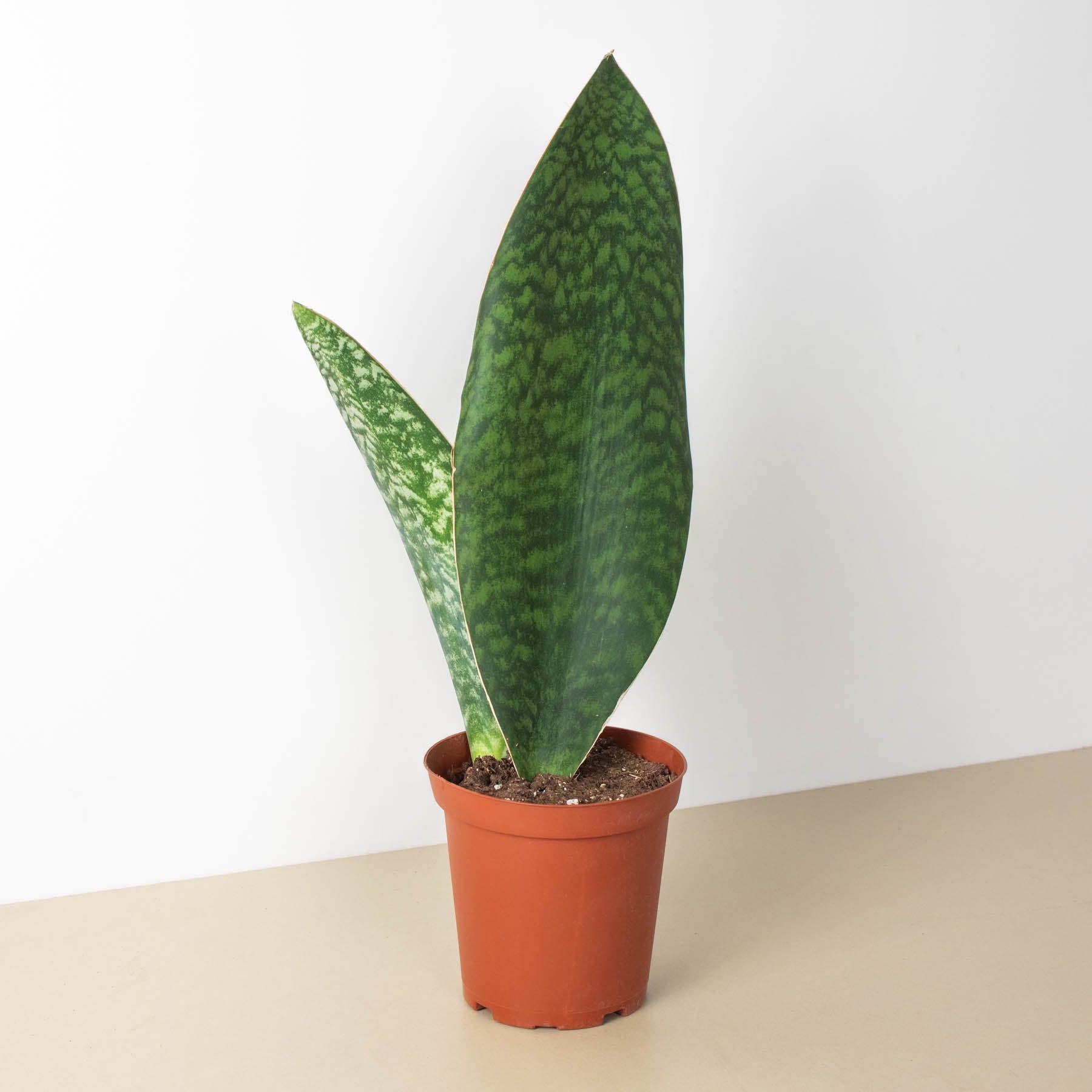
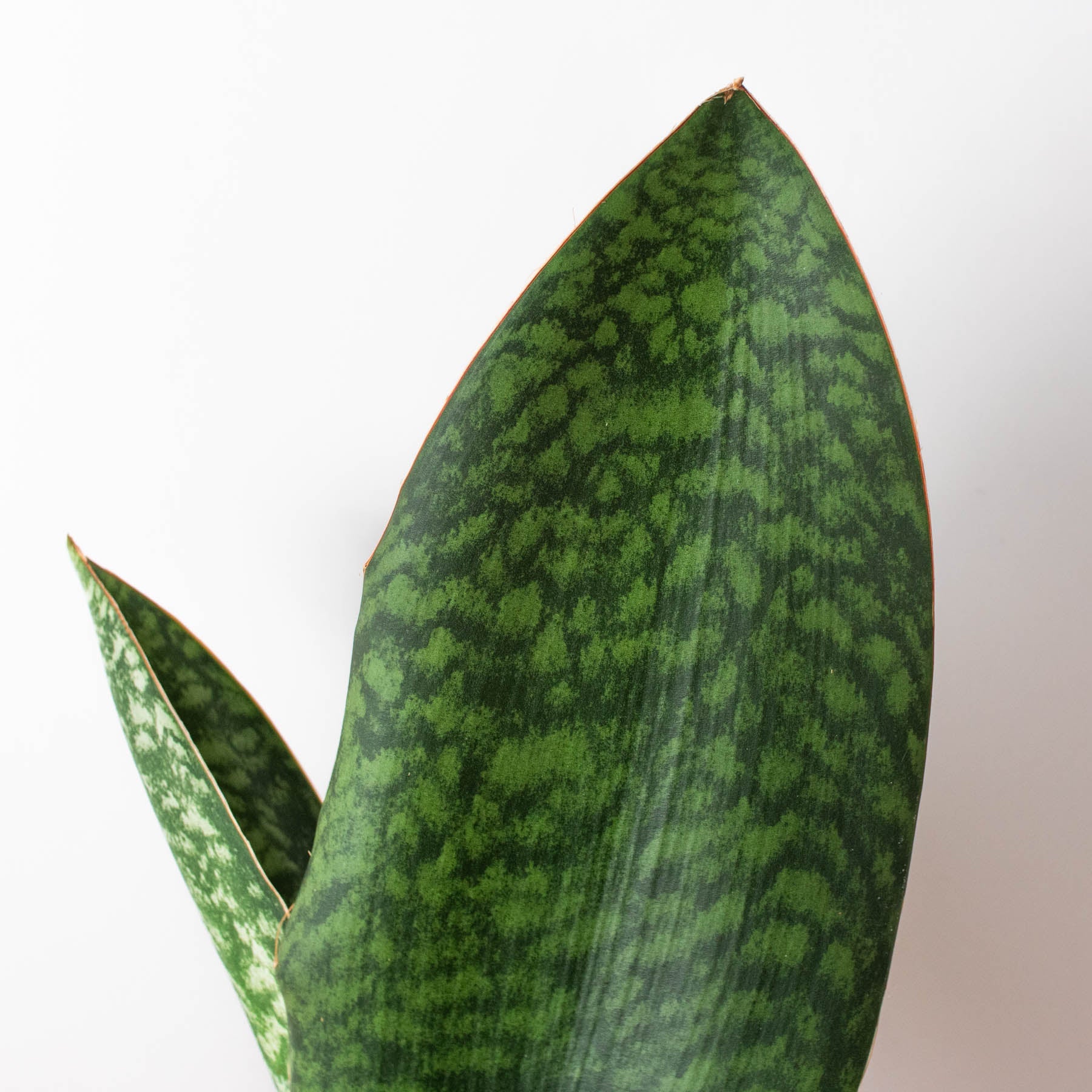
Plants like ZZ plants, snake plants, and pothos handle low-light conditions well and recover quickly from shipping stress.


Common Problems With Mail Order Plants (and How to Solve Them)
Even healthy plants may encounter pests, diseases, or stress symptoms. Knowing what to watch for allows for quick intervention.
What pests and diseases commonly affect mail order plants?
Look for aphids, spider mites, fungus gnats, or fungal leaf spots. Regular inspection and quarantine prevent spread.
How do you help a plant recover from stress or shock after shipping?
Maintain consistent moisture, moderate light exposure, and avoid fertilizing immediately. Remove damaged leaves and monitor for pests.
How do you deal with wilting or leaf drop in newly delivered plants?
Ensure proper watering, correct light conditions, and gradual acclimation. Prune damaged leaves and maintain stable temperatures.
Top Tools and Supplies Every Plant Parent Needs After Delivery
The right tools simplify care, prevent damage, and support healthy growth after shipping.
What are the essential tools for caring for mail order plants?
Trowels, pruning shears, watering cans, gloves, and pots suitable for your plant’s size are critical.
How do you repot or transplant mail order plants properly?
Use clean pots, well-draining soil, and gentle handling. Ensure the root ball is slightly loosened and positioned at the correct depth to encourage root establishment.
Seasonal Care Guide for Mail Order Plants (Summer vs. Winter Shipping)
The season of delivery affects plant care, including watering, light, and temperature requirements.
How does shipping season affect mail order plant care?
Summer plants may need shading and extra water, while winter deliveries require protection from cold drafts. Adjust care accordingly to reduce stress.
Are bare root plants different from potted mail order plants in care?
Yes. Bare root plants must be planted or potted immediately and kept hydrated, while potted plants can tolerate short-term holding and gradual acclimation.