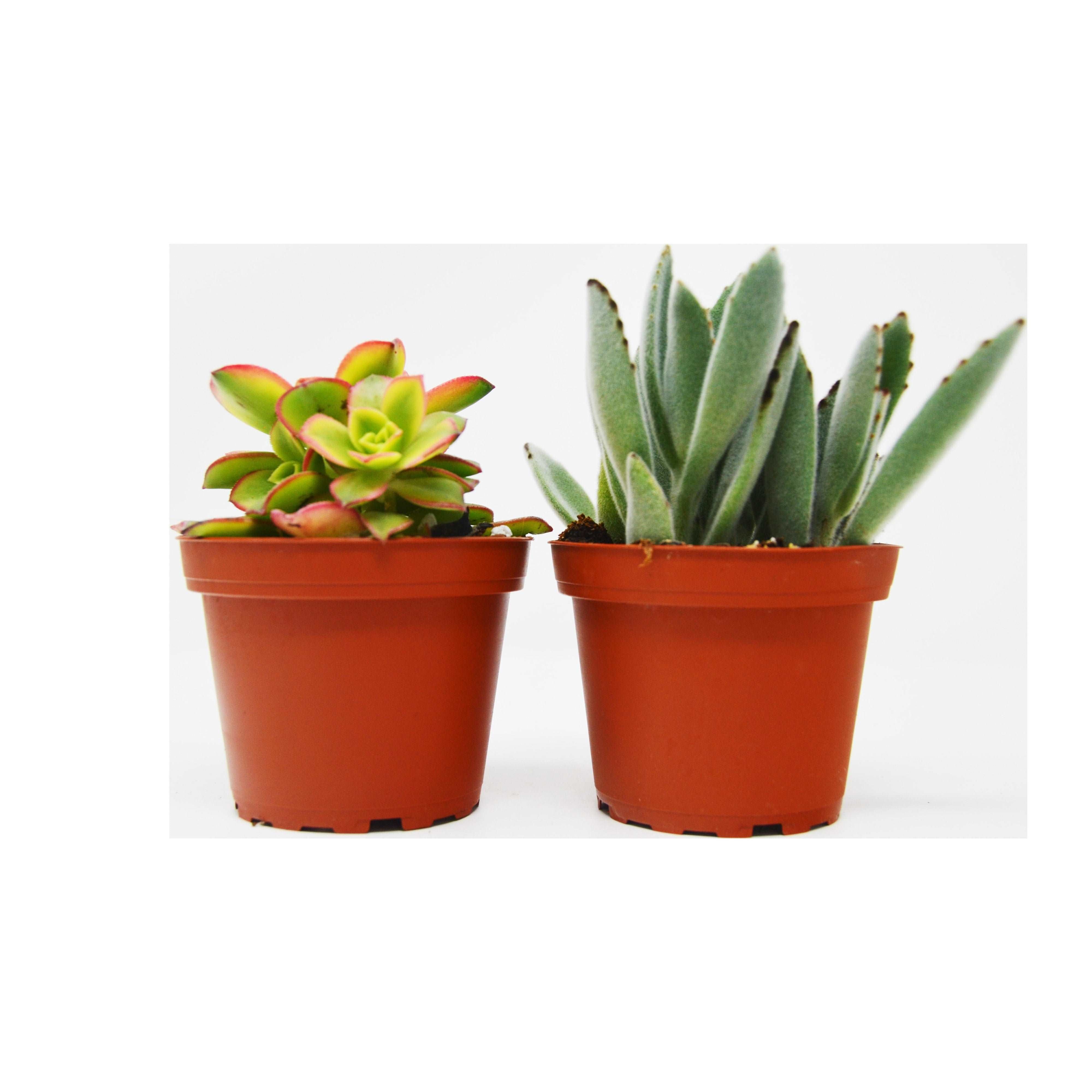



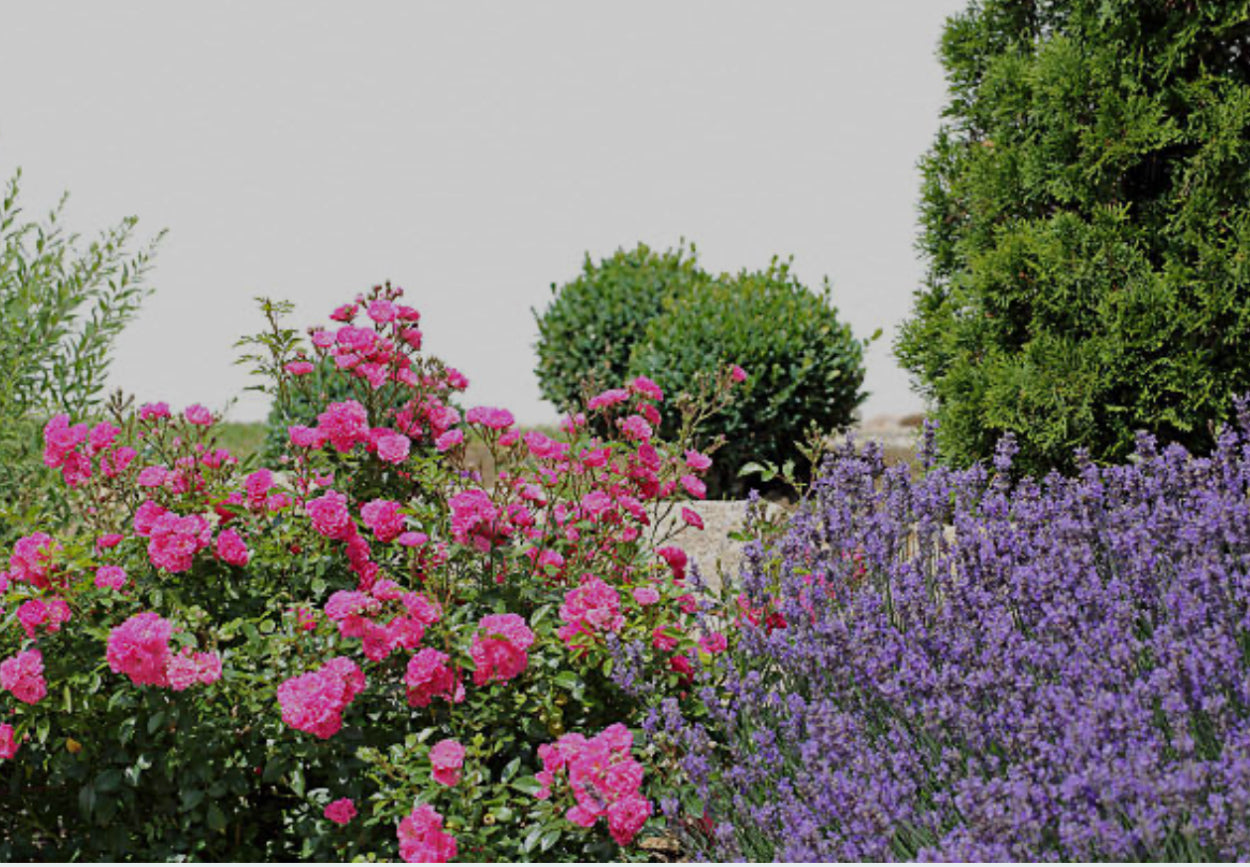
A curated mix of flowering perennials, pollinator favorites, structural grasses, and compact shrubs from Blossomdale's landscape collection — suited to front yards, backyard beds, and patio containers alike.
Creating a well-balanced garden today means choosing plants that deliver on both form and function. Blossomdale's landscape collection brings together flowering perennials, pollinator-friendly plants, tropical accents, structural grasses, and compact edible shrubs, each selected for reliability across a range of climates and garden styles.
Below are ten standouts grouped into three categories: low-maintenance flowering plants, pollinator-friendly plants, and structural picks for smaller spaces. Each profile includes USDA hardiness zones, sun and soil needs, and care tips so you can match the right plant to the right spot.
Low-maintenance flowering plants
Reliable bloomers that hold their own with minimal upkeep once established.
Santa Barbara "Mexican Daisy"
Erigeron karvinskianus
A low-maintenance perennial prized for its long blooming season and spreading habit. Its delicate flowers make it useful for borders, pathways, rock gardens, and areas where a softer ground-cover effect is desired.
Small daisy-like flowers open white and gradually fade to pink, creating a changing display from spring through fall.
Care tipDrought-tolerant once established. Light shearing after the main bloom period encourages fresh growth and a tidy appearance.
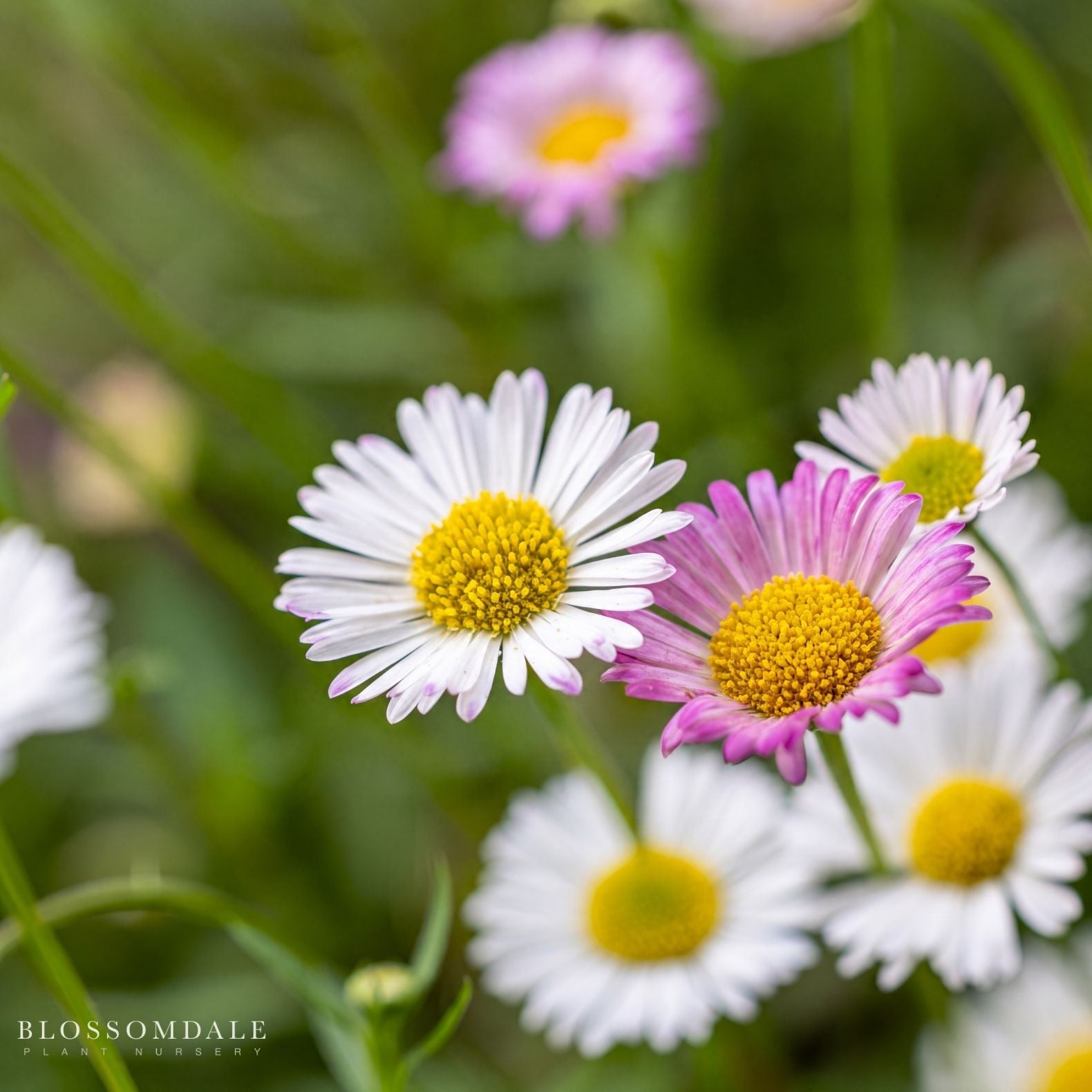

Erigeron Karvinskianus Fleabane ‘Santa Barbara/Mexican Daisy'


Calendula
Calendula officinalis
Native to the Mediterranean, Calendula is an easy-to-grow flowering plant valued for its bright blooms and versatility. It works well in garden beds, borders, cottage gardens, and containers, while also adding an edible element to the landscape.
Produces cheerful yellow and orange, daisy-like flowers from spring through fall, particularly during cooler growing periods.
Care tipDeadhead spent flowers regularly to encourage continued blooming. Growth can slow in intense summer heat and resume as temperatures cool.
Golden Canna
Canna flaccida
Native to the southeastern United States, Golden Canna is a bold perennial valued for its lush foliage and bright yellow flowers. It's especially well suited to moist landscapes, rain gardens, pond edges, and wildlife-friendly garden spaces.
Produces striking yellow flowers against broad, deep-green foliage, adding height and a tropical feel to landscape plantings.
Care tipKeep the soil consistently moist, particularly during dry periods. Remove spent growth and divide rhizomes when needed to manage the clump.


Giant Apostles' Iris
Neomarica caerulea 'Regina'
A striking clumping perennial with sword-like foliage and distinctive violet-blue flowers. Its upright form makes it useful for borders, mass plantings, containers, and tropical-inspired landscapes.
Violet-blue and white flowers with yellow markings appear successively from spring through fall, creating recurring seasonal interest.
Care tipKeep soil consistently moist, remove spent flowers, and divide established clumps in spring when needed.
Pollinator-friendly landscape plants
Nectar and habitat plants that bring bees, butterflies, and hummingbirds into the garden.
Butterfly Milkweed "Deep Red"
Asclepias tuberosa
A North American native perennial and one of the most recognizable plants for butterfly gardens. The "Deep Red" selection provides vivid color while supporting pollinators and butterfly habitat.
Produces clusters of vivid orange to red-orange flowers during summer.
Care tipChoose a permanent planting location. Milkweed develops a deep root system and is best left undisturbed once established.


Butterfly Weed 'Asclepias tuberosa' Butterfly Milkweed
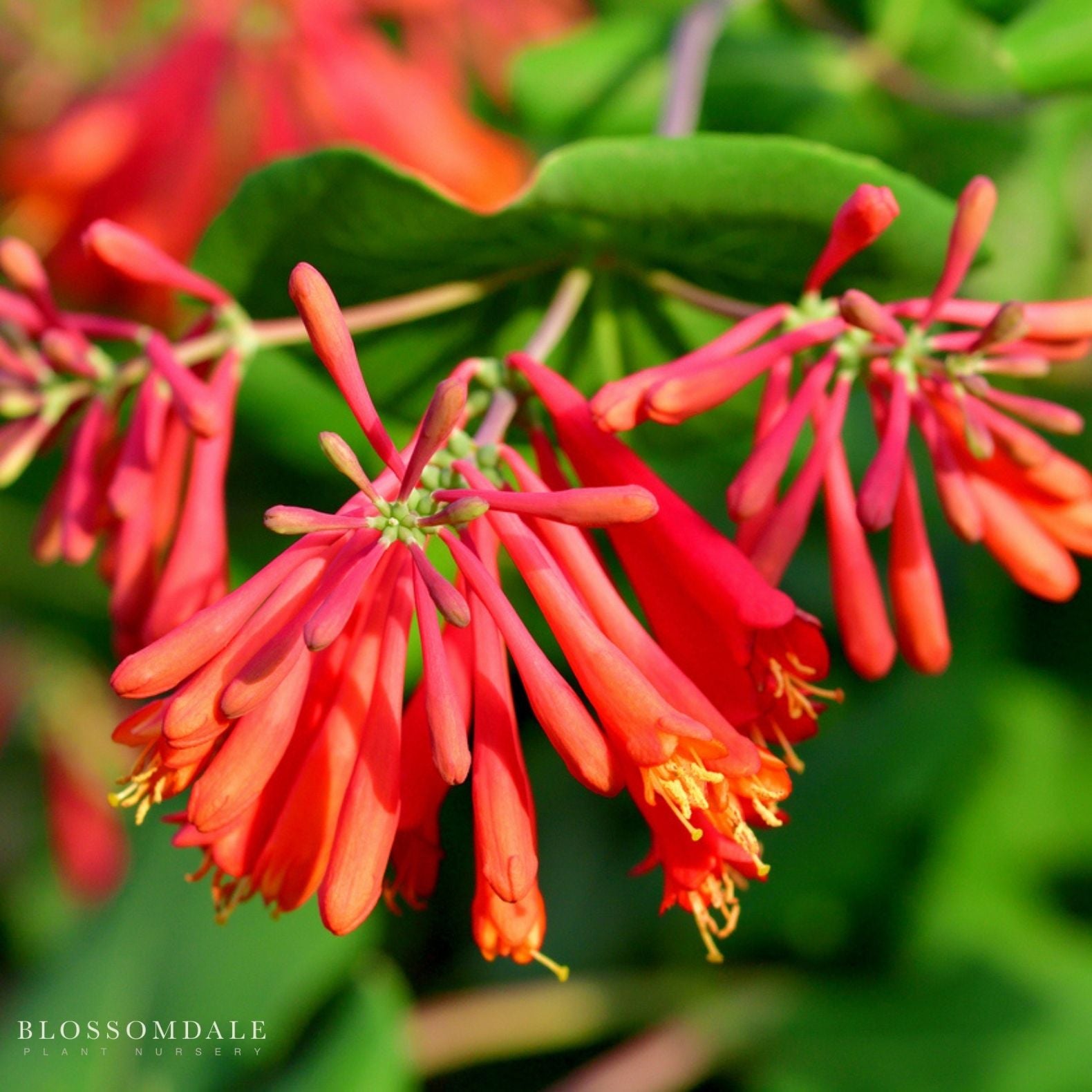

Coral Honeysuckle "Honey Coral"
Lonicera sempervirens
A native flowering vine valued for its colorful tubular flowers and vigorous climbing habit. An excellent choice for vertical landscaping on trellises, fences, arbors, and other garden structures.
Coral-pink trumpet-shaped flowers bloom repeatedly from spring through fall, adding strong vertical color to the garden.
Care tipProvide a sturdy trellis, arbor, or fence for support. Prune lightly in late winter or after flowering to maintain shape.
Dwarf French Kiss
Costus woodsonii
A tropical perennial known for its spiral growth habit, glossy foliage, and distinctive red, button-like flower heads. Works well in tropical landscapes, garden borders, mass plantings, and containers.
Produces vibrant red-orange flower structures with small yellow-orange flowers, appearing periodically throughout warm conditions.
Care tipKeep soil consistently moist and remove spent flower heads or damaged canes to keep the plant tidy.


Agastache Rugosa "Beelicious Purple"
Agastache rugosa
A flowering perennial selected for pollinator-friendly gardens. Its upright growth and showy flower spikes make it useful in borders, cottage gardens, and mixed perennial plantings.
Produces purple flower spikes that add strong vertical color and seasonal interest to perennial beds.
Care tipProvide good drainage and avoid consistently waterlogged soil. Deadheading helps maintain a tidy appearance and encourages continued flowering.
Structural and small-space landscape plants
Compact, shape-holding picks for borders, containers, and tighter garden footprints.
Blue Fescue Grass
Festuca glauca
A compact ornamental grass valued for its distinctive blue-gray foliage and tidy, clumping form. Its smaller footprint makes it especially useful for borders, rock gardens, pathways, foundation plantings, and other small-space designs.
Fine-textured blue-gray foliage provides color and structure throughout the growing season, while its flower stalks add subtle vertical interest.
Care tipAvoid overly wet soil. Remove old foliage as needed to maintain the plant's rounded, tidy appearance.


Dwarf Red Pomegranate
Punica granatum 'Dwarf Red'
A compact ornamental shrub suited to small gardens, patios, borders, and container landscaping. It combines colorful flowers, decorative fruit, and seasonal foliage in a space-efficient form.
Produces vibrant orange-red, trumpet-shaped flowers from late spring through fall, often followed by small decorative pomegranate fruits.
Care tipWater regularly while establishing, then reduce watering once established. Light annual pruning in early spring maintains shape and encourages healthy growth.
Quick-reference chart
All ten plants at a glance — zones, sun, and soil, for fast side-by-side comparison.
| Plant | Zones | Sun | Soil |
|---|---|---|---|
| Santa Barbara Daisy | 6–10 | Full sun–part shade | Well-drained |
| Calendula | 2–11 | Full sun–part shade | Well-drained |
| Golden Canna | 8–11 | Full sun–part shade | Moist to wet |
| Giant Apostles' Iris | 8–11 | Full sun–part shade | Moist, well-drained |
| Butterfly Milkweed | 3–9 | Full sun | Well-drained, dry |
| Coral Honeysuckle | 4–9 | Full sun–part shade | Well-drained |
| Red Button Ginger | 9–11 | Part sun–part shade | Rich, well-drained |
| Agastache Rugosa | 5–10 | Full sun | Well-drained |
| Blue Fescue Grass | 4–9 | Full sun | Well-drained |
| Dwarf Red Pomegranate | 7–11 | Full sun | Well-drained |