


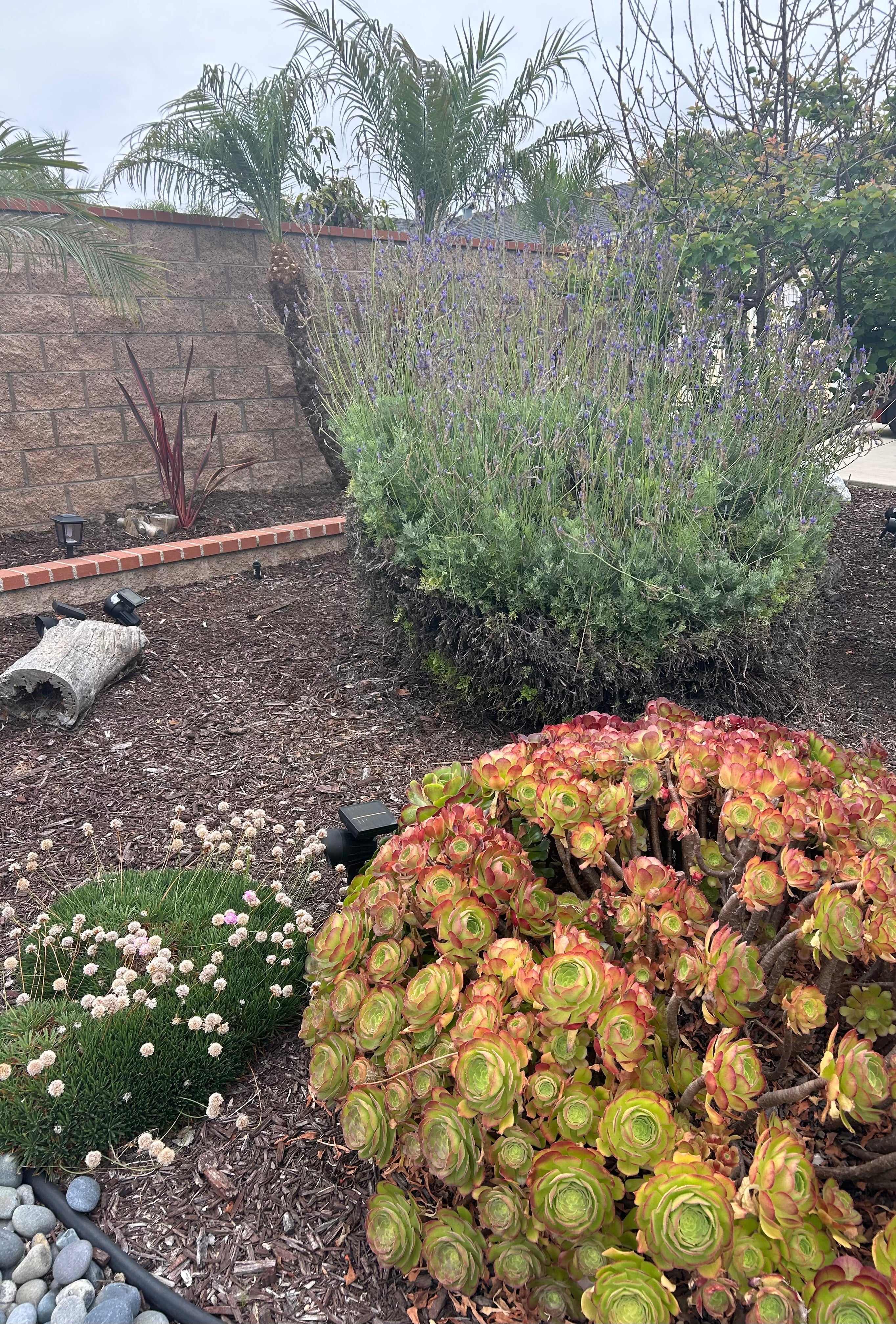
Succulent landscaping remains one of the most searched garden design trends due to rising water restrictions, climate shifts, and demand for low-maintenance outdoor spaces.
1: Sculptural Agave Focal Point Garden Design
Architectural succulents create dramatic focal points in low-water landscaping. This design centers on bold structure, symmetry, and clean spacing.
What are the best succulents for front yard landscaping?
Large statement plants such as Agave americana and Aloe arborescens perform well in sunny front yards. For layering, combine them with compact varieties like Echeveria and spreading Sedum to add texture and color variation.
Do agave plants need full sun?
Most agave species require full sun, defined as at least six hours of direct sunlight daily. Adequate sun exposure maintains strong leaf structure and compact growth.
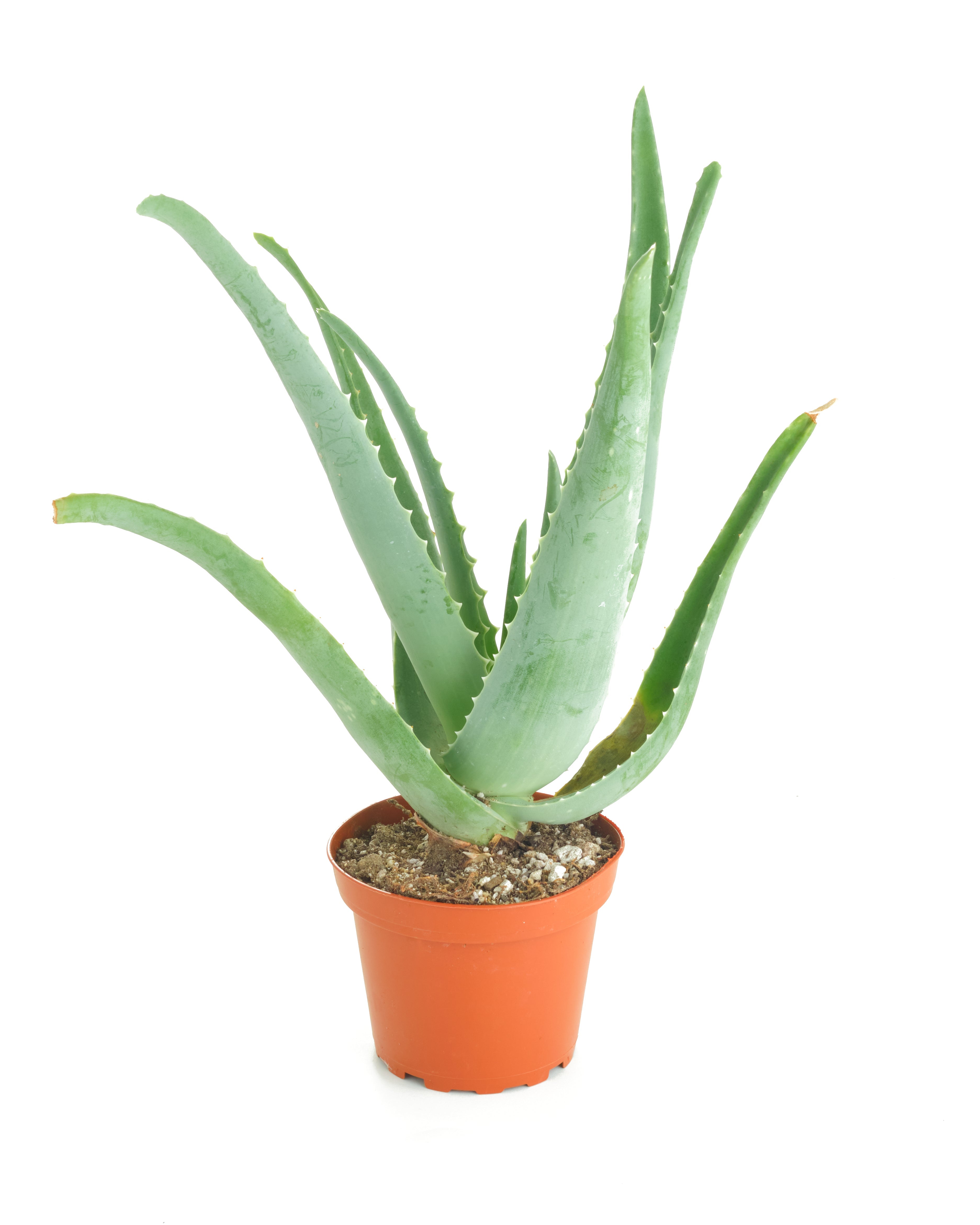
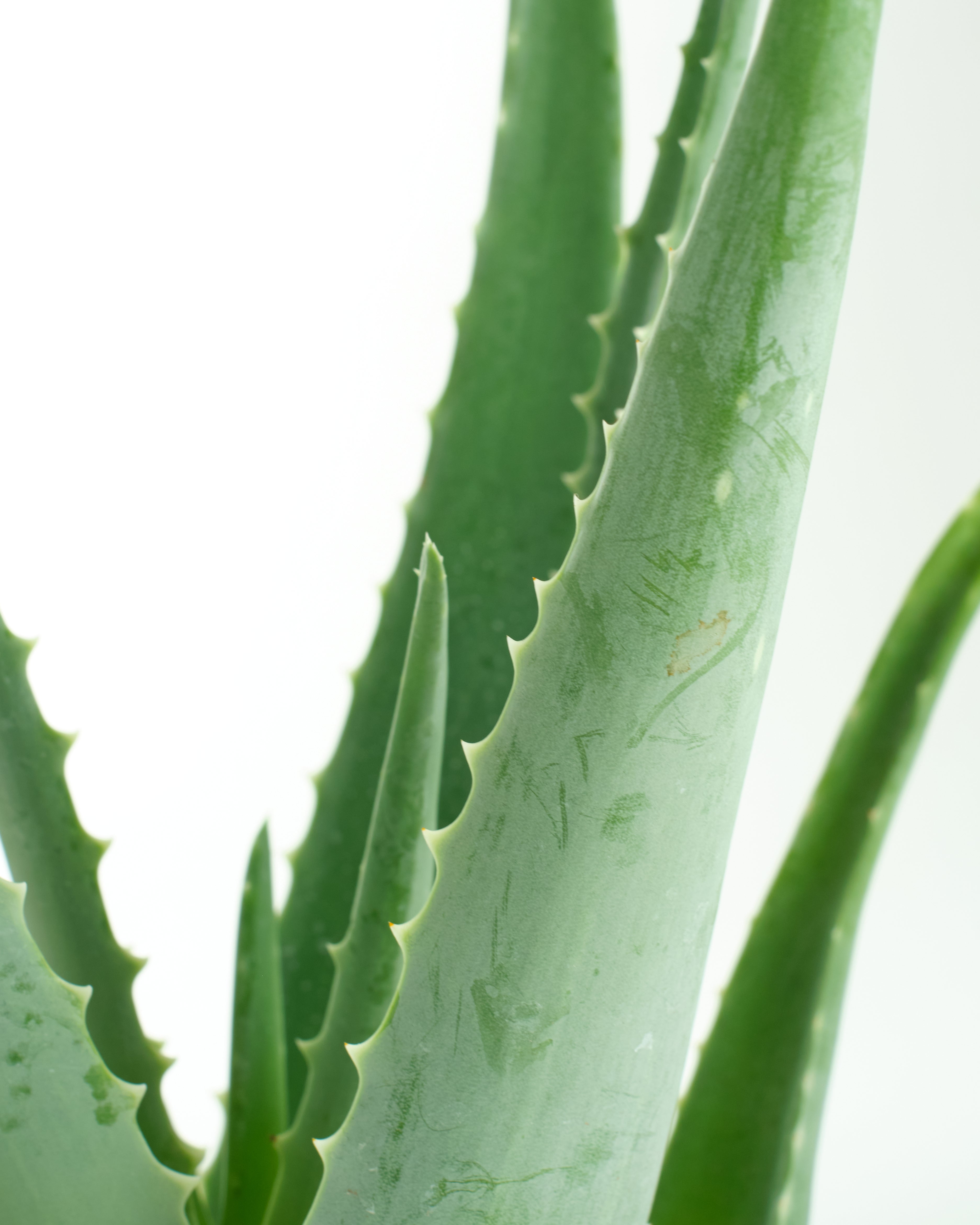
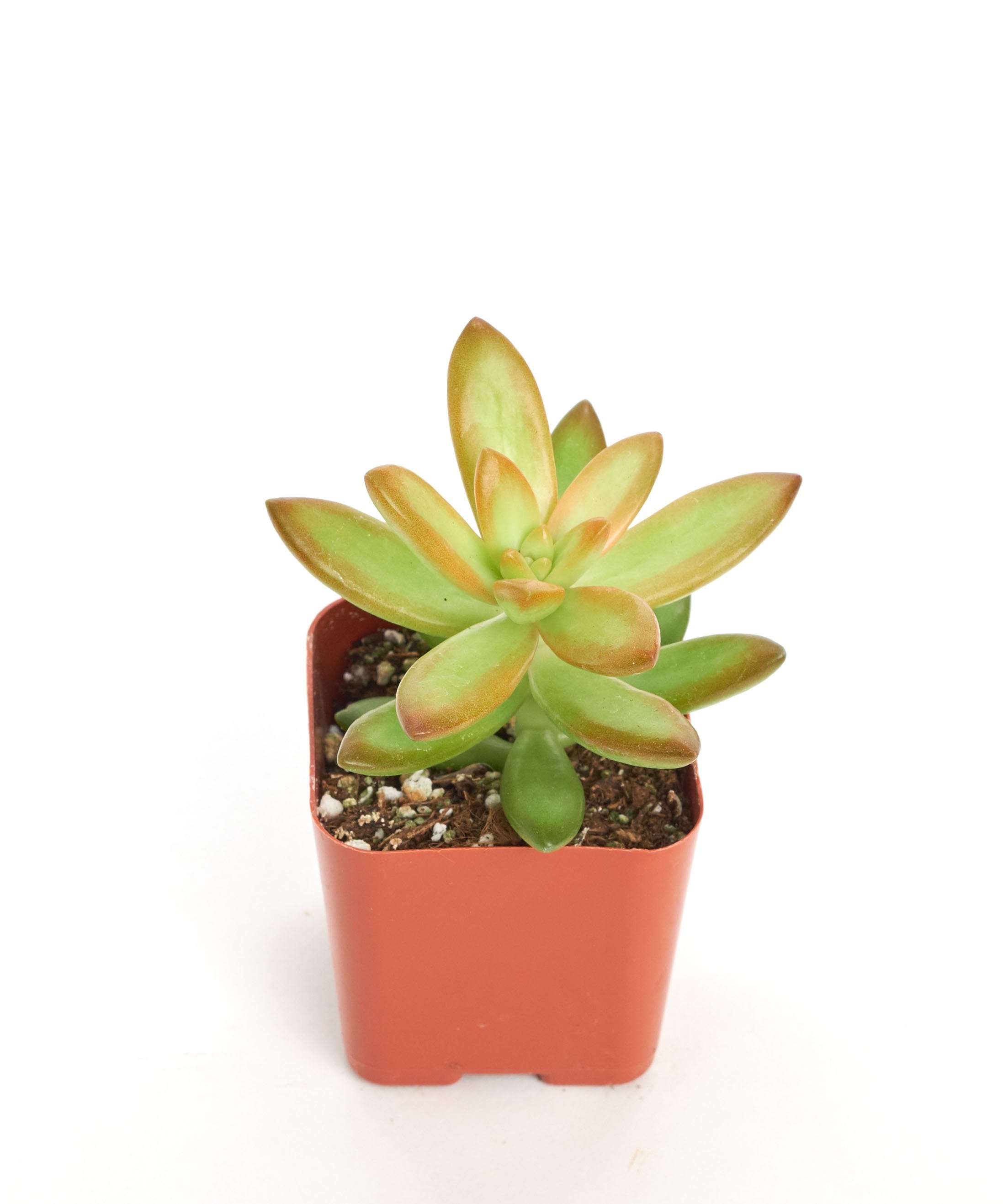
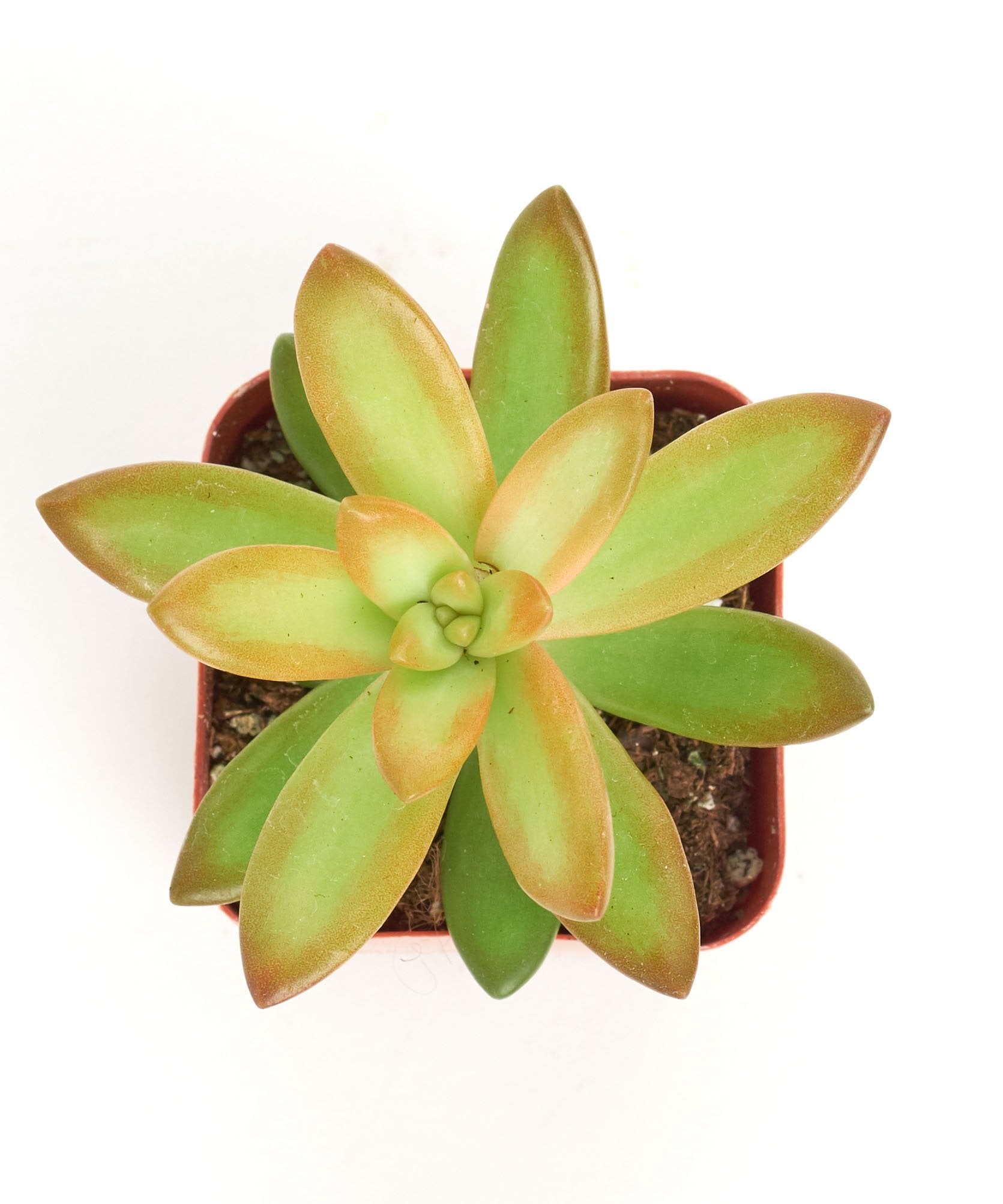
2: Modern Succulent Rock Garden Xeriscape
Rock gardens consistently rank among the most searched drought-tolerant landscaping styles. Succulents thrive in rocky environments with fast drainage.
How do you build a succulent rock garden?
Choose a sunny area with well-draining soil. Amend heavy clay with sand, pumice, or decomposed granite. Arrange rocks in natural groupings to mimic desert terrain. Plant succulents between crevices and finish with gravel mulch to suppress weeds and improve drainage.
What is xeriscaping and how do succulents fit into it?
Xeriscaping is a landscaping method developed to minimize irrigation. Succulents store water in their leaves and stems, making them foundational plants in xeriscape design across arid regions.
3: Succulent Landscaping for Slopes and Hillsides
Sloped gardens require erosion control and careful plant placement. Succulents are frequently recommended for hillsides due to their shallow roots and drought tolerance.
Can succulents prevent soil erosion?
Ground-cover varieties such as creeping Sedum spread across soil surfaces and reduce runoff impact. Their growth pattern helps stabilize slopes when combined with proper soil preparation.
What succulents grow well on slopes?
Low-growing species of Sempervivum and trailing sedums adapt well to sloped conditions and require minimal watering once established.
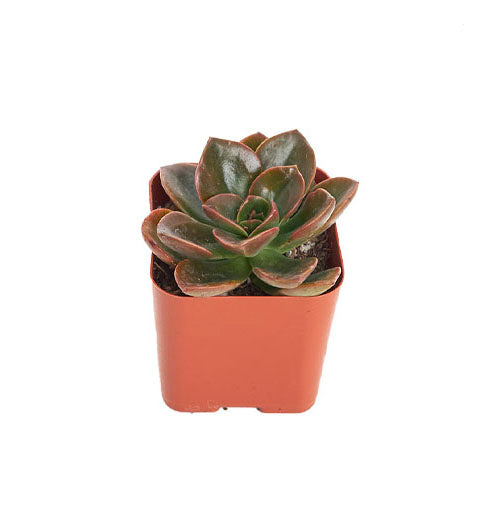
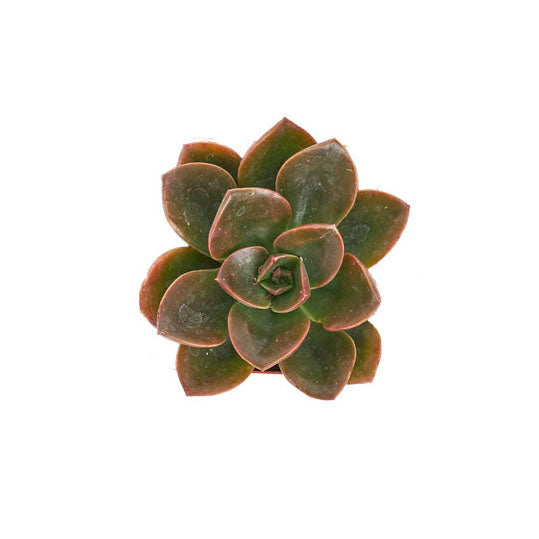
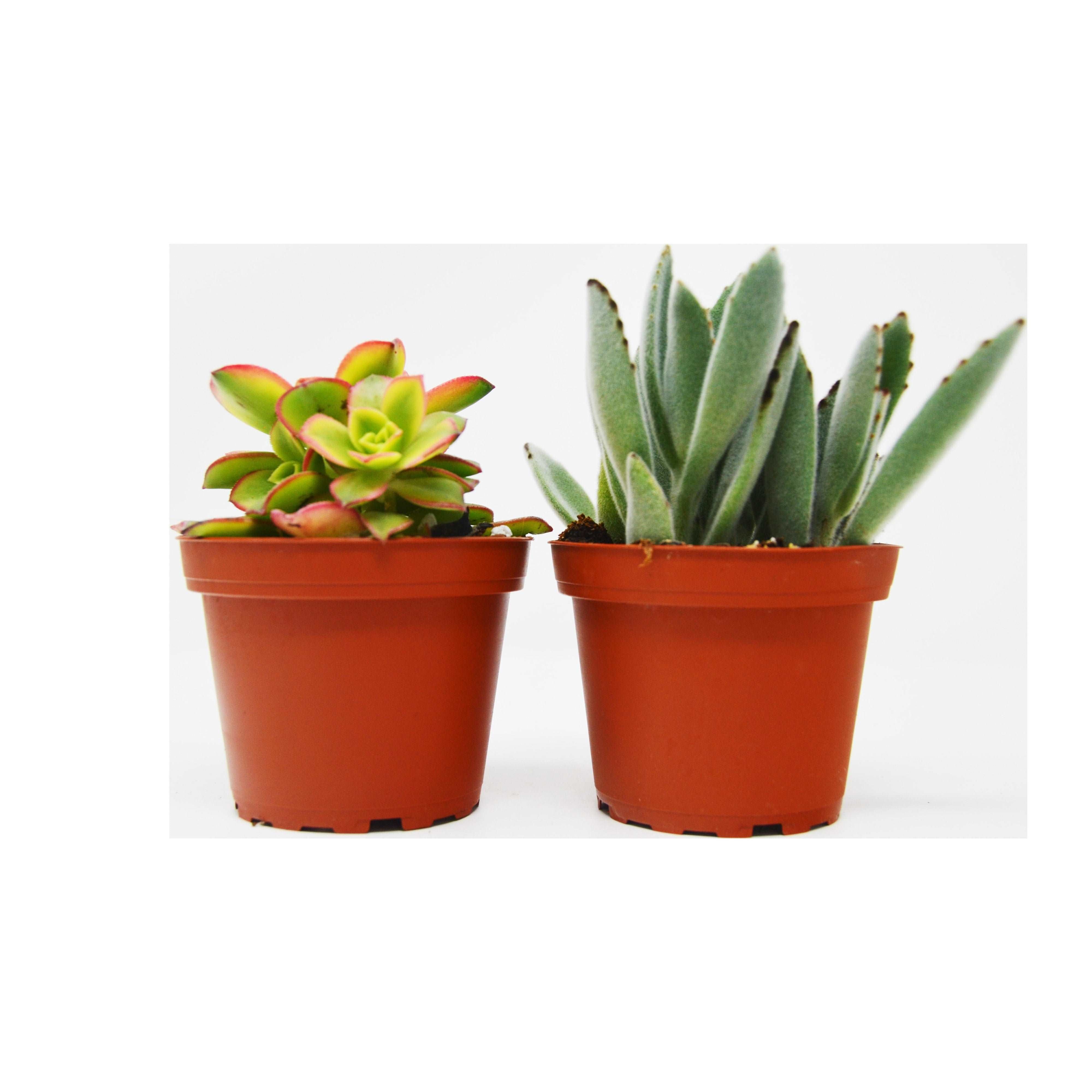
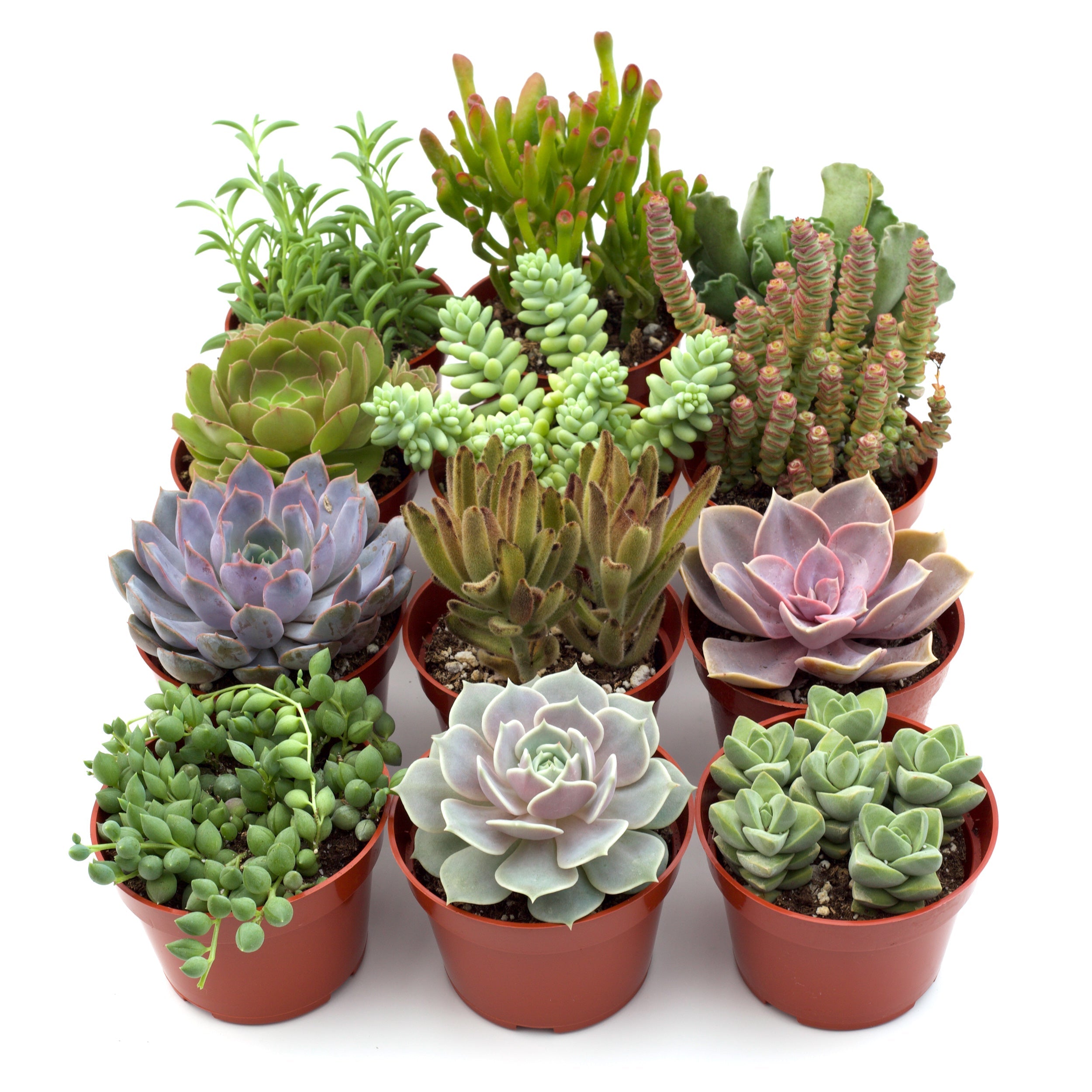
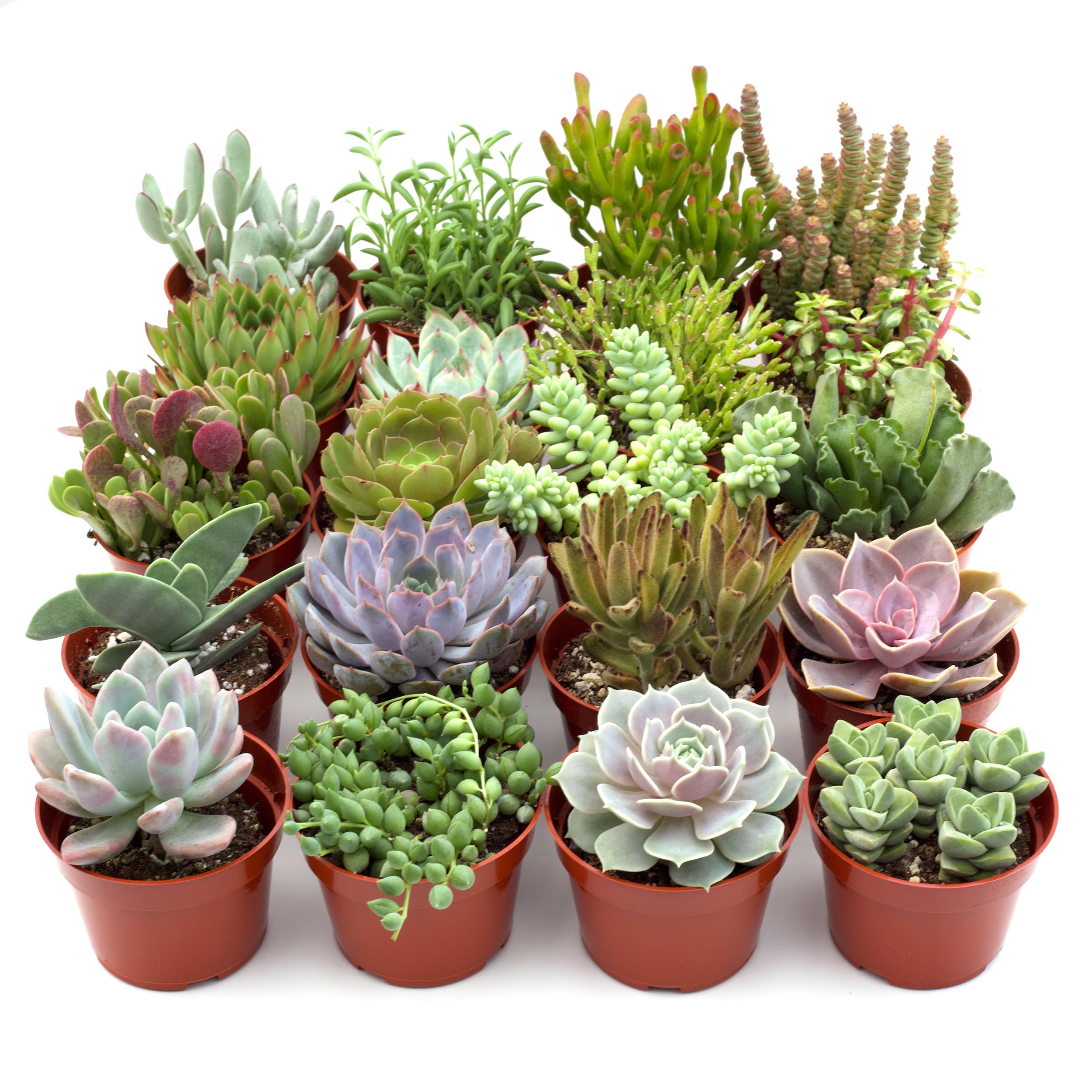
2 Succulent Variety Pack / 4" Pot / Live Home and Garden Plant
4: Succulent Pathway and Border Landscaping
Succulent borders soften hardscape features while maintaining a clean, modern aesthetic.
What succulents stay small for borders?
Compact rosette-forming plants such as Echeveria and hardy Sempervivum remain low-growing and suitable for edging walkways.
How do you space succulents in landscaping?
Spacing depends on mature plant size. Allow enough room for full spread to prevent overcrowding and encourage airflow, typically 6 to 18 inches apart depending on species.
5: Vertical Succulent Wall Gardens
Vertical succulent gardens maximize space and serve as statement features in patios and courtyards.
How do you build a vertical succulent garden?
Install a structured wall planter with built-in drainage. Use a fast-draining succulent soil mix. Select shallow-rooted varieties that tolerate bright light. Ensure secure mounting to support soil weight and plant growth.
6: Aloe Mass Planting for Seasonal Interest
Mass planting creates bold visual repetition and reduces design complexity.
Do aloe plants flower outdoors?
Yes. Species such as Aloe arborescens produce tubular red or orange blooms in winter or early spring in suitable climates.
How much water do aloe plants need?
Established outdoor aloe plants require infrequent deep watering. Allow soil to dry completely between irrigation cycles to prevent root rot.
7: Succulents Paired with Ornamental Grasses
Combining contrasting textures enhances visual depth in drought-tolerant gardens.
What plants pair well with succulents?
Drought-tolerant companions include Lavandula and Yucca. These plants share similar sunlight and irrigation needs, making them compatible in xeriscape layouts.
8: Succulent Container Courtyard Garden
Containers provide flexibility for renters, small spaces, and patio landscaping.
How often do you water outdoor potted succulents?
Water thoroughly, then allow the soil to dry completely. In warm climates, watering every 7 to 14 days during the growing season is common, with reduced watering in winter.
What containers are best for succulents?
Terracotta pots are widely recommended because they allow excess moisture to evaporate. Drainage holes are essential.
9: Succulent Ground Cover Lawn Alternative
Replacing turf grass with drought-tolerant ground cover reduces long-term water consumption.
Can succulents replace grass?
Certain spreading varieties of Sedum function as decorative ground cover. They require significantly less irrigation than traditional turf lawns.
What succulents spread quickly?
Many sedum varieties expand steadily across soil surfaces and establish dense coverage under full sun conditions.
10: Low-Water Succulent Garden Maintenance Plan
Long-term success depends on soil quality and irrigation management.
What type of soil is best for succulent landscaping?
Well-draining soil is essential. A mix containing sand, pumice, perlite, or decomposed granite prevents water retention and reduces risk of root rot.
How often should you water outdoor succulents?
Most landscape succulents benefit from deep, infrequent watering. During active growth, watering every one to two weeks is typical depending on climate and soil type. Winter watering should be minimal.