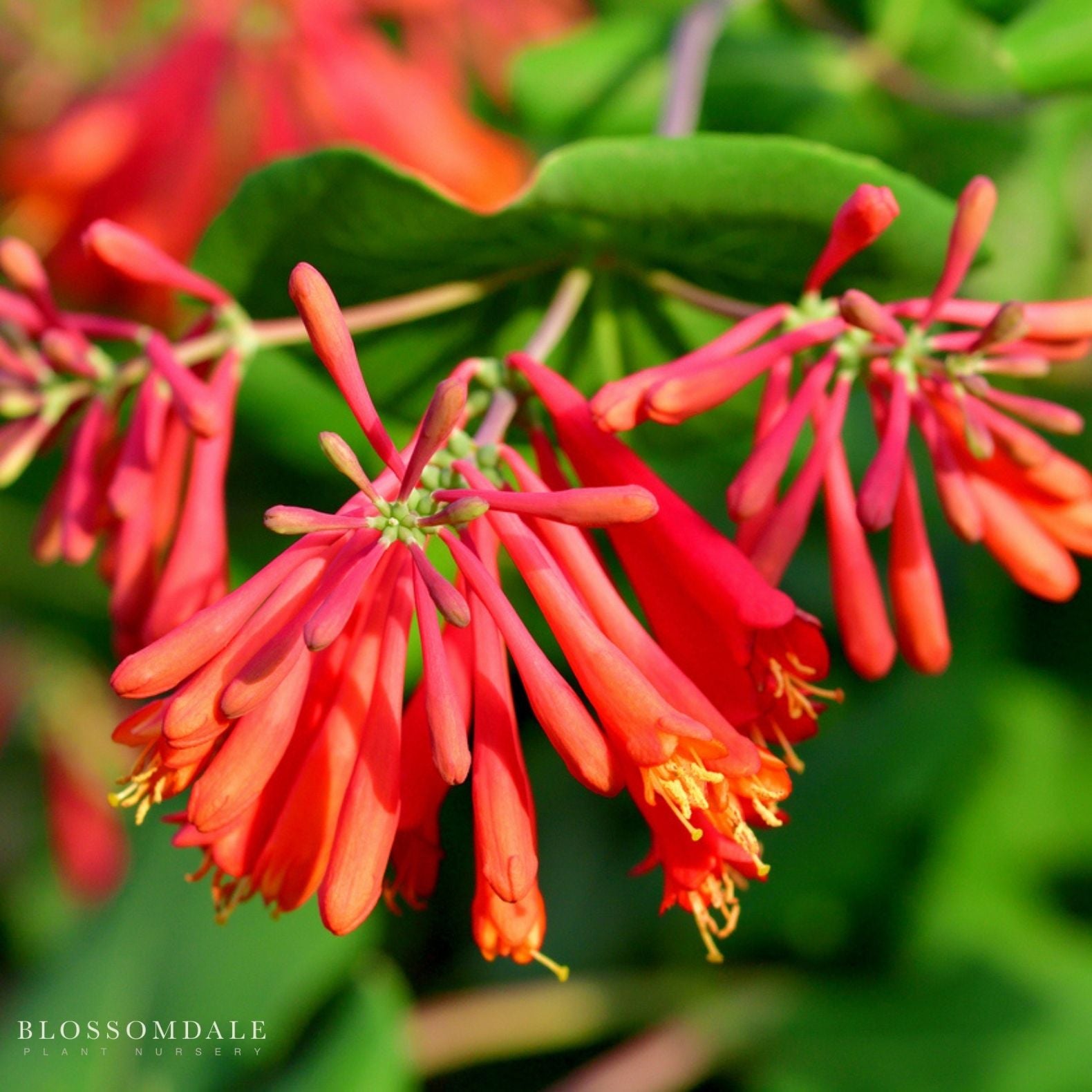



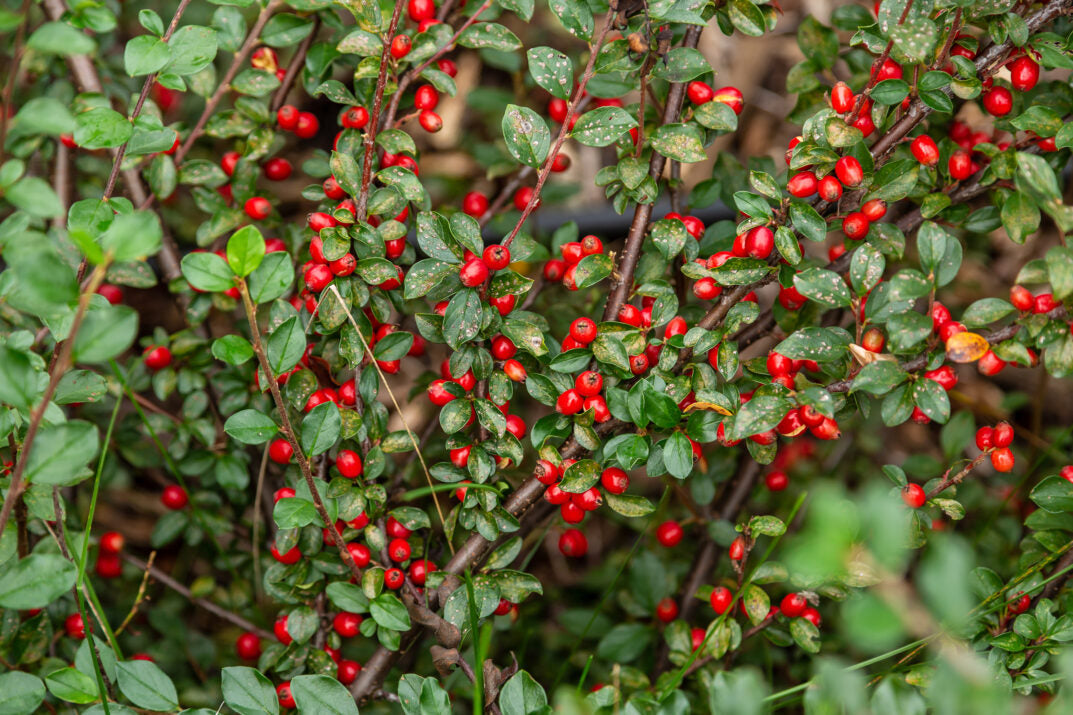
The Santa Cruz Firethorn, botanically known as Pyracantha koidzumii ‘Santa Cruz’, is a dense evergreen shrub valued for glossy foliage, clusters of white spring flowers, and vivid red berries that persist through fall and winter. This cultivar of Pyracantha koidzumii is widely planted for hedges, privacy screens, wildlife habitat, and defensive landscaping due to its thorny branching and reliable berry display.
Plant Profile, Size, and Identification
How big does Santa Cruz Firethorn get?
Santa Cruz Firethorn typically reaches 10 to 15 feet tall at maturity. Its spread is most commonly 6 to 10 feet wide, though plants may grow slightly wider in ideal conditions with minimal pruning. The natural form is upright with arching outer branches, creating a dense, structural presence in the landscape.
How fast does Pyracantha koidzumii ‘Santa Cruz’ grow?
This cultivar is considered a moderate to fast-growing evergreen shrub, often adding 1 to 2 feet of growth per year under full sun and well-drained soil conditions. Growth rate varies depending on climate, irrigation, and soil quality.
What are the distinguishing features of Santa Cruz Firethorn?
Santa Cruz Firethorn is recognized by:
- Small, glossy, dark green evergreen leaves
- Clusters of white flowers in late spring
- Abundant bright red berries in fall and winter
- Sharp thorns along the stems
The heavy berry production is one of the defining ornamental features of this cultivar.
Is Santa Cruz Firethorn evergreen?
Yes. Santa Cruz Firethorn is an evergreen shrub, maintaining foliage year-round in mild climates. In colder areas near its hardiness limit, minor leaf drop or thinning may occur, though plants generally retain most foliage.
Growing Conditions and Planting Requirements
What are the ideal growing conditions for Santa Cruz Firethorn?
Santa Cruz Firethorn performs best in:
- Full sun to partial shade
- Well-drained soil
- Moderate watering during establishment
Full sun encourages stronger flowering and heavier berry production. The shrub adapts to a range of soil types provided drainage is adequate.
What USDA zones is Santa Cruz Firethorn hardy in?
Santa Cruz Firethorn is reliably hardy in USDA Zones 7 through 9. In protected locations, it may tolerate conditions in Zone 6, though winter damage is more likely at that limit.
How much sun does Pyracantha ‘Santa Cruz’ need?
For optimal flowering and fruiting, provide at least 6 hours of direct sunlight daily. Partial shade is tolerated, though berry production may be reduced.
How do you plant Santa Cruz Firethorn?
- Select a sunny site with good air circulation and well-drained soil.
- Dig a hole twice as wide as the root ball and equal in depth.
- Position the shrub at the same depth it was growing in its container.
- Backfill with native soil and water thoroughly.
- Apply mulch around the base, keeping it away from the main stem.
Fall and early spring are ideal planting times for strong root establishment.
Care, Pruning, and Maintenance
How do you care for Santa Cruz Firethorn?
Care requirements include:
- Regular watering during the first growing season
- Occasional deep watering during extended drought
- Light fertilization in early spring if growth appears weak
- Monitoring for disease or pest issues
Once established, Santa Cruz Firethorn is considered relatively low maintenance.
When should you prune Pyracantha ‘Santa Cruz’?
Prune after flowering in late spring or early summer if shaping is required. This timing helps preserve developing berries. Winter pruning may reduce the following season’s fruit display.
Always wear protective gloves due to sharp thorns.
Is Santa Cruz Firethorn drought tolerant?
Yes. After establishment, Santa Cruz Firethorn demonstrates good drought tolerance, especially in climates with dry summers. Consistent drainage remains important.
Does Santa Cruz Firethorn have thorns?
Yes. The shrub has sharp thorns along its branches, making it suitable for barrier hedges and security plantings along fences or property lines.
Problems, Safety, and Disease Concerns
Is Santa Cruz Firethorn invasive?
Some Pyracantha species have naturalized in parts of the United States, particularly in California and portions of the Southeast, due to bird-dispersed seeds. Santa Cruz Firethorn is not universally classified as invasive, but regional behavior varies. Gardeners should consult local extension services or state invasive plant lists to confirm its status in their area.
Is Pyracantha ‘Santa Cruz’ susceptible to fire blight?
Yes. Like other members of the Rosaceae family, including apples and pears, Pyracantha can be affected by fire blight, a bacterial disease. Good air circulation, proper pruning practices, and removal of infected branches help reduce risk.
Are Santa Cruz Firethorn berries poisonous?
The berries are not considered highly toxic, but they contain small amounts of cyanogenic compounds. If consumed in large quantities, they may cause mild gastrointestinal discomfort. They are generally not recommended for human consumption. Birds commonly feed on the berries without harm.
Landscape Uses and Design Applications
Is Santa Cruz Firethorn good for hedges or privacy screens?
Yes. Its dense branching, evergreen foliage, and thorny stems make it highly effective as a privacy hedge or screening shrub. It responds well to shaping and can be maintained at a controlled height with routine pruning.
Can Santa Cruz Firethorn be used for security landscaping?
Yes. The sharp thorns create a physical deterrent, making it suitable beneath windows, along fences, or around property boundaries. Its dense structure enhances visual privacy as well.
Does Santa Cruz Firethorn attract birds?
Yes. The bright red berries provide a seasonal food source for birds in fall and winter. This makes Santa Cruz Firethorn a valuable addition to wildlife-supportive landscapes.