


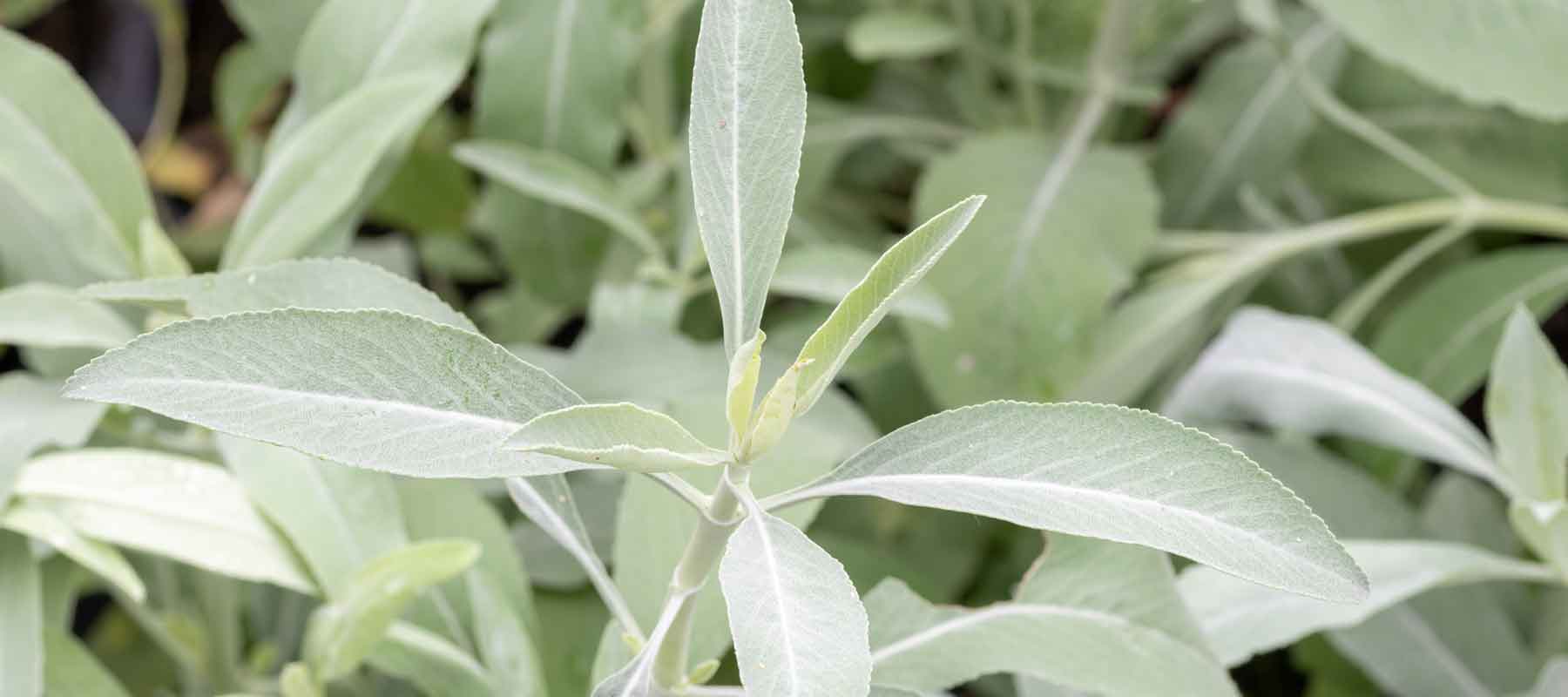
White sage (Salvia apiana) is an aromatic evergreen shrub native to the dry regions of Southern California and Baja California. Its distinctive silvery‑green leaves, strong scent, and deep cultural roots make it one of the most significant plants in Indigenous traditions and contemporary wellness practices. Below, we explore its historical role, modern uses, sustainable cultivation, science‑backed properties, and respectful cultural context.
The History of White Sage in Indigenous Traditions
Indigenous peoples of what is now California and northern Mexico have regarded white sage as a sacred plant for thousands of years. Its aromatic smoke, food uses, and medicinal applications were woven into daily life and ceremonial practices.
What is the history of white sage in Native American culture?
White sage was used by tribes such as the Cahuilla, Kumeyaay, and Chumash for purification, protection, and ceremonial activities. Smoke from burned leaves was believed to cleanse spaces and carry prayers, while seeds and leaves served as food sources, and teas made from sage were used for healing. These practices reflect a deep reciprocal relationship with the land and plant, where sage was treated as a sacred relative rather than a commodity.
How do Native American tribes traditionally use white sage?
Traditional uses varied by tribe but consistently included smoke cleansing in rituals, offerings, healing practices, and connection with ancestors or spiritual forces. The leaves were placed in homes, used in sweat lodges, and incorporated into rites of passage and purification ceremonies.
How is white sage used in spiritual ceremonies?
Burning white sage, often referred to as smudging, was performed before special events or during healing rituals to create a sacred atmosphere, promote clarity, and honor spiritual ancestors. Smoke was also thought to repel negative influences and reinforce community bonds.
White Sage in Modern Wellness and Aromatherapy
In recent decades, white sage has moved into global wellness, meditation, and aromatherapy, often divorced from its cultural roots.
What is smudging and how is white sage used for it?
Smudging refers to the burning of white sage bundles to produce fragrant smoke. In many modern practices, people use this smoke to “clear stagnant energy” or prepare a space for meditation. While similar in form to Indigenous practices, mainstream smudging often lacks cultural context and protocol.
How is white sage used in aromatherapy?
Essential oils distilled from white sage contain compounds such as 1,8‑cineole and camphor, which give it a strong, herbaceous scent. Aromatherapists use white sage oil and hydrosols to promote mental clarity, relaxation, and emotional balance.
Can white sage essential oil be used for wellness benefits?
Aromatic compounds in white sage essential oil are associated with antimicrobial, anti‑inflammatory, and calming properties. These effects contribute to its use in stress‑relief blends, air purification, and emotional support during reflective practices.
How to Grow White Sage Sustainably at Home
Cultivating white sage in gardens reduces pressure on wild populations and allows for ethical use without contributing to overharvesting in native ecosystems.
Can white sage be grown at home?
Yes. White sage thrives in dry, sunny environments and well‑drained soils typical of Mediterranean‑type climates. It can be grown from seeds or cuttings and adapted to gardens with appropriate soil and full sunlight.
What conditions are ideal for growing white sage at home?
The plant prefers well‑drained sandy or loamy soil and ample sunlight. Good drainage is critical because white sage is adapted to arid coastal scrublands, where waterlogged soil can cause root issues.
How long does it take to grow white sage?
Growth rate varies by climate and soil, but many gardeners report that white sage establishes slowly, forming woody shrubs over a couple of growing seasons in suitable conditions. Proper care and avoidance of overwatering support healthier growth.
Ethical Harvesting and Buying Guide for White Sage
Increasing global demand has led to unsustainable harvesting, making ethical sourcing a central concern for conservation and cultural respect.
How do you ethically harvest white sage?
Ethical harvesting means collecting only what you need, avoiding wild populations on public lands, and respecting Indigenous protocols. Harvesters should obtain permission from landowners and prioritize plants grown in sustainable or cultivated settings.
How do you support ethical white sage growers?
Supporting Indigenous growers and small farms that cultivate white sage responsibly helps protect wild populations and honors cultural connections. Look for transparent sourcing and evidence of sustainable practices rather than products harvested unsustainably from wild stands.
Medicinal Properties of White Sage: What Science Says
White sage has long been used in traditional medicine, and modern science is beginning to explore its biological properties.
What are the medicinal properties of white sage?
Phytochemical studies show that white sage contains essential oils, triterpenes, and flavonoids with antioxidative, antimicrobial, and potentially anti‑inflammatory effects. Extracts have shown activity against certain bacteria and interactions with nervous system receptors.
Is white sage safe to use for medicinal purposes?
While traditional uses include teas and topical applications, scientific evidence on efficacy and safety is still developing. Aromatherapeutic uses are based on chemical profiles rather than extensive clinical trials. Caution is advised, especially orally or in concentrated essential oil form, until more research is available.
White Sage vs. Other Sacred Plants: A Comparative Guide
Different sacred plants have unique cultural roles, origins, and uses in spiritual and ecological contexts.
How does white sage compare to palo santo or sweetgrass?
White sage (Salvia apiana) originates in the Southwestern U.S. and Mexico and is often used for deep purification rituals involving smoke. Palo santo, from South America, is a tree that produces lighter smoke and is used to promote peace and grounding. Sweetgrass is another Indigenous sacred plant used for inviting positive energies and blessings. Each plant has distinct cultural roots and traditional contexts.
Cultural Appropriation and White Sage: What You Need to Know
The mainstream use of white sage raises important questions about cultural respect and responsibility.
How to honor the cultural significance of white sage respectfully?
Understanding that white sage has sacred value in Indigenous cultures and learning about its origins are essential first steps. Use, sourcing, and interpretation should be guided by respect, with acknowledgment of traditional knowledge and avoidance of practices that trivialize or commodify cultural rituals.
Creative Uses of White Sage Beyond Smudging
White sage can be appreciated in ways that honor its heritage and aromatic qualities without replicating sacred rituals.
Can white sage be used in teas or oils?
Traditionally, white sage was brewed into teas for respiratory or digestive support. In modern practice, infused oils or light herbal teas may be made from leaves, but cultural context should inform respectful use.
What crafts or creative uses are possible with white sage?
Dried white sage foliage can be used in art, wreaths, or natural incense blends. Its strong aroma can also act as a natural insect repellent when placed in sachets around living spaces. Always consider sustainable sourcing when using plant material for crafts.