


White sage (Salvia apiana) is a drought-tolerant, aromatic perennial native to Southern California and Baja California. Known for its silvery leaves and traditional use in ceremonial smudging, white sage also serves as a low-maintenance garden plant that attracts pollinators. Propagating from cuttings is a reliable way to preserve plant traits and quickly expand your garden without waiting for seeds to germinate.
Best Time & Preparation for Cuttings
Proper timing and preparation set the foundation for successful propagation. Semi-hardwood growth during the warmer months roots most effectively.
What is the best time of year to take white sage cuttings?
Late spring to early summer is ideal. The stems are mature enough to resist rot but still soft enough to form roots readily. Taking cuttings during cool or dormant periods reduces rooting success.
How do you prepare a white sage cutting for planting?
Choose healthy stems free from pests or disease. Cut 4–6 inch segments, remove leaves from the lower half, and optionally dip in rooting hormone. Using clean, sterilized shears reduces infection risk.
How to Take and Select Cuttings
Selecting the correct cutting is crucial. Healthy stems produce stronger roots and faster establishment.
Can white sage cuttings be taken from any part of the plant?
Only non-flowering, semi-hardwood stems should be used. Young, tender shoots may rot, while old, woody stems root slowly.
How do you root white sage cuttings in water vs soil?
Water propagation can work but requires frequent water changes to prevent rot. Soil propagation in a well-draining mix of sand, perlite, and compost is preferred for long-term success. Keep medium consistently moist but not soggy.
What factors affect the success of white sage propagation from cuttings?
Factors include cutting age, medium, humidity, light, and temperature. Cuttings need bright, indirect light, warm temperatures (~70°F / 21°C), and moderate moisture for optimal rooting.
Rooting White Sage Cuttings: Soil, Water & Environment
Rooting requires the right soil mix, moisture, and environment to encourage healthy development.
What soil mix is best for rooting white sage cuttings?
Use a light, well-draining mix, such as 1:1:1 sand, perlite, and seed-starting compost. Avoid heavy or clay soils, which trap water and cause root rot.
How long do white sage cuttings take to form roots?
Roots typically appear within 4–6 weeks, depending on temperature and humidity. Warmer, humid conditions speed rooting, while cooler or dry environments slow it.
How do you maintain soil moisture and humidity during rooting?
Cover cuttings with a humidity dome or plastic bag to retain moisture while allowing airflow. Overly wet soil or stagnant air can cause fungal infections.
Caring for White Sage Cuttings After Rooting
Proper post-root care ensures stronger, healthier plants.
How do you care for white sage cuttings after rooting?
Move rooted cuttings into bright, indirect light. Continue light watering and gradually acclimate them to full sun. Avoid overwatering, as established white sage thrives in dry conditions.
How to monitor root development and health?
Check roots by gently tugging after a few weeks. If resistance is felt, roots are established. Ensure soil remains slightly moist but never waterlogged to prevent rot.
Transplanting & Long-Term Establishment
Transplant carefully to support long-term growth.
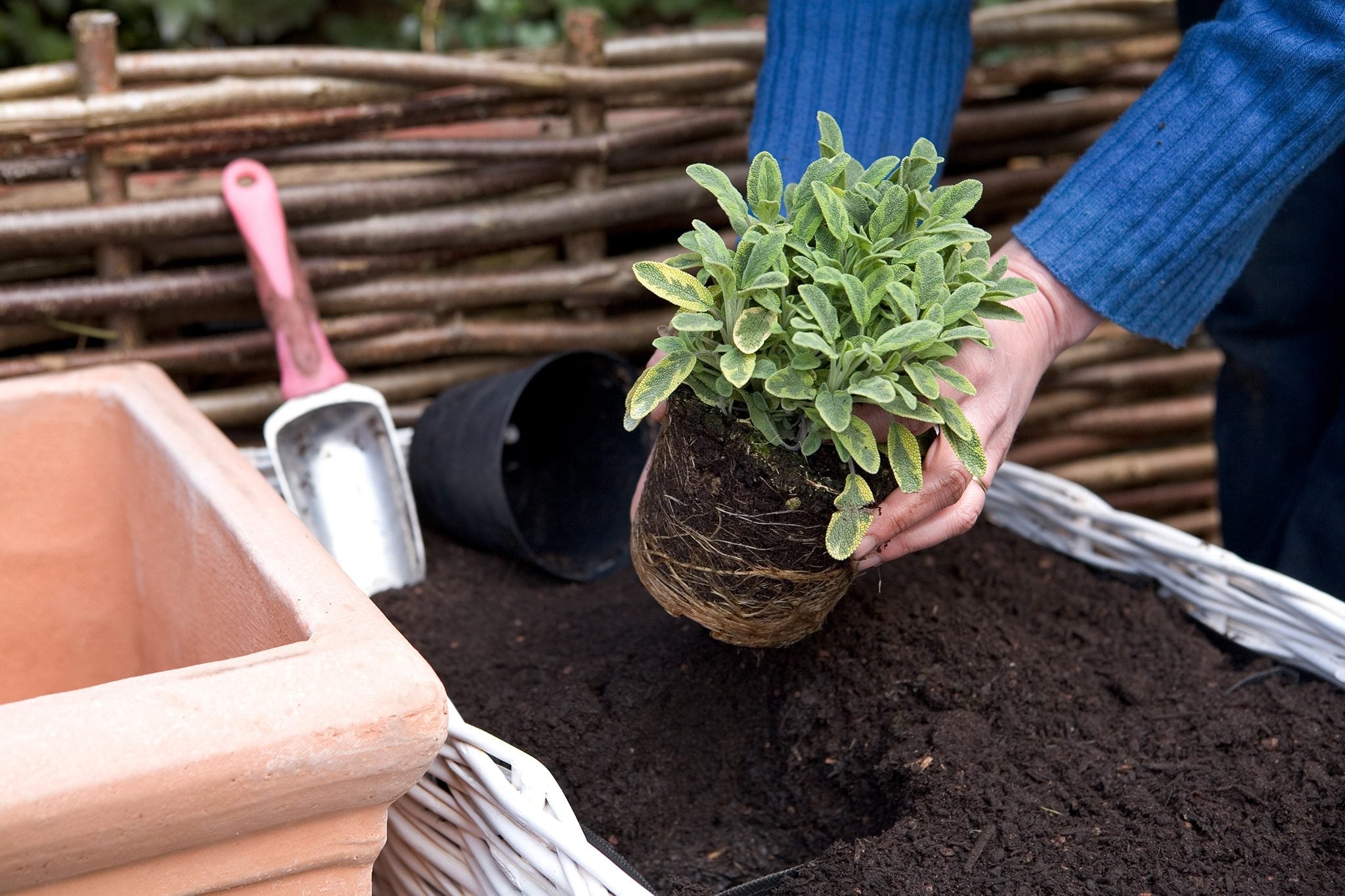
How do you transplant rooted white sage cuttings to the garden?
Transplant into full sun locations with well-draining soil. Space plants 2–3 feet apart for mature growth. Harden off by introducing them to outdoor conditions gradually.
Best practices for container-grown white sage cuttings
Use containers with drainage holes and a sandy soil mix. Water sparingly and provide 6+ hours of sun daily. Repot only when roots outgrow the container.
Troubleshooting Propagation Problems
Even experienced gardeners face challenges.
What Are the Common Problems When Growing White Sage from Cuttings?
The most frequent issues are root rot, failure to root due to improper timing, and fungal infections. Ensure good drainage, indirect light, and warm conditions.
How Can You Improve Success Rates of White Sage Propagation?
Use healthy cuttings, a sterile medium, and optionally apply rooting hormone. Avoid overwatering and maintain temperatures between 65–75°F (18–24°C).