
Skip to content
FREE SHIPPING OVER $99

Growing Zone

Find Now

Have a question?

Ask Us!

Cart
Papaya Tree - Healthy Harvesters

Papaya Tree Care: How to Grow, Maintain, and Harvest Papayas at Home

A fast-growing tropical fruit tree that can produce within its first year — papaya tree care centers on warmth, drainage, nutrition, and proper pollination.

Sun: 6–8 hrs full sun Soil: Sandy loam, pH 5.5–7.0 Fruits in: 6–9 months
FRUITS FORM DIRECTLY ON TRUNK
Fruit clusters low on the trunk beneath a crown of large palmate leaves

Papaya tree care centers on warmth, drainage, nutrition, and proper pollination. The papaya plant, botanically known as Carica papaya, is a fast-growing tropical fruit tree that can produce within its first year under ideal conditions. Because it grows quickly and fruits early, it attracts home gardeners across tropical and subtropical climates.

01How to Grow Papaya from Seed Successfully

Growing papaya from seed is the most common and accessible propagation method. Seed handling, soil warmth, and drainage determine early success more than any other factor.

How do you grow papaya from seed at home?

Start with seeds from a fully ripe fruit. The gelatinous coating around each seed contains natural germination inhibitors, so rinsing and lightly drying the seeds for about a day improves sprouting rates. Sow seeds about half an inch deep in loose, well-draining soil. Soil temperature should stay between 75 and 85°F for optimal germination. Keep the soil consistently moist but never saturated. Under warm conditions, seedlings typically emerge within two to three weeks.

How long does it take for papaya seeds to germinate?

Papaya seeds usually germinate in 14 to 21 days when soil temperatures remain above 70°F. Germination slows significantly in cooler soil. Soil warmth has a stronger influence on sprouting than air temperature, which is why bottom heat often improves results in marginal climates.

What is the best soil for papaya trees?

Papaya trees prefer well-draining sandy loam with a pH between 5.5 and 7.0. Drainage is critical because papaya roots are shallow and sensitive to oxygen deprivation. Waterlogged soil commonly leads to root diseases such as Phytophthora root rot. In heavy clay areas, raised beds greatly improve survival and long-term productivity.

Can papaya trees grow in pots?

Papaya can grow in large containers of at least 15 to 25 gallons. Dwarf or compact varieties perform best in pots. Container-grown trees require full sun, frequent feeding, and careful moisture control. Because root systems are restricted, yields may be lower than in-ground plantings, though fruit production is still possible in warm climates.

How much sunlight does a papaya tree need?

Papaya requires full sun exposure for at least six to eight hours daily. Continuous sunlight supports strong flowering, fruit development, and disease resistance. Reduced light leads to weak growth and lower fruit production.

Quick Reference
Botanical nameCarica papaya
Soil pH5.5–7.0, well-draining
Germination14–21 days above 70°F
Time to fruit6–9 months (tropical)
Yield30–100 fruits/year
Productive lifespan3–5 years

02Papaya Tree Maintenance, Fertilizer, and Common Problems

Papaya grows rapidly and demands consistent nutrition. Balanced fertilization and proper watering practices directly affect fruit size, sweetness, and overall yield.

How often should you water a papaya tree?

Young papaya plants need steady moisture during establishment. Mature trees benefit from deep watering once or twice per week in dry weather. The soil should remain evenly moist but never soggy. Excess water increases the risk of root rot, which is one of the most common causes of tree decline.

What is the best fertilizer for papaya trees?

Papaya trees are considered heavy feeders. During early growth, a balanced fertilizer such as 10-10-10 or 14-14-14 supports vegetative development. Once flowering begins, slightly higher potassium levels improve fruit formation and quality. Small, regular applications every four to six weeks during active growth are commonly recommended. Magnesium and boron also support proper flowering and fruit set.

Why are my papaya tree leaves turning yellow?

Yellowing leaves often indicate nutrient deficiencies or drainage issues. Nitrogen deficiency typically causes uniform yellowing of older leaves. Magnesium deficiency appears as yellowing between veins. Overwatering and root disease can also cause discoloration. Evaluating soil drainage is usually the first step before adjusting fertilization.

Do papaya trees need pruning?

Papaya trees do not require structural pruning. Removing damaged or diseased leaves improves airflow and reduces pest pressure. Some growers cut the main stem to encourage branching, though this may change the typical trunk-based fruiting pattern.

How do you protect papaya trees from pests and diseases?

Common pests include aphids, spider mites, whiteflies, and fruit flies. Papaya ringspot virus, transmitted by aphids, is one of the most serious diseases and has no cure. Maintaining plant health through proper nutrition and airflow reduces vulnerability. Removing infected plant material promptly and using appropriate organic or conventional controls when necessary helps limit spread.

Note: Papaya ringspot virus has no cure — prevention through plant health, airflow, and prompt removal of infected material is the only defense.

03Papaya Flowering, Pollination, and Fruit Production

Understanding papaya plant sex is essential for fruit production. Papaya plants may be male, female, or hermaphrodite, and this determines whether fruit will develop.

How can you tell if a papaya tree is male or female?

Male trees produce long stalks with clusters of small flowers. Female trees develop larger flowers close to the trunk. Hermaphrodite trees produce bisexual flowers and can self-pollinate. For home gardens, hermaphrodite plants are often preferred because they reliably produce fruit without requiring a second tree.

Do you need two papaya trees to produce fruit?

Female trees require pollen from a male or hermaphrodite plant. Hermaphrodite trees are self-fertile and can produce fruit independently. Planting multiple seedlings increases the likelihood of obtaining at least one fruit-bearing plant.

Why is my papaya tree flowering but not producing fruit?

A tree may be male and incapable of fruiting. Poor pollination, excessive nitrogen fertilizer, micronutrient deficiencies such as boron, or temperature stress can also interfere with fruit set. Growth slows and flowering declines when temperatures fall below 59°F.

How long does it take for a papaya tree to bear fruit?

In tropical climates, papaya can begin producing within six to nine months after planting. In slightly cooler regions, fruiting may take up to one year. Most trees remain highly productive for three to five years before yields gradually decline.

04Harvesting Papayas and Maximizing Yield

Harvest timing influences sweetness, texture, and shelf life. Proper fertilization and sunlight exposure determine total annual production.

When is the best time to harvest papayas?

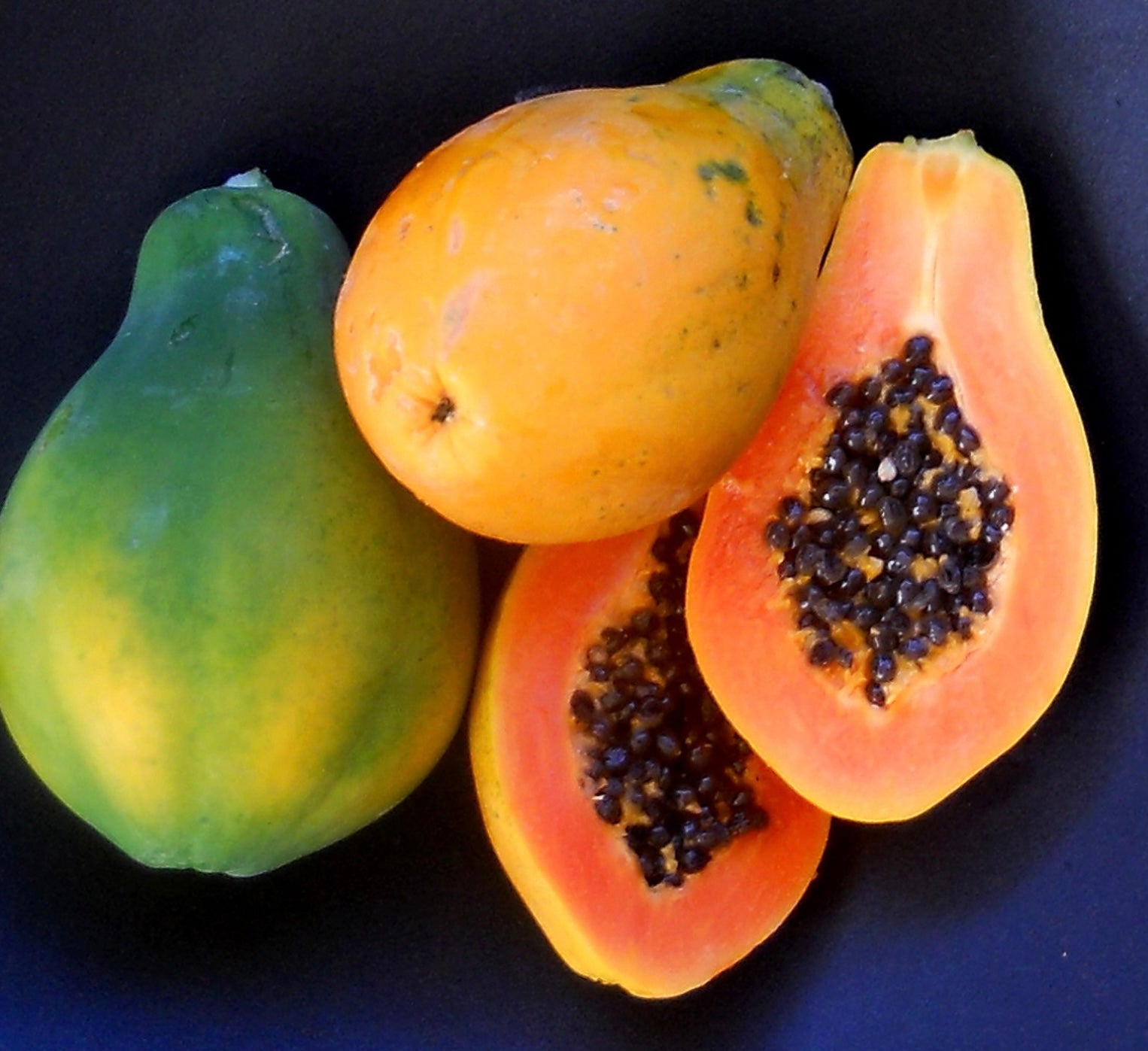
Papayas are ready to harvest when approximately one quarter to one half of the fruit surface turns yellow. At this stage, the fruit will continue ripening off the tree at room temperature. Fully green fruit is often harvested earlier for use in savory dishes.

How do you harvest papaya fruit properly?

Use a sharp knife or pruning shears to cut the fruit, leaving a short stem attached. Pulling or twisting fruit can damage the trunk and reduce future productivity.

How many papayas can one tree produce?

A healthy papaya tree may produce between 30 and 100 fruits per year depending on variety, sunlight, fertilization, and climate conditions. Consistent feeding and strong sun exposure significantly improve yield.

Previous Post Next Post

Leave a comment

Please note, comments need to be approved before they are published.