
Skip to content
FREE SHIPPING OVER $99

Growing Zone

Find Now

Have a question?

Ask Us!

Cart
Subtropical Fruit Tree- Cherry of the Rio Grande

Cherry of the Rio Grande (Eugenia involucrata) Care Guide

Cherry of the Rio Grande is gaining attention among tropical fruit growers for its compact size, attractive foliage, and flavorful fruit.

Climate: 18–32°C Height: 10–20 ft unpruned Fruits in: 2–6 years
GREEN TURNING DEEP RED FULLY RIPE
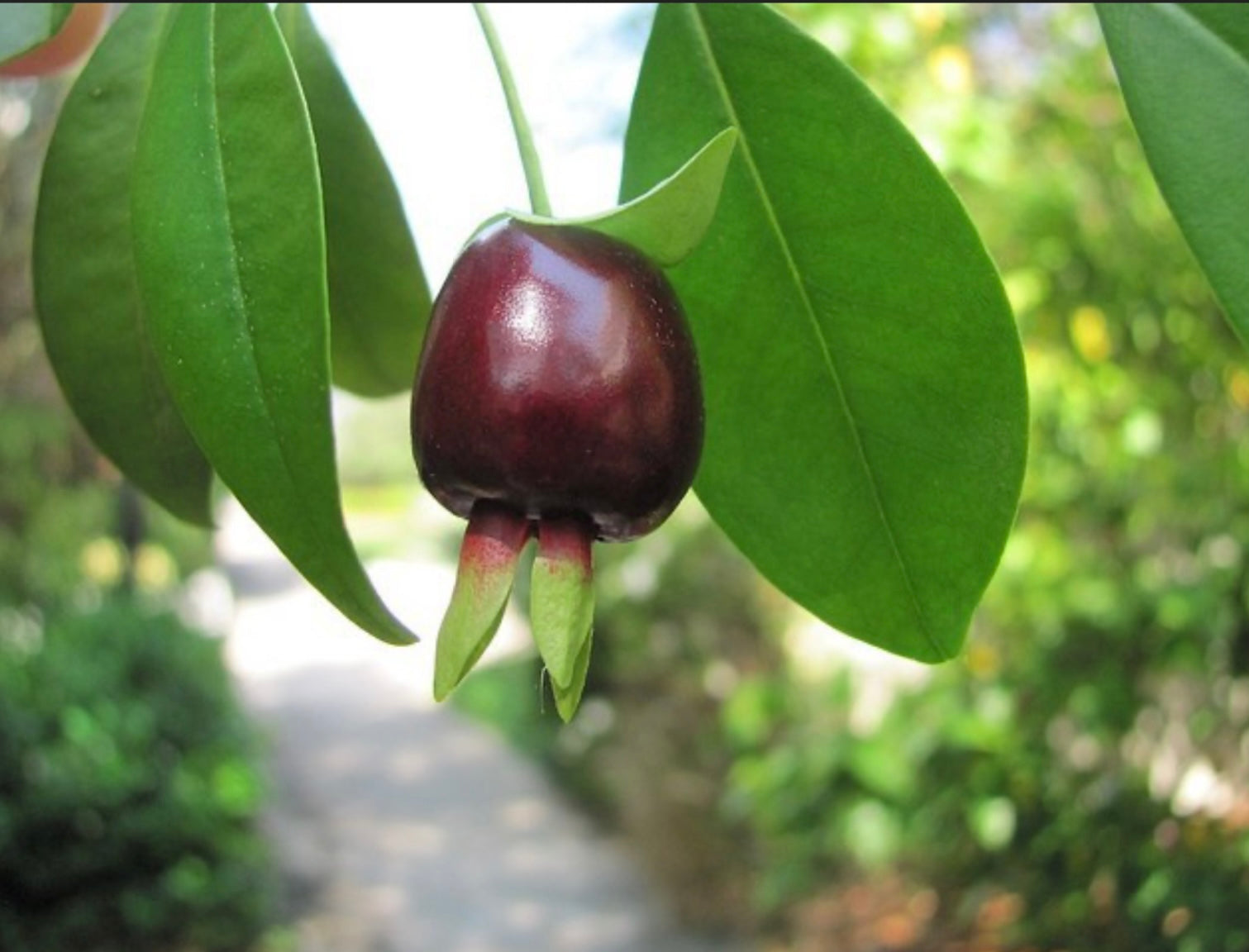
Fruit ripens from green to deep red to almost black — color is the clearest sign it's ready

Native to southern Brazil, Eugenia involucrata belongs to the Myrtaceae family, alongside guava and jaboticaba. It is well-suited to subtropical and warm-temperate gardens, where it can be grown as a backyard fruit tree or even in containers.

01What Is Cherry of the Rio Grande? Botanical Profile, Fruit Structure, and Flavor

What is Cherry of the Rio Grande?

Cherry of the Rio Grande (Eugenia involucrata) is an evergreen fruit tree native to Brazil, Uruguay, and parts of Paraguay. It produces glossy, dark green leaves and small white flowers typical of Myrtaceae species. The fruit is oval to slightly elongated, ripening from green to deep red or almost black when fully mature. Inside is a single large seed surrounded by soft, juicy pulp.

Is Cherry of the Rio Grande a real cherry?

It is not related to true cherries from the genus Prunus. Instead, it belongs to the Myrtaceae family, which includes other tropical fruits such as pitanga (Eugenia uniflora) and jaboticaba (Plinia cauliflora). The name comes from its cherry-like size, color, and flavor rather than botanical classification.

What does Cherry of the Rio Grande taste like?

The flavor is sweet with mild acidity, often described as a blend of cherry, plum, and sometimes grape. Fully ripe fruits develop a deeper sweetness and softer texture, while underripe fruits tend to be more tart and less aromatic. The skin is thin and edible, and the pulp has a smooth consistency.

02Ideal Growing Conditions: Climate, Soil Chemistry, and Light Exposure

Environmental conditions directly influence growth rate, flowering, and fruit quality.

Where does Cherry of the Rio Grande grow best?

It grows best in subtropical to tropical climates with temperatures ranging from 18°C to 32°C. The plant tolerates light frost once established, typically down to about -3°C for short periods, though young plants are more sensitive. It performs well in regions with moderate humidity and consistent rainfall or irrigation.

What type of soil does Cherry of the Rio Grande need?

The tree prefers well-draining soil rich in organic matter, with a slightly acidic to neutral pH between 5.5 and 7.0. Good drainage is essential, as waterlogged conditions can lead to root rot. Sandy loam or amended garden soil with compost improves aeration and nutrient availability.

How much sunlight does Cherry of the Rio Grande need?

Full sun supports optimal flowering and fruit production, though the plant tolerates partial shade. In very hot climates, light afternoon shade can reduce leaf stress and moisture loss. Young plants benefit from filtered light until they are fully established.

03Growth Rate, Mature Size, and Fruiting Timeline

How fast does Cherry of the Rio Grande grow?

Growth is generally slow to moderate. In the first few years, energy is directed toward root establishment. With consistent care, growth becomes steadier, especially in warm climates with adequate nutrition and water.

How big does Cherry of the Rio Grande tree get?

In open ground, it can reach 10 to 20 feet tall with a dense, bushy canopy. With pruning, it is commonly maintained at 6 to 10 feet for easier harvesting. The plant naturally forms a multi-branched structure, making it suitable for hedge-style growth or small orchard layouts.

How long does it take for Cherry of the Rio Grande to fruit?

Seed-grown plants typically begin fruiting in 4 to 6 years. Grafted trees or mature nursery plants may fruit sooner, sometimes within 2 to 3 years. Flowering usually occurs in spring, followed by fruit development over several weeks.

Quick Reference
Botanical nameEugenia involucrata
Native rangeBrazil, Uruguay, Paraguay
FamilyMyrtaceae (guava, jaboticaba)
Ideal temperature18–32°C
Frost toleranceShort periods to -3°C, once established
Soil pH5.5–7.0

04Propagation Methods and Container Growing Strategies

Propagation technique influences genetic consistency, fruit quality, and time to harvest.

Can you grow Cherry of the Rio Grande in a pot?

Yes, it adapts well to container culture. A large container with drainage holes and a well-aerated soil mix supports healthy root growth. Container-grown plants require more frequent watering and periodic fertilization due to limited soil volume.

How do you propagate Cherry of the Rio Grande?

Propagation is most commonly done by seed, which germinates reliably when fresh. Seeds should be planted soon after extraction, as viability decreases with drying. Vegetative methods such as cuttings or grafting are also used to preserve desirable traits and reduce time to fruiting.

05Watering, Nutrition, and Seasonal Care

Consistent care practices are key to maintaining plant health and supporting fruit production.

How often should you water Cherry of the Rio Grande?

The plant prefers evenly moist soil, particularly during flowering and fruit development. Deep watering is recommended when the top few centimeters of soil dry out. Mulching helps retain moisture and stabilize soil temperature.

Does Cherry of the Rio Grande need fertilizer?

Fertilization supports steady growth and fruiting. A balanced fertilizer with nitrogen, phosphorus, and potassium encourages overall plant health. Organic options such as compost or slow-release fertilizers improve soil structure and nutrient availability over time.

Good to know: Mulching does double duty here — it retains soil moisture and helps stabilize soil temperature around the root zone.

06Flowering, Fruiting, and Harvesting Practices

Understanding the fruiting cycle improves yield and ensures better flavor.

When does Cherry of the Rio Grande fruit?

Flowering typically occurs in spring, followed by fruit ripening in late spring to early summer. In warmer climates, additional flowering cycles may occur, leading to multiple harvests in a year.

How much fruit does Cherry of the Rio Grande produce?

A mature tree can produce a moderate but consistent yield. Productivity increases with age and proper care, including pruning and fertilization. Fruit production may vary depending on climate, pollination conditions, and plant health.

07Common Problems, Pests, and Growth Challenges

Is Cherry of the Rio Grande easy to grow?

It is considered relatively easy for growers familiar with tropical or subtropical fruit trees. Its adaptability to different soil types and moderate pest resistance make it a practical choice for home gardens.

What are common problems with Cherry of the Rio Grande?

The most common issues include slow growth due to nutrient deficiencies, leaf drop from inconsistent watering, and root problems caused by poor drainage. Occasional pests such as aphids, scale insects, or fruit flies may appear, though infestations are usually manageable with basic garden care.

Is Cherry of the Rio Grande worth growing?

Cherry of the Rio Grande is valued for its combination of ornamental appeal and edible fruit. It fits well in small gardens, container setups, and edible landscapes. The fruit can be eaten fresh or used in jams, jellies, and desserts. Its manageable size and adaptability make it a strong choice for growers interested in uncommon tropical fruit species.

Want This in Your Own Garden?

If patience isn't part of the plan, we've got plants ready to plant today — browse the full collection.

Browse Our BESTSELLERS!
Blossomdale  ·  Landscape Plants for Desert & Native Gardens
Previous Post Next Post

Leave a comment

Please note, comments need to be approved before they are published.