


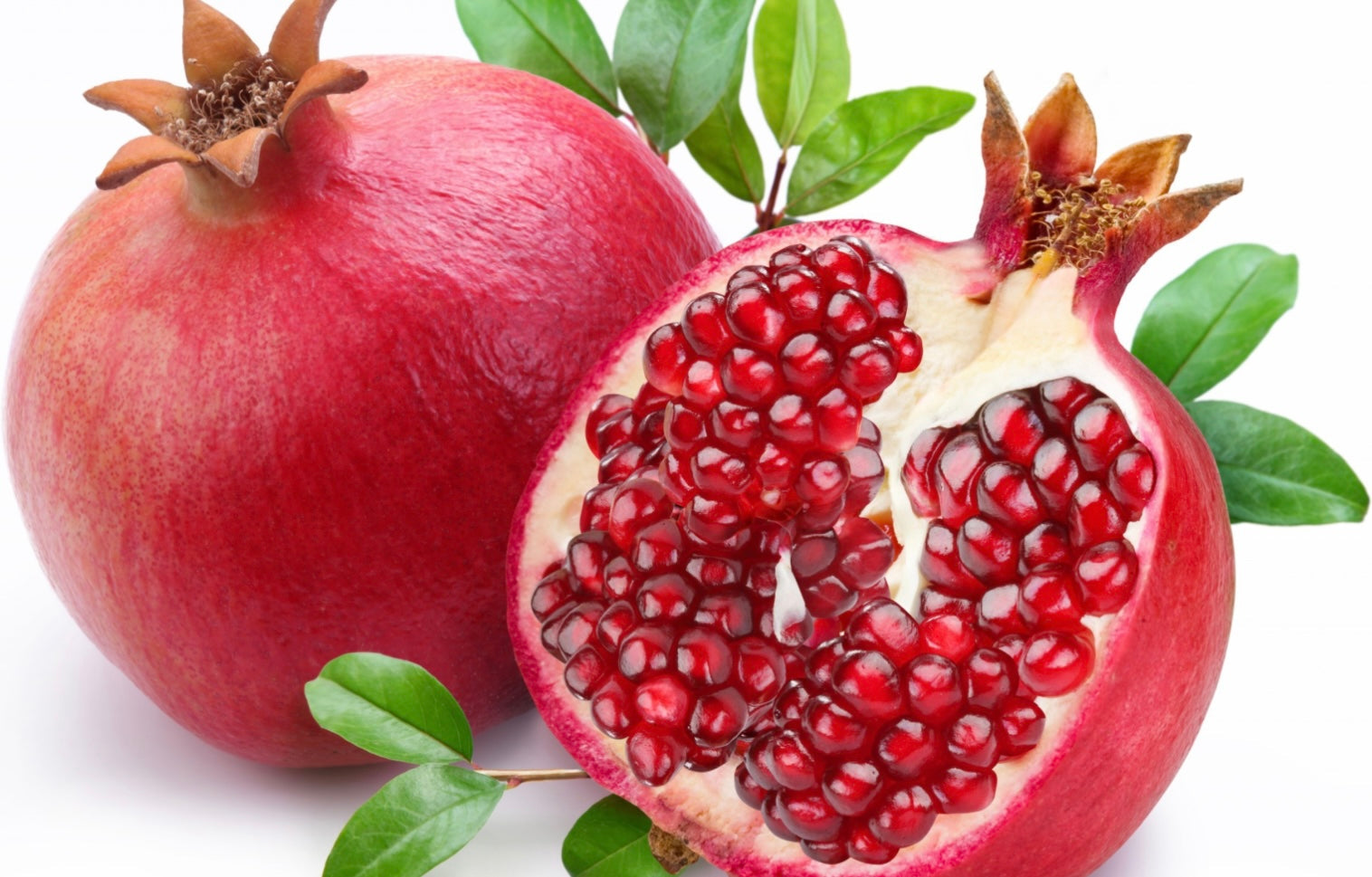
The Red Wonderful Pomegranate is one of the most widely grown and commercially successful pomegranate varieties in the world. Known for its deep red skin, jewel-toned arils, and balanced sweet-tart flavor, the Wonderful cultivar dominates supermarket shelves and backyard orchards alike.
What is a Wonderful pomegranate?
The Wonderful pomegranate is a cultivar of Punica granatum known for its large size, deep red rind, and richly colored arils. It was introduced commercially in the early 20th century in California and quickly became the dominant variety for fresh eating and juice production. Today, most pomegranates sold in American supermarkets are Wonderful variety.
Why is it called Wonderful pomegranate?
The name “Wonderful” is a cultivar name chosen for marketing appeal. It reflects the fruit’s size, flavor balance, storage quality, and commercial reliability. The name is not botanical but has become the industry standard label for this specific variety.
Is Wonderful pomegranate the same as red pomegranate?
Most red pomegranates sold in large grocery chains are Wonderful variety, though not all red pomegranates are Wonderful. Other cultivars also produce red fruit, but Wonderful is the most widely grown commercial red type in the United States.
Where are Wonderful pomegranates grown?
Wonderful pomegranates are primarily grown in California’s Central Valley, especially around Fresno and Kern County. They are also cultivated in Arizona, parts of the Mediterranean, Israel, and regions with hot summers and mild winters.
Health Benefits and Nutrition of Red Wonderful Pomegranate
Red Wonderful pomegranates are frequently searched for their antioxidant profile, heart benefits, and overall nutritional value.
What are the health benefits of Wonderful pomegranate?
Wonderful pomegranates are rich in antioxidants, particularly punicalagins and anthocyanins. Research suggests pomegranate juice may support heart health, reduce oxidative stress, and help lower inflammation markers. Some studies show potential benefits for blood pressure and arterial health.
Is pomegranate good for your heart?
Pomegranate juice has been studied for cardiovascular support. Research published in nutrition and cardiology journals indicates it may help improve blood flow and reduce LDL oxidation, which is linked to heart disease risk. These effects are attributed to its high polyphenol content.
How many calories are in a Wonderful pomegranate?
One whole pomegranate contains roughly 230–240 calories, depending on size. One cup of arils contains approximately 140–150 calories. It is also a good source of fiber, vitamin C, vitamin K, and potassium.
Does pomegranate have a lot of sugar?
Pomegranate arils contain natural sugars. One cup has about 24 grams of sugar, which is comparable to many fruits. The sugar content is balanced by fiber and antioxidants, making it nutritionally dense rather than empty-calorie sweet.
Taste, Appearance, and Ripeness
Consumers frequently search how to identify ripe Wonderful pomegranates and what flavor to expect.
What does a Wonderful pomegranate taste like?
Wonderful pomegranates have a sweet-tart flavor profile. The arils are juicy with noticeable acidity, especially compared to softer, sweeter varieties. The flavor intensifies as the fruit fully ripens.
How do you know if a Wonderful pomegranate is ripe?
A ripe Wonderful pomegranate feels heavy for its size, indicating high juice content. The skin should be firm and deep red with a slightly matte finish. Ripe fruits often develop flat sides due to tightly packed arils inside.
When are Wonderful pomegranates in season?
In the United States, Wonderful pomegranates are typically harvested from September through November. They may remain available in stores through January due to their excellent storage life.
Growing Red Wonderful Pomegranate Trees
The Wonderful pomegranate tree is popular among home gardeners in warm climates. It is valued for drought tolerance, ornamental flowers, and fruit production.
How do you grow a Wonderful pomegranate tree?
Wonderful pomegranate trees require full sun and well-drained soil. They thrive in USDA zones 8–11. The tree needs hot summers for fruit development and mild winters. Planting in a sunny, sheltered location improves fruit quality.
How long does a Wonderful pomegranate tree take to bear fruit?
A grafted Wonderful pomegranate tree can begin producing fruit within 2 to 3 years. Full production typically occurs around 5 years after planting. Trees can remain productive for decades under proper care.
How often should you water a pomegranate tree?
Young trees require consistent watering during establishment. Mature trees are drought tolerant but benefit from deep watering every 7–10 days during dry periods. Overwatering can reduce fruit sweetness and cause splitting.
Can you grow Wonderful pomegranate in pots?
Yes, Wonderful pomegranates can grow in large containers with proper drainage. Dwarfing may occur, but container growing is possible in warm climates or where winter protection is needed.
How to Eat, Store, and Use Wonderful Pomegranates
How long do Wonderful pomegranates last?
Whole pomegranates can last 1 to 2 months in refrigeration. Arils stored in an airtight container typically last up to 5 days in the refrigerator.
Can you freeze pomegranate arils?
Yes, arils can be frozen in a single layer on a tray before transferring to freezer-safe containers. Frozen arils maintain flavor and can be used in smoothies, desserts, or sauces.
What are the best ways to use Wonderful pomegranate?
Red Wonderful pomegranates are prized for their deep color, juicy arils, and balanced sweet-tart flavor. Their versatility makes them useful far beyond simple snacking.
Fresh arils brighten salads, grain bowls, yogurt, and oatmeal with texture and acidity. They pair especially well with feta, goat cheese, nuts, and leafy greens. The juice can be enjoyed on its own, blended into smoothies, or mixed into sparkling water and cocktails.
In savory cooking, pomegranate juice can be reduced into a glaze for chicken, lamb, or roasted vegetables. It is also the base for pomegranate molasses, commonly used in Middle Eastern cuisine. For desserts, arils add color and contrast to cheesecakes, chocolate cakes, and fruit tarts.