


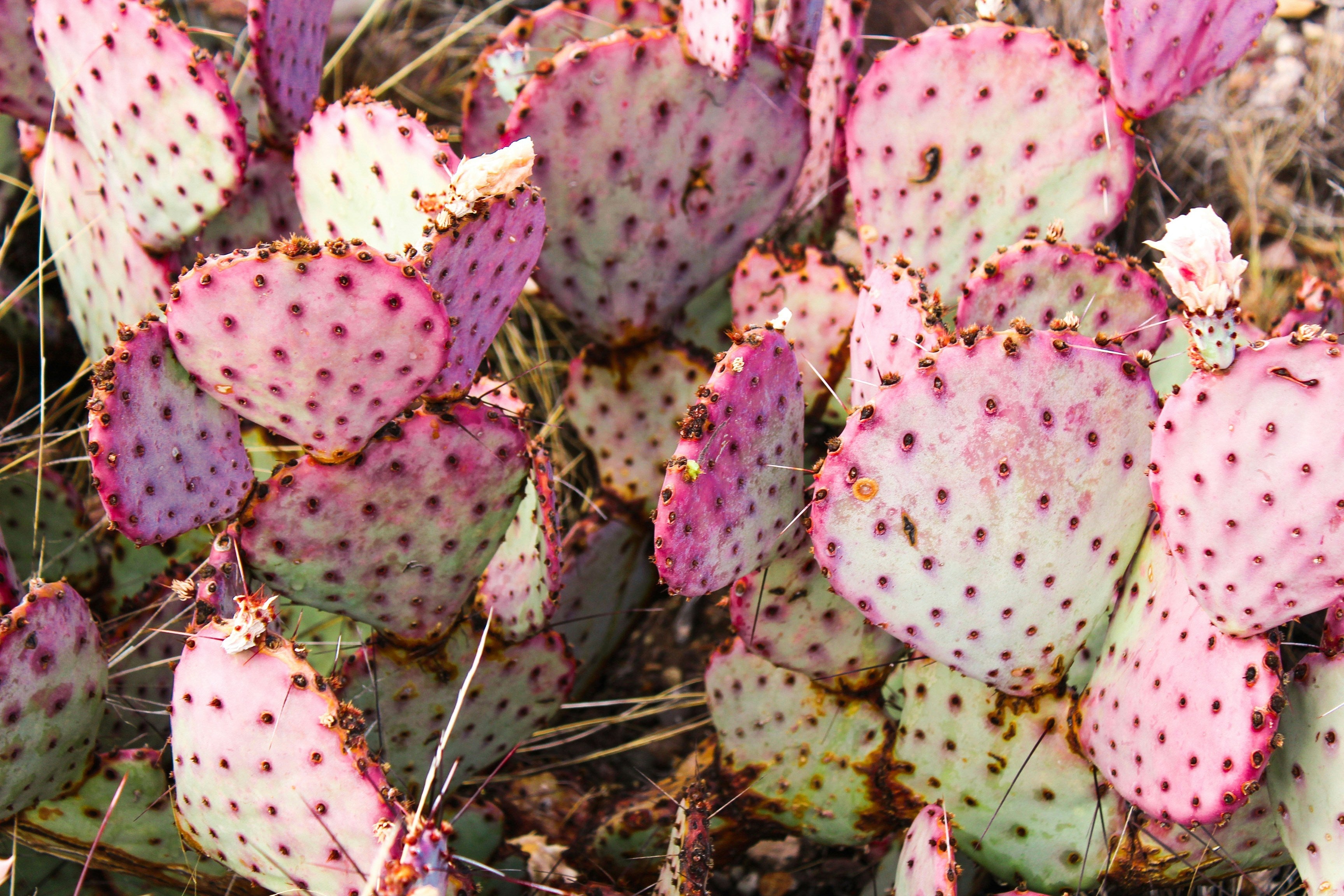
The Purple Prickly Pear Cactus (Opuntia sp.) is a striking desert succulent known for its vivid violet pads and bold architectural form. Valued for both its ornamental appeal and edible fruit and pads, this resilient plant is a standout in drought-tolerant gardens and desert landscapes. Its ability to combine beauty, practicality, and wildlife support makes it a favorite for gardeners seeking color, texture, and productivity.
What Is Purple Prickly Pear Cactus and Why Does It Turn Purple?
Purple Prickly Pear is a type of Opuntia cactus that develops rich violet pads in response to sunlight, cold stress, or drought. This color change isn’t a sign of poor health—it reflects the plant’s natural adaptation to environmental conditions. Native to arid regions of North America, the Purple Prickly Pear produces edible pads called nopales and sweet fruits known as tunas, giving it both aesthetic and culinary value.
How Do You Grow Purple Prickly Pear Cactus at Home?
Growing Purple Prickly Pear at home is simple if you follow its basic requirements. Start by selecting a sunny location that receives at least six hours of direct sunlight daily. The cactus prefers well-draining, sandy, or gravelly soil, which mimics its native desert habitat and prevents root rot. If planting cuttings, let the cut ends callus over for 3–5 days before placing them in soil to reduce the risk of infection.
Space plants generously to allow canopy expansion, as mature Purple Prickly Pears can spread 4–6 feet wide depending on the variety. Water young plants lightly until roots establish, which may take a few weeks. Once established, reduce watering to once every 2–4 weeks, depending on rainfall and temperature. Overwatering is the main cause of failure in home gardens.
Purple Prickly Pear is versatile: it grows well in the ground or in large containers for patios, balconies, or urban gardens.
What Soil, Sunlight, and Watering Conditions Does Purple Prickly Pear Need?
Purple Prickly Pear thrives in full sun and well-drained soil. Overwatering is the main threat; excess moisture can cause root rot. The plant tolerates sandy or rocky soils and benefits from light, occasional watering during prolonged dry spells. Its adaptability allows it to flourish in both arid deserts and warm coastal regions.
This cactus grows best in USDA Zones 8 through 11, making it suitable for warm deserts, coastal areas, and other regions with mild winters. Its adaptability allows it to flourish in both arid and semi-arid climates while maintaining its vibrant purple pads.
Can You Grow Purple Prickly Pear Cactus Indoors or in Containers?
Yes, Purple Prickly Pear can grow in large pots or containers. Choose a wide, shallow container with excellent drainage and place it in a bright, sunny spot. Indoor growth works best in climates where winter temperatures drop below freezing. Container planting also allows gardeners to move the cactus to sheltered locations during extreme cold or heavy rainfall.
How Fast Does Purple Prickly Pear Grow and How Big Does It Get?
Growth is moderate, typically adding a few pads each year under ideal conditions. Mature plants can reach 3–5 feet in height and spread, depending on growing conditions. The pads’ purple color often intensifies during stress, adding visual interest throughout the year.
Does the Purple Prickly Pear Bloom?
Yes, Purple Prickly Pear produces large, golden-yellow flowers in late spring to summer. The blooms are followed by vibrant, edible fruits, creating a dual display of color and productivity. Flowers also attract pollinators like bees, butterflies, and hummingbirds, making the plant ecologically valuable.
How Do You Care for Purple Prickly Pear Cactus Through the Seasons?
Seasonal care is minimal. In spring, prune away damaged pads and shape the plant as needed. Summer requires little intervention aside from occasional watering in extreme heat. During cooler months, the cactus may show deeper purple coloration, which is a natural stress response rather than a sign of poor health. Always wear gloves when handling to avoid the fine spines (glochids).
How Do You Prune or Maintain Purple Prickly Pear Cactus?
Pruning involves removing damaged, diseased, or overcrowded pads to maintain airflow and structure. This helps prevent pests and encourages healthy new growth. Light pruning also improves aesthetics, keeping the cactus compact and visually appealing.
Are Purple Prickly Pear Pads and Fruits Edible, and How Can You Use Them?
Both pads (nopales) and fruits (tunas) are edible. Pads can be grilled, sautéed, or used in salads and tacos. Fruits are sweet and slightly tart, perfect for jams, syrups, smoothies, or eaten fresh. Rich in antioxidants, fiber, and vitamin C, they provide both nutritional benefits and unique culinary opportunities.
What Medicinal and Traditional Uses Does Purple Prickly Pear Have?
Historically, Prickly Pear has been used to soothe burns, insect bites, and inflammation. Consuming pads and fruit helps support digestion and may aid in blood sugar regulation. Its antioxidant and anti-inflammatory properties continue to be studied in modern herbal medicine.
Does Purple Prickly Pear Cactus Support Wildlife and Pollinators?
Absolutely. Flowers attract bees, butterflies, and hummingbirds, while the pads and fruits provide food and shelter for birds and small mammals. Planting Purple Prickly Pear alongside other drought-tolerant species like Yellow Bush Daisy or Sage enhances biodiversity and creates a thriving desert or xeriscape ecosystem.
Is Purple Prickly Pear Safe Around Kids or Pets?
When handled carefully, Purple Prickly Pear is generally safe for adults and older children. However, the fine spines (glochids) can irritate skin and eyes, so supervision is recommended around young children and pets. Keep play areas clear of the cactus to avoid accidental contact.
How Can You Design Your Garden Using Purple Prickly Pear Cactus?
Use it as a focal point in desert, Mediterranean, or low-water gardens. Its vivid purple pads contrast beautifully with silver-leaved plants like Jerusalem Sage or textural grasses. Combine with edible plants like Goji Berry or Guava to create a garden that balances color, food production, and wildlife habitat.
What Are the Benefits of Using Purple Prickly Pear in Drought-Tolerant Landscapes?
Purple Prickly Pear requires minimal water, thrives in poor soil, and offers ornamental, edible, and ecological benefits. It stabilizes soil, reduces erosion, attracts pollinators, and provides seasonal interest, making it ideal for sustainable, low-maintenance landscapes.
Final Thoughts on Growing and Enjoying Purple Prickly Pear Cactus
The Purple Prickly Pear Cactus is a resilient, versatile, and visually striking addition to any garden. It combines food production, pollinator support, and sculptural beauty in one plant. For gardeners seeking low-maintenance, drought-tolerant, and ecologically beneficial species, this cactus delivers all three, proving that even desert plants can be both practical and stunning.