


Catalina Cherry is a common name often used for Barbados Cherry, also known as Acerola. Botanically, it is called Malpighia emarginata. This tropical fruiting shrub is prized for its exceptionally high vitamin C content, fast growth, and compact size, making it ideal for home gardens in warm climates.
Gardeners often choose it for home orchards, edible landscapes, and container growing because it adapts well to pruning and limited space.
What is Catalina Cherry?
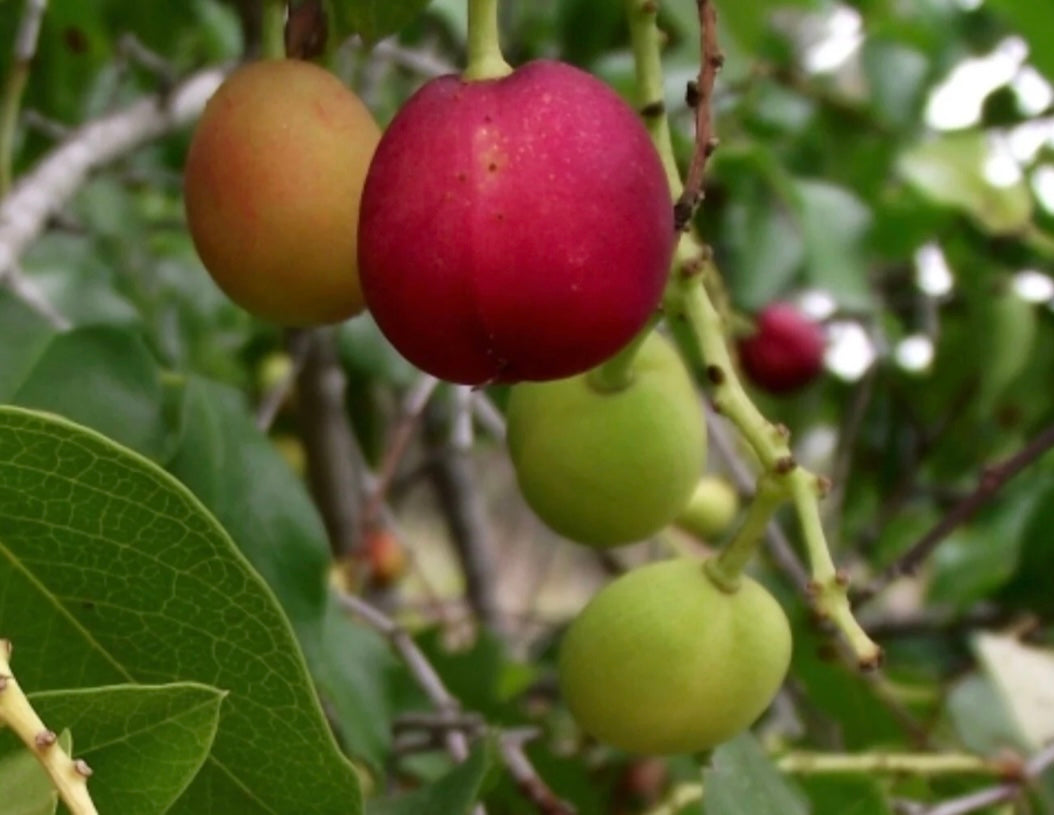
Catalina Cherry refers to Malpighia emarginata, a tropical evergreen shrub native to the Caribbean, Central America, and northern South America. It produces small, bright red, ribbed fruits that resemble cherries but are not related to true cherries in the genus Prunus. The fruit is widely known as Acerola or Barbados Cherry.
Is Catalina Cherry the same as Acerola or Barbados Cherry?
Yes. Catalina Cherry is a common name for Acerola and Barbados Cherry. All refer to Malpighia emarginata. The fruit is famous for containing extremely high levels of vitamin C, often significantly higher than oranges by weight.
What does a Catalina Cherry plant look like?
Catalina Cherry grows as a dense, multi-branched shrub or small tree that typically reaches 6 to 12 feet tall, though it can be kept smaller with pruning. It features:
- Glossy green oval leaves
- Pink to light lavender flowers
- Bright red, three-lobed fruits
The fruit is soft, juicy, and slightly tart to sweet depending on ripeness.
How to Grow Catalina Cherry Successfully
Catalina Cherry grows quickly in warm climates and rewards gardeners with repeated harvests when planted in the right conditions. As a tropical fruiting shrub, Malpighia emarginata depends on full sun, well-draining soil, and frost-free temperatures to thrive.
What climate does Catalina Cherry grow best in?
Catalina Cherry grows best in tropical and subtropical climates. It thrives in USDA zones 9b to 11. The plant is sensitive to frost and can suffer damage when temperatures drop below 30°F (-1°C). In cooler regions, it can be grown in containers and moved indoors during cold weather.
How much sunlight does Catalina Cherry need?
Catalina Cherry requires full sun for optimal fruit production. At least 6 to 8 hours of direct sunlight daily supports flowering and heavy fruiting. It can tolerate partial shade but may produce fewer fruits.
What type of soil is best for Catalina Cherry?
Catalina Cherry prefers:
- Well-draining sandy or loamy soil
- Slightly acidic to neutral pH, around 5.5 to 7.0
- Soil rich in organic matter
Good drainage is critical, as waterlogged soil can lead to root rot.
Can Catalina Cherry be grown in containers?
Yes, Catalina Cherry grows well in large containers. Choose a pot with excellent drainage and use a high-quality well-draining potting mix. Container-grown plants benefit from regular fertilization and consistent watering, as nutrients leach out more quickly than in-ground soil.
Catalina Cherry Care Guide: Watering, Fertilizing and Pruning
Healthy Catalina Cherry plants produce more flowers and fruit when given consistent care. Proper watering practices, balanced fertilization, and strategic pruning directly influence fruit size, plant structure, and overall yield.
How often should Catalina Cherry be watered?
Young plants require regular watering to establish roots. Once established, Catalina Cherry is moderately drought tolerant. Water deeply when the top few inches of soil become dry. Avoid overwatering, as soggy soil can damage roots.
What fertilizer is best for Catalina Cherry?
Catalina Cherry benefits from a balanced fertilizer formulated for fruiting plants. Many growers use a fertilizer with micronutrients, especially iron, as the plant can develop chlorosis in alkaline soils. Applying fertilizer 3 to 4 times per year during the growing season supports healthy growth and fruit production.
How do you prune Catalina Cherry for better fruiting?
Prune Catalina Cherry lightly to:
- Maintain shape
- Improve air circulation
- Encourage branching
Fruit forms on new growth, so light pruning after harvest can stimulate additional flowering cycles. Avoid heavy pruning that removes too much productive wood.
Flowering and Fruiting: What to Expect
Catalina Cherry is known for its rapid fruiting cycle and ability to produce multiple harvests per year in warm climates.
How long does Catalina Cherry take to bear fruit?
Catalina Cherry can begin producing fruit within 1 to 2 years after planting, especially when grown from a healthy nursery plant. Seed-grown plants may take slightly longer. In tropical climates, it can flower and fruit multiple times annually.
When is Catalina Cherry’s harvest season?
In warm regions, Catalina Cherry may produce fruit several times per year, often following rainfall or irrigation cycles. In subtropical climates, peak harvest commonly occurs from late spring through fall. The fruit ripens quickly, usually within 3 to 4 weeks after flowering.
How do you know when Catalina Cherry is ripe?
The fruit is ready to harvest when:
- It turns bright red
- It feels slightly soft to the touch
- It detaches easily from the stem
Ripe fruit is highly perishable and should be used quickly or refrigerated.
Problems, Pests and Plant Health
Catalina Cherry is generally low maintenance, yet environmental stress, nutrient imbalance, and pests can reduce flowering and fruit yield. Identifying common issues early supports healthier growth and long-term productivity.
Why is my Catalina Cherry not producing fruit?
Common reasons include:
- Insufficient sunlight
- Over-pruning
- Nutrient deficiencies
- Immature plant age
Ensuring full sun, proper fertilization, and light pruning encourages flowering and fruiting.
What pests and diseases affect Catalina Cherry?
Catalina Cherry may attract aphids, whiteflies, and scale insects. Fungal issues can occur in overly wet conditions. Good air circulation, proper watering, and occasional inspection help prevent infestations. Neem oil and insecticidal soaps are commonly used for pest control.
Harvesting and Using Catalina Cherry Fruit
Catalina Cherry fruit ripens quickly and must be harvested at the right stage for best flavor and nutritional value. The bright red fruit of Malpighia emarginata is highly perishable but prized for its exceptionally high vitamin C content.
How do you harvest Catalina Cherry properly?
Gently handpick ripe fruit to avoid bruising. The fruit is delicate and does not store well at room temperature. Refrigerate immediately and consume within a few days, or process into juice, jam, or smoothies.
What are the health benefits of Catalina Cherry?
Catalina Cherry, or Acerola, is widely recognized for its exceptionally high vitamin C content. It also contains antioxidants, vitamin A, and beneficial plant compounds. Due to its nutrient density, it is often used in natural vitamin supplements and health beverages.