


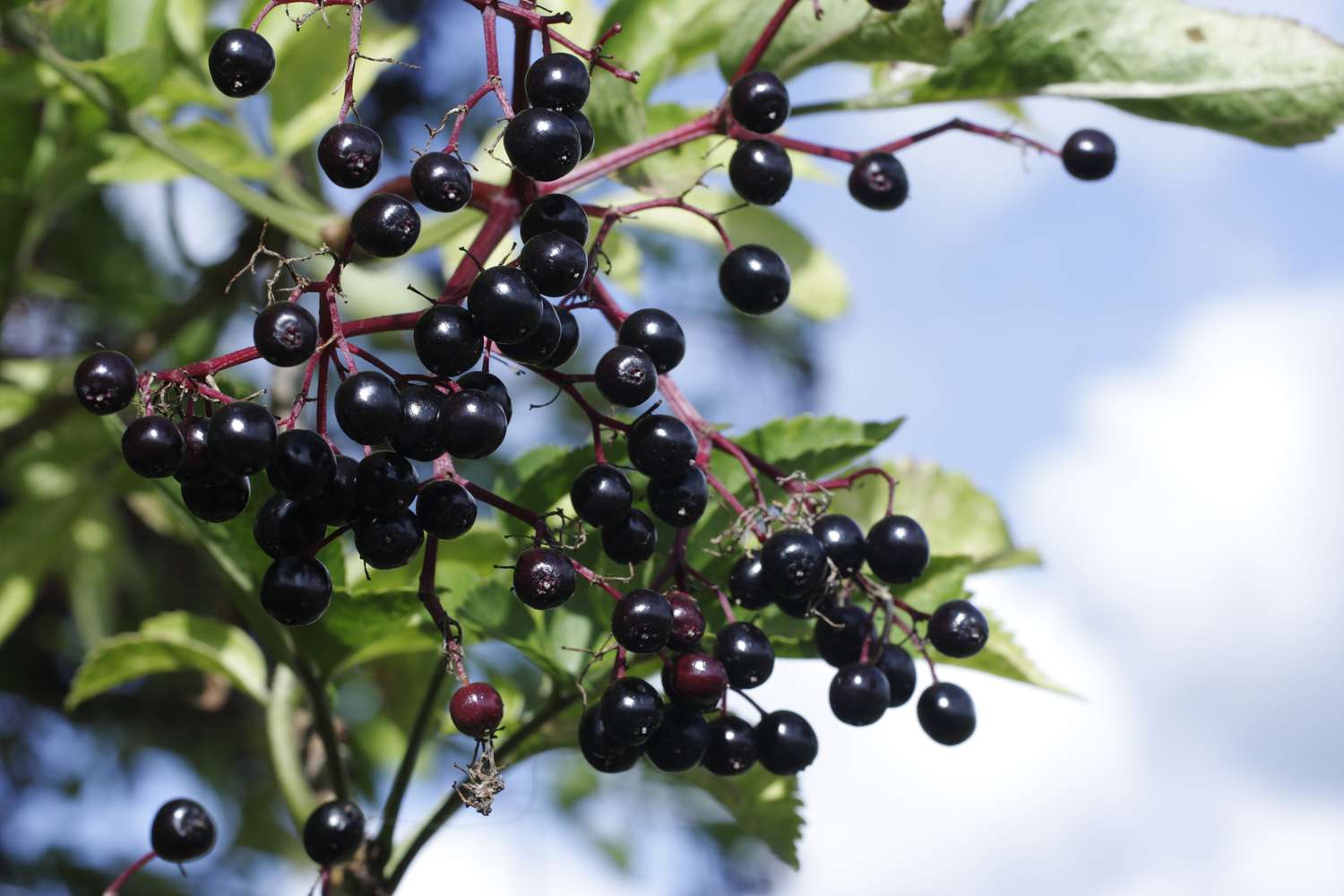
Elderberry plants (Sambucus spp.) are versatile shrubs or small trees known for their dark purple berries and attractive foliage. They are valued for culinary uses, traditional medicine, and wildlife support.
What is an elderberry plant?
An elderberry plant is a deciduous shrub or small tree that produces clusters of dark berries and small, fragrant white flowers. It is commonly cultivated for its edible berries and ornamental value.
What do elderberry plants look like?
Elderberry plants have pinnate leaves with 5–9 leaflets, flat-topped clusters of white flowers in spring, and dark purple to black berries in late summer. The stems are often woody and can grow multi-stemmed shrubs.
How do you identify elderberry plants?
Look for pinnate leaves, clusters of creamy-white flowers, and dark purple berries. The bark is grayish-brown with a slightly shreddy texture. Proper identification ensures you don’t confuse elderberries with potentially toxic lookalikes.
What are common elderberry plant varieties?
Popular varieties include American elderberry (Sambucus nigra subsp. canadensis), European elderberry (Sambucus nigra), and dwarf cultivars for small spaces. Varieties differ in berry size, yield, and flowering habits.
Where do elderberry plants grow naturally?
Elderberry plants are native to North America and Europe. They thrive in moist, well-draining soil and are often found along streams, forest edges, and open fields. They prefer temperate climates and full to partial sunlight.
Are elderberry bushes trees or shrubs?
Elderberry plants are typically multi-stemmed shrubs, though they can grow small tree-like forms. The classification depends on pruning and cultivation methods.
Edible vs Toxic Parts of Elderberry Plants
Are elderberry plants poisonous?
Raw elderberries, leaves, stems, and seeds contain cyanogenic glycosides and can be toxic if ingested in large quantities. Cooking the berries removes toxins, making them safe to consume.
What parts of the elderberry plant are edible?
Only ripe berries and flowers are considered safe to eat. Leaves, seeds, and stems should never be consumed raw.
Are elderberry plants poisonous to dogs?
Yes, raw elderberries and other parts can be toxic to dogs. Only small amounts of properly cooked berries are generally safe for pets.
Do deers eat elderberry plants?
Deer may browse young shoots, especially in areas where other forage is scarce. Protecting new plants with fencing or repellents helps prevent damage.
How to Grow Elderberry Plants at Home
How do you grow elderberry plants?
Elderberries grow best in full sun to partial shade with well-draining soil. Planting in raised beds or along hedgerows improves drainage. Mulch around the base to retain moisture and suppress weeds.
Can elderberry plants be grown in containers?
Yes. Container-grown elderberries should have at least 20 gallons of soil, a sturdy support if multi-stemmed, and consistent watering.
How to propagate elderberry plants?
Propagation can be done by softwood or hardwood cuttings taken in spring or late winter. Root cuttings in water or moist soil until established, then transplant.
Sun, Soil, and Water Requirements for Elderberry Plants
Do elderberry plants need full sun?
Yes, they produce the most flowers and fruit in full sun but can tolerate partial shade.
How do you care for elderberry plants?
Water consistently, prune annually to remove dead wood, fertilize with compost or balanced fertilizer, and monitor for pests and diseases.
Companion plants for elderberry
Good companions include blueberries, currants, and herbs like mint and chamomile, which thrive in similar soil and moisture conditions.


Seasonal Shipping
Ships on February 15, 2027
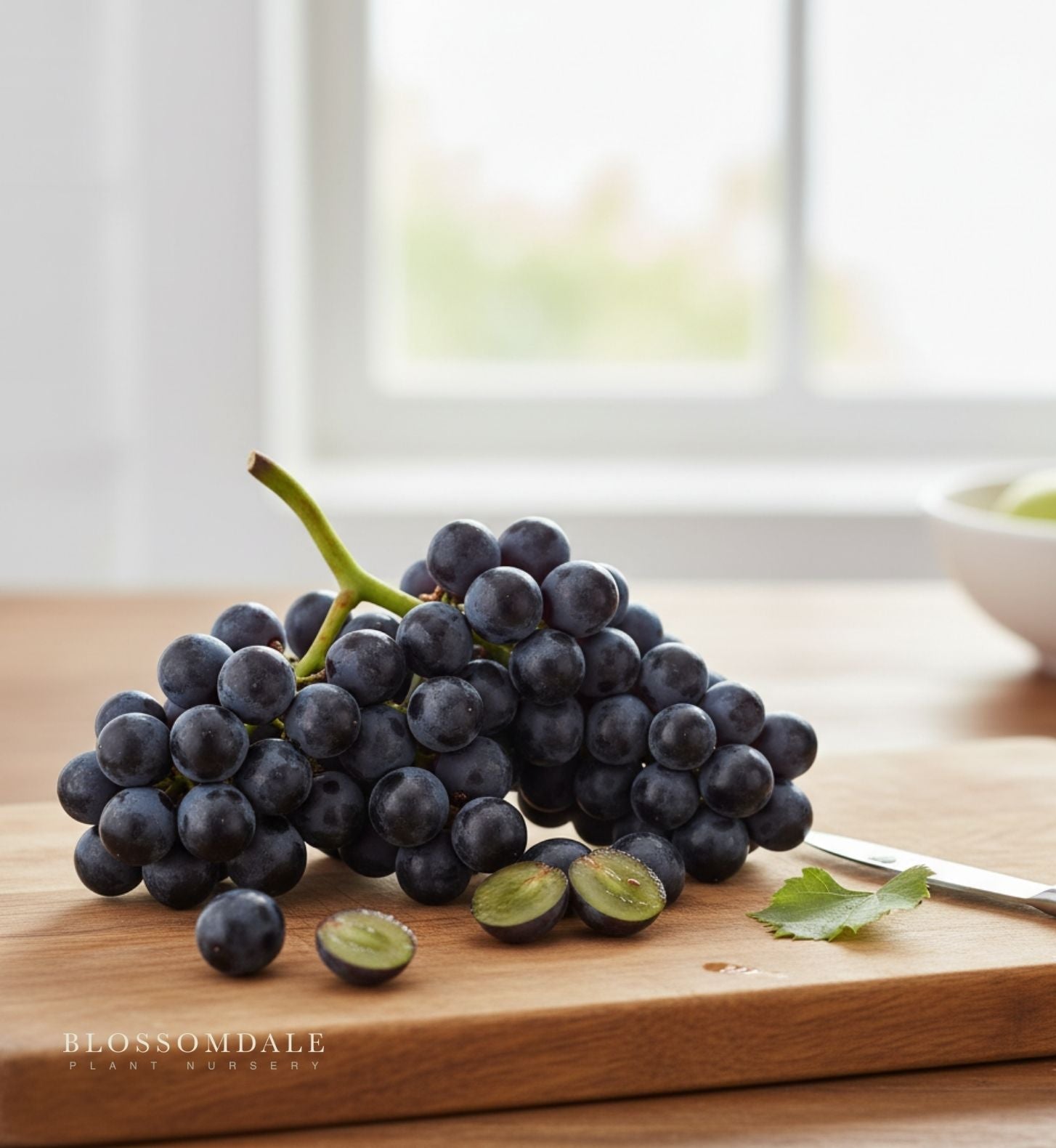
Blueberry Table Grape Vine


Elderberry Plants and Wildlife Benefits
Are elderberry plants good for wildlife?
Yes. Birds and pollinators are attracted to flowers and berries. Elderberry shrubs provide shelter and food for many species, supporting garden biodiversity.
What are the benefits of elderberry plants?
Elderberry plants are valued for their antioxidant-rich berries, immune support, and anti-inflammatory properties. The flowers can also be used in teas and syrups for culinary and medicinal purposes.
Fruiting and Harvesting Elderberries
How long does it take for elderberry plants to produce fruit?
Most elderberry plants begin producing fruit 2–3 years after planting, reaching full yield around 4–5 years.
When do elderberry plants produce berries?
Elderberries typically produce ripe berries from mid to late summer, depending on climate and cultivar.