
Skip to content
FREE SHIPPING OVER $99

Growing Zone

Find Now

Have a question?

Ask Us!

Cart
red candy lingonberry blossomdale

Red Candy Lingonberry Plant: A Guide to Growing and Harvesting

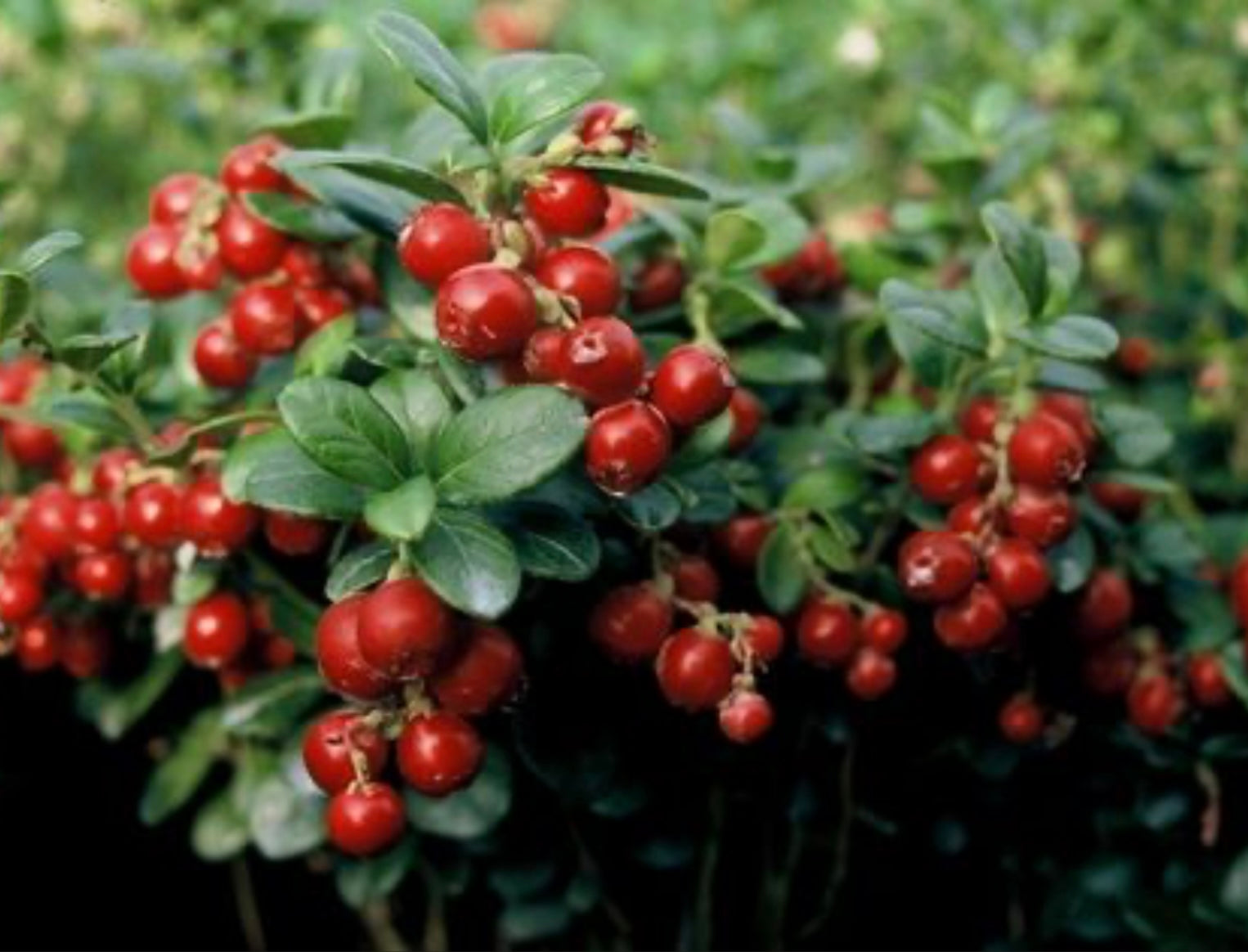
Red Candy lingonberry is the kind of plant that quietly earns its place in a garden. It stays low, spreads gently, and produces bright red berries that stand out against deep green leaves.

Zones: USDA 2–7 Height: 6–12 in Harvests: 2 per season
SPRING FLOWERS MID–LATE SUMMER FOLIAGE REGROWS EARLY FALL
Red Candy often produces two harvests in one season — one in summer, another in early fall

Gardeners often appreciate it for two reasons at once. The plant looks tidy year-round, and it offers a reliable harvest of tart berries that have long been used in Scandinavian kitchens.

Botanically known as Vaccinium vitis-idaea, lingonberries belong to the same group of plants as blueberries and cranberries. The Red Candy cultivar gained popularity because it produces consistent crops and adapts well to home gardens in cooler climates. Learning how this plant grows and what it needs allows gardeners to enjoy both its ornamental appeal and its edible fruit.

01Understanding the Red Candy Lingonberry Plant

Before planting lingonberries, it helps to become familiar with how the plant behaves in a garden. Red Candy lingonberry grows slowly, forms neat mats of foliage, and produces berries that arrive in bright clusters.

What is a Red Candy lingonberry plant?

Red Candy lingonberry is a cultivated variety of Vaccinium vitis-idaea, a small evergreen shrub known for its red berries and glossy leaves. The plant stays close to the ground and spreads gradually through underground stems called rhizomes.

In a garden setting, it often acts like a patient ground cover. It fills space little by little while producing clusters of berries that ripen into a deep red color.

Are lingonberries the same as cranberries?

Lingonberries and cranberries belong to the same plant family, yet they behave differently in nature.

Cranberries grow on long trailing vines that prefer wet bog conditions. Lingonberries prefer well-drained soil and grow as compact shrubs. When tasted side by side, lingonberries carry a tart flavor with gentle sweetness, while cranberries remain noticeably sharper.

How big does a Red Candy lingonberry plant grow?

A Red Candy lingonberry plant usually reaches about 6 to 12 inches tall and spreads about 12 to 24 inches wide. Over time, the plant expands slowly underground and forms a soft carpet of foliage.

Many gardeners appreciate this growth habit. The plant stays tidy without demanding much space, making it suitable for borders, woodland beds, or small edible gardens.

02Ideal Growing Conditions for Lingonberries

Lingonberries come from northern forests where the air stays cool and the soil remains naturally acidic. When those same conditions appear in a garden, the plant settles in comfortably and begins to thrive.

Where do lingonberries grow best?

Lingonberries grow best in cool climates where summers remain moderate and winters provide a period of dormancy. Gardeners in USDA zones 2 through 7 often find that these plants adapt easily.

In regions that resemble their natural northern habitats, lingonberries establish strong root systems and produce dependable crops.

Do lingonberries need full sun or shade?

Lingonberries enjoy sunlight but appreciate balance. In cooler climates, full sun encourages the plant to produce more flowers and berries.

In areas with warmer summers, the plant often prefers gentle afternoon shade. A spot that receives several hours of sun each day usually provides the right environment.

What type of soil do lingonberries need?

Lingonberries are particular about soil acidity. They prefer soil with a pH between 4.5 and 5.5, similar to the soil conditions favored by blueberries.

Gardeners often improve planting areas by adding peat moss, pine bark, or organic materials that help maintain acidic conditions. When the soil feels light, well-drained, and slightly acidic, the plant settles in and begins growing comfortably.

Quick Reference
Botanical nameVaccinium vitis-idaea
ZonesUSDA 2–7
Height6–12 in
Spread12–24 in
Soil pH4.5–5.5
Fruits in2–3 years after planting

03Planting and Caring for Red Candy Lingonberries

Once planted in the right soil, lingonberries develop into steady and dependable garden companions. They do not demand constant attention, yet a few simple care practices help them grow stronger each year.

How do you plant Red Candy lingonberries?

Planting usually happens in spring or early fall when temperatures remain mild. Gardeners typically space plants about 12 to 18 inches apart so they have room to spread.

After placing the plant in prepared soil, a thorough watering helps settle the roots. Many gardeners add a layer of pine bark or needle mulch around the base. The mulch helps the soil stay cool and moist.

How often should lingonberry plants be watered?

Lingonberries prefer soil that stays gently moist. During dry periods, watering once or twice each week often provides enough moisture.

Because the plant's roots sit close to the surface, mulch helps protect them from drying out. With steady moisture, the plant continues to grow and prepare for flowering.

Do lingonberries spread or stay compact?

Lingonberries spread slowly through rhizomes beneath the soil surface. Over time, new shoots appear near the parent plant and gradually form a dense mat of foliage.

Gardeners often enjoy this gradual spread. The plant fills in empty spaces without becoming aggressive.

Good to know: Because the roots sit close to the surface, a layer of pine bark or needle mulch does double duty — keeping soil cool, moist, and slightly acidic.

04Lingonberry Fruit Production and Harvest

One of the most satisfying moments in growing lingonberries arrives when the berries begin to color. Small green fruit slowly transforms into bright red clusters that stand out against the glossy leaves.

When do Red Candy lingonberries produce fruit?

Red Candy lingonberries often produce two crops in a single growing season. The first harvest usually appears in mid to late summer, and a second harvest may develop in early fall.

Before the berries form, the plant produces small bell-shaped flowers that range from white to pale pink.

How long does it take for lingonberries to produce fruit?

Lingonberries take patience during their early years. Most plants begin producing berries about two to three years after planting.

As the plant matures, berry production increases. By the fourth or fifth year, many plants produce larger harvests each season.

How do you know when lingonberries are ready to harvest?

Lingonberries signal their readiness clearly. The berries turn a bright, glossy red and feel firm when gently pressed.

At this stage, the fruit detaches easily from the plant and carries the balanced tart flavor that makes lingonberries popular in sauces and preserves.

05Growing Lingonberries in Containers and Small Gardens

Not every gardener has room for large berry patches. Lingonberries adapt well to containers, making them suitable for patios, balconies, and compact garden spaces.

Can you grow lingonberries in containers?

Lingonberries grow comfortably in containers when planted in acidic potting mix similar to the soil used for blueberries.

A container that is at least 12 inches wide provides enough space for the plant's roots. With regular watering and several hours of sunlight, container plants can produce berries just as garden plants do.

How do you propagate lingonberry plants?

Lingonberries naturally create new growth through their spreading rhizomes, which makes propagation straightforward.

Gardeners often divide established plants in early spring. Each section that contains roots and shoots can be replanted into prepared soil. Over time, these divisions grow into new berry-producing plants.

Previous Post Next Post

Leave a comment

Please note, comments need to be approved before they are published.