


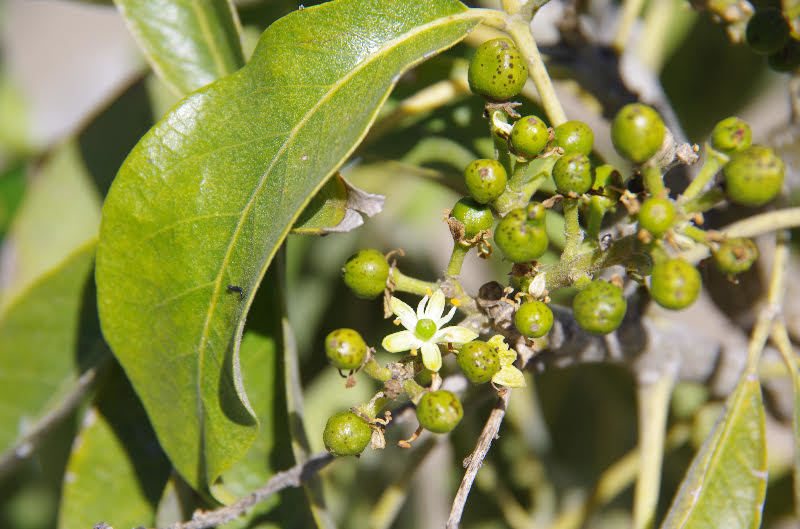
Suebelle white sapote is a well-known cultivar of Casimiroa edulis, valued for reliable fruiting, manageable size, and high-quality flesh. Understanding planting, growth habits, and harvest timing supports healthier trees and better yields, especially in subtropical home gardens.
How do you grow a Suebelle white sapote tree?
Suebelle white sapote grows best in well-draining soil with full sun exposure. The tree prefers deep, infrequent watering once established and benefits from organic mulch to retain soil moisture. University of California Cooperative Extension notes that white sapote adapts well to a range of soil types as long as drainage is adequate. Young trees should be protected from frost and strong winds during establishment.
How big does a Suebelle white sapote tree get?
Suebelle typically grows smaller than many seedling white sapotes. When unpruned, it can reach 20 to 25 feet, though most home growers maintain it between 10 and 15 feet through annual pruning. This compact habit is one reason Suebelle is commonly recommended for backyard planting.
How long does a white sapote tree take to bear fruit?
Grafted Suebelle white sapote trees often begin producing fruit within three to five years after planting. Seed-grown trees can take significantly longer, sometimes seven to ten years. Early fruiting is widely documented in nursery descriptions and grower reports.
When is white sapote ready to harvest?
White sapote fruit is ready to harvest when it reaches full size and the skin lightens slightly in color. Fruit should detach easily from the branch with a gentle lift. Harvest timing varies by climate but often falls between late fall and early spring in warm regions.
How do you know when white sapote is ripe?
Ripe white sapote softens noticeably, similar to a ripe avocado. The flesh becomes creamy and aromatic. Fruit that is still firm will lack sweetness and proper texture, which is why growers often allow harvested fruit to soften at room temperature for several days.
White Sapote Varieties Compared: Suebelle vs. Vernon, McDill, and Others
White sapote includes many named cultivars, each with differences in flavor, size, and growth habit. Comparing these varieties helps growers choose the right tree for their space and taste preferences.
Is Suebelle a good variety of white sapote?
Suebelle is considered one of the most dependable white sapote cultivars. It is widely grown in California and other subtropical regions due to consistent fruit set, mild sweetness, and fewer seeds. Many fruit-growing organizations and nurseries list it as a recommended cultivar for beginners.
What are the most popular white sapote varieties?
Popular cultivars include Suebelle, Vernon, McDill, Pike, and Younghan’s Gold. Vernon is known for larger fruit, while McDill is prized for rich flavor. Suebelle stands out for balance between productivity, flavor, and tree size.
How is Suebelle different from Vernon white sapote?
Suebelle generally produces slightly smaller fruit than Vernon but offers more consistent yields and a more compact tree. Vernon fruit can be larger and richer, though the tree often grows taller and requires more space.
What is the difference between white sapote and black sapote?
White sapote (Casimiroa edulis) and black sapote (Diospyros digyna) are unrelated species. White sapote has pale, custard-like flesh with mild sweetness, while black sapote develops dark, pudding-like flesh when ripe. Their trees, climates, and flavors differ significantly.
Best Growing Zones for White Sapote: Can You Grow Suebelle in Your Region?
Climate plays a major role in white sapote success. Suebelle performs best in areas with mild winters and warm summers.
What climate is best for growing white sapote?
White sapote grows well in USDA zones 9 through 11. It tolerates light frost once established, though young trees are sensitive to cold. Agricultural extension sources document successful cultivation in coastal California, parts of Florida, and similar subtropical climates.
Does white sapote need cross-pollination?
White sapote is generally self-fertile and does not require another tree for pollination. That said, growers often report improved fruit set when multiple varieties are planted nearby, likely due to increased pollinator activity.
The History and Origins of the White Sapote (Casimiroa edulis)
White sapote has a long history of cultivation and cultural significance in Mesoamerica, predating modern horticulture.
What is white sapote and where does it come from?
White sapote is a fruiting tree native to Mexico and Central America. It has been cultivated for centuries and was later introduced to California and other subtropical regions during the early 20th century.
How was white sapote traditionally used in Central America?
Historically, white sapote was eaten fresh and used in beverages and desserts. Ethnobotanical records also note the use of leaves and seeds in traditional medicine, though modern sources caution against consuming seeds due to toxicity.
Nutritional Benefits of Eating Suebelle White Sapote
White sapote is often appreciated for its flavor, though it also offers nutritional value.
What are the health benefits of white sapote?
White sapote contains vitamin C, dietary fiber, potassium, and small amounts of B vitamins. Nutritional databases and food references describe it as a low-acid fruit that supports digestion and hydration when eaten fresh.
Are white sapote seeds toxic?
Yes. White sapote seeds contain toxic compounds and should not be eaten. This is documented in food safety references and agricultural extension materials. Only the flesh is safe for consumption.
Growing White Sapote in Containers: Is Suebelle the Best Choice?
Container growing expands access for gardeners with limited space.
Can white sapote grow in pots or containers?
White sapote can grow in large containers when properly managed. Pots should provide excellent drainage and sufficient volume to support root growth. Regular pruning is essential to keep the tree balanced.
Is Suebelle white sapote suitable for container growing?
Suebelle is one of the better choices for containers due to its naturally moderate growth habit and good response to pruning. Many specialty nurseries specifically recommend Suebelle for patios and small gardens.
Common Challenges When Growing Suebelle White Sapote (and How to Deal with Them)
Even hardy fruit trees face occasional challenges related to environment and care.
How should white sapote be stored after harvest?
Harvested white sapote should be stored at room temperature until fully ripe, then refrigerated for short-term storage. Cold storage before ripening can affect texture and flavor.
Why does white sapote fruit drop before ripening?
Fruit drop can result from water stress, temperature fluctuations, or excessive fruit load. Extension guides note that thinning fruit and maintaining consistent watering can reduce premature drop.
Culinary Inspiration: Recipes and Ways to Use Suebelle White Sapote
Suebelle white sapote is primarily enjoyed fresh, though it also works well in simple preparations.
What does Suebelle white sapote taste like?
Suebelle white sapote has a mild, sweet flavor often compared to banana, pear, and vanilla custard. The texture is smooth and creamy when fully ripe.
Can you eat white sapote raw?
Yes. White sapote is commonly eaten raw with a spoon. This is the most traditional and widely recommended way to enjoy the fruit.
Where can you buy a Suebelle white sapote tree?
Suebelle white sapote trees are available from specialty fruit nurseries, mail-order plant sellers, and some local garden centers in warm climates. Many reputable nurseries list grafted Suebelle trees with cultivar verification.