

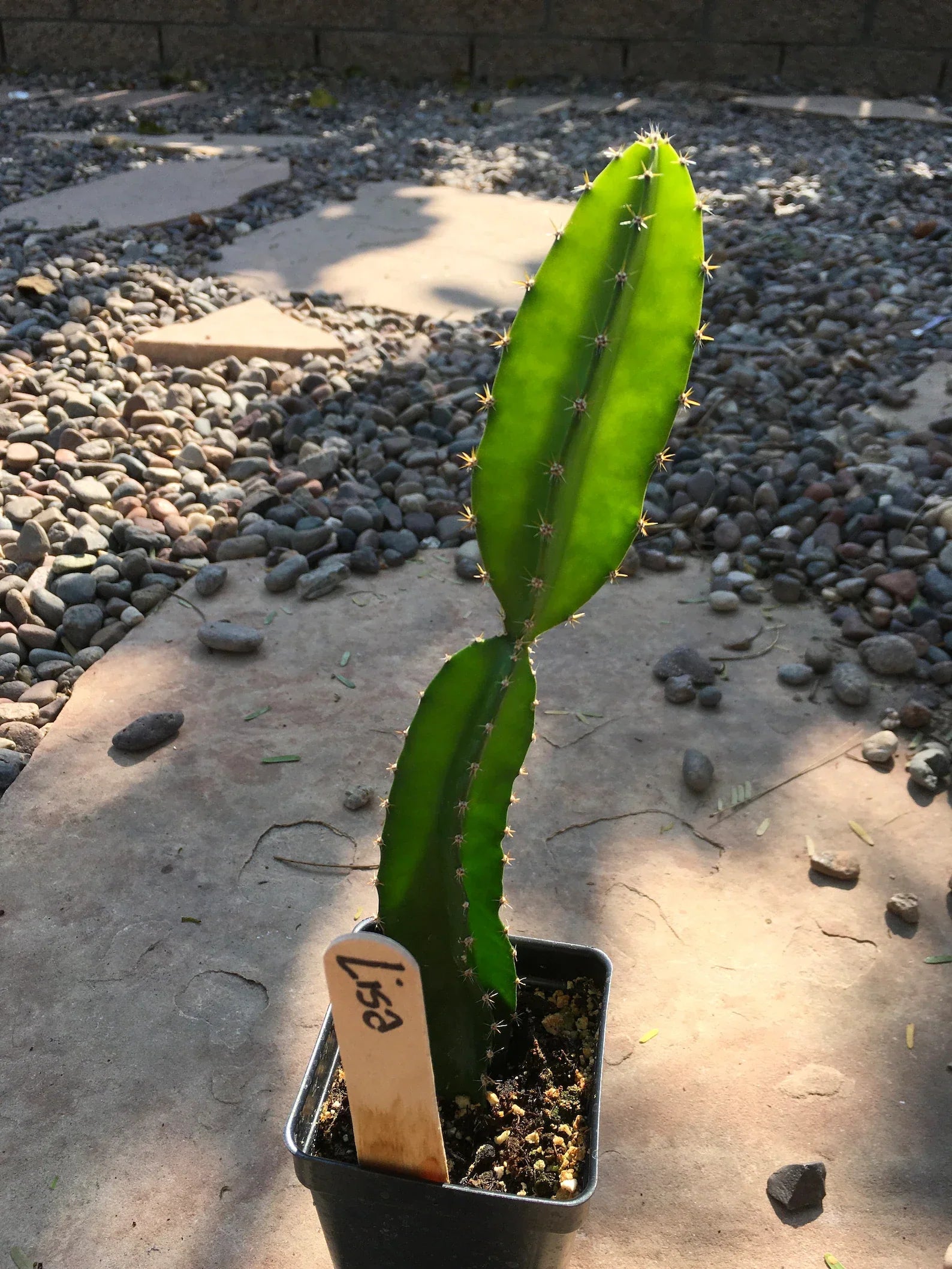
Stem cutting propagation is the fastest, most reliable way to grow productive dragon fruit plants — genetically identical to the parent, and quicker to fruit than seed.
Dragon fruit is botanically classified as Selenicereus undatus, formerly known as Hylocereus undatus in many horticultural references. This climbing cactus roots readily from mature stems and thrives in tropical and subtropical climates.
01Dragon Fruit Propagation Basics
What is the best way to propagate dragon fruit?
The best method is stem cutting propagation from a mature, disease-free plant. Cuttings produce clones of the parent plant, preserving fruit size, sweetness, and color.
Basic process:
- Select a healthy, thick stem.
- Cut a 12 to 18 inch segment using sterilized shears.
- Allow the cut end to callous.
- Plant in well-draining soil.
This method is used in commercial farms because it produces uniform crops and faster fruiting.
Can you grow dragon fruit from cuttings instead of seeds?
Yes. Growing dragon fruit from cuttings is preferred over seeds. Seed-grown plants can take three to five years to fruit and may vary genetically. Cuttings often produce fruit within one to two years under ideal growing conditions.
How long should a dragon fruit cutting be?
A cutting should be 12 to 18 inches long. Commercial growers sometimes use 18 to 24 inch segments for faster vertical establishment. Larger cuttings contain more stored energy, which supports quicker rooting and early growth.
Does dragon fruit grow faster from cuttings?
Yes. Cuttings bypass the juvenile seedling phase. In warm climates with adequate sunlight and nutrition, flowering may occur within 12 to 18 months.
02Preparing and Rooting Dragon Fruit Cuttings
Proper preparation is essential to prevent rot and encourage strong root development.
How do you prepare dragon fruit cuttings for planting?
After making a clean cut, trim the bottom at a slight angle to improve drainage. Place the cutting in a dry, shaded, well-ventilated area and allow it to dry for 5 to 10 days until a firm callous forms. The callous protects exposed tissue and reduces fungal risk once planted.
Should you let dragon fruit cuttings dry before planting?
Yes. Planting fresh cuttings without drying greatly increases the chance of rot. Callousing creates a natural protective barrier at the cut surface.
Can you root dragon fruit cuttings in water?
Rooting in water is possible but less reliable than soil propagation. Water-grown roots tend to be delicate and may struggle when transferred to soil. Direct planting in a well-draining cactus mix typically produces stronger, more adaptable roots.
How long does it take for dragon fruit cuttings to root?
Rooting usually occurs within 2 to 4 weeks when temperatures remain between 21°C and 32°C. In cooler conditions, rooting may take 4 to 6 weeks. In consistently warm environments, roots can begin forming within two weeks. New stem growth often signals successful root establishment.
03Soil, Climate, and Growing Conditions
What type of soil is best for dragon fruit cuttings?
Dragon fruit requires fast-draining soil to prevent stem and root rot. A cactus or succulent mix combined with sand or perlite improves aeration. The ideal soil pH ranges from 6.0 to 7.0, which supports nutrient absorption and healthy root growth.
Heavy clay soils should be amended before planting, as excess moisture retention increases disease risk.
Can dragon fruit grow in pots?
Yes. Dragon fruit grows well in containers provided drainage is adequate. A 15 to 25 gallon pot allows sufficient space for root development and long-term growth. Container cultivation is useful in areas with heavy rainfall or where winter protection is needed.
What climate is ideal for propagating dragon fruit?
Dragon fruit thrives in tropical and subtropical regions with consistent warmth and full sun exposure. Ideal temperatures range from 18°C to 32°C, and plants require at least 6 to 8 hours of direct sunlight daily.
Temperatures below 10°C can damage young plants, and frost can severely injure stems. Commercial production is common in countries such as Vietnam, where long warm seasons support high yields.
How often should you water dragon fruit cuttings?
Water lightly after planting to settle the soil, then allow the soil to dry before watering again. Avoid fixed watering schedules. Instead, check soil moisture several inches below the surface and irrigate only when dry. Overwatering remains the leading cause of failure during propagation.
04Supporting Growth and Encouraging Fruiting
After rooting, structural support and sunlight play critical roles in flowering and fruit production.
Do dragon fruit cuttings need a trellis?
Yes. Dragon fruit is a climbing cactus that requires vertical support. A sturdy post with a circular top frame allows stems to grow upward and then cascade, which promotes flowering on mature hanging segments.
How long does it take for dragon fruit from cuttings to bear fruit?
In ideal tropical conditions, fruiting may begin within 12 to 24 months. In cooler or less optimal climates, fruiting may take 18 to 36 months. Adequate sunlight, proper nutrition, and strong structural support all influence flowering time.
Why is my dragon fruit cutting not growing?
Common causes include overwatering, poor drainage, insufficient sunlight, cold stress, planting before callousing, or incorrect orientation during planting. The original base of the cutting must face downward. Planting upside down can delay or prevent rooting.
05Preventing Problems and Improving Success Rates
Addressing common issues early increases survival rates and long-term productivity.
How do you prevent dragon fruit cuttings from rotting?
Prevent rot by allowing full callousing before planting, using sterilized cutting tools, planting in fast-draining soil, and avoiding excess moisture. Good airflow and bright indirect light during early rooting further reduce fungal risk.
Can you propagate dragon fruit from a store-bought fruit?
Seeds from store-bought dragon fruit can be planted, but seed-grown plants vary genetically and take longer to produce fruit. Stem cuttings remain the fastest and most reliable propagation method.
What is the success rate of dragon fruit cuttings?
Dragon fruit cuttings have a high success rate when healthy stems are selected, callousing is done properly, soil drains well, and warm temperatures are maintained. In favorable climates, successful rooting is common among both home gardeners and commercial growers.